Portugal tenders 1.05 GW of energy storage projects on September 14
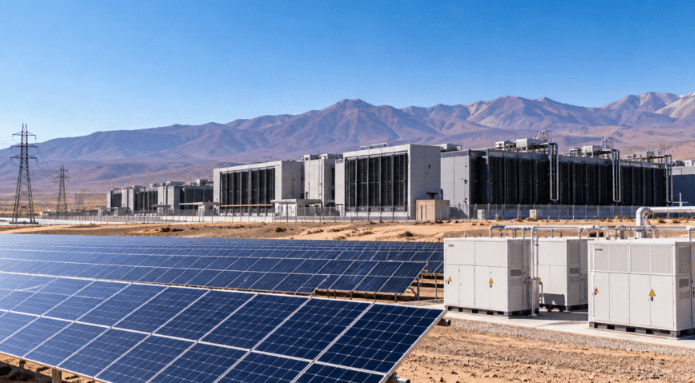
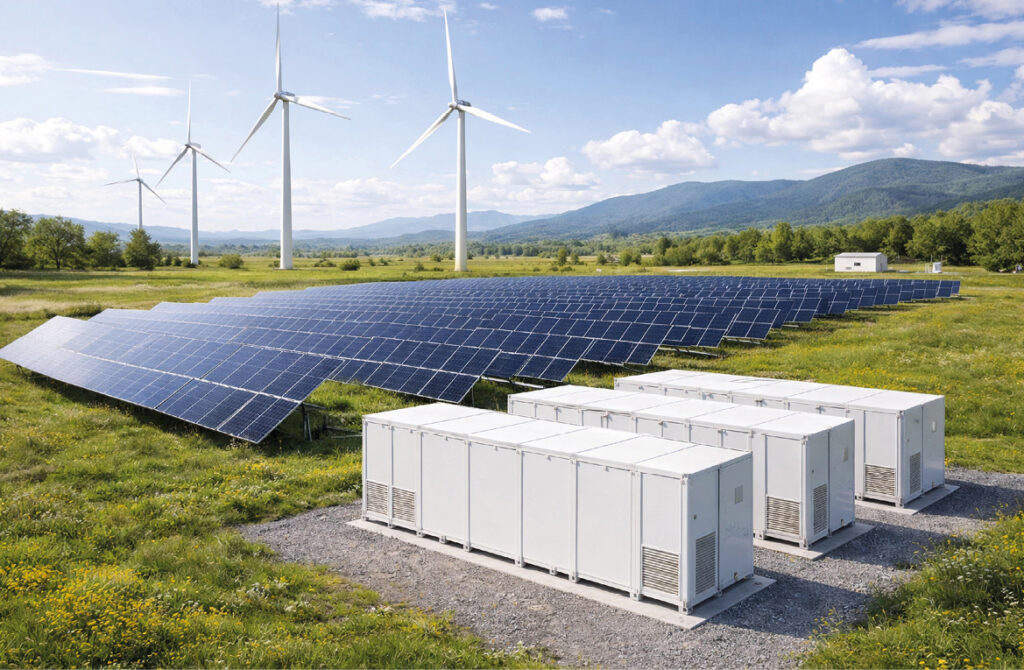
en.Wedoany.com Reported - The Portuguese government has unveiled the National Electricity Storage Strategy (Estratégia Nacional para o Armazenamento de Eletricidade), planning to achieve 3 GW of battery storage and 3.9 GW of pumped storage capacity by 2030, with these targets rising to 4.5 GW and 5.26 GW respectively by 2040.
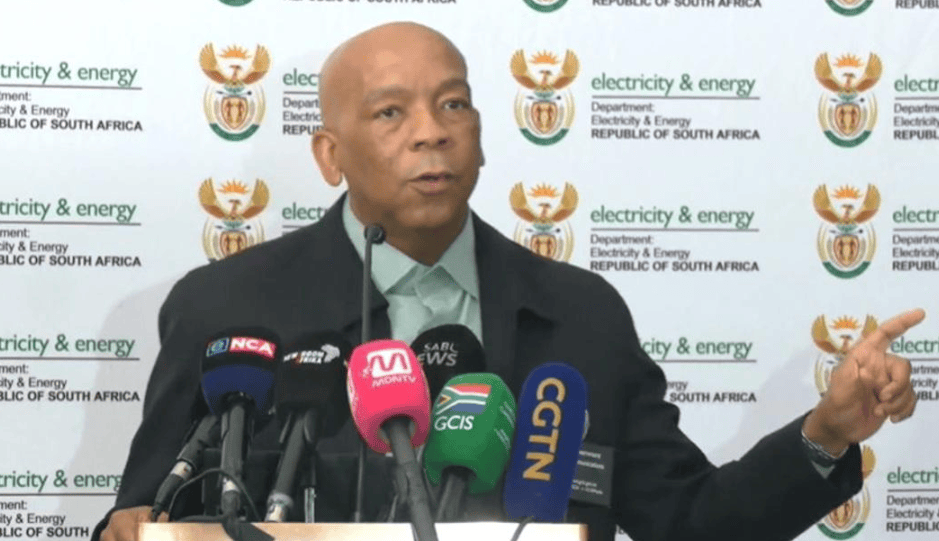
At the strategy presentation, Minister of Environment and Energy Maria da Graça Carvalho noted that Portugal has entered the "adulthood of renewable energy," where the challenge is no longer simply increasing solar or wind capacity, but equipping the system with the infrastructure needed to manage these energy sources. Currently, about 80% of Portugal's electricity comes from renewables, but the government believes the system is approaching its integration limits. The minister explained that storage helps utilize energy lost during periods of high generation and low demand, releasing it when renewable output decreases and consumption increases, while also helping stabilize electricity prices for households and industry.
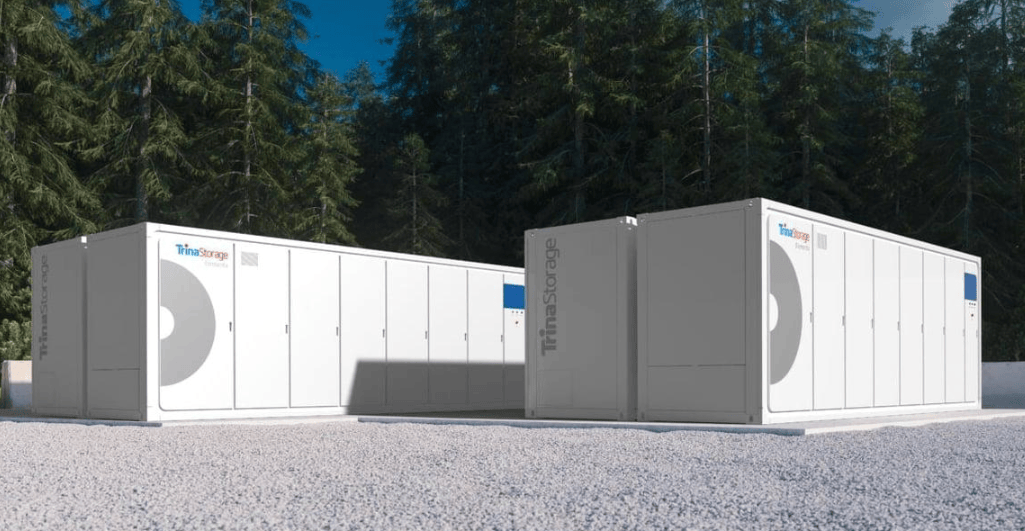
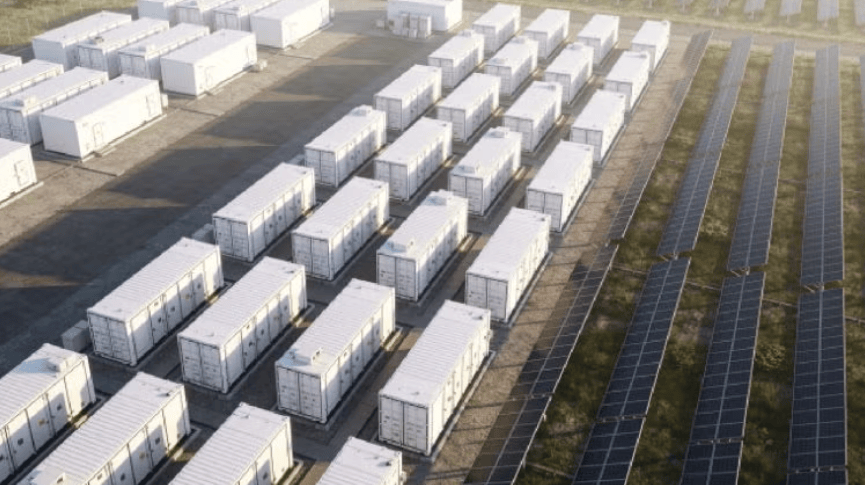
As a first step, the government has called for an auction on September 14 to allocate 750 MW of standalone battery storage capacity, with an additional 300 MW of residual capacity related to renewable energy projects incorporating energy storage systems. The tender will focus on strategic grid nodes, including Rio Maior, Abrantes, Sines-Santo André, Alcochete-Palmela, Pegões-Divor, Estremoz, or Tavira. Meanwhile, the government is preparing new tenders for pumped storage projects, but these will depend on authorization from the European Commission regarding state aid.
The strategy also introduces an economic return mechanism for areas hosting these facilities. Municipalities will permanently participate in the revenue generated by storage projects, receiving 30% of the income from the National Energy System (Sistema Nacional de Energia) in standalone storage auctions, and up to 70% of revenue from projects related to residual capacity. Additionally, developers must allocate 2.5% of net income to community benefit measures, while projects integrating agrivoltaic solutions will receive a 20% bonus in the bidding process. The government says this aims to strengthen public acceptance of new energy infrastructure and ensure the energy transition brings direct benefits to citizens.
The deployment of storage is part of a broader reform of Portugal's electricity system. The new regulatory framework updates industry legislation, introducing fixed tariffs and electricity supply contracts of at least one year, strengthening protection for vulnerable consumers during energy crises, simplifying the development of self-consumption and energy communities, and promoting long-term power purchase agreements (PPAs). Furthermore, the Portuguese government recently announced a capacity market for storage, generation, and demand-side management.
In addition to this energy strategy, the Portuguese government has launched the development of the Green Industrial Strategy (Estratégia Industrial Verde) for 2040, aiming to leverage the country's competitive advantages to attract new industrial investments related to the energy transition. The plan identifies priority sectors, including storage, batteries, renewable gases, hydrogen, industrial electrification, carbon capture and utilization, electric mobility, and decarbonizing heavy industry.
Related Products


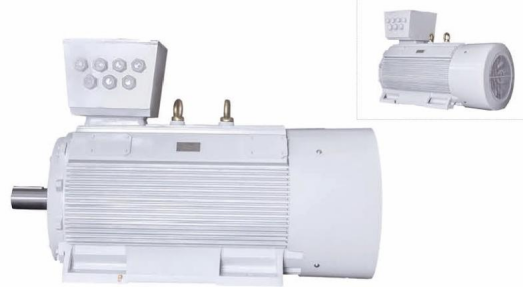
YE3 Series Low Voltage High Power Three-Phase Asynchronous Motor
Shandong Lijiu Electrical Machinery Co., Ltd.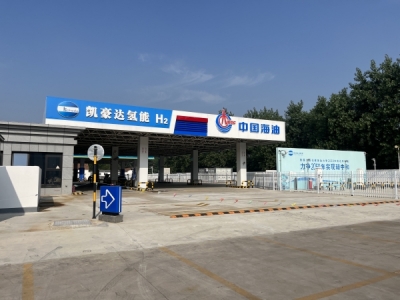
Hydrogen production and hydrogenation charging refueling gas integrated energy station
Shenzhen Kohodo Hydrogen Energy Co., Ltd.

Industrial and Commercial Point-Type Gas Detector
Jinan Benan Technology Development Co., Ltd.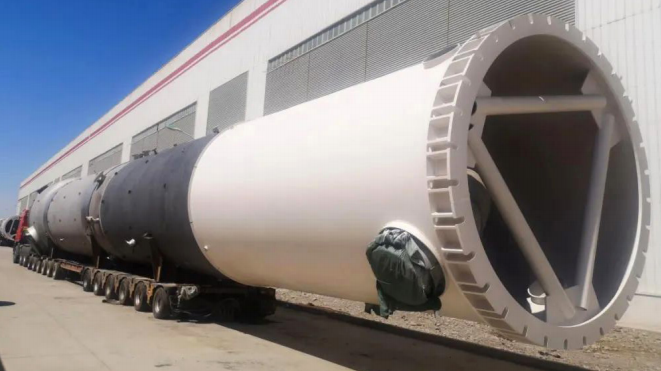
80kW Megawatt Supercharging Module TH80F10030C9
Shijiazhuang Tonhe Electronics Technologies Co., Ltd.