Austrian Research Team Discovers New Pathway for Synthesizing Methane from Carbon Dioxide and Water Vapor
en.Wedoany.com Reported - Research teams from TU Wien and the University of Innsbruck have discovered a new reaction pathway that directly synthesizes methane (CH₄) from carbon dioxide (CO₂) captured from exhaust gases or the atmosphere and water vapor, potentially enabling climate-neutral natural gas production. This study is a key focus of the MECS Excellence Cluster project funded by the Austrian Science Fund (FWF).
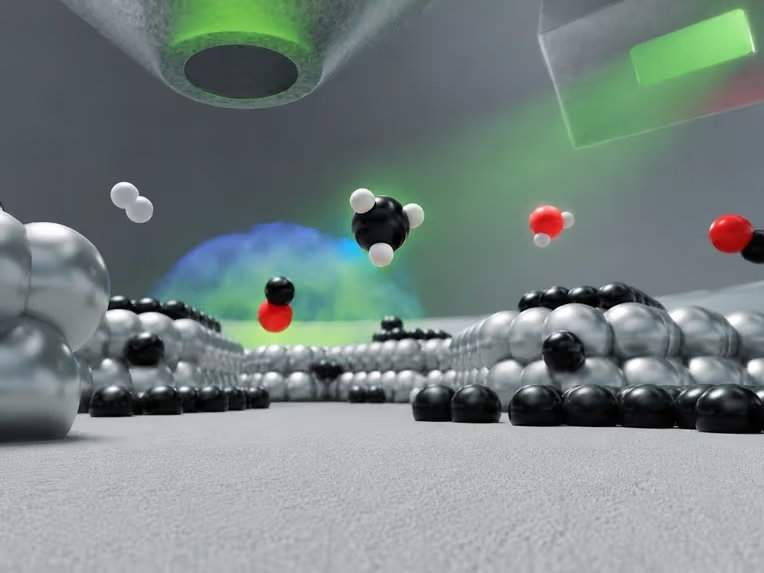
The research team created special porous model electrodes by loading nickel onto yttria-stabilized zirconia. When exposed to water vapor and carbon dioxide, this material triggers a series of complex chemical processes, ultimately producing methane. Professor Günther Rupprechter from the Institute of Materials Chemistry at TU Wien stated that the idea of decomposing carbon dioxide and reacting it with hydrogen is not new, but the key lies in the source of hydrogen. Currently, most hydrogen still comes from fossil sources (i.e., "black hydrogen" or "gray hydrogen"), which cannot achieve climate neutrality. The team's goal is to develop a process that accomplishes two reactions simultaneously: decomposing carbon dioxide to provide carbon, while simultaneously splitting water to supply "green" hydrogen, with the hydrogen and carbon then forming renewable methane.
Bernhard Klötzer from the University of Innsbruck noted that nickel was previously thought to be the main factor determining the chemical process, but some experimental results did not align. To uncover the truth, the team used X-ray photoelectron spectroscopy to track chemical changes in real time. They found that zirconia plays a much more active role than previously believed. Lead author Christoph Thurner explained that after applying voltage, carbon initially deposits on nickel atoms, but some carbon migrates to the zirconia surface, forming an active carbon-zirconium compound. Upon contact with even a small amount of water vapor, this compound reacts to produce methane. Alexander Genest from TU Wien confirmed through simulations that methane is generated via a previously unknown reaction pathway. This discovery opens new prospects for developing electrolysis cells that can convert surplus electrical energy, such as from solar photovoltaics, into methane for long-term chemical energy storage.
Related Products
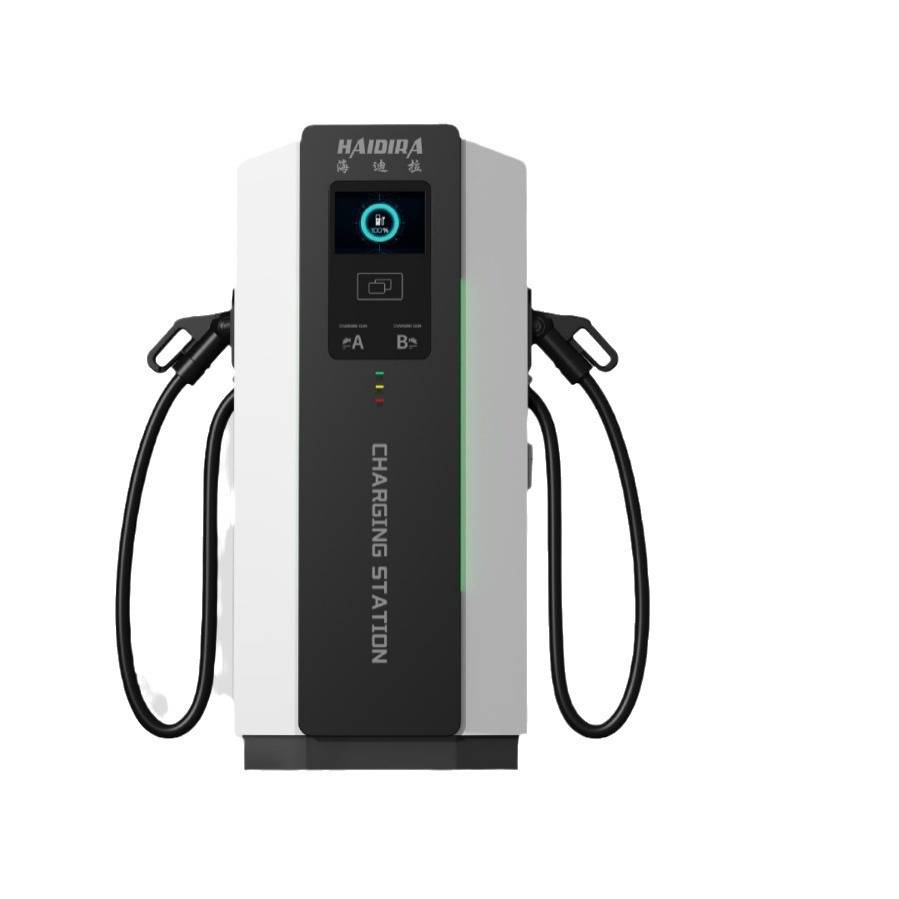

Manufacturer Direct Sales Tesla New Energy Electric Vehicle Universal DC 180kW Dual-gun Charging Pile Commercial Fast Charger
Anhui Haidira Electric Technology Co., Ltd.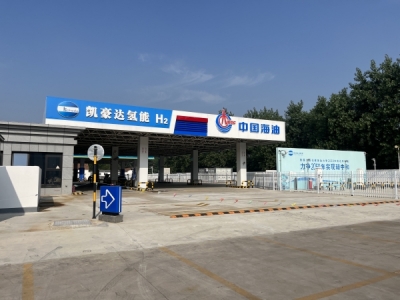
Hydrogen production and hydrogenation charging refueling gas integrated energy station
Shenzhen Kohodo Hydrogen Energy Co., Ltd.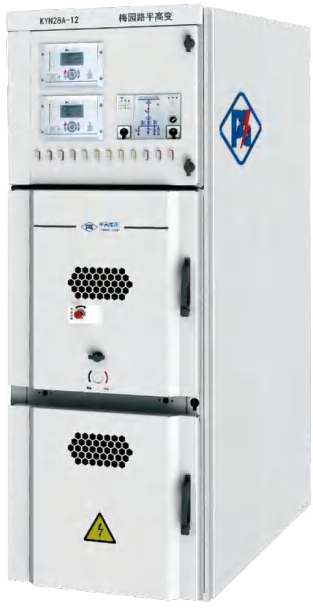
KYN28A-12 Metal Armored Removable Switchgear
Tianjin Ping Gao Intelligent Electric Co., Ltd.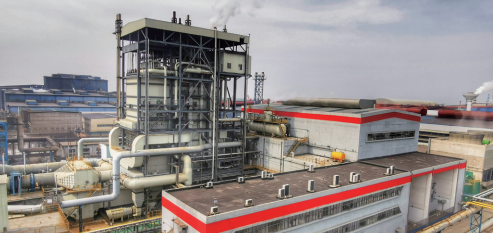
Jiujiang Pinggang 125MW Subcritical Gas Power Generation Project
Capital Engineering & Research Incorporation Limited
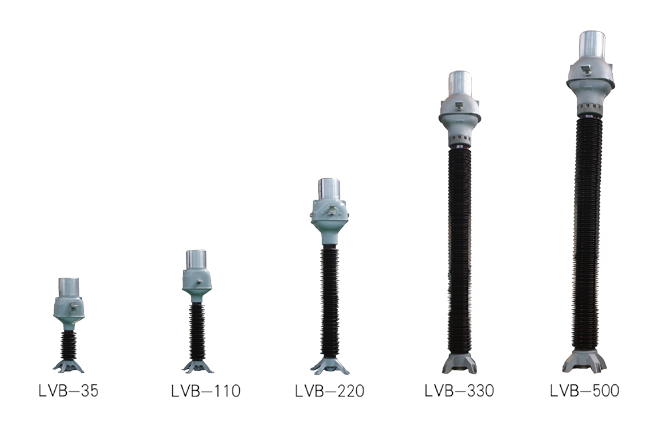
LVB Series 35-500kV Oil-immersed Inverted Current Transformer
Shandong TaiKai Instrument Transformer Co., Ltd.
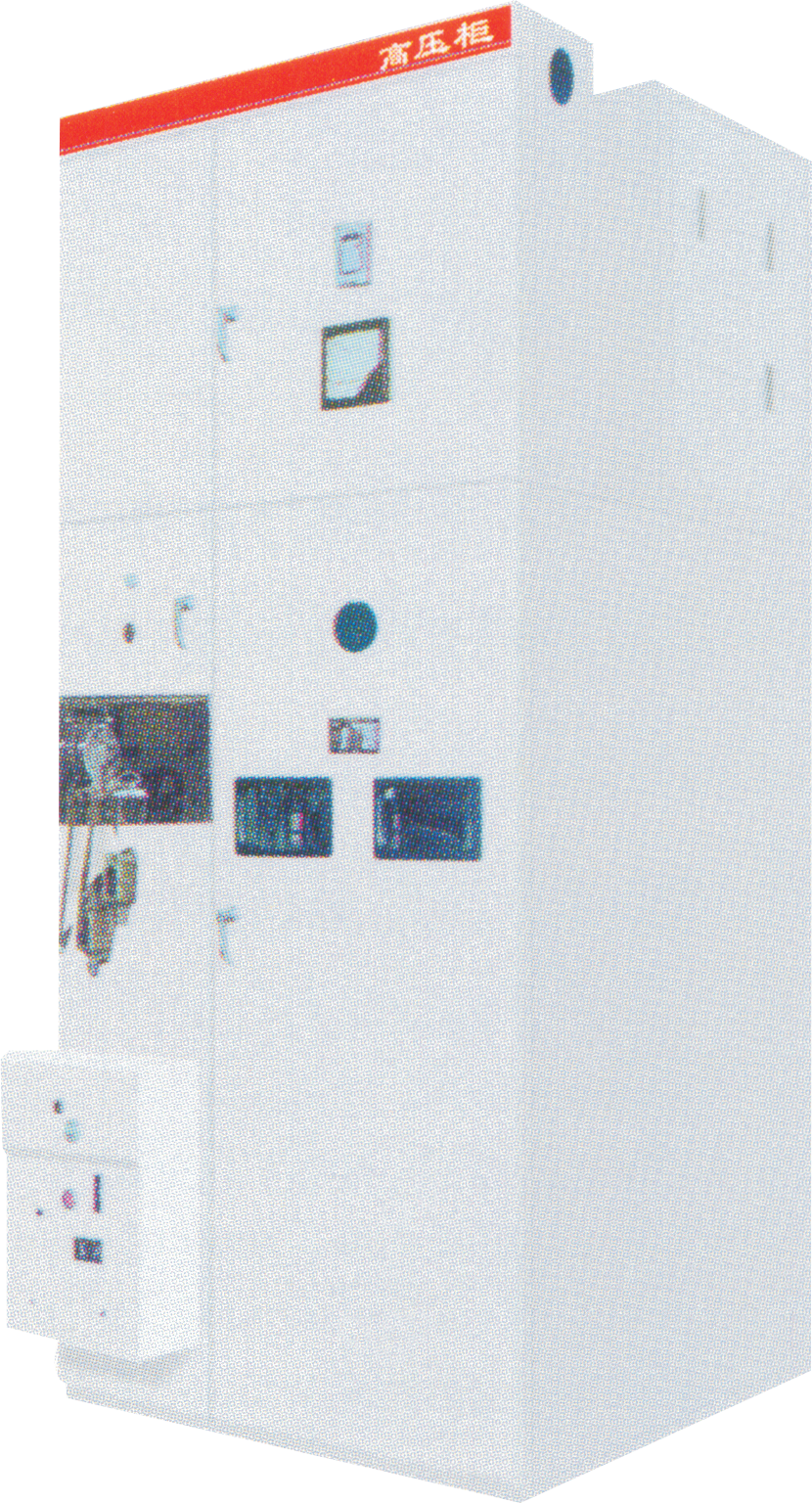
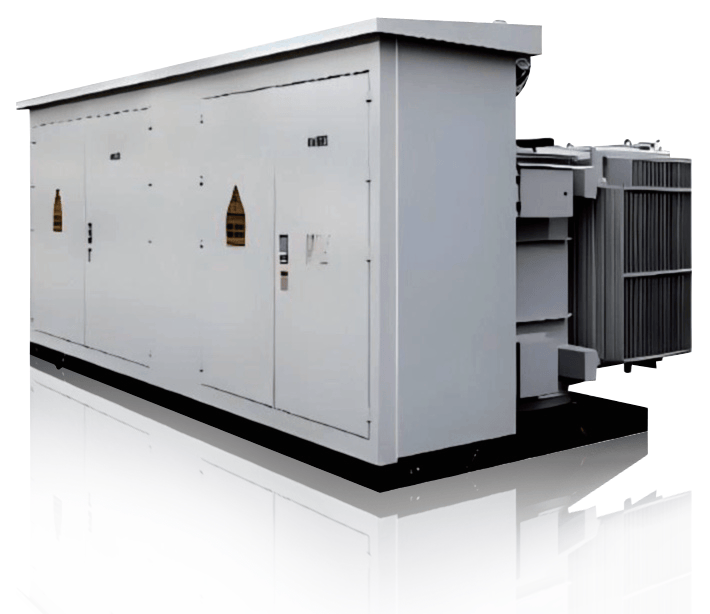
H-40.5/0.4~1.14kV New Energy Power Generation Dedicated High Voltage/Low Voltage Prefabricated Substation
XJ (Xiamen) Intelligent Power Equipment Co., Ltd.