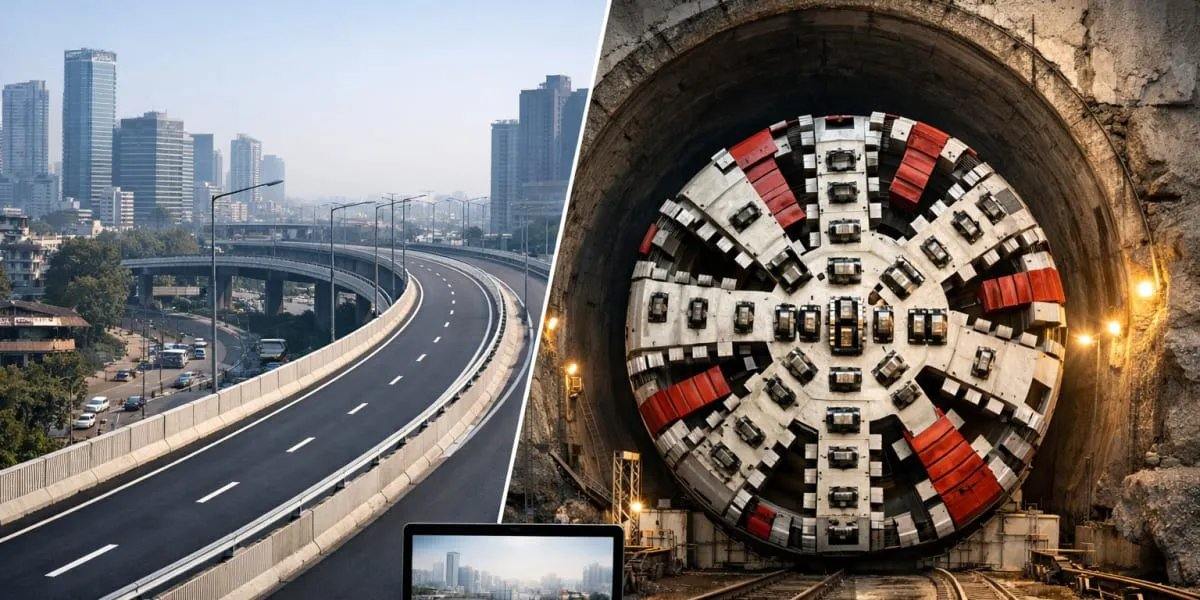
US Amtrak Maintains $1.6 Billion East River Tunnel Project Completion Plan for 2027
en.Wedoany.com Reported - Amtrak's East River Tunnel rehabilitation project has experienced delays, with the second tube expected to reopen in August, approximately one month later than originally planned. Laura Mason, the company's Executive Vice President, explained at a progress update meeting in June that during the installation of overhead catenary wires, construction workers discovered voids in more than half of the 203 ceiling locations, requiring engineering changes before the support hardware could be finally installed.
Mason emphasized that the tunnel remains safe and its structural integrity is not a concern. The entire rehabilitation project is still on track to be completed by the end of 2027.
The East River Tunnel project, which began last year and costs $1.6 billion, is a critical link on the Northeast Corridor, the busiest passenger rail line in the United States. The project aims to repair damage caused by Hurricane Sandy and renovate the century-old structure to meet usage demands for the next 100 years. The tunnel consists of four tubes, two of which require major repairs.
Amtrak now expects to reopen the first tunnel—Tube 2—in August, approximately one year after the start of large-scale demolition and construction. The second tunnel—Tube 1—will be closed later this year for reconstruction. At a meeting on June 17, Mason stated that the plan is to initiate the shutdown of Tube 1 immediately after the completion of infrastructure reinforcement this fall, and is working with partners to update the track work schedule to ensure reinforcement is completed before the shutdown. Currently, the Tube 1 shutdown is still planned for 13 months, but lessons learned from Tube 2 will be applied to attempt schedule adjustments.
Mason noted that one of the biggest construction lessons from the first shutdown was the decision to completely close each tunnel tube, rather than relying on overnight and weekend construction windows. Continuous, contractor-controlled shutdowns were deemed the most cost-effective, efficient, and safest method. Relying on overnight and weekend shutdowns would significantly increase costs and extend the timeline.
The continuous shutdown allows construction workers to rebuild the drainage system and repair the tunnel lining without repeatedly installing and removing temporary rail systems between construction windows. By completely closing the entire line, contractors can carry out repair work without interruptions.
Mason added that after removing the existing bench walls in the tunnel, construction workers discovered that the cable ducts had collapsed, leaving very little remaining capacity, and the drainage system was clogged and unusable. Amtrak stated that these findings confirmed the necessity of a full reconstruction rather than a surface-level repair. Mason said that after experiencing this shutdown, she is confident the right decision was made. Without removing the bench walls, the drainage system would have been inaccessible, meaning it could never have been repaired.
To address this issue, the team reduced the hydrostatic pressure on the tunnel lining, significantly decreasing water infiltration. Mason stated that lessons learned from the Tube 1 shutdown will be applied to re-sequence the work to complete this portion earlier, resolve drainage issues, and reduce the number of water leaks that need to be addressed.
Related Products

Aoxuan Intelligent Precision Air Conditioning Unit
SHANGHAI AOXUAN PURIFICATION TECHNOLOGY CO., LTD.
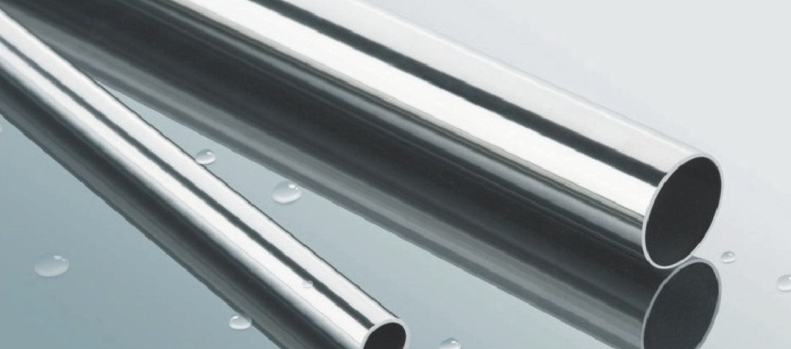
ERW Welded Pipe (Black Pipe and Hot-dip Galvanized Steel Pipe)
Handan Zhengda Steel Pipe Co., Ltd.

Ultra-Pure Ferrite Stainless Steel Products
Gansu JISCO Group Hongxing Iron and Steel Co., Ltd.
Ceiling light | led Ceiling Light | LED Indoor light | LED Ceiling lighting
Queendom Group Technology Co., Ltd.
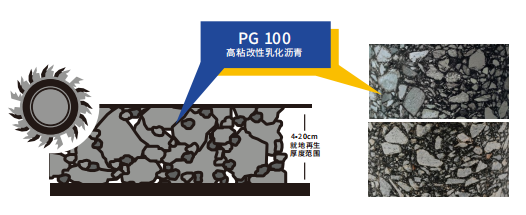
High-toughness in-Situ Cold Recycling Technology for Original Structural Layers
Central Fortune Creation Technology Group Co., Ltd.