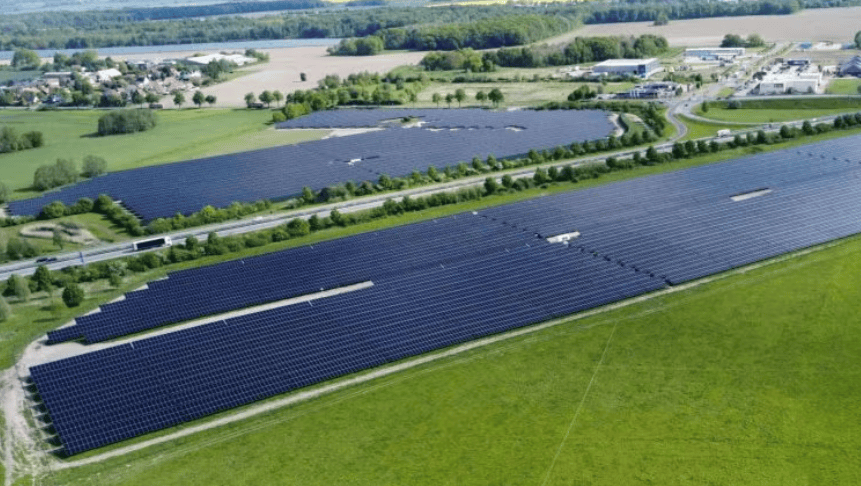
Lithuania Deploys 870 MW of Solar in 2024
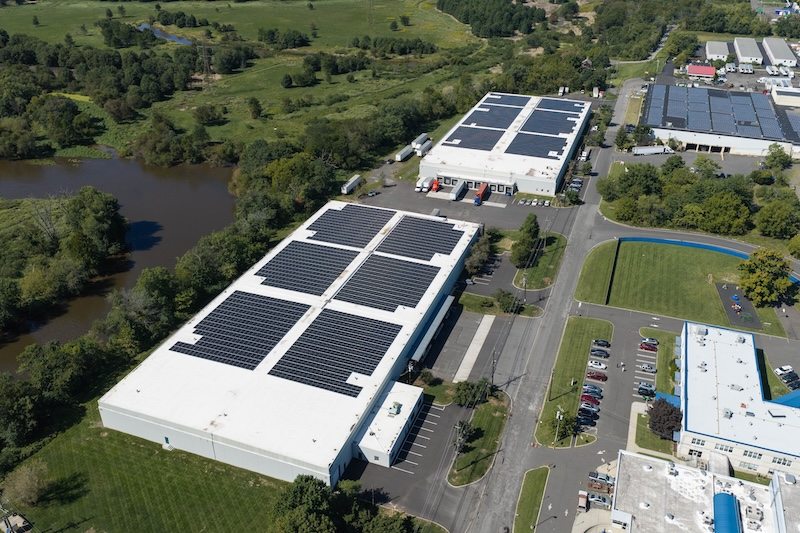
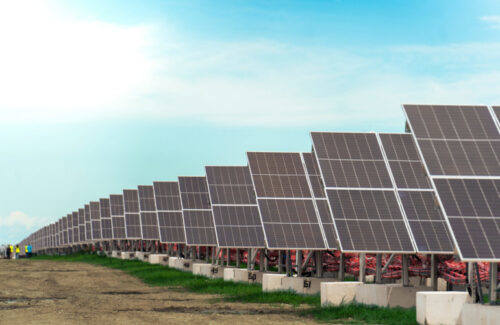
Wedoany.com Report-Apr. 10, In 2024, Lithuania achieved a new record by adding 870 MW of solar power, exceeding the 572 MW installed in 2022 and 536 MW in 2023. This increase brought the country’s total solar capacity to over 1.97 GW by year-end. Residential solar accounts for nearly 1.4 GW, while utility-scale projects contribute 583 MW.
Juras Ulbikas, research director at the Vilnius-based Applied Research Institute for Prospective Technologies, and Vitas Maciulis, former president of the Lithuanian Solar Energy Association, spoke to pv magazine about the factors fueling this growth. They highlighted supportive legal, administrative, and technical frameworks. Households installing systems up to 10 kW can receive subsidies covering 30% of costs, while small- and medium-sized businesses qualify for up to 25%. Energy communities, whether led by individuals or companies, are eligible for subsidies of up to 45%.
Residential systems up to 500 kW benefit from net metering, a policy that Ulbikas and Maciulis expect will help 16% of Lithuania’s electricity users become prosumers by 2030. Although the government is exploring a shift to net billing for future commercial projects, they noted that officials have committed to maintaining the current net metering structure for a decade.
Solar expansion also benefits from innovative approaches. In rural areas, where land costs are lower, solar plants generate electricity delivered to urban centers, with consumers paying only a grid transmission fee. Additionally, individuals can buy or lease portions of large-scale solar installations. For instance, someone might acquire 5 kW from a 1,000 kW facility and use that energy at home, with net metering applied. Ignitis, Lithuania’s largest electricity producer, supports this through an online platform, allowing users to select and pay for a share of a power station effortlessly, much like booking a ticket.
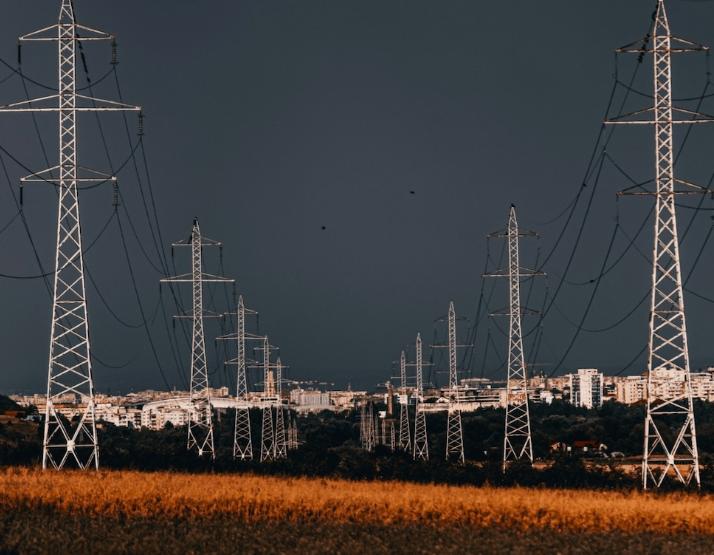
Despite these advances, grid connection delays remain an issue. Ulbikas and Maciulis explained: “The grid DSO and TSO processes – document acceptance and testing operations – move too slowly, sometimes taking over a year,” while building a utility-scale plant takes just months. Efforts to address this with grid operators and the Ministry of Energy have seen limited progress.
To tackle grid limitations, a new initiative promotes hybrid solar and wind systems sharing a single connection point. This doubles capacity utilization—for example, linking 100 kW of wind and 100 kW of solar through a 100 kW line—enhancing the grid’s ability to handle renewable energy.
The government is also funding storage solutions for both residential and utility-scale projects, which Ulbikas and Maciulis described as experiencing “rapid development.” Looking ahead, the Ministry of Energy estimates Lithuania’s solar capacity could hit 2.7 GW by the end of 2025 and 3.2 GW by 2026. The Lithuanian Solar Energy Association projects over 4 GW by 2028, evenly split between residential and utility-scale installations.
Related Products
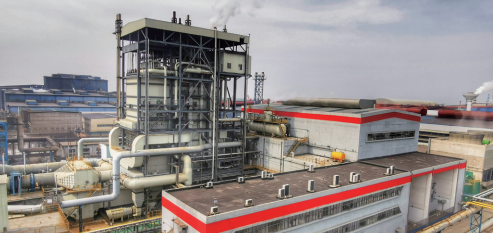

Jiujiang Pinggang 125MW Subcritical Gas Power Generation Project
Capital Engineering & Research Incorporation Limited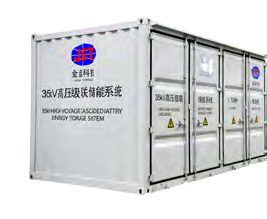
6kV-35kV Medium and High Voltage Direct-Connected Energy Storage System
Hainan Jinpan Smart Technology Co., Ltd.
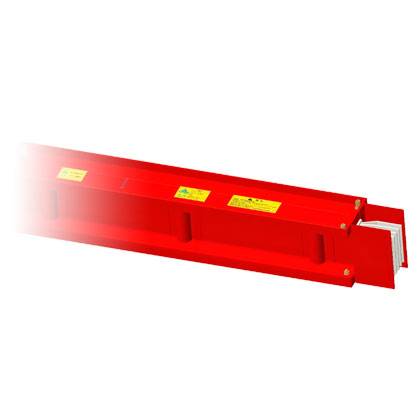
Mineral-insulated Compact Busway (Fire-resistant Busduct)
Zhuhai Guangle Electric Busway Co., Ltd.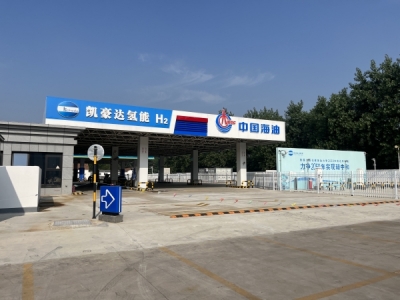
Hydrogen production and hydrogenation charging refueling gas integrated energy station
Shenzhen Kohodo Hydrogen Energy Co., Ltd.
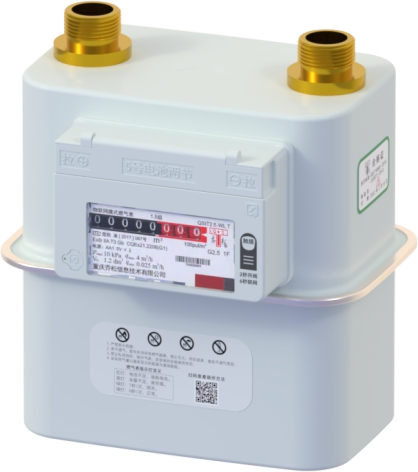

CAP1400 main feedwater flow nozzle flowmeter.
Jiangsu Hongda Instrument Technology Co., LTD.