Meta's Largest US Data Center Project Deploys 72-Ton Robots for Pile Driving
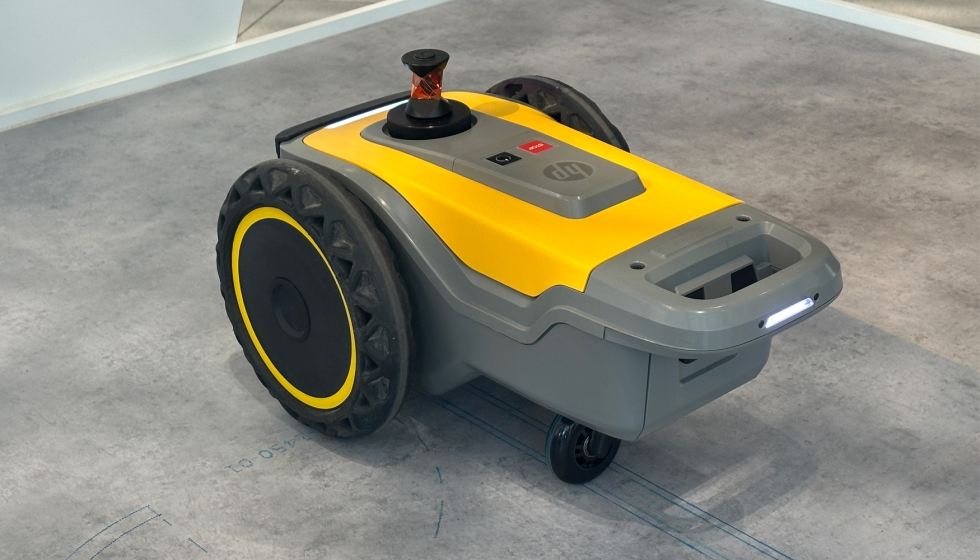
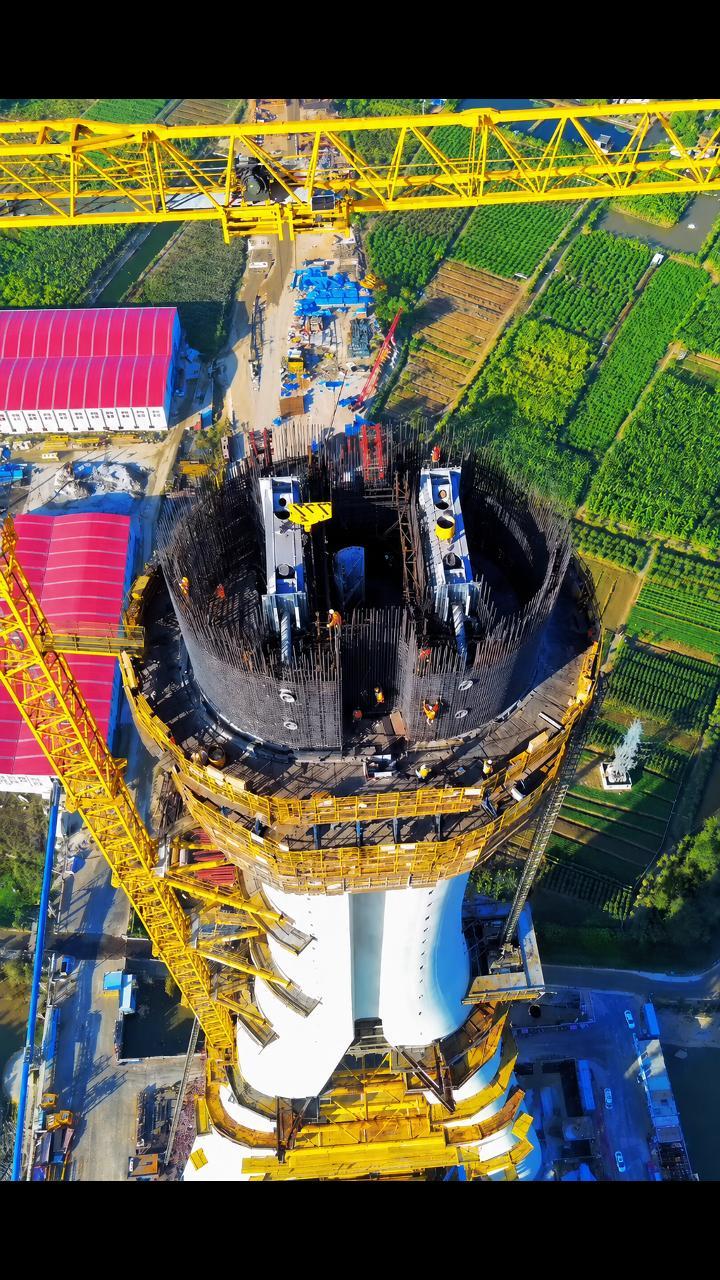
en.Wedoany.com Reported - Ten 72-ton robots modified by Built Robotics are driving steel piles for Meta's Hyperion data center project at a solar site in Louisiana, USA. This solar project will exclusively power the Hyperion data center. The automated machines drive nearly 1,000 steel beams into the ground each day, handling over half of the pile driving work for the project.
Hyperion is Meta's largest data center project to date, expected to provide over 2 gigawatts (GW) of computing power for future open-source large language models. The enormous electricity demand of the campus is driving robotics into the construction of supporting facilities for next-generation AI models. Meta stated that it is working with Entergy to add sufficient clean renewable energy to the grid to meet the site's power needs. The project, with an investment of over $10 billion, is expected to have more than 5,000 skilled workers on site during peak construction.
Built Robotics, the company responsible for the work, retrofits large construction machinery with sensors, cameras, GPS, and software, enabling autonomous operation within designated areas. Its RPD 35 robotic pile driver is specifically designed for transporting and driving steel piles in solar projects, while the RPS 25 stabilizer secures the pile during driving. The steel piles used in this project are approximately 14 feet long and weigh 200 pounds. The robots handle picking up, positioning, and driving the piles, reducing manual labor for workers. In some areas of the project with low-lying, wet, and muddy terrain, workers deployed the robots to the most swampy sections.
Noah Ready-Campbell, CEO of Built Robotics, likens the human role to a "robot foreman," where workers manage the machines, refuel and supply them, and monitor the work across the project. According to Ready-Campbell's estimates, a traditional crew would require three to four times as many workers to complete the same workload as those ten robots. For workers, the change is more about shifting on-site roles, with more work potentially focused on supervising autonomous machines, while the robots handle repetitive lifting and pile driving.
Related Products

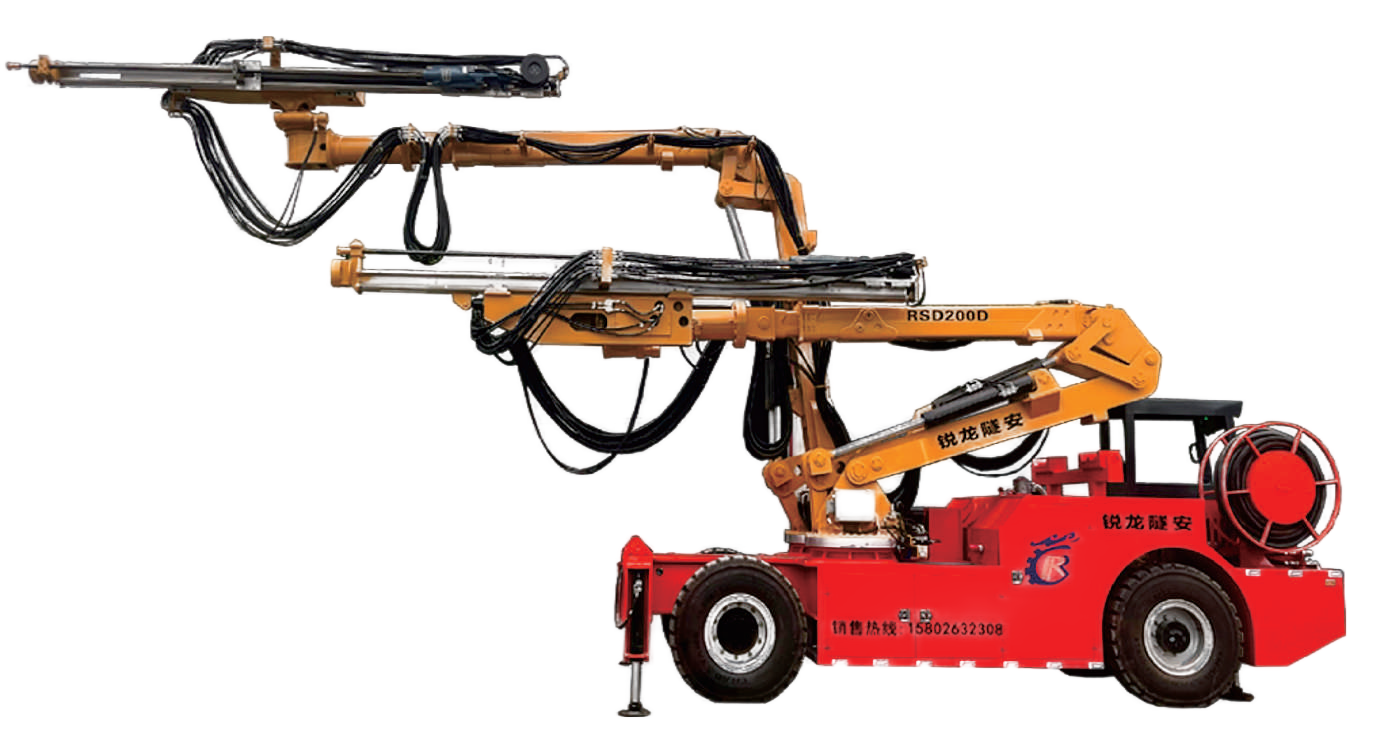
Dual-curved Arm Rock Drilling Trolley RSD200D
Chengdu Ruilong Machinery Manufacturing Co., Ltd.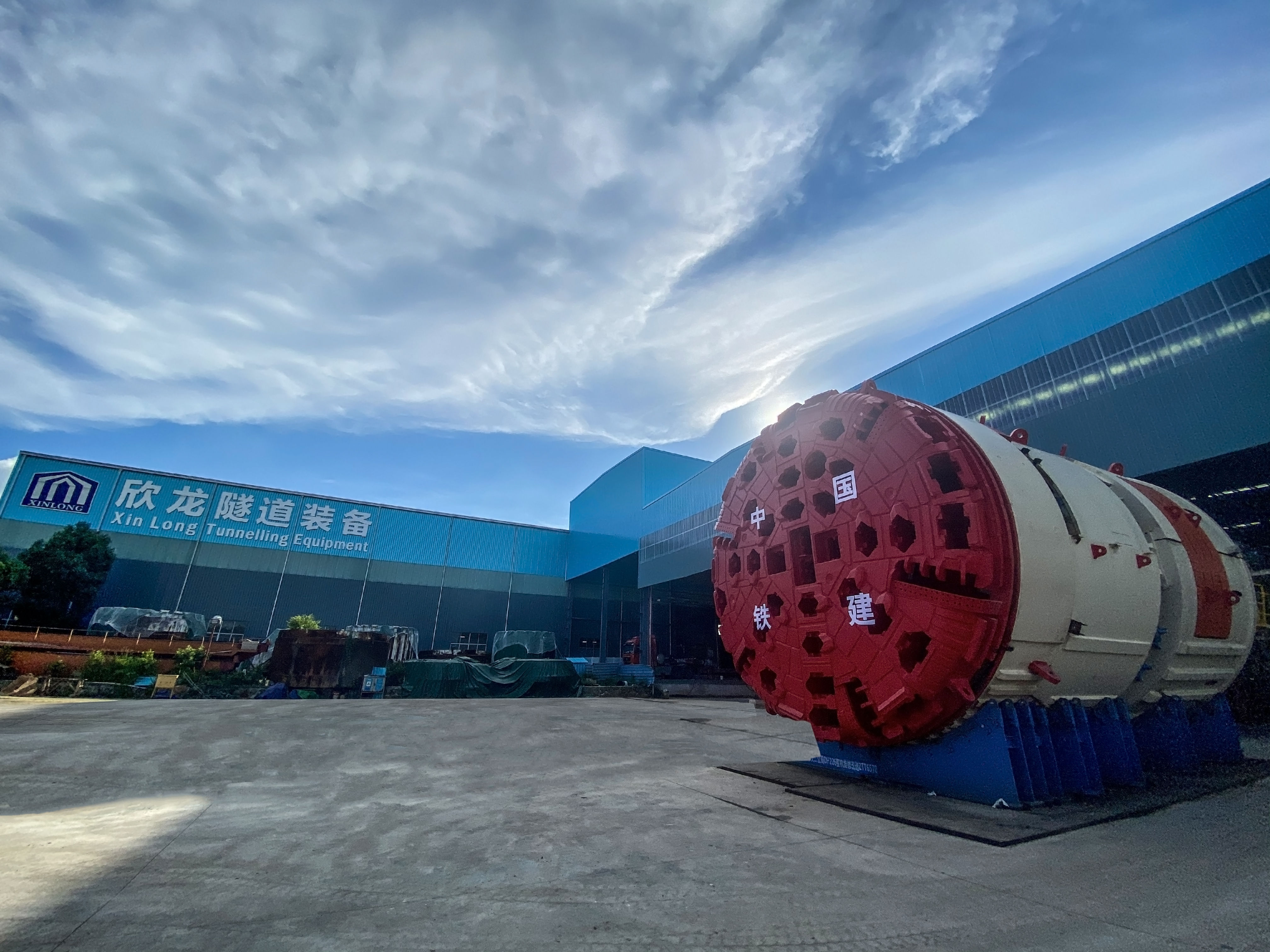
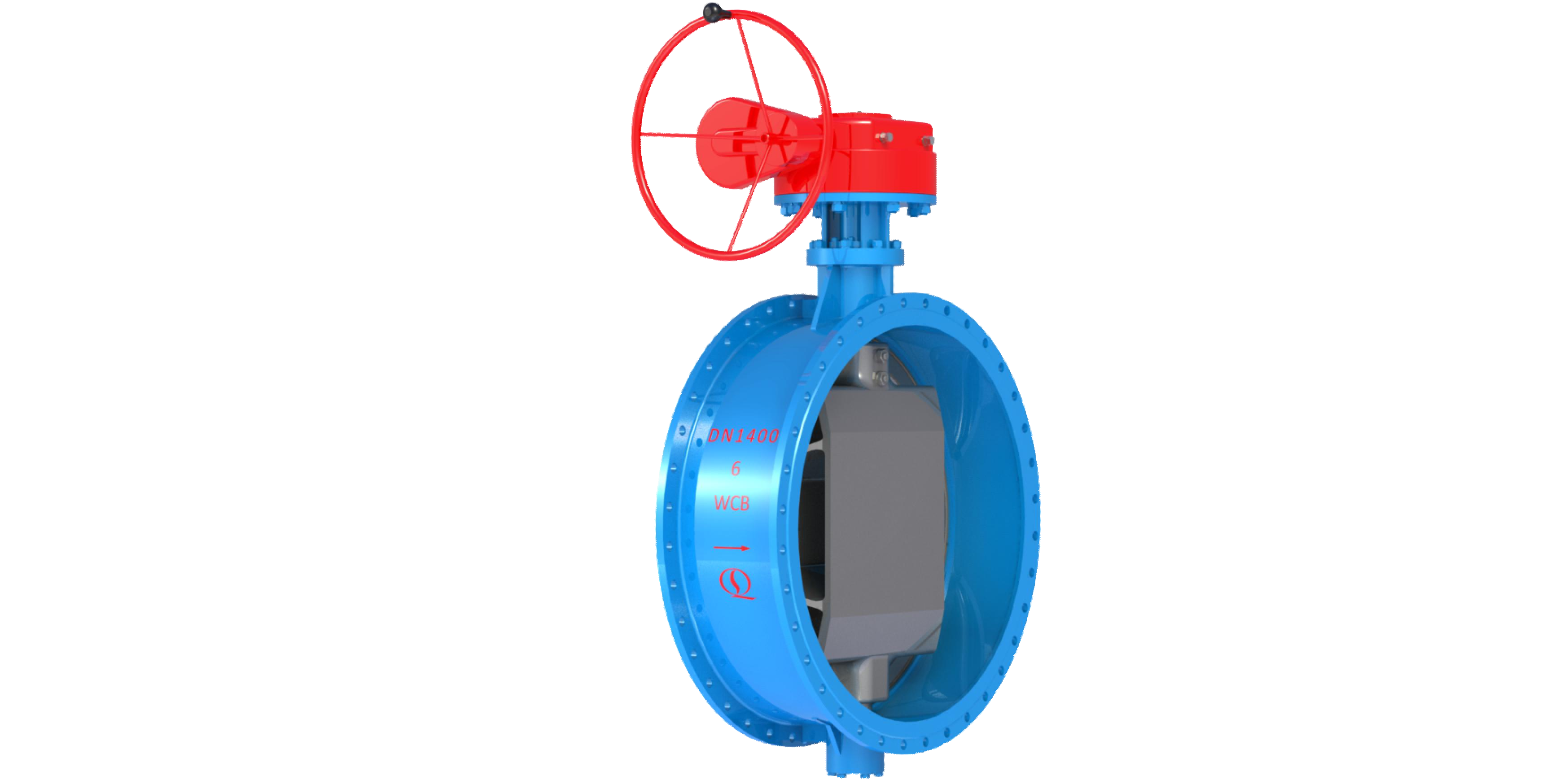
Bidirectional Metal Hard Sealed Seawater Butterfly Valve
Henan Quanshun Flow Control Science & Technology Co., Ltd.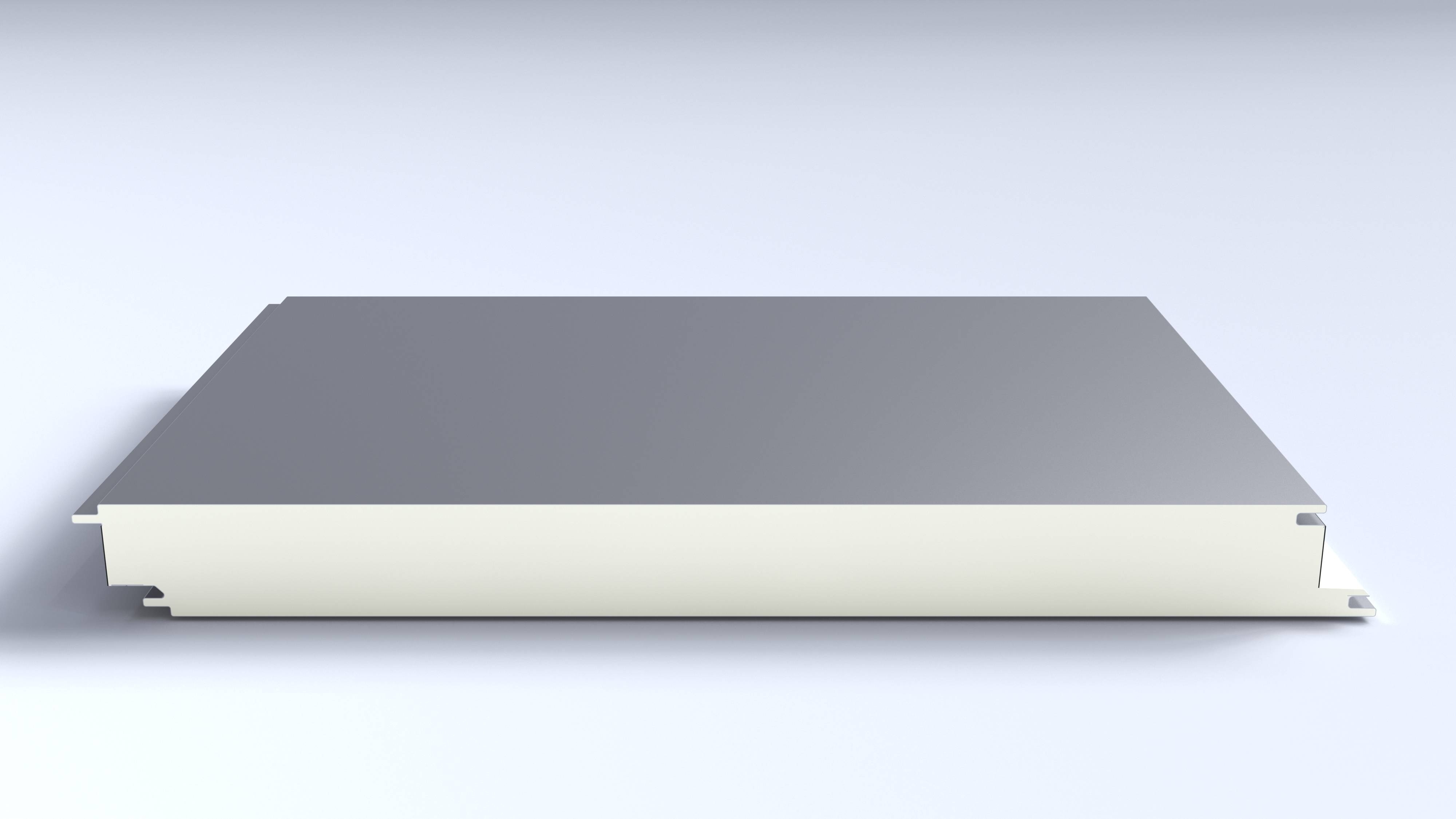
Pure Polyurethane Wall Panel BD-AEF-PIR-01
Baodu International Engineering Technology Co., Ltd.
Industrial and Commercial Point-Type Gas Detector
Jinan Benan Technology Development Co., Ltd.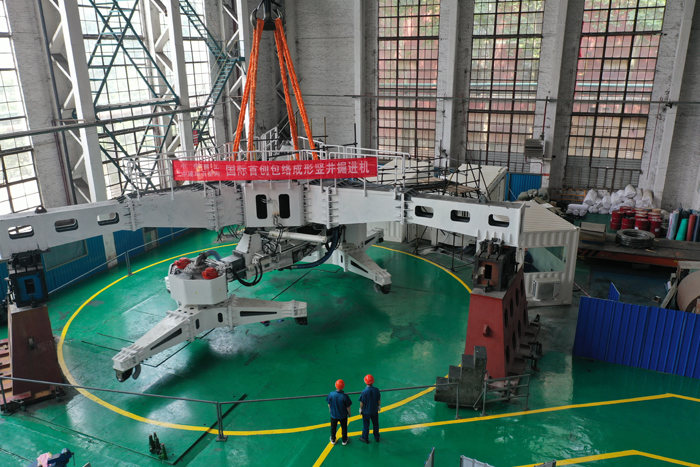
CITIC Heavy Industries Tunneling Equipment Tunnel Engineering Shield Machine
CITIC Heavy Industries Co., Ltd.
Ceiling light | led Ceiling Light | LED Indoor light | LED Ceiling lighting
Queendom Group Technology Co., Ltd.
High-toughness in-Situ Cold Recycling Technology for Original Structural Layers
Central Fortune Creation Technology Group Co., Ltd.