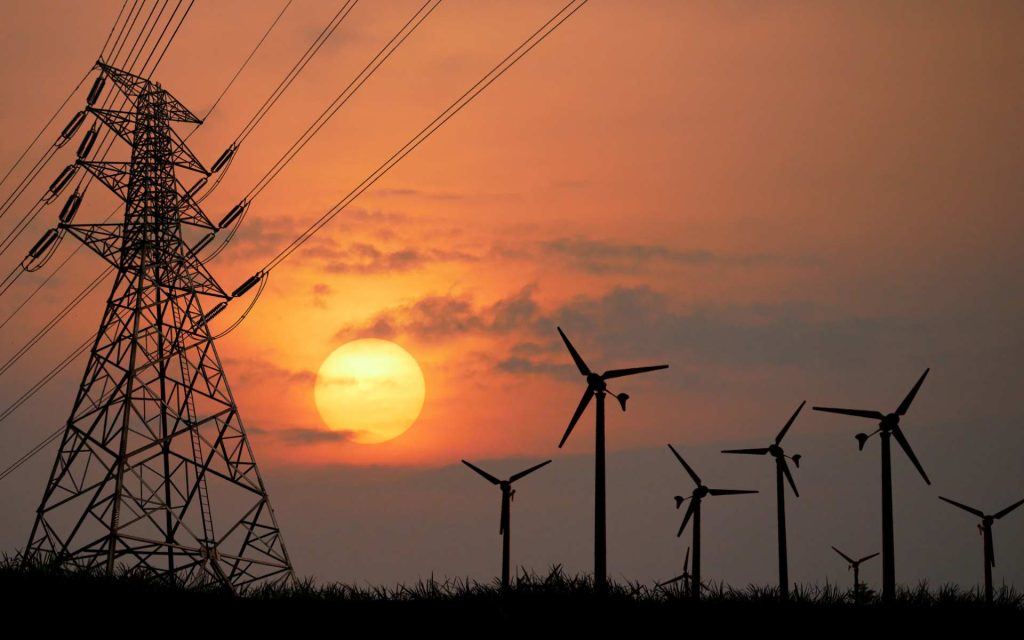
en.Wedoany.com Reported - ISA Energia Brasil's Piraquê transmission project, built with an investment of R$3.85 billion, has officially commenced operations. The project adds over 1,000 kilometers of transmission lines, capable of delivering 6 GW of capacity to the power system.
The Piraquê project connects northern Minas Gerais—one of Brazil's largest solar photovoltaic regions—to the Governador Valadares area, from where energy can be transmitted via other lines to major consumption centers in the Southeast. The project also includes a section in the state of Espírito Santo. Dayron Urrego, Executive Director of Projects at ISA Energia Brasil, stated that of the total 6 GW capacity, approximately 2 GW is already operational, with the remaining 4 GW expected to come from new projects in the region. He explained that the enterprise was proposed by the Energy Research Company (EPE), considering other interconnected projects, which helps channel existing generation, reduce constraints, and provide access for new power plants.
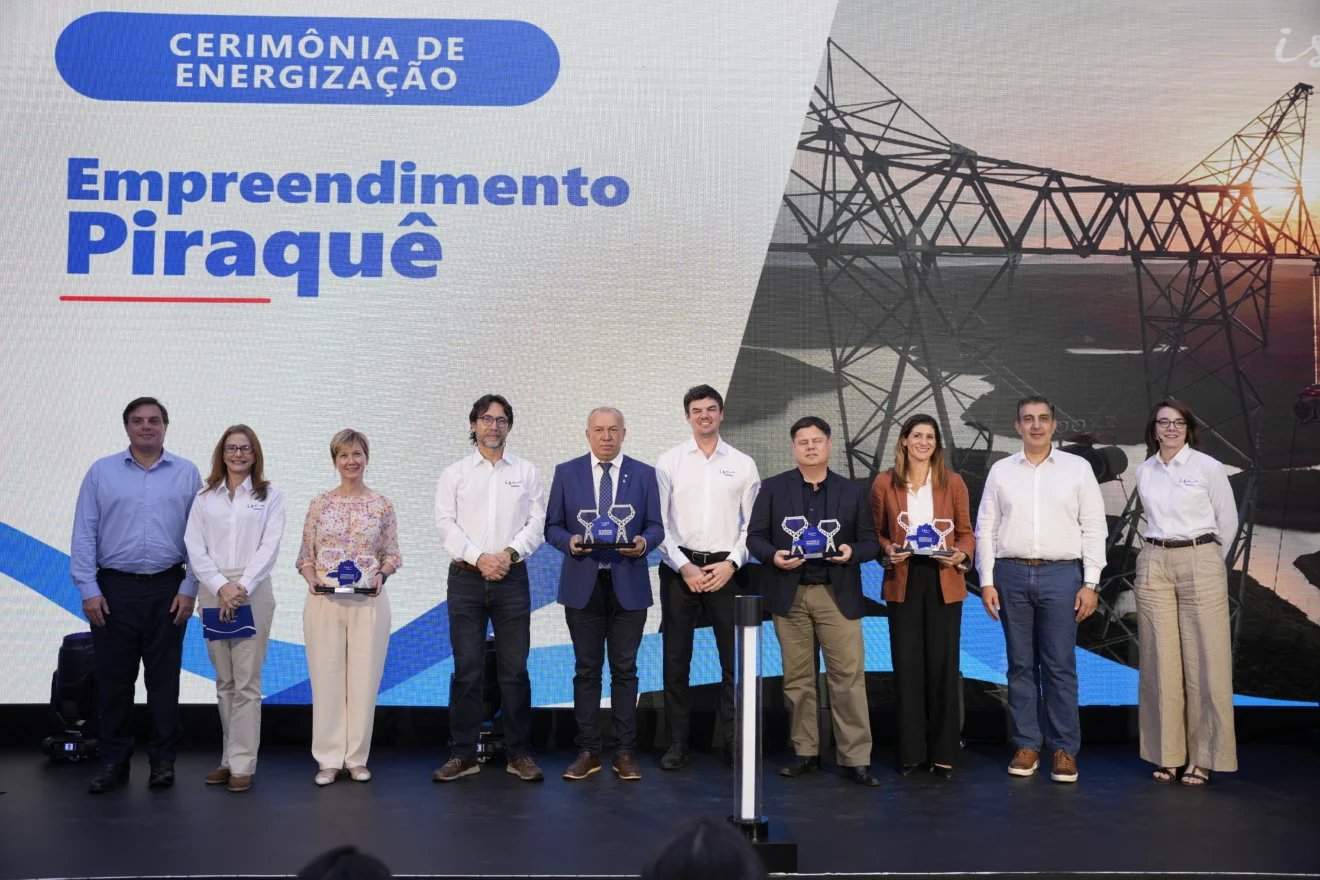
At the inauguration ceremony held in Janaúba on July 2, Mariana Espécie, Director of Energy Transition and Planning at the Ministry of Mines and Energy (MME), stated that the Piraquê project helps improve power supply reliability and supports the National Electric System Operator (ONS) in managing available resources, thereby reducing curtailment of renewable energy generation. She considered it reasonable that nearly 70% of the new transmission capacity is allocated to new energy sources, which align with Brazil's expectations for growth in its electricity mix. Espécie noted that energy demand is increasing with economic and population growth, and access to high-quality energy with reduced interruptions and curtailment meets the country's expectations.
The Piraquê project was the winning bid for Lot 3 of the 01/2022 transmission auction by the National Electric Energy Agency (Aneel), delivered 16 months ahead of the Aneel-mandated schedule. The project's Annual Permitted Revenue (RAP) is R$343.1 million (2025/2026 tariff cycle). The project includes the construction of 8 transmission lines, 7 of which are 500 kV and 1 is 345 kV, totaling approximately 1,000 kilometers, spanning the states of Minas Gerais and Espírito Santo. The works also include the construction of two new substations, Janaúba 6 and Capelinha 3, as well as the expansion of six existing substations: Jaíba, Janaúba 3, Governador Valadares 6, João Neiva 2, Viana, and Viana 2.
Bruno Isolani, Operations Director at ISA Energia Brasil, stated that this is the largest transmission project the company has ever implemented. The project employed technological innovations, such as using drones and lasers for tree and vegetation trimming within the right-of-way. Urrego explained that operators can use lasers to target treetops that need trimming, causing branches to fall through laser cutting. This innovation improves safety in vegetation management, reduces personnel risks, and enables line construction in steep or hard-to-reach areas. The project also utilizes transmission towers with cup-shaped tops, a design that reduces energy losses considering the regions the project traverses.
Urrego added that besides providing transmission access for the solar photovoltaic region, the Piraquê project is related to two other ISA Energia projects. The Serra Dourada project will span the state of Bahia, connecting its northern region to northern Minas Gerais, with over 1,100 kilometers of lines and an estimated investment of R$3.2 billion; construction has already begun. The Itatiaia project will start from the endpoint of Piraquê, strengthening transmission from Minas Gerais to Rio de Janeiro, with 522 kilometers of lines and an investment of R$2.7 billion; it has already obtained a preliminary license. Urrego described this series of projects as "a large renewable energy corridor."