Denmark's Port Esbjerg Eyes Energy Hub Gains as Offshore Wind Tenders Resume
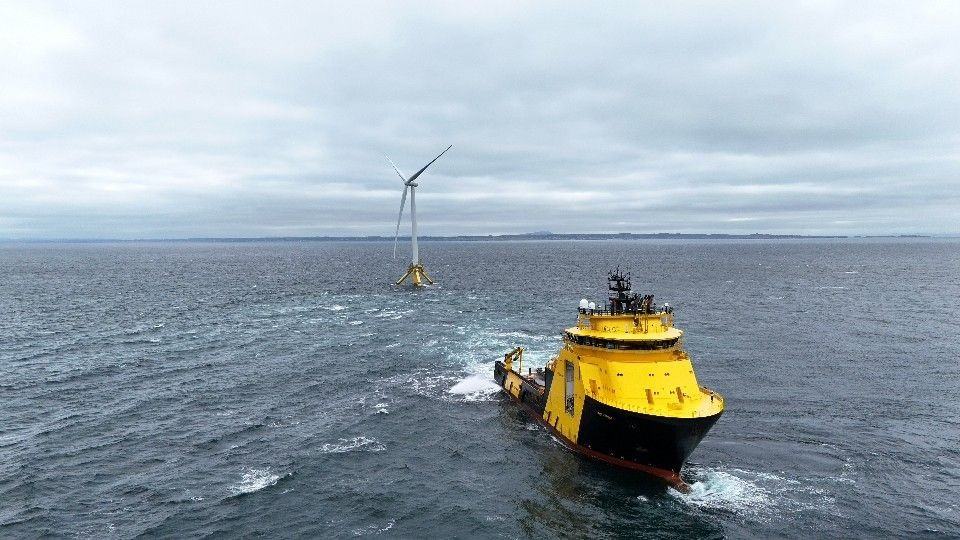
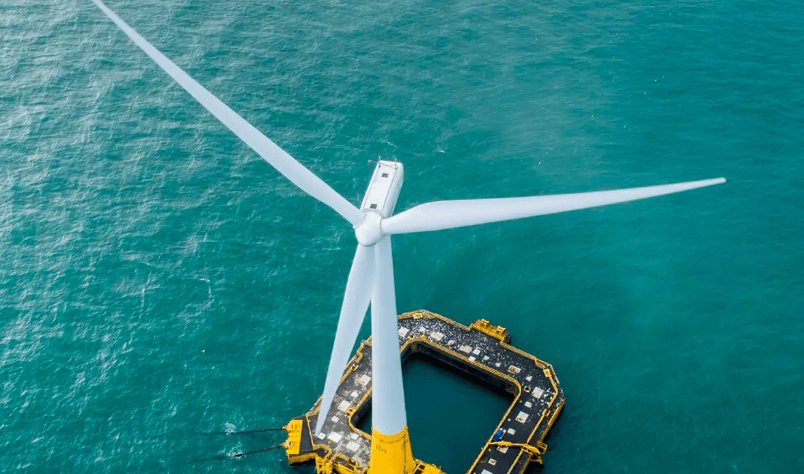
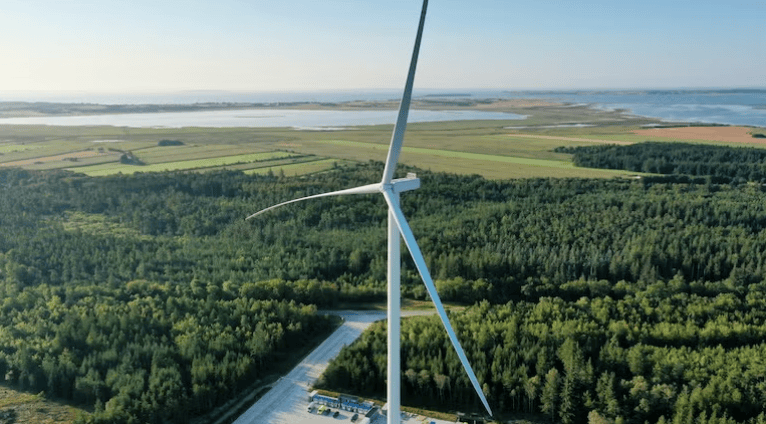
en.Wedoany.com Reported - Port Esbjerg in Denmark is preparing to play a broader role in the Nordic energy transition, with the offshore wind market, showing signs of recovery, once again in focus. After a failed tender in 2024, Denmark's offshore wind market is now seeing a turnaround as grid constraints push energy users closer to production sites.
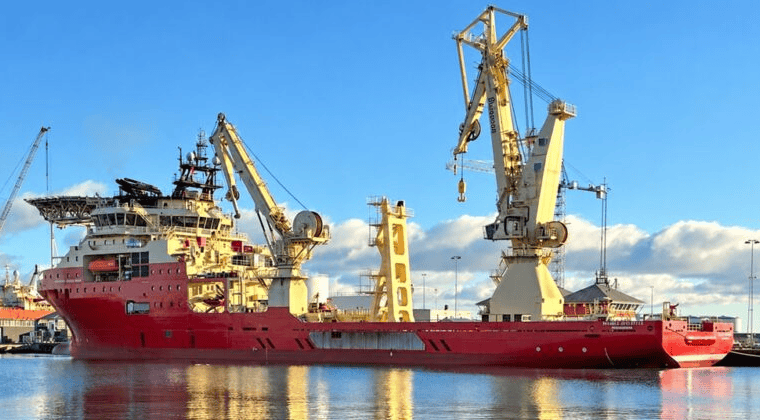
According to Brian Vad Mathiesen, a professor of energy planning at Aalborg University, Port Esbjerg's advantages lie in its geographical location, existing infrastructure, and proximity to North Sea wind resources and major electricity demand centers such as Germany, the Netherlands, and Belgium.
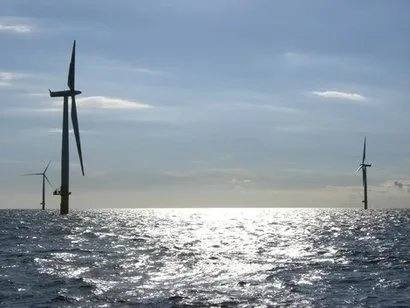
Denmark's offshore wind industry suffered a setback in December 2024 when the Danish Energy Agency received no bids for three offshore wind farms in the North Sea. Reuters reported that after the subsidy-free framework failed due to high costs, high interest rates, and supply chain pressures, Denmark suspended the tender to redesign the subsidy model.
In May 2026, revised offshore wind tenders for North Sea Central and Hesselø received bids, and the Danish Energy Agency is currently evaluating these offers.
"This is neither the first nor the last time we will see a failed tender," Mathiesen said. "Development is still in its early stages. The question is not whether we need more electricity, but when and how to achieve it." For Port Esbjerg, the issue is not just Denmark's own offshore wind pipeline. Mathiesen noted that the broader North Sea market may tender around 150 GW of offshore wind over the next 20 years, far exceeding Denmark's current offshore wind capacity of about 2.7 GW. Ports with heavy-lift, assembly, and energy infrastructure will become increasingly important.
Port Esbjerg's role may also be affected by Denmark's grid bottlenecks. Energinet has shifted to a new connection mechanism after temporarily suspending new grid connections, while reports indicate that major grid expansions take a long time. Mathiesen said Denmark can no longer treat the distance between electricity producers and users as irrelevant. If the green transition is not to become very expensive, the grid cannot continue to be expanded as if the distance between electricity producers and consumers does not matter.
This logic favors ports and industrial zones close to offshore wind landing points. If commercial and regulatory conditions are in place, hydrogen, carbon capture, data centers, and other high-power-consuming industries can all benefit from shorter supply lines.
The prospects for carbon capture and storage (CCS) and hydrogen still depend on policy support, market design, and carbon pricing. German Chancellor Friedrich Merz earlier this year questioned the EU Emissions Trading System, later clarifying that it remains the right tool but needs adjustments. For CCS, there is still no regular market for large-scale carbon capture and storage, and business cases largely depend on regulation, carbon prices, and public policy.
"There is no regular market for carbon capture, but it is important to remember that it is necessary if we are to achieve climate neutrality," Mathiesen said. For Port Esbjerg, this uncertainty poses risks for investors but also rewards locations that can adapt quickly. The port is betting that offshore wind, hydrogen, CCS, and large power users all need space, access, and infrastructure. "In Esbjerg, there is a greater possibility of being more flexible in responding to emerging opportunities," Mathiesen said.
Related Products



G.652.D Wavelength-extended Non-dispersion Shifted Single-mode Optical Fiber
HONGAN GROUP CO., LTD.
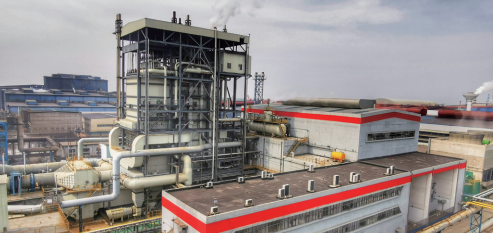
Jiujiang Pinggang 125MW Subcritical Gas Power Generation Project
Capital Engineering & Research Incorporation Limited
220kV and Below Voltage Level Energy-saving Oil-immersed Power Transformers
FuZhou TianYu Electric Co., Ltd.