en.Wedoany.com Reported - Solar power in Brazil has risen to become the second largest source of installed capacity in the country's electricity matrix, but the rapid growth of this large-scale distributed generation is posing new challenges to grid stability.
According to the latest data from the Brazilian Solar Photovoltaic Association (ABSOLAR), Brazil's solar installed capacity has exceeded 72 GW, including large-scale power plants and over 4.5 million distributed generation systems installed in residential homes, rural properties, businesses, and public buildings. Solar energy now accounts for approximately 23.5% of the national installed capacity, becoming a key player in the expansion of renewable energy.
The challenge stems from this expansion itself. Unlike hydroelectric plants, whose output can be regulated by system operators, millions of rooftop solar systems generate electricity continuously as long as there is solar radiation. The National Electric System Operator (ONS) cannot individually control this distributed generation, and sudden fluctuations in consumption complicate operations.
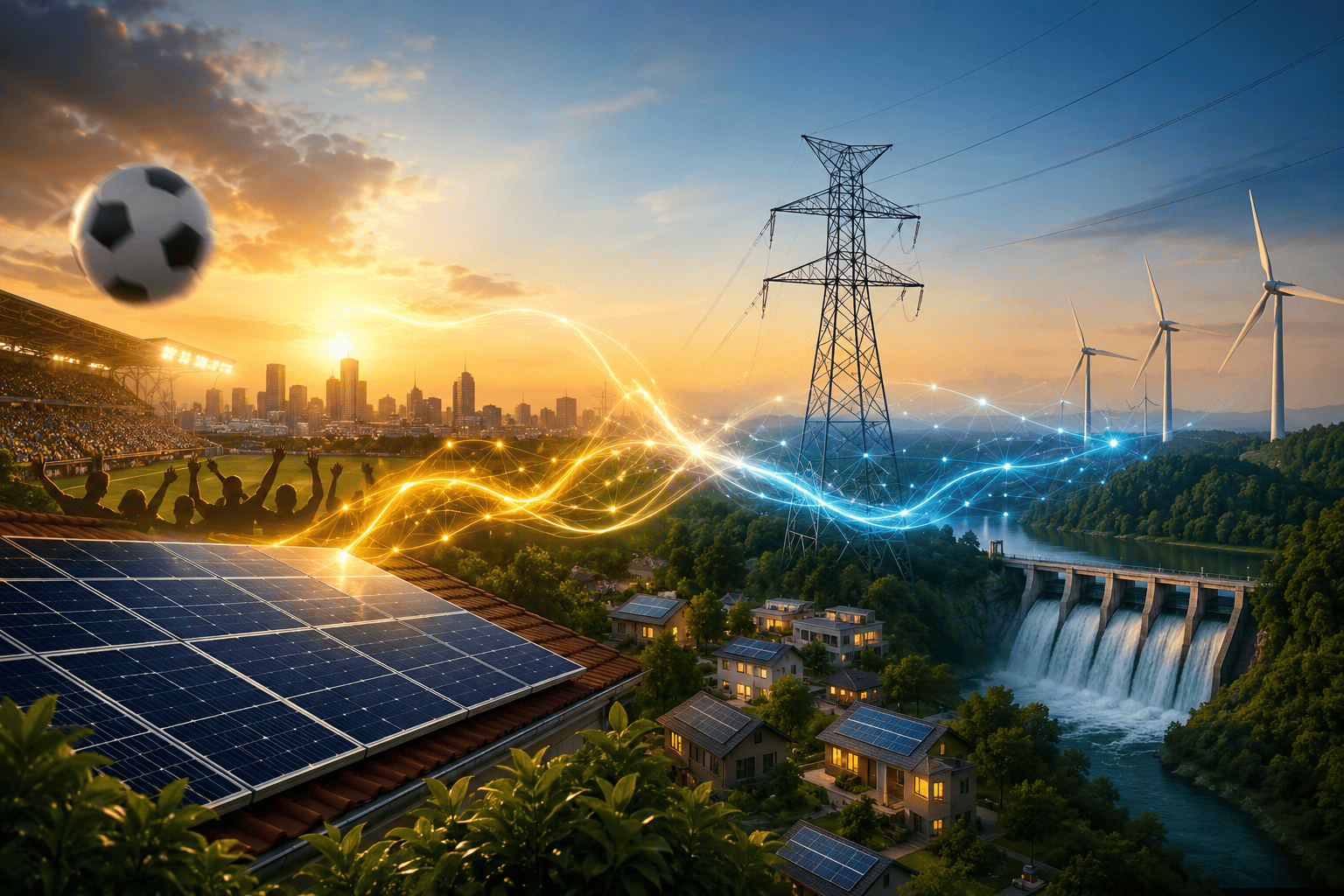
For example, during the 2026 World Cup, afternoon matches, especially those involving the Brazilian national team, saw millions of photovoltaic systems generating power under strong sunlight, while businesses, commercial, and industrial activities decreased as people watched the games, causing a sharp drop in national consumption and creating a supply-demand imbalance. Similar large-scale national events or sudden climate changes can also cause significant demand variations. When load drops rapidly while solar generation remains high, the system must reduce output from other sources or, in extreme cases, temporarily restrict solar and wind farm generation connected to the National Interconnected System.
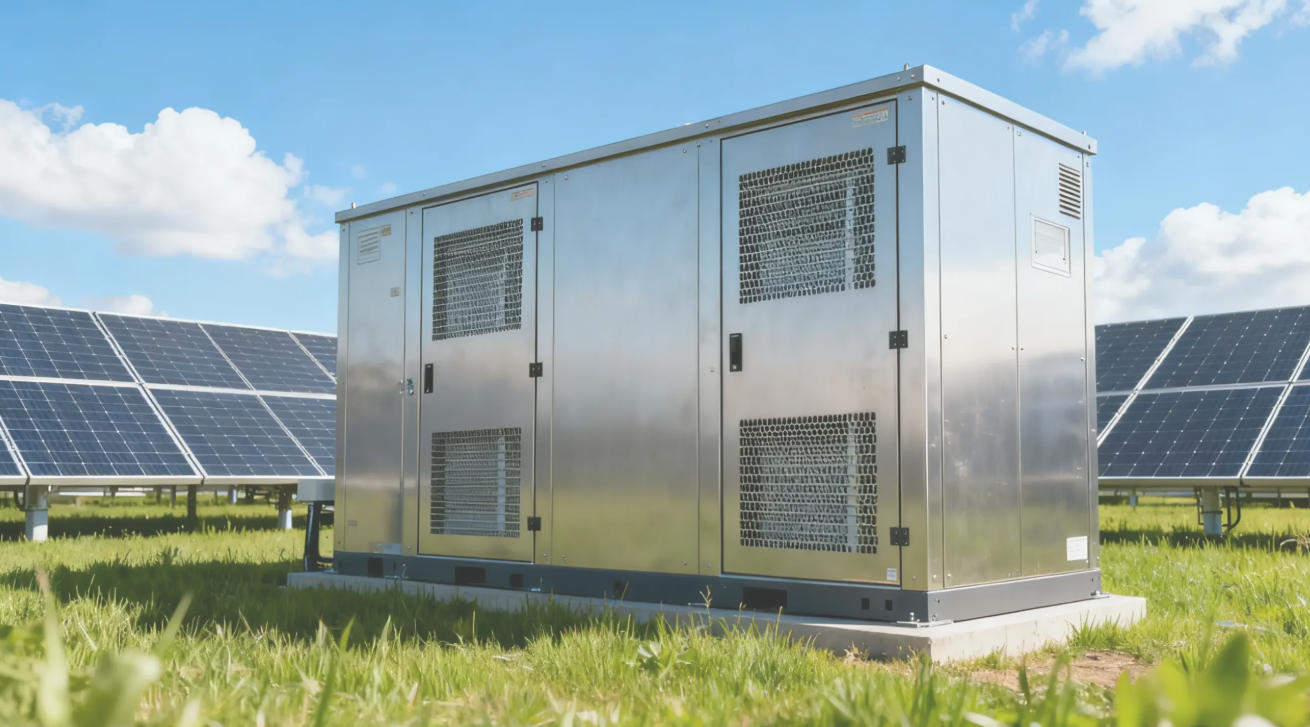
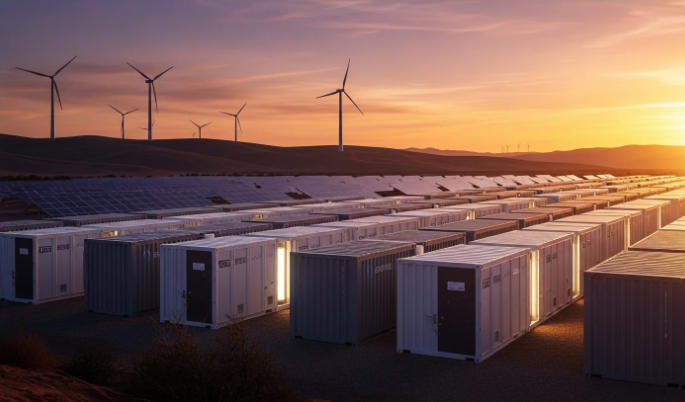
Experts point out that this phenomenon is not a problem with solar energy itself, but a signal that Brazil's power infrastructure needs modernization. Countries with high shares of renewable energy are actively investing in battery storage, grid digitalization, intelligent control systems, and mechanisms for flexible consumption regulation. The growth of distributed generation in Brazil has further intensified this need, as the power system transitions from a centralized model dominated by large hydroelectric plants to a structural shift where millions of consumers simultaneously become energy producers.
Despite operational challenges, the overall impact of solar expansion is positive, including reducing greenhouse gas emissions, attracting hundreds of billions of reais in investment, creating millions of jobs, and diversifying an already one of the world's cleanest electricity matrices. The current debate is no longer about expanding solar power, but about building a sufficiently modern, intelligent, and flexible grid to keep pace with this source's continued growth in the coming years. Experience during the World Cup indicates that Brazil's energy transition has entered a new phase, and developing a power system capable of safely, efficiently, and reliably managing this new reality has become the next task.