Wizz Air Adds 19 New Routes in Poland, Slovakia, and Czech Republic
en.Wedoany.com Reported - Wizz Air is planning a major network expansion in Central and Eastern Europe, launching 19 new routes across Poland, Slovakia, and the Czech Republic to meet growing demand for affordable direct access to leisure destinations. British aviation analyst Sean M highlighted on social media that the core of this expansion is a strong push into Egypt and Morocco, alongside targeted additions to Western Europe and the Caucasus region.
This network update marks the airline's shift toward year-round holiday hotspots, lowering the barrier for travelers to reach North African beaches or Alpine ski slopes from Europe's colder regions. Poland is the main driver of this growth, gaining 15 new routes, while key winter bases in Bratislava and Prague cover the remainder. Wizz Air is distributing routes across multiple regional gateway airports, including Gdańsk Lech Wałęsa Airport (GDN), Katowice Airport (KTW), Wrocław Copernicus Airport (WRO), and Kraków John Paul II International Airport (KRK), rather than relying solely on traditional capital hubs like Warsaw Chopin Airport (WAW).
A notable feature of this 19-route expansion is Wizz Air's commitment to winter warmth, particularly targeting the coasts of Egypt and Morocco. Travelers from Polish regional bases will gain access to the diving reefs of Marsa Alam International Airport (RMF) and Sharm El Sheikh International Airport (SSH), as well as the resort hub of Hurghada International Airport (HRG). Bratislava's M. R. Štefánik Airport (BTS) will become a key gateway for North African travel, with twice-weekly flights to Hurghada and Morocco's Agadir–Al Massira Airport (AGA) starting from late October. This strategy directly challenges a market previously dominated by expensive all-inclusive package holidays by offering flexible, low-cost scheduled flights.
By locking in twice-weekly frequencies on major sun routes, Wizz Air allows holidaymakers to customize trip lengths rather than being tied to rigid one-week tour periods. The airline's expanding network recently set a record of 1,200 flights in a single day of operations. Wizz Air Chief Operating Officer Diarmuid O’Conghaile stated that operating 1,200 flights in a single day is a proud moment for Wizz Air, driven by a growing fleet of 267 advanced aircraft, an expanding network, and most importantly, strong demand as passengers continue to choose Wizz Air for affordable and reliable travel.
Wizz Air has also introduced routes targeting niche segments of the winter tourism market, especially ski enthusiasts. Italy's Turin Airport (TRN) has gained new routes from Gdańsk, Katowice, and Wrocław, along with a weekly flight from Prague Václav Havel Airport (PRG). Situated at the foot of the Alps, Turin provides a low-cost entry point for skiers heading to Italian resorts.
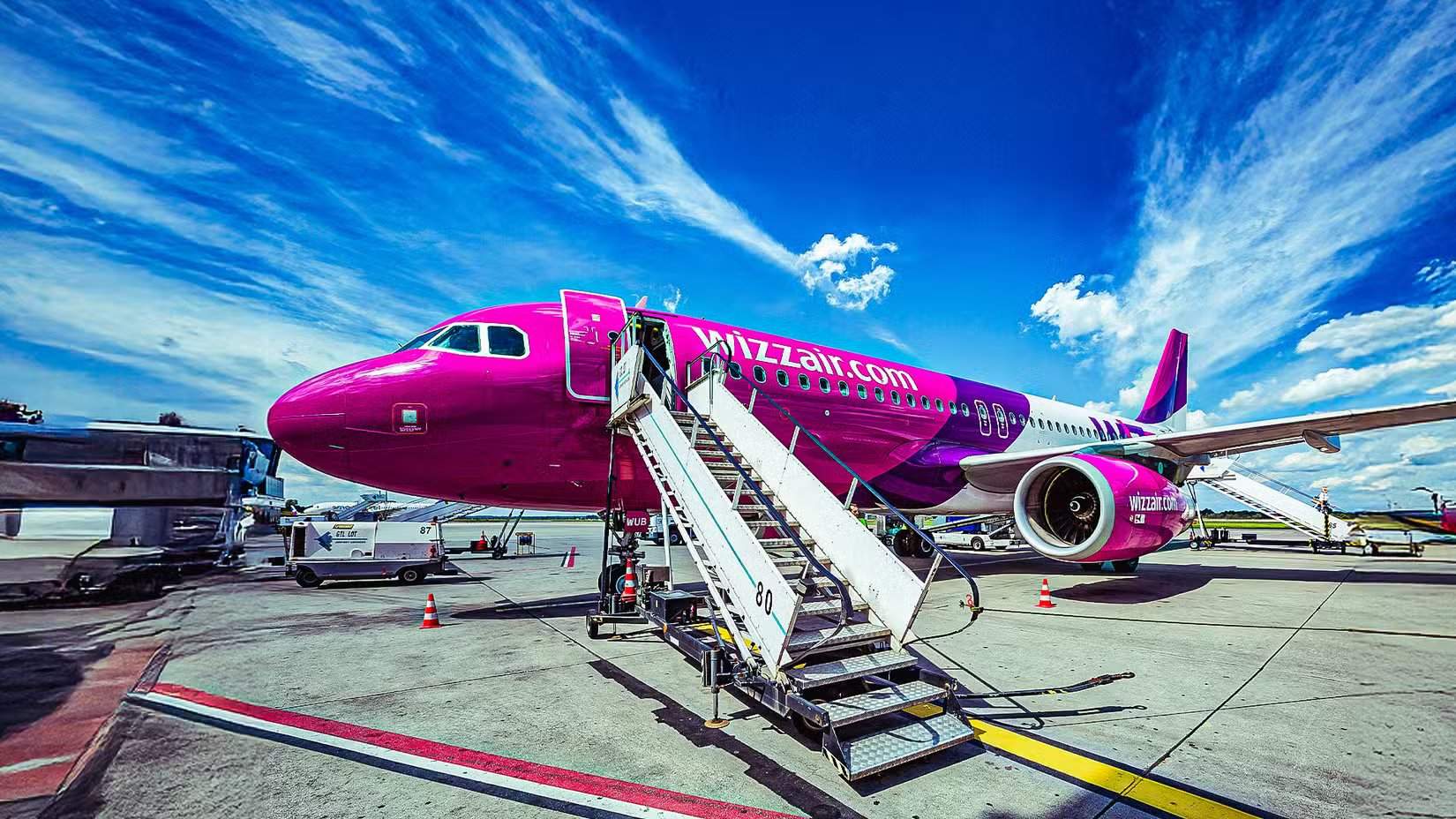
The airline is expanding further east, launching twice-weekly flights between Bratislava and Baku's Heydar Aliyev International Airport (GYD) in Azerbaijan. This route connects Central Europe with the Caucasus and the Middle East, offering a cultural alternative to typical European city breaks. Additionally, Wizz Air has introduced a new route between Warsaw and Lyon–Saint-Exupéry Airport (LYS), Lyon being France's gastronomic capital and a gateway to the French Alps.
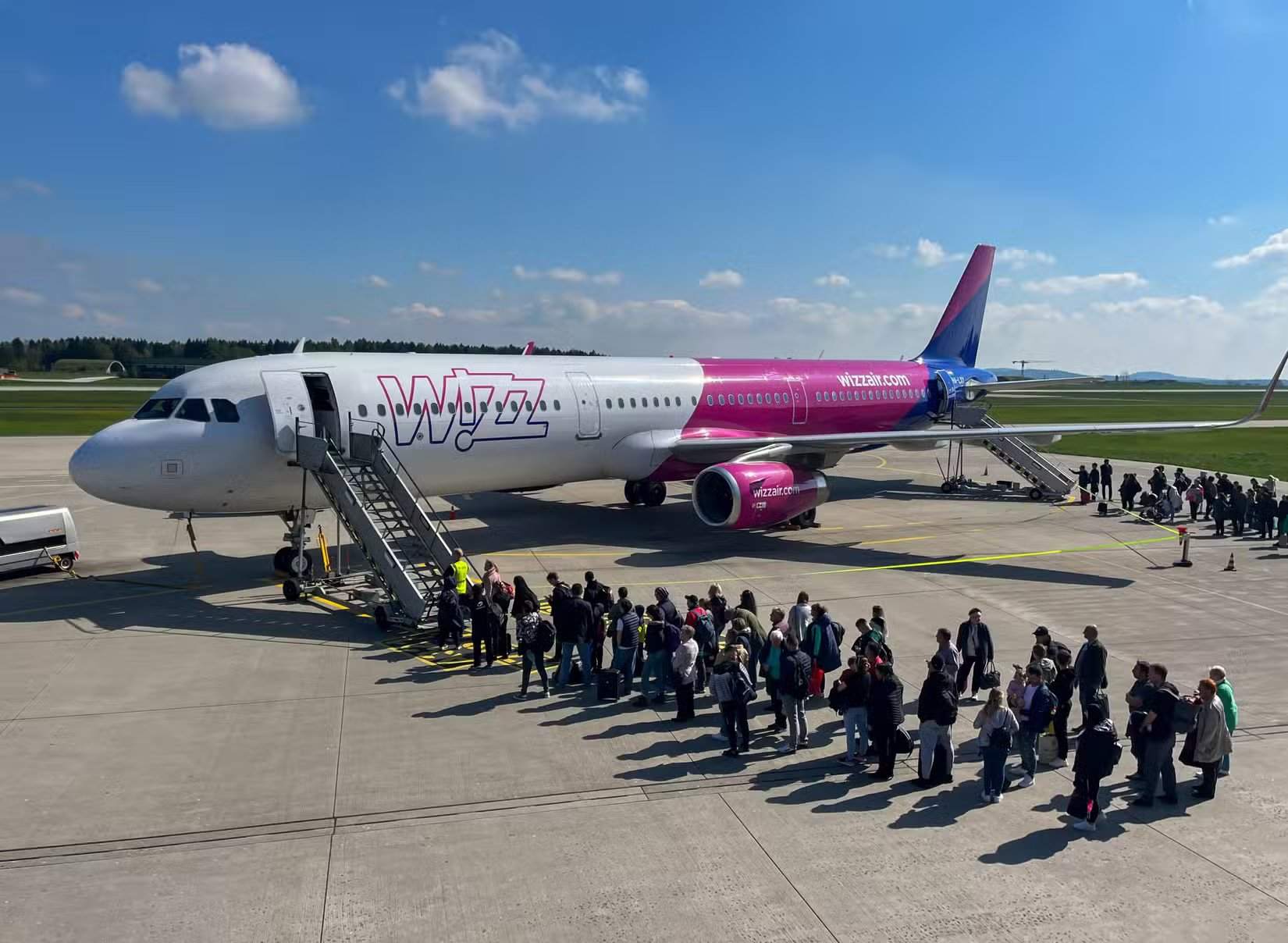
A closer look at the route distribution reveals an operational strategy: Wizz Air deliberately avoids congested major hubs, instead leveraging underutilized regional airports. This strategy is backed by significant scale: the airline currently holds a 25.3% market share in Central and Eastern Europe, with its operating network recently reaching a milestone of 1,000 active routes. Airports like Katowice and Gdańsk are being transformed into leisure gateways, each gaining four new routes. Warsaw Modlin Airport (WMI) is also receiving a route boost, indicating the airline sees substantial outbound travel potential in Poland's secondary cities.
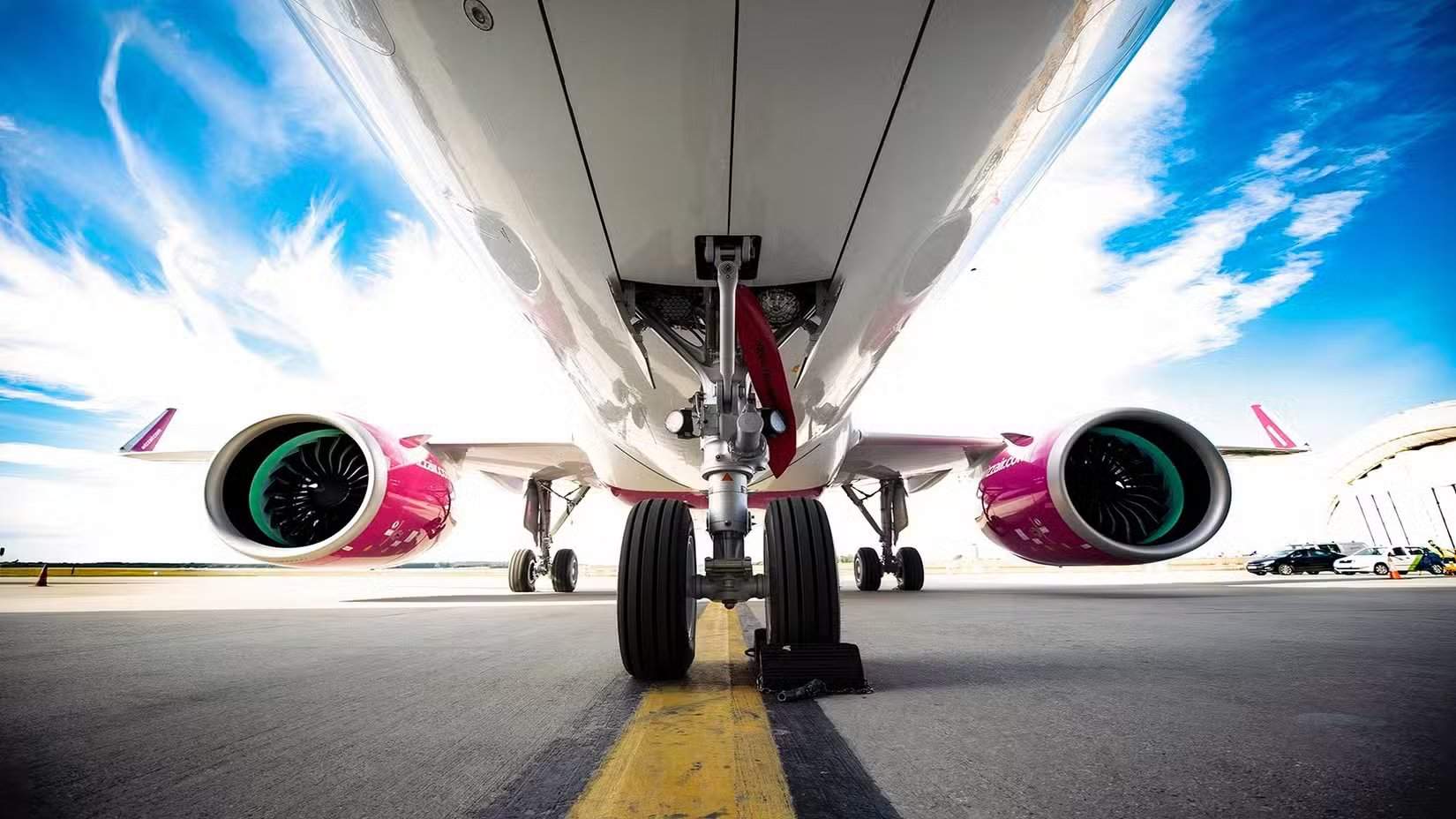
By avoiding congestion in major capitals, Wizz Air can sustain its ultra-low-cost model. This regional focus reduces operational overhead for a fleet that has expanded to 267 aircraft, while stimulating local economies by transforming regional airports into international transit points. The airline aims to carry 80 million passengers across its network. The addition of these 19 routes underscores Wizz Air's strategy of aggressively expanding where demand is high, keeping costs low, and ensuring no geographic area is left behind.
Related Products



ERW Welded Pipe (Black Pipe and Hot-dip Galvanized Steel Pipe)
Handan Zhengda Steel Pipe Co., Ltd.


3m intelligent buoy combining navigation safety and real-time marine monitoring integrated navigation and marine monitoring system for real-time maritime data
Chengdu Dixin Technology Co., Ltd.

Industrial and Commercial Point-Type Gas Detector
Jinan Benan Technology Development Co., Ltd.


ZY(J)7(M) Sealed Type Electro-Hydraulic Turnout Machine
TAIYUAN CR JINGFENG EQUIPMENT TECHNOLOGY CO., LTD.