Canada's Far North Critical Minerals Stranded by Lack of Roads, Sheltering Hundreds of Billions of Dollars in Projects
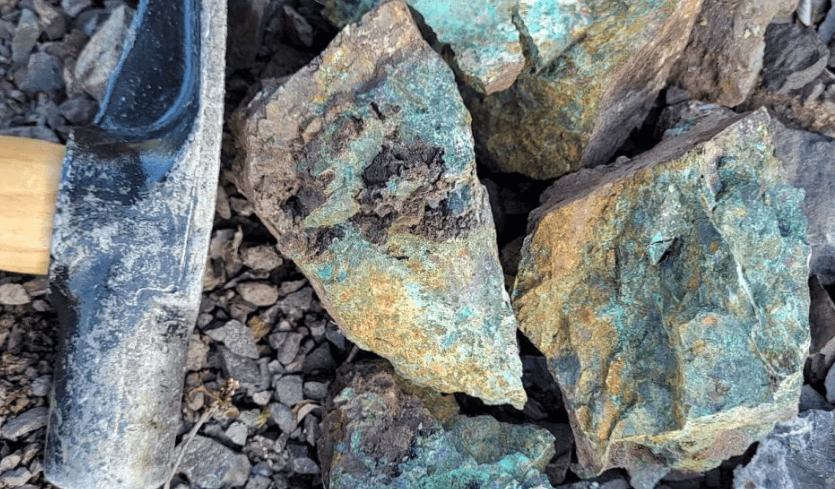
en.Wedoany.com Reported - Canada's far north is home to world-class deposits of uranium, nickel, copper, rare earths, zinc, and other critical minerals, but the vast majority of these mineral reserves remain undeveloped due to a lack of roads. This infrastructure bottleneck is emerging as a core strategic challenge for Canada in an era of surging resource demand.
In Nunavut, MMG's Izok Corridor project holds 29 million tonnes of ore grading 8.6% zinc and 2.4% copper, yet it is 350 kilometers from the nearest permanent road. Glencore's Hackett River silver-zinc deposit, Fireweed Metals' Mactung tungsten project, the Kiggavik uranium deposit controlled by Orano, Denison, and UEC, as well as the rich rare earth resources at Nechalacho and Strange Lake, are similarly stalled due to inaccessibility. These projects represent hundreds of billions of dollars in mineral value but cannot be converted into actual supply.
Canada has long underinvested in northern infrastructure, treating each mining project as an isolated business proposal rather than part of a national strategy. The Grays Bay Road and Port project is one of the few corridor facilities breaking this mold, designed to serve multiple deposits and strengthen sovereign presence. However, partially funded by Canadian public investment, the project may in the short term benefit the Chinese-owned company MMG more than it builds a Canadian domestic supply chain.
In western Canada, resource development and regulatory adjustments also face challenges. British Columbia's mining industry is trying to understand the impact of the Declaration on the Rights of Indigenous Peoples Act on project approvals, where signals are crucial for capital. Meanwhile, BHP's potash revitalization project in Saskatchewan reflects that Canada has yet to perfect the institutions, infrastructure, or policy frameworks needed to leverage its mineral wealth at scale.
The energy transition and artificial intelligence construction are driving up metal demand, while the nuclear renaissance has pushed uranium back to the top of the strategic agenda. Rare earths are listed as national security priorities in Washington, Brussels, and Tokyo. Canada has the resources but lacks the institutions, infrastructure, and policy frameworks to access them. With one world-class deposit shelved each year due to missing infrastructure, Canada continues to be absent from the global competition for critical minerals. The question is no longer whether Canada can afford the cost of building northern infrastructure, but whether it can afford the cost of not building it.
Related Products

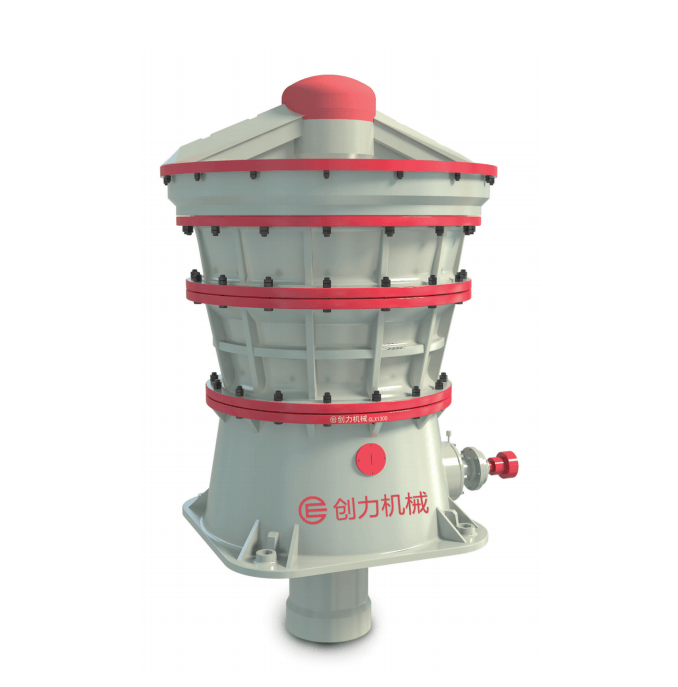
CLX Series Intelligent Hydraulic Gyratory Crusher
Guangdong CHUANGLI intelligent machinery Equipment Co., LTD

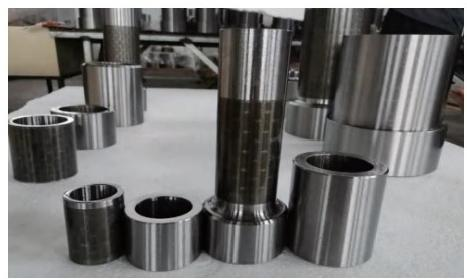
High-temperature Equal Wall Thickness High-power Screw Drilling Tool
Orient Energy & Technologies Co., Ltd.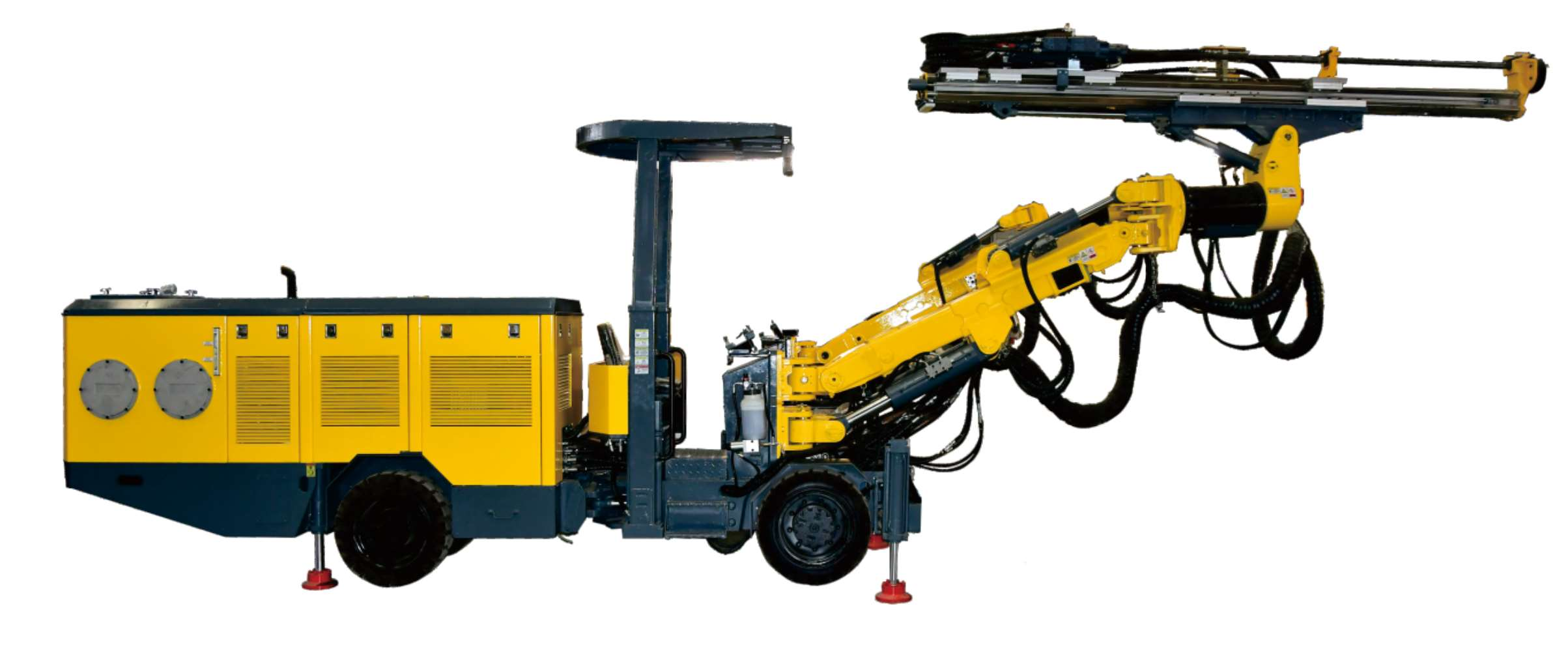
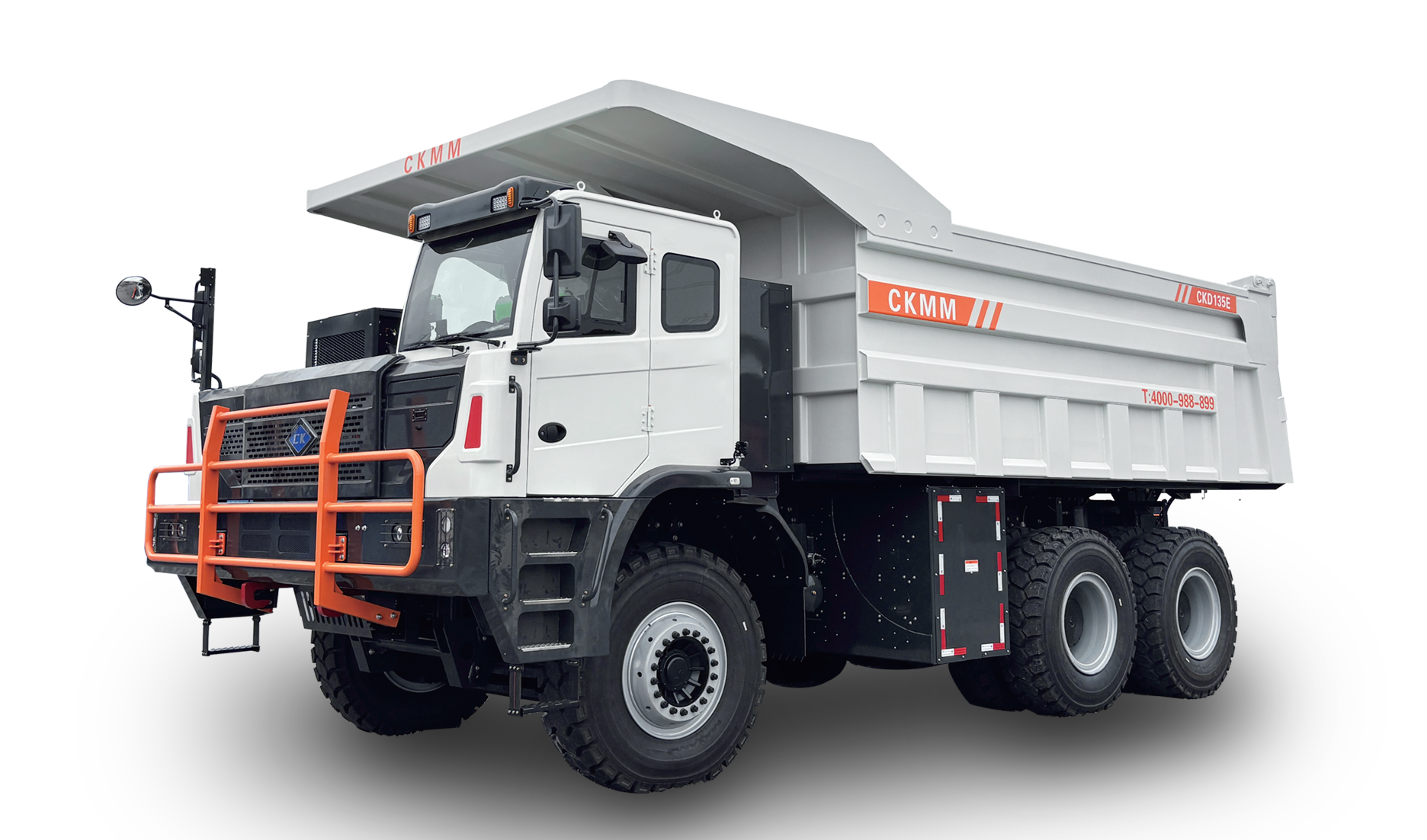
CKD135E Pure Electric Wide-body Dump Truck
Jiangsu Changkuang Engineering Machinery Co. Ltd.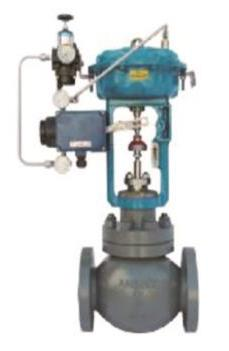
Quick-Change Single-Seat Control Valve / Quick-Change High-Pressure Single-Seat Control Valve
Beijing Consen Automation Technology Co., Ltd.
Mine Explosion-proof and Intrinsically Safe Industrial Ethernet Ring Network (10 Gigabit/Gigabit)
Chongqing Mas Sci&Tech Co., Ltd.