United Airlines 787-9 First to Deploy Cloud-Connected Inflight Entertainment System
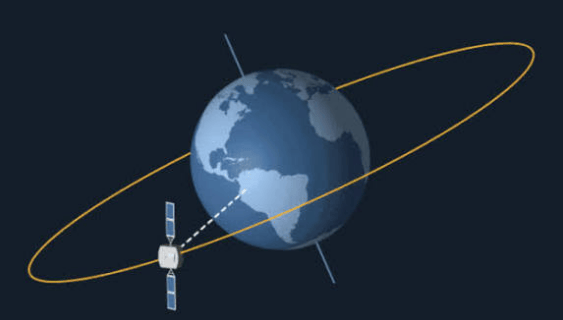
en.Wedoany.com Reported - United Airlines has deployed a cloud-connected inflight entertainment system on its Boeing 787-9 aircraft, migrating the media server to the cloud for the first time, transforming the traditional model that relies on local servers. The airline's Polaris Studio suites integrate SpaceX's Starlink satellite network and Panasonic's Astrova platform to stream, verify, and update content directly from the cloud, eliminating the need for manual data uploads during ground maintenance cycles. Traditional widebody entertainment systems depend on massive servers in the electronics bay, making content updates slow and costly; the new system turns the aircraft into a node in a larger cloud network, allowing passengers to access user profiles, display real-time application data, and dynamically show personalized entertainment options on seatback screens.
Eliminating or significantly reducing centralized server racks, cables, and local media storage infrastructure can reduce total weight by hundreds of pounds. By adopting modular, cloud-connected components, United Airlines has lowered fuel consumption and simplified maintenance processes for its widebody fleet. The system relies on edge caching technology, partnering with companies like Axinom and Anuvu to store high-demand media files in local solid-state storage buffers before takeoff, while using low-latency satellite links for real-time software verification, media authorization, and application updates. United operates the world's longest flights, and removing heavy central computer cores, large power supply units, and miles of heavy copper cables directly reduces fuel consumption on long-haul routes, which is especially critical amid soaring aviation fuel prices.
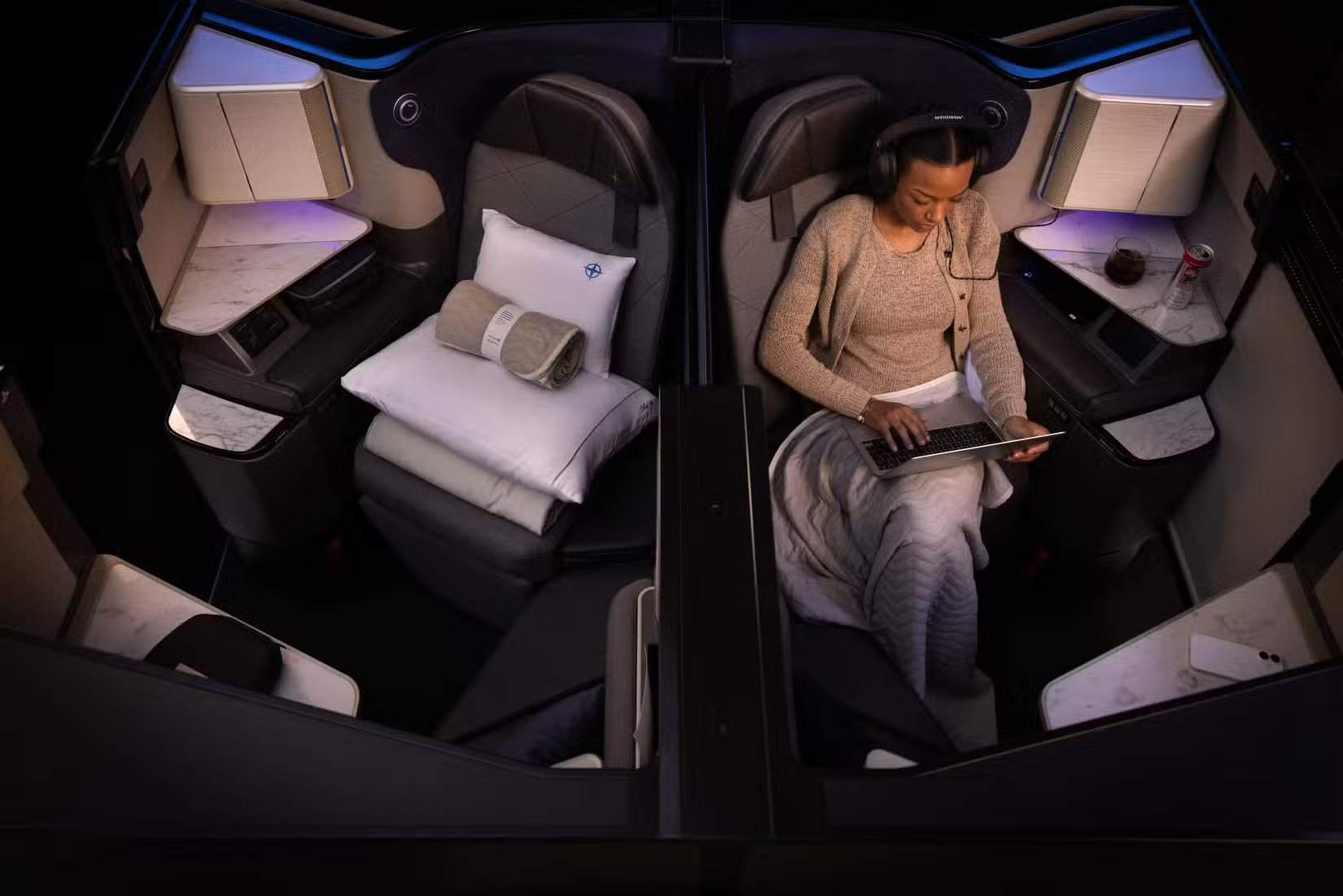
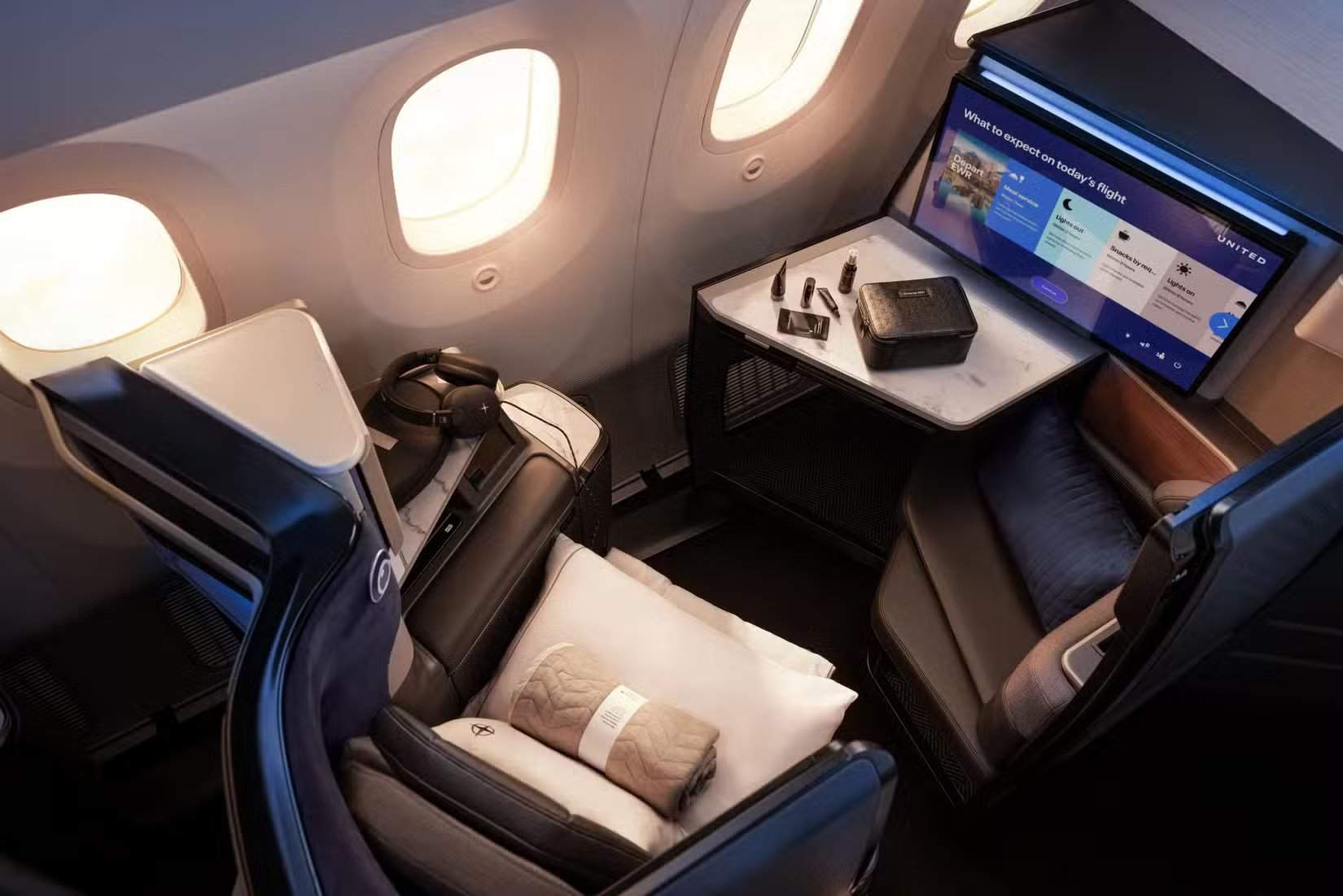
The Polaris Studio suite debuts on the upgraded 787-9 aircraft, offering 25% more space per suite compared to standard business class cabins. The centerpiece of the suite is a 27-inch (68.6 cm) 4K OLED touchscreen, featuring high-fidelity 3D spatial audio, wireless Bluetooth pairing, and up to 100 watts of DC USB-C power. Passengers booking these front-row suites can enjoy caviar service, premium champagne, and customized dining menus, along with an integrated companion ottoman with an independent seatbelt. Shifting to an application-driven cloud model enables United to deploy security fixes, interface updates, and fresh media catalogs simultaneously across its global fleet within minutes. The Panasonic Astrova system uses a modular configuration, allowing individual components (such as a damaged screen bezel, Bluetooth module, or power strip) to be replaced independently at the gate, reducing long-term troubleshooting costs by up to 60%.
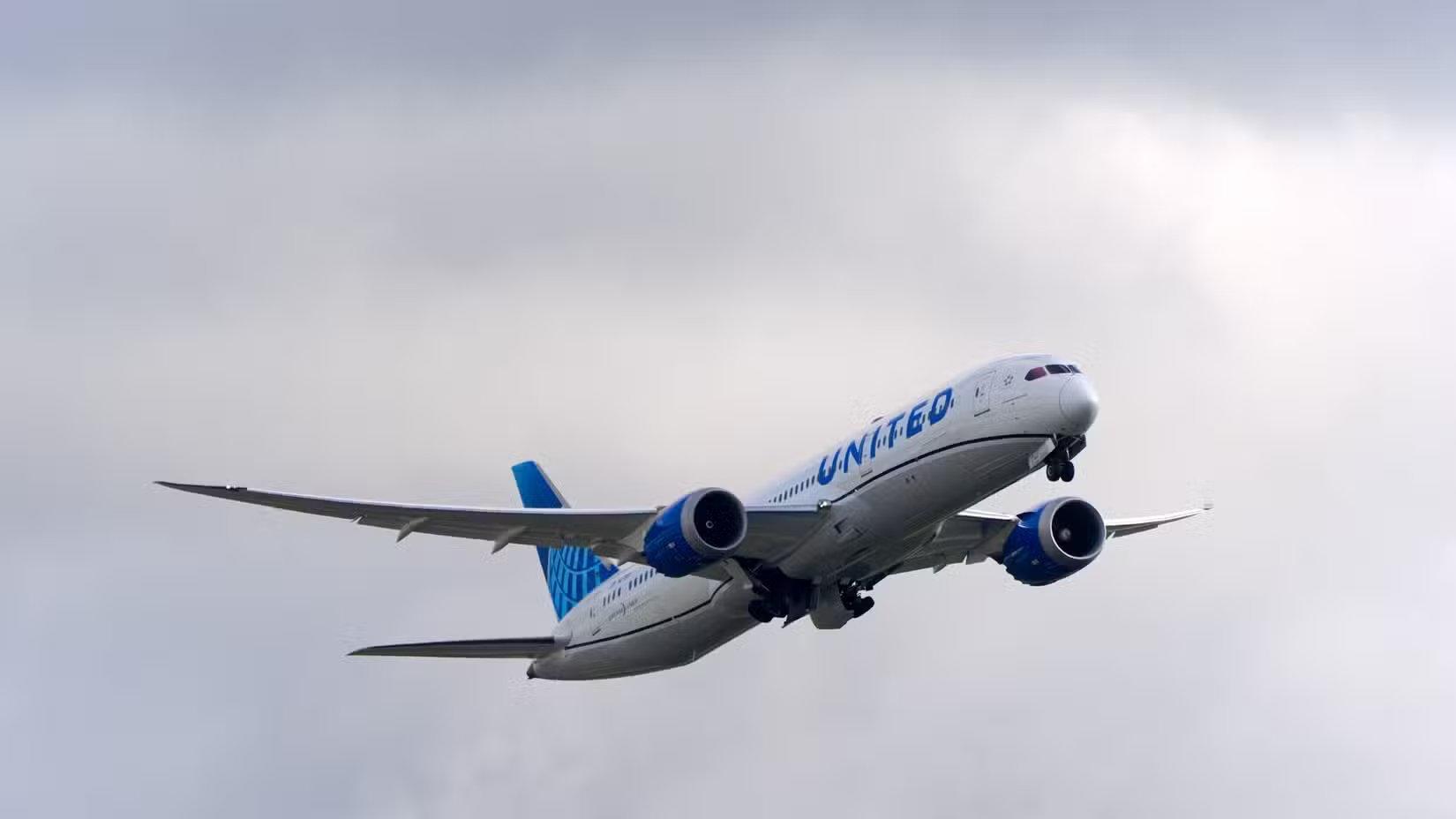
In June 2026, United was forced to remove the first upgraded 787-9 (registration N61101) from commercial service due to persistent technical issues that led to multiple flight cancellations from Singapore and London Heathrow. The aircraft underwent four empty repositioning flights back to San Francisco before being sent to Boeing's maintenance facility in Moses Lake, Washington, for system disassembly. During the rollout of the Polaris Studio suites, the Federal Aviation Administration had not yet completed safety certification for the sliding privacy door emergency exits, forcing United to mechanically lock each suite's door in the open position on the initial international flights. A significant portion of United's long-haul widebody fleet still relies on older satellite systems from Panasonic Avionics, and on dense transpacific routes, the legacy Panasonic satellite network often reaches total bandwidth saturation during peak flight hours, reducing internet speeds to zero.
Related Products

Conveyor Belt Intelligent Monitoring System
LUO YANG WIRE ROPE INSPECTION TECHNOLOGY CO., LTD.
20 Inch 1600*900 Full HD 60Hz TFT LED Monitor with VGA and DP Interfaces for Desktop Computers-Business Use
Guangzhou Zanying Optoelectronics Technology Co., Ltd.

GYTA Type Non-Self-Supporting Aerial/Duct Optical Cable
TONGDING INTERCONNECTION INFORMATION CO., LTD.

Automatic Aiming Laser Remote Obstacle Removal Robot
Pinggao Group Weihai High-Voltage Apparatus Co., Ltd.