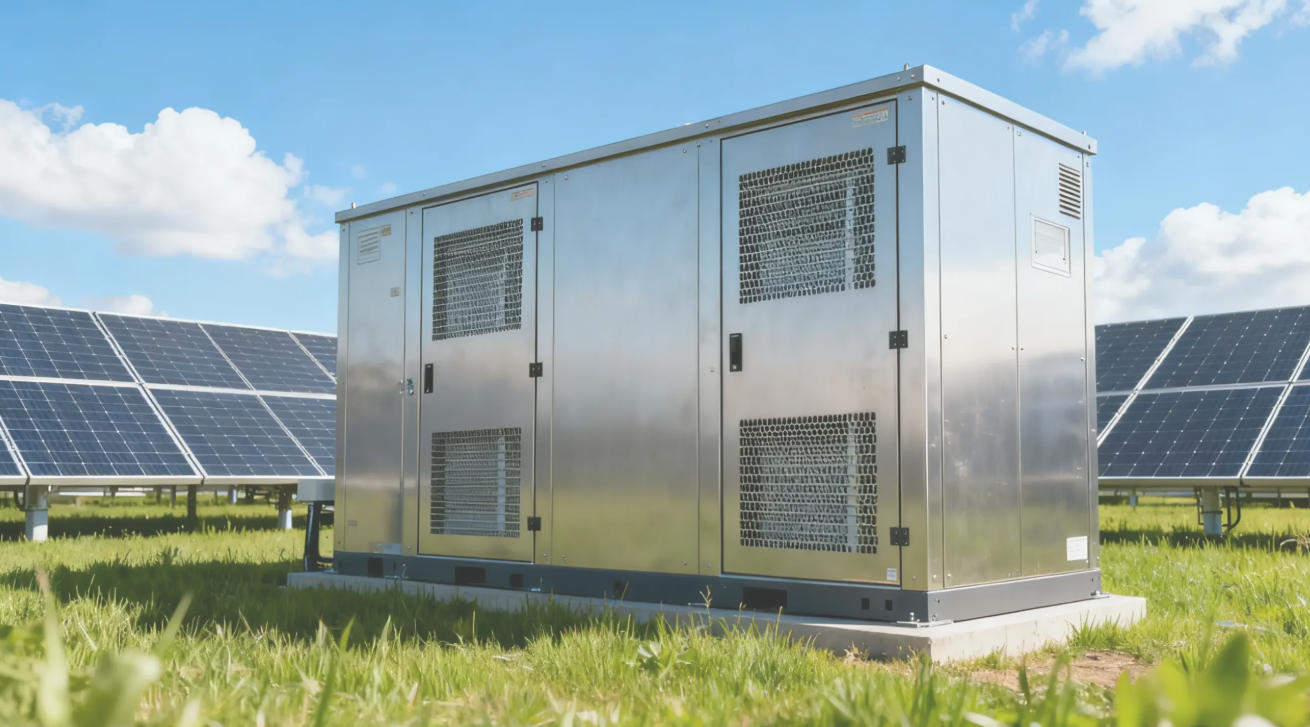
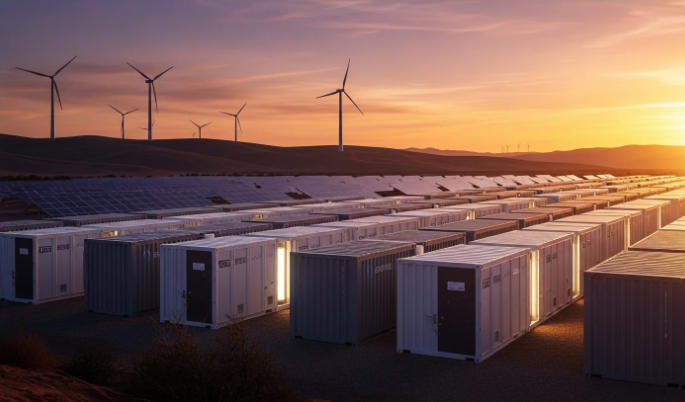
en.Wedoany.com Reported - Cuba has commissioned a 50 MW battery energy storage system at the Cotorro substation in Havana, the first such facility to be put into operation on the island nation. According to local official media reports, engineer Ismael Ulloa Rodriguez stated that the storage system has completed tests under actual operating conditions of the National Electric System (SEN), including scenarios involving the shutdown of the Antonio Guiteras thermal power plant and high-voltage transmission line faults. During the tests, the system automatically responded to supply or absorb power, aiming to maintain grid frequency stability.
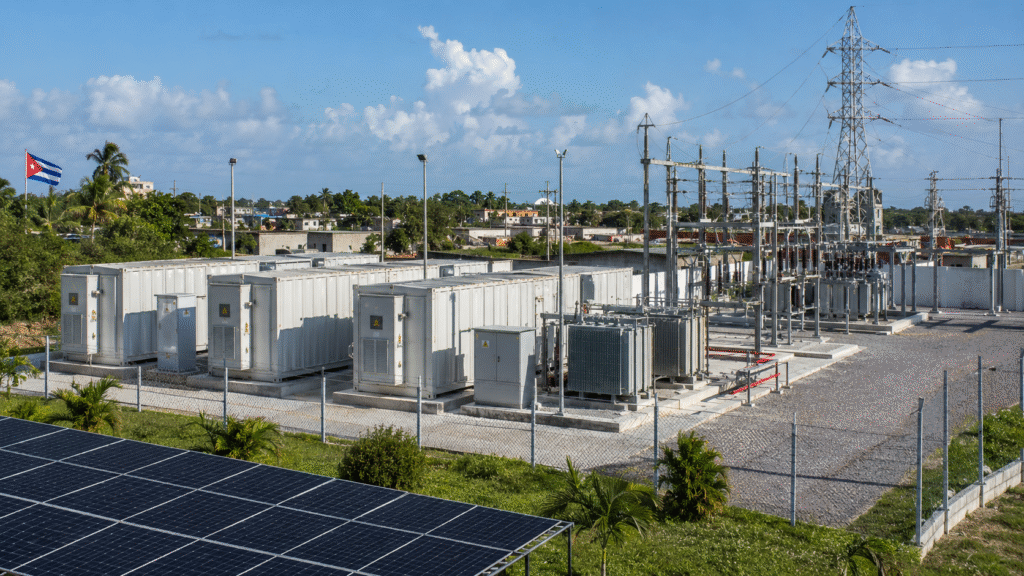
This storage system is part of a plan for a total capacity of 200 MW in Cuba, comprising four 50 MW storage systems. According to information released by Cuban authorities, the other three sites are located in another area of Havana, Cueto in Holguín Province, and Bayamo in Granma Province. In March, the Electric Union (UNE) began load testing the first battery energy storage system (BESS) unit at the Cotorro substation. The project aims to reduce automatic frequency trips and facilitate the grid integration of new solar capacity in the country.
The facility is related to Cuba's solar park deployment plan. In January 2025, the Cuban government planned to build 55 photovoltaic power stations that year, with a total installed capacity of 1,199 MW, as part of a larger plan to construct approximately 2,000 MW across 92 solar parks by 2028. This plan already mentioned four projects equipped with 50 MW battery storage, including El Cotorro. In May, the General Ángel del Castillo Agramonte solar park (5 MW) in Ciego de Ávila was commissioned, integrating a 1 MW battery storage system. This project is part of a 120 MW donation from China, of which 85 MW is equipped with storage.
Cuban authorities stated that these storage systems can store surplus solar power generated during the day and provide electricity when needed by the national electric system, while also offering frequency regulation functions. However, the 50 MW battery storage system alone cannot resolve the structural generation shortfall affecting Cuba's power system, which is characterized by fuel shortages, aging thermal units, and frequent blackouts.