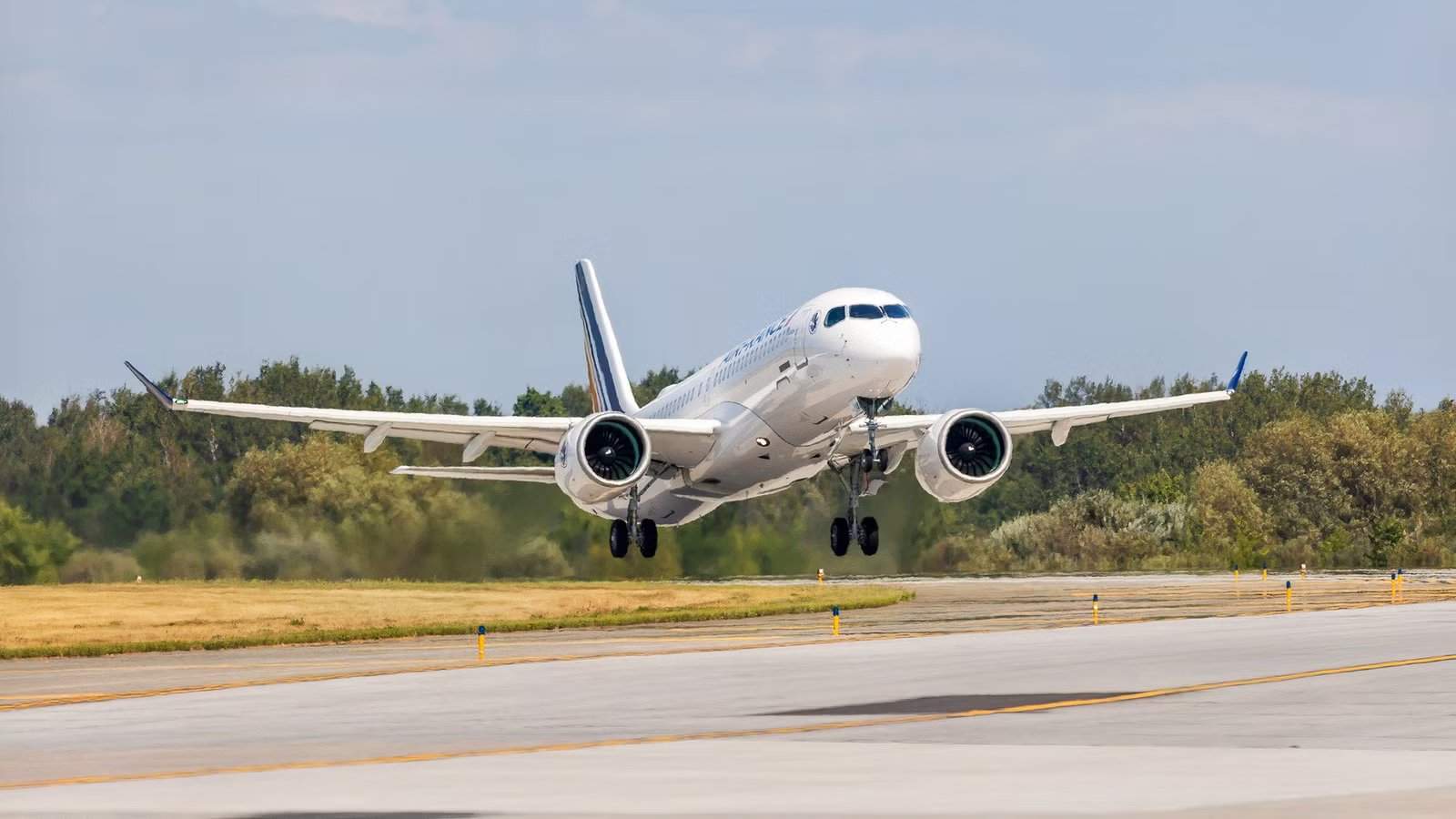
Airbus Upgrades A220 Cabin, Plans 160-Seat High-Density Version for 2027
en.Wedoany.com Reported - Airbus is upgrading the cabin and layout of its A220 aircraft family. New A220s delivered this year will feature the Airbus Airspace interior, aligning the cabin style with the A350, A330neo, and A320neo. Highlights of the new interior include oversized overhead bins that are approximately 20% lighter and offer over 15% more luggage capacity.
These aircraft will also be equipped with a 16-million-color LED lighting system, allowing airlines to customize brand ambiance or adjust cabin lighting based on flight phases. Airbus plans to offer this interior as a retrofit option for existing A220 customers. Additionally, starting in 2027, Airbus will introduce a high-density version of the A220-300 with a 160-seat layout, providing operators with additional revenue and lower unit costs without needing to introduce larger aircraft on specific routes.
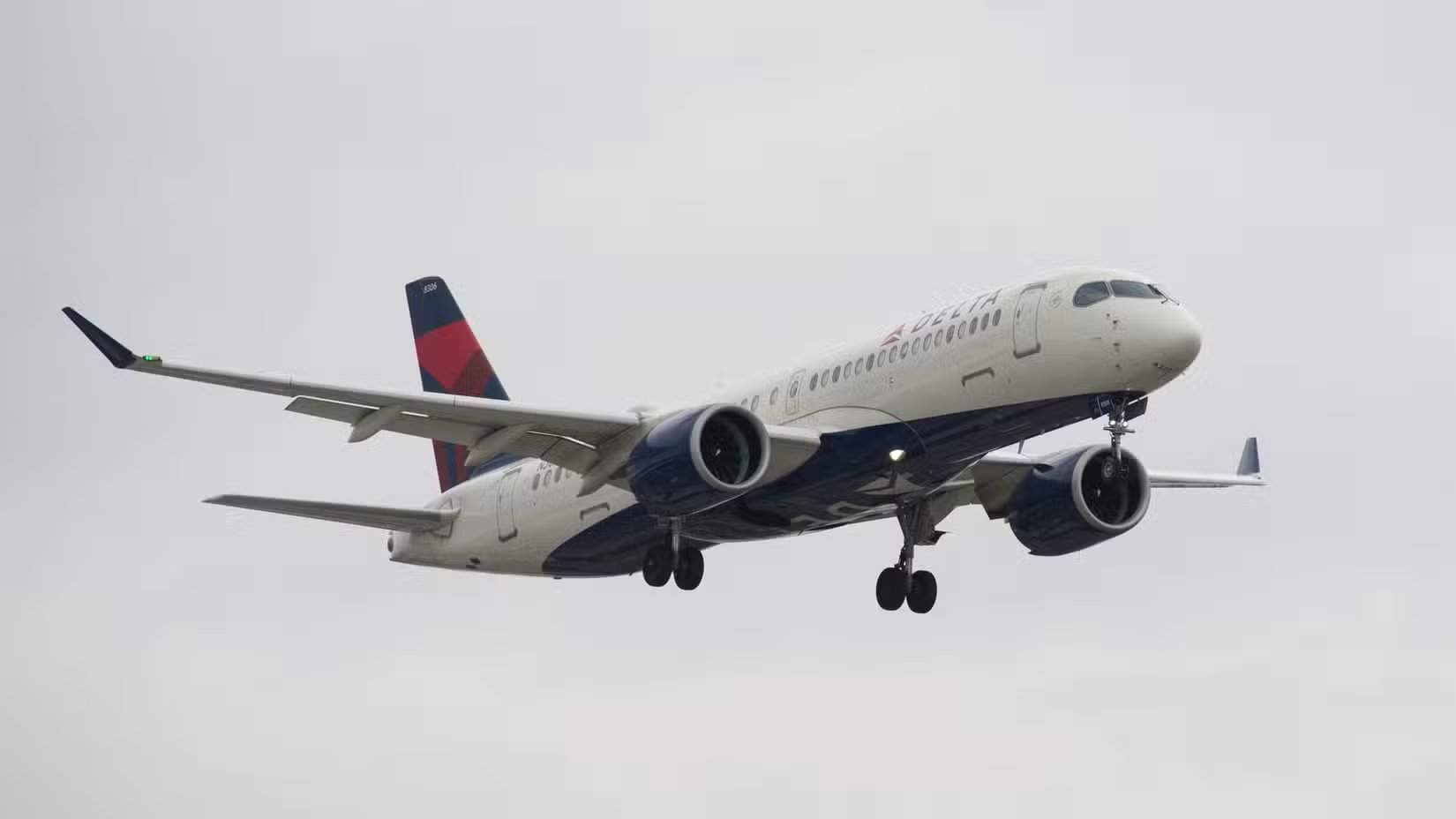
The Airbus A220 originally began as the Bombardier CSeries program, launched on July 13, 2008, to fill a market gap between regional jets and larger single-aisle aircraft. The program made its first flight as the CS100 on September 16, 2013, received Transport Canada certification on December 18, 2015, and entered service with SWISS on July 15, 2016. The CS300 first flew on February 27, 2015, was certified on July 11, 2016, and was delivered to launch customer airBaltic on December 14 of the same year.
In July 2018, Airbus acquired a majority stake in the program, renaming the aircraft the Airbus A220, and subsequently formed Airbus Canada Limited Partnership in June 2019. Airbus expanded industrial capabilities beyond Mirabel, Quebec, Canada, opening a second final assembly line in Mobile, Alabama, in August 2019. In February 2020, Airbus increased its stake to 75%, and Bombardier exited the program. The A220 is the only Airbus commercial aircraft program managed entirely outside Europe, known for high dispatch reliability and passenger satisfaction since entering service.
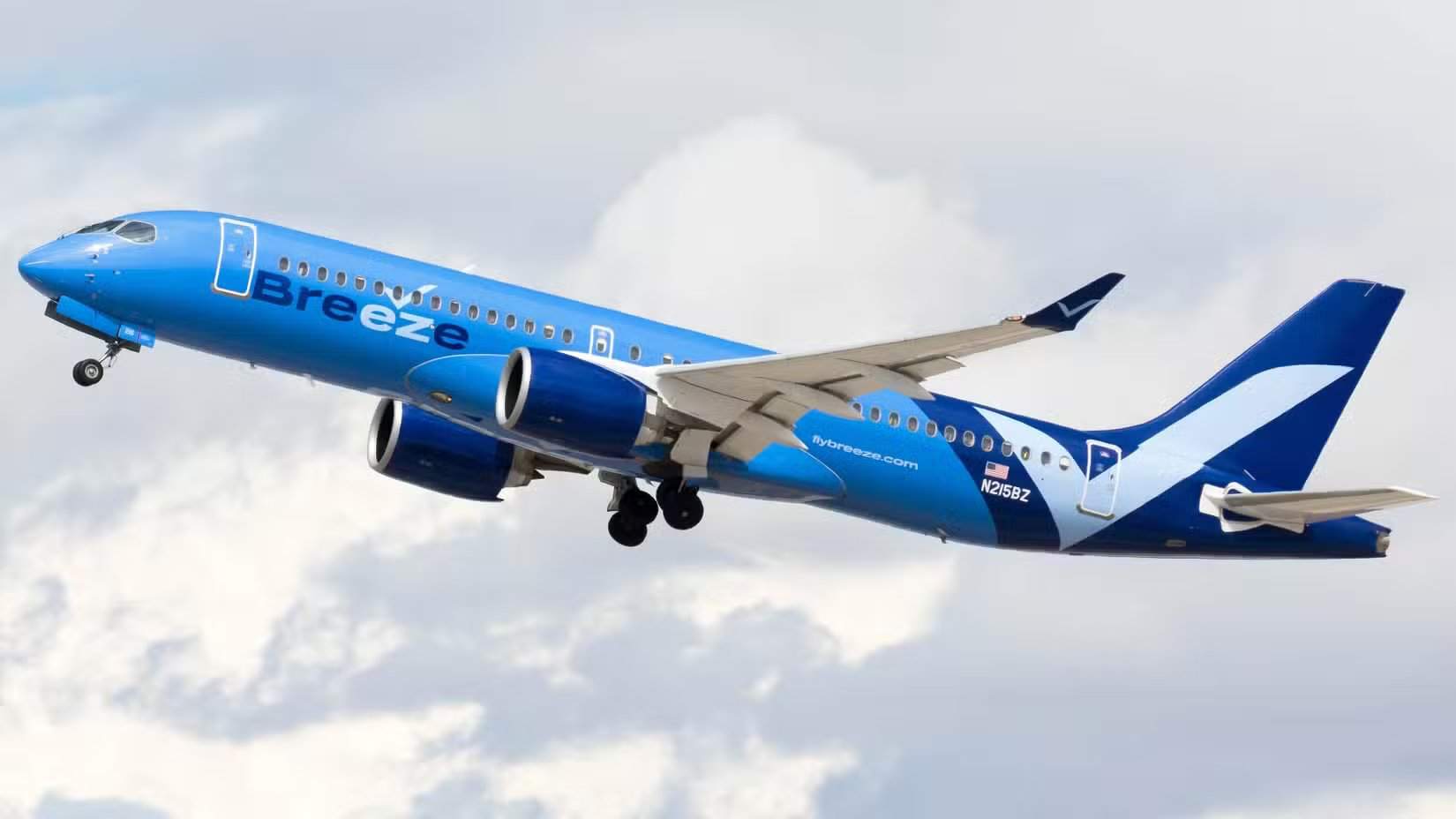
The Airbus A220 is powered by Pratt & Whitney PW1500G geared turbofan engines, featuring a lightweight carbon fiber composite wing and an aluminum-lithium alloy fuselage. The aircraft family has a maximum takeoff weight (MTOW) ranging from 63 to 71 tons (139,000-156,000 lb) and a range of 6,390 to 6,670 km (3,450-3,600 nautical miles). The 35-meter (115 ft) long A220-100 can accommodate approximately 108-133 passengers, while the A220-300 can seat 130-160 passengers depending on configuration. Airbus also introduced the ACJ TwoTwenty business jet version in late 2020.
Delta Air Lines is the largest customer for the A220 family. Over 1,100 aircraft of this family have been ordered globally, with more than 500 delivered to date. The global fleet has accumulated over 1.5 million flights and 2.7 million flight hours, carrying over 100 million passengers. The aircraft maintains an excellent safety record, with only one non-fatal incident related to smoke. It holds a 55% market share in this small airliner segment, with its main competitor being the Embraer E-Jet E2 family.
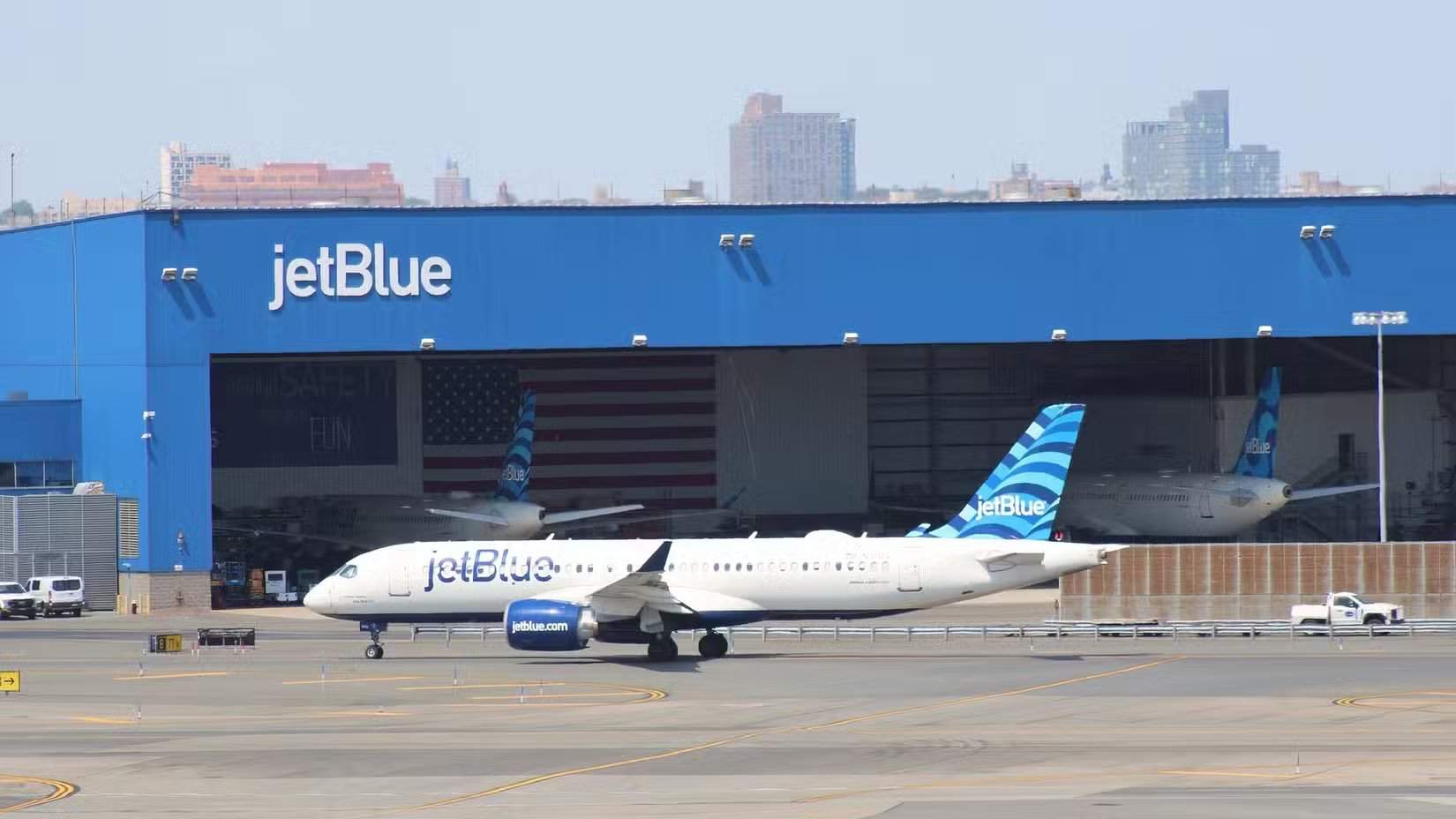
The A220 has evolved from an industry newcomer into a mainstay single-aisle aircraft for airlines. Its five-abreast layout offers passenger comfort and fuel efficiency, but overhead bin space, lighting, and brand consistency previously lagged behind newer Airbus models. The introduction of the Airspace cabin aims to close this gap. From a commercial perspective, airlines need a low-risk way to increase seating, and the 160-seat A220-300 adds approximately ten seats while offering a more attractive cost per available seat mile. Strategically, Airbus needs to expand the aircraft's addressable market by enhancing its cabin economics before approving the stretched A220-500.
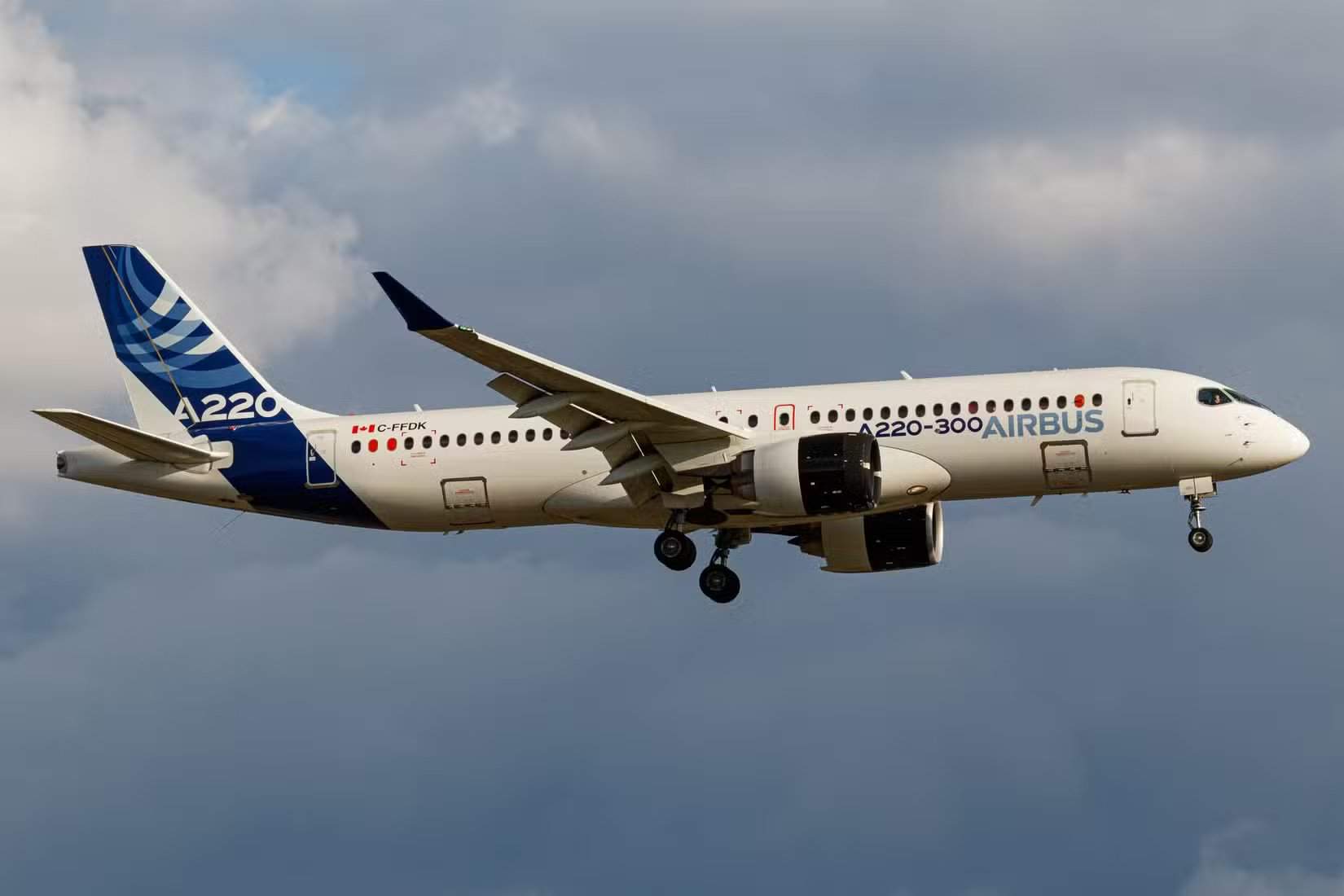
Throughout the upgrade process, Airbus is primarily leveraging two levers. Newly delivered A220s will feature the new Airspace cabin, including 16-million-color LED lighting, modern trim, and surface touchpoints, bringing the aircraft as close as possible to other Airbus models. For the high-density A220-300, Airbus offers operators flexibility and ensures existing operators can also improve their fleets through retrofit options. The idea of launching the stretched A220-500 could increase the family's capacity and potentially fill a capacity gap in Airbus's commercial product line.
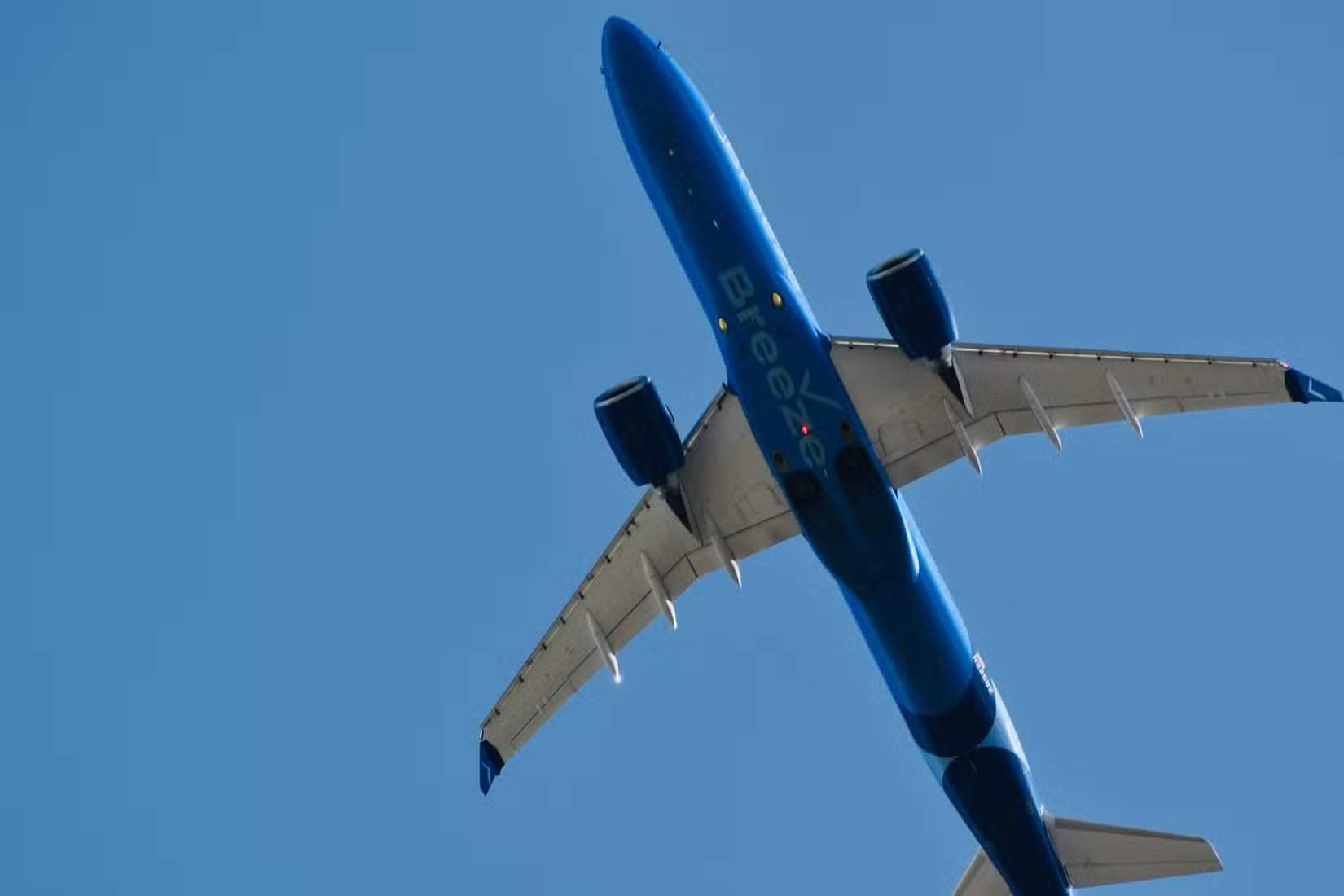
From a financial perspective, the A220 upgrade is a low-risk lever. The upgraded cabin can enhance premium appeal, while larger overhead bins can reduce gate-check baggage costs and accelerate aircraft turnaround. The higher-capacity version can spread costs over more seats, lowering unit costs. This update supports overall pricing and is expected to accelerate order momentum. For example, Delta Air Lines is replacing its aging Boeing 717 fleet with A220s, which will improve learning curve economics and drive program profitability before the A220-500 launch.
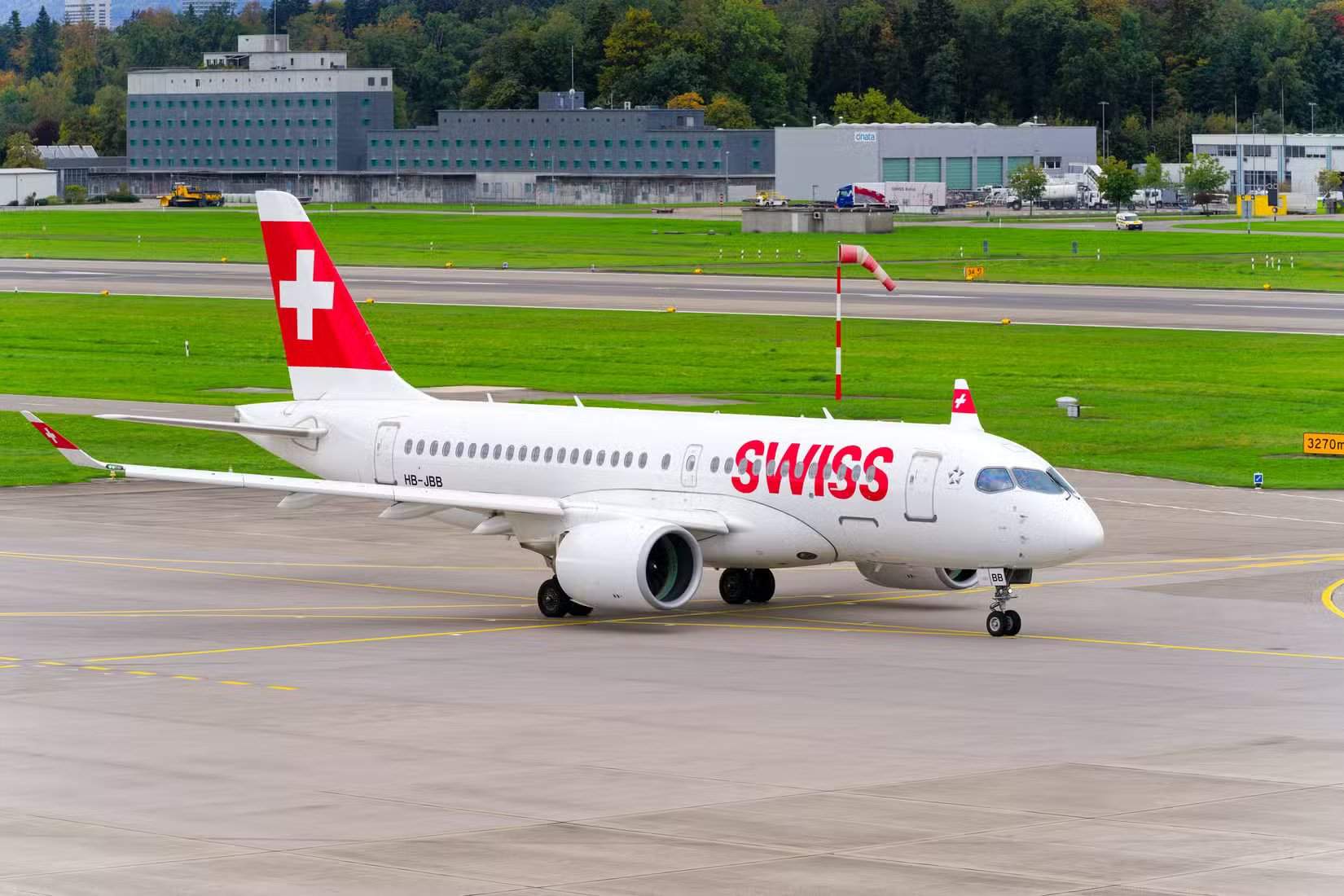
For passengers, the upgraded A220 cabin may offer a more comfortable experience, but the changes are relatively minor. However, the introduction of the high-capacity version could reduce comfort due to less available space per passenger. Whether the high-capacity version launching in 2027 will pave the way for the stretched A220-500 remains to be seen.
Related Products


Pantograph-Catenary Comprehensive Detection Device (1C)
CHENGDU TANGYUAN ELECTRIC CO., LTD.

GSR6-27.5kV SF6 Free Gas-insulated Metal-enclosed Switchgear
Zhejiang Juhonkia Intelligent Electric Co., Ltd.

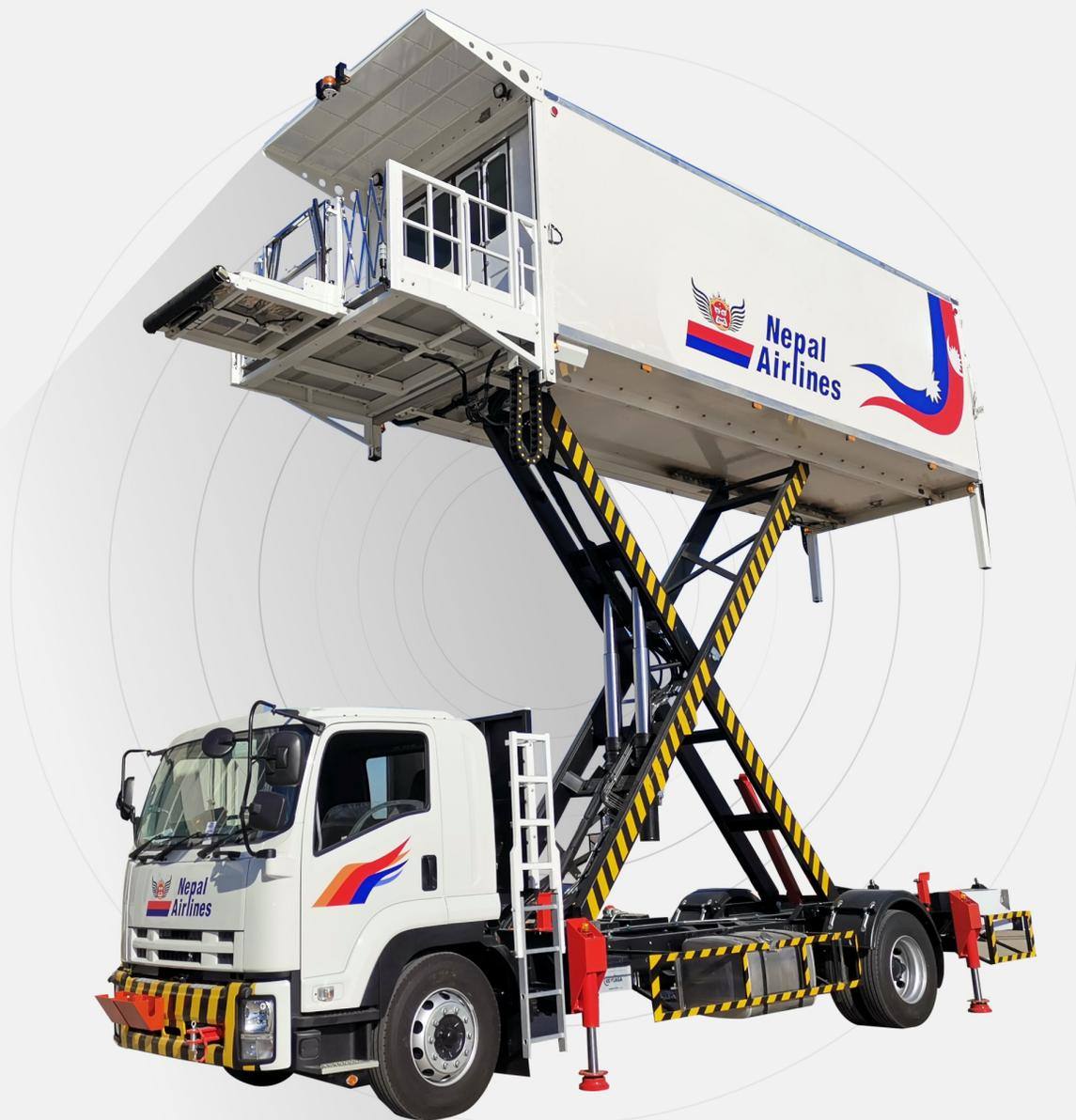
XC-6000e Type Aviation Catering Truck (Fuel Type)
Shenzhen CIMC-TianDa Airport Support Ltd.