China's BYD Builds Over 7,000 Flash Charging Stations, Targets 20,000 by End of 2026
en.Wedoany.com Reported - China's BYD Company Limited (002594.SZ) disclosed at the Seal 08 launch event held in Shenzhen in early July 2026 that it has cumulatively built over 7,000 flash charging stations across 325 cities in China, setting a target to complete 20,000 stations by the end of 2026.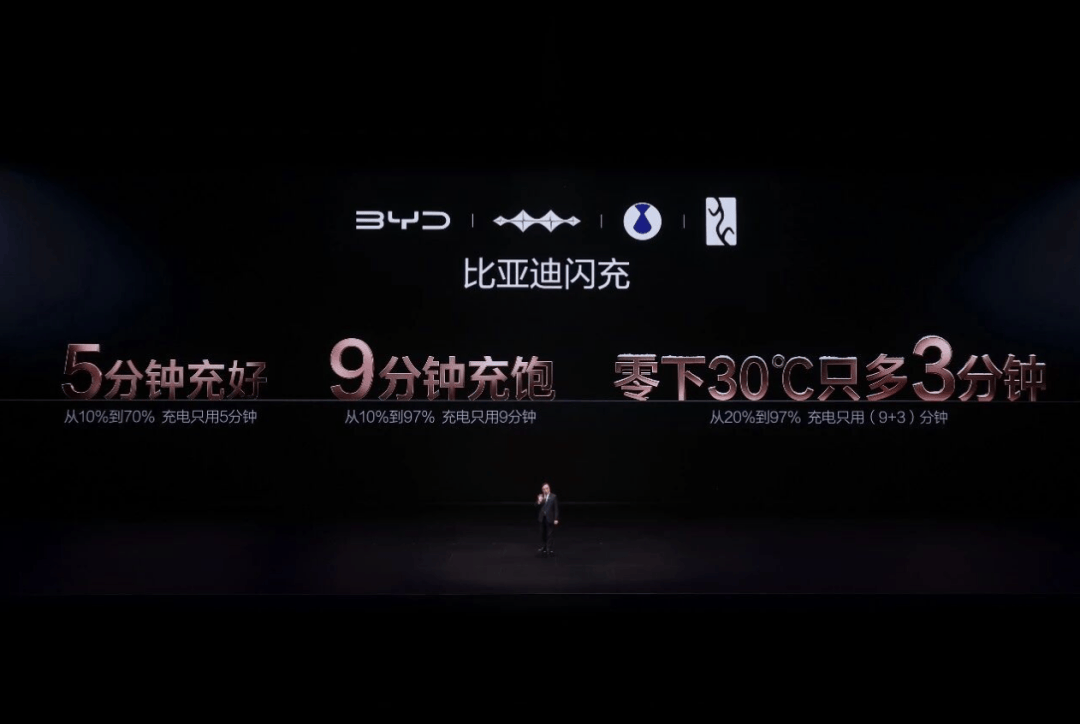
Founded in 1995 and headquartered in Shenzhen, Guangdong Province, BYD is a globally leading manufacturer of new energy vehicles and power batteries. On May 6, 2026, BYD had 5,924 flash charging stations in China, covering 311 cities. In less than two months from early May to early July, the number of flash charging stations increased by over 1,000, and the network coverage expanded to 14 additional cities.
BYD's flash charging business strategy began on March 5, 2026. On that day, BYD held the "Flash Charge China, Change the World" launch event at the Shenzhen Universiade Center Gymnasium, officially introducing the second-generation Blade Battery and flash charging technology. According to the launch information, this technology set the fastest charging speed record for mass-produced pure electric vehicles: charging from 10% to 70% in just 5 minutes, and from 10% to 97% in 9 minutes; in low-temperature environments of minus 30 degrees Celsius, the time to charge from 20% to 97% is only extended by 3 minutes compared to normal temperatures. BYD stated that this technology effectively addresses long-standing industry pain points such as slow charging speeds and difficulties in low-temperature charging for electric vehicles.
Alongside the technology release, BYD simultaneously proposed the "Flash Charge China" strategy, planning to build 20,000 flash charging stations in China by the end of 2026. Currently, the established flash charging network has covered the vast majority of domestic cities, with continuous densification of the layout. Industry analysis indicates that BYD's rapid expansion of its flash charging network is a typical practice for new energy vehicle manufacturers to build their own charging ecosystems, facilitating synergy in technology adaptation, operational management, and user services.
Related Products

Standard Nozzle Flowmeter
Jinggong Automatic Control Instrument Complete Technology Development Company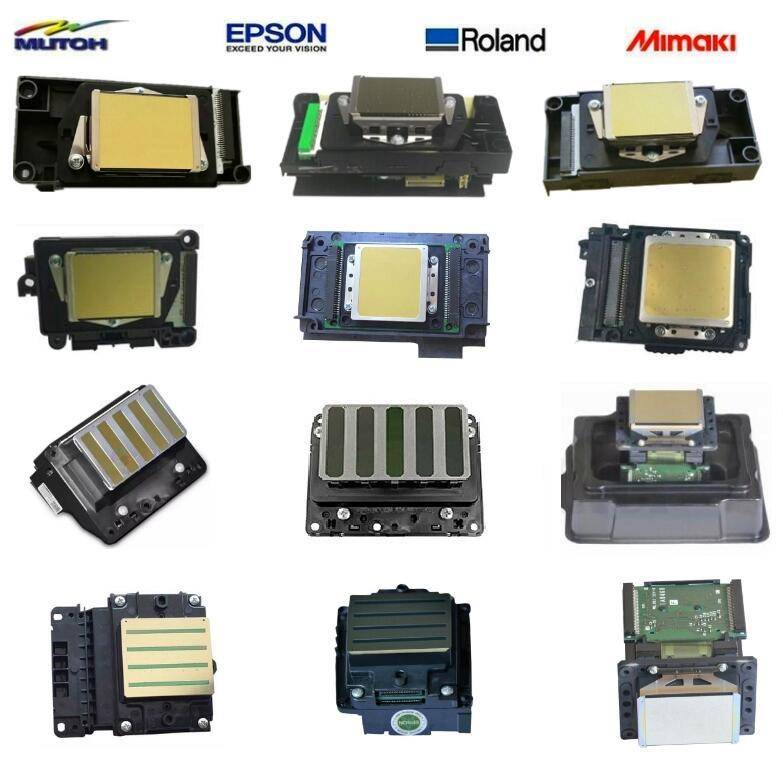
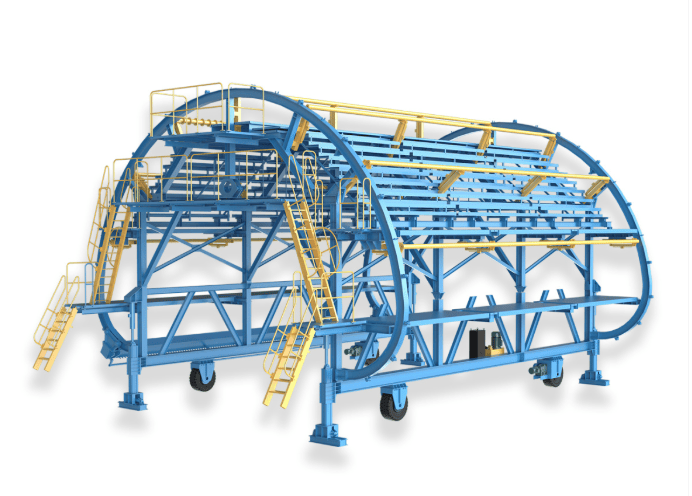
QLZNGJ Intelligent Steel Reinforcement Trolley
Luoyang China Railway Qiangli Machinery Co., Ltd.

Industrial and Commercial Point-Type Gas Detector
Jinan Benan Technology Development Co., Ltd.
Pneumatic high-pressure wear-resistant ball valve
Zhejiang Deca Control Valve Meter Co., Ltd.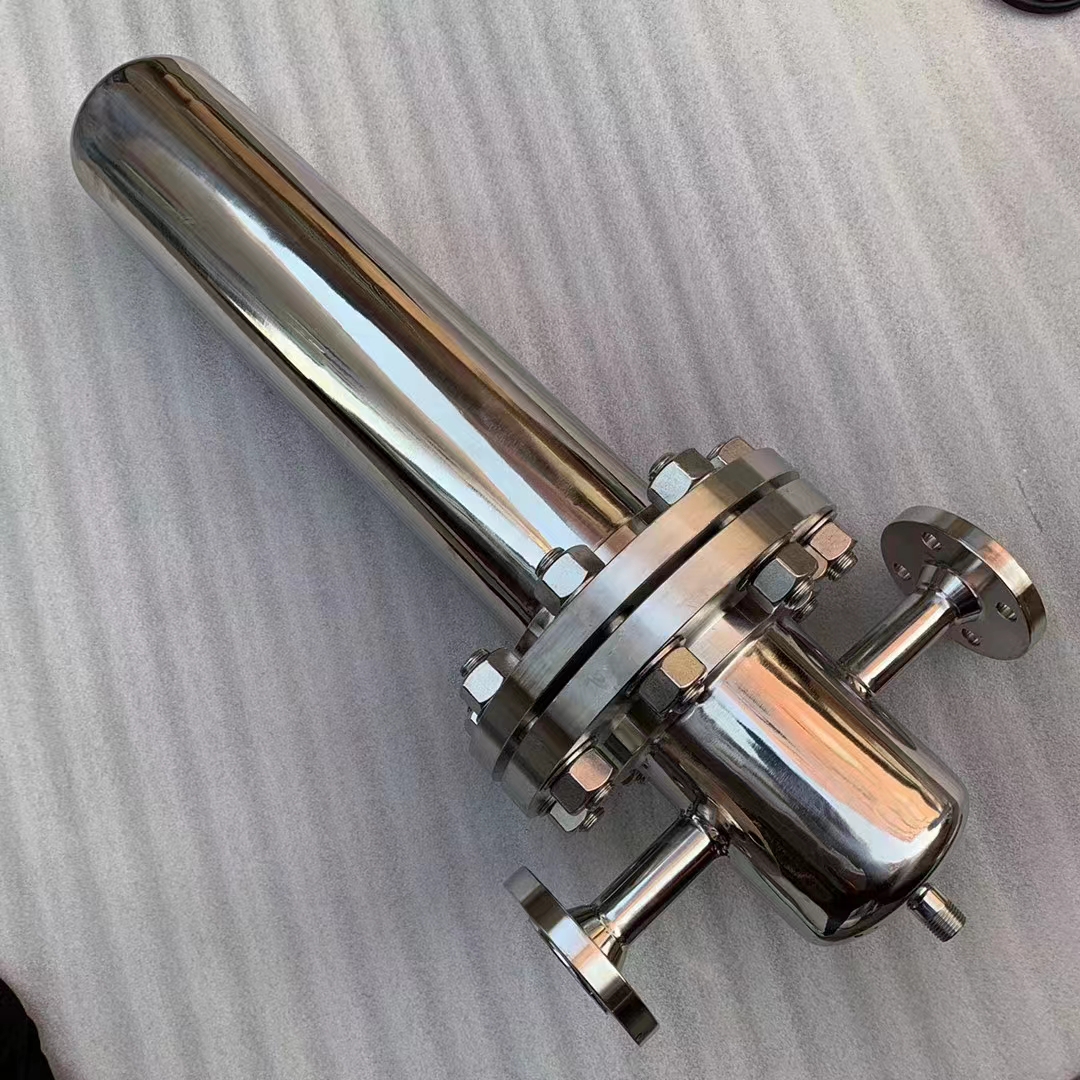
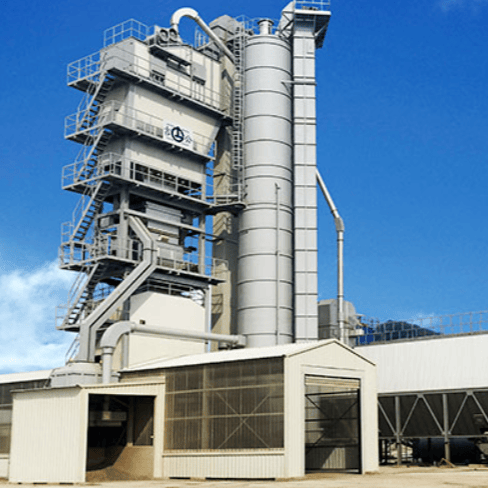
LBH4000 Batch Environmental Protection Asphalt Mixing Plant | Asphalt Batching Plant | Asphalt Mixing Plant
Jilin Province Road Construction Machinery Co., Ltd.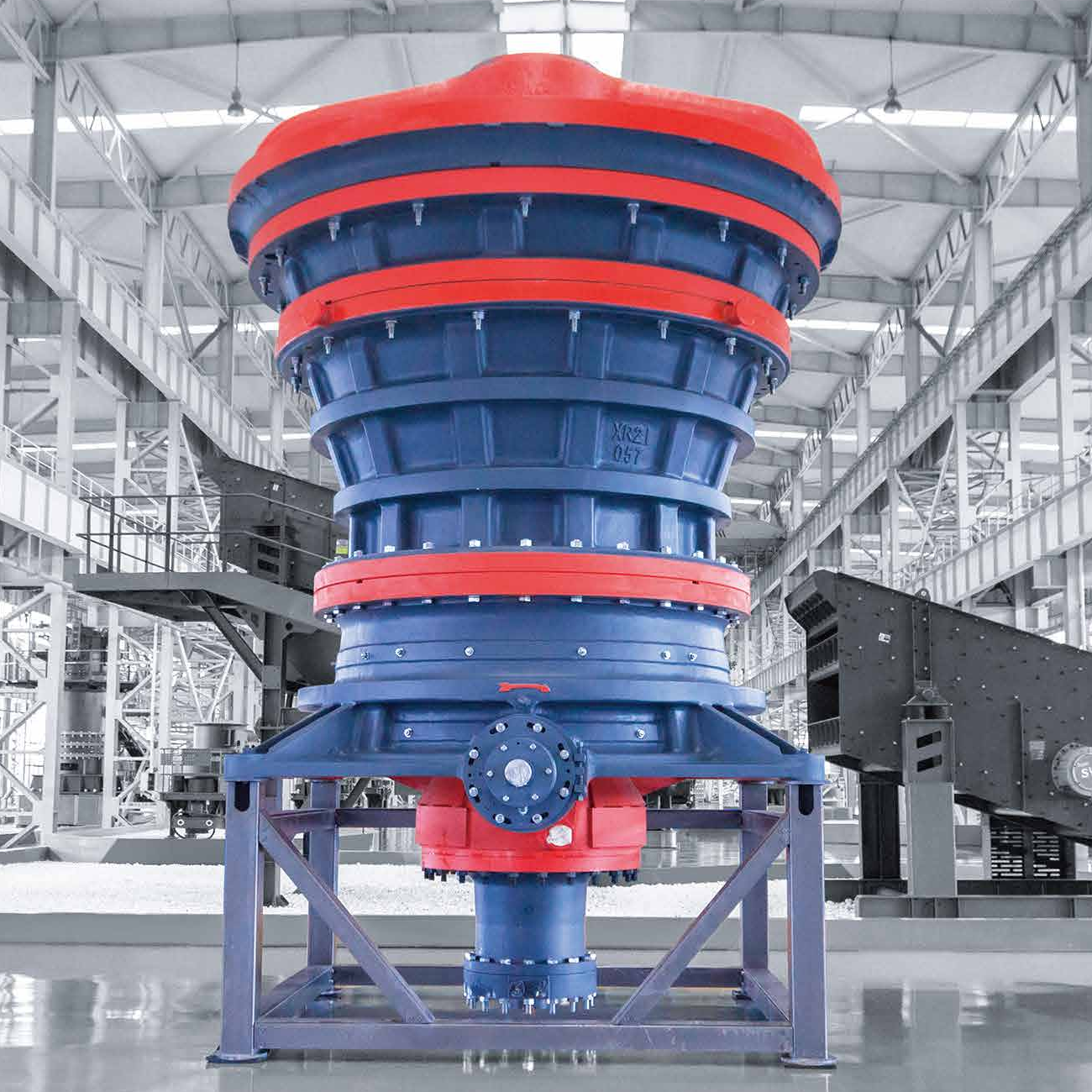
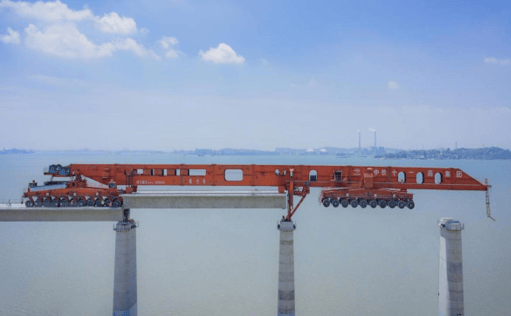
High-Speed Railway Lifting, Transporting, and Erecting Equipment: Integrated Transport and Erection Machine
Hanjiang Heavy Industry Co., Ltd. of China Railway 11th Bureau Group