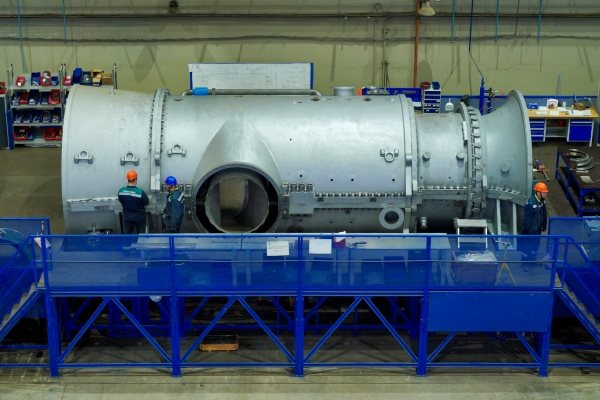
Shell-and-Tube, Plate or Air-Cooled: How to Select Industrial Heat Exchange Equipment
en.Wedoany.com Reported - A common mistake in selecting Heat Exchange Equipment is to rank different designs only by efficiency or purchase price. Shell-and-tube exchangers, plate exchangers, air-cooled units, double-pipe systems and finned-tube equipment are intended for different combinations of temperature, pressure, fluid cleanliness, installation space and maintenance capability. There is no universally superior configuration.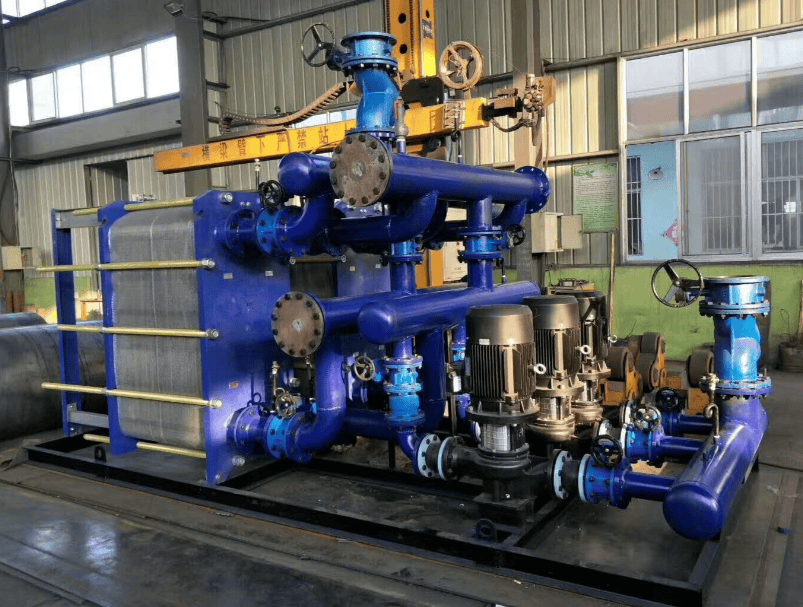
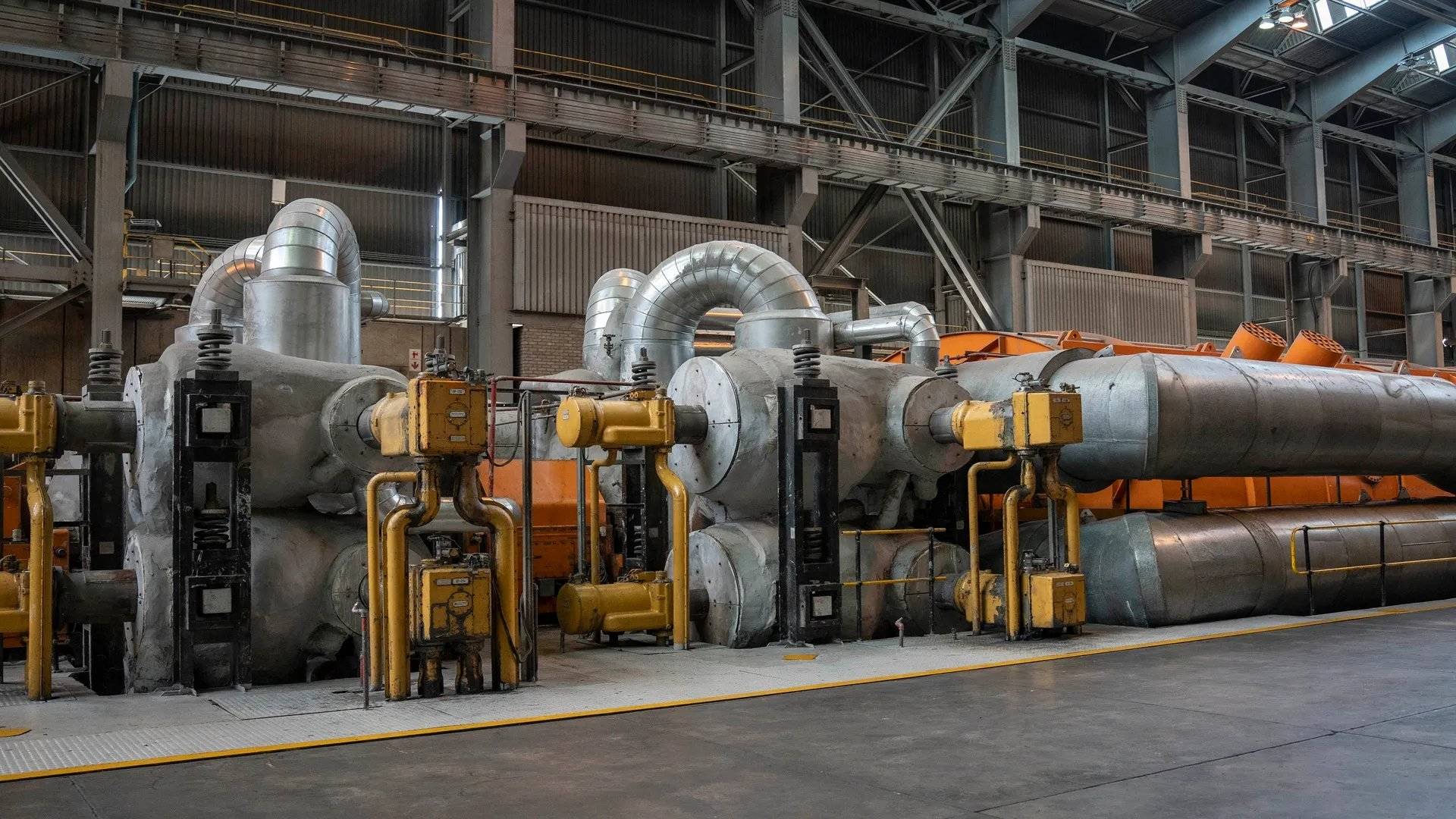
A shell-and-tube heat exchanger contains a shell, tube bundle, tubesheets, baffles and channel heads. One fluid flows through the tubes while the other passes around the tubes on the shell side. The design can accommodate a broad range of temperatures and pressures and can be used for heating, cooling, condensation, boiling and heat recovery. It remains a major choice in refining, petrochemicals, natural-gas processing and large chemical plants.
The American Petroleum Institute's API Standard 660 applies to shell-and-tube heat exchangers for general refinery service. The existence of a dedicated standard reflects the importance of mechanical integrity, inspection access, vibration control, materials and purchaser-supplier coordination in these applications. Thermal duty alone is not sufficient for equipment specification.
Shell-and-tube units offer established design methods, strong mechanical construction and several maintenance options. Depending on the configuration, tube bundles can be removed, tube interiors can be mechanically cleaned and damaged tubes can be plugged or replaced. Their disadvantages may include a larger footprint, greater metal weight and less compact heat-transfer area than a plate exchanger. Poor shell-side distribution, unsuitable baffle design or low velocity can also create dead zones, vibration and fouling.
Plate heat exchangers form alternating hot and cold channels between thin corrugated plates. The corrugations promote turbulence and provide a large transfer surface in a compact volume. Gasketed units can often be expanded or reduced by changing the number of plates. They are widely used in district heating, HVAC, food and beverage production, pharmaceuticals, utilities and selected chemical services.
The limitations of a plate exchanger are closely connected to gasket compatibility, channel width, pressure, temperature and feed cleanliness. Narrow passages may be vulnerable to blockage when a stream contains fibers, crystals or large particles. Gasket materials may swell, harden or lose sealing performance when exposed to unsuitable chemicals or temperatures. These factors must be evaluated alongside the attractive thermal performance.
Brazed and welded plate exchangers reduce or eliminate conventional gaskets and can extend the operating range for selected fluids. They may provide compact construction and improved sealing, but their cleaning and repair options differ from those of gasketed units. A compact design should not be selected without considering pretreatment, chemical cleaning, backflushing and replacement strategy.
Air-cooled heat exchangers transfer heat from a process fluid to ambient air through finned tubes and fans. They can reduce dependence on cooling water and are therefore important in arid regions, refineries, gas-processing facilities and some power applications. API Standard 661 addresses air-cooled heat exchangers in petroleum, petrochemical and natural-gas industries.
Air coolers are affected by ambient temperature, wind, hot-air recirculation, fan performance and fin cleanliness. A unit that meets duty during mild weather may become a production constraint during the hottest days of the year. Design evaluation should include summer conditions, fan turndown, noise, recirculation and access for cleaning the finned surface.
Double-pipe and hairpin exchangers are useful for lower flow rates, high pressure, large temperature differences and modular layouts. API Standard 663 includes double-pipe and multitube hairpin exchangers. Individual sections can be arranged in series or parallel, and the geometry can accommodate thermal expansion. For large low-pressure duties, however, footprint and cost per unit of area may be less favorable.
Selection should begin with heat duty, inlet and outlet temperatures and the minimum allowable temperature approach. Engineers must then evaluate viscosity, corrosiveness, toxicity, flammability, solids, phase change and fouling tendency. Allowable pressure drop is equally important. Higher velocity can improve heat transfer, but it also increases pumping power and may cause erosion, vibration or noise.
Maintenance conditions often determine lifecycle value. The plant must have enough space to remove a tube bundle or open a plate pack. Fan drives should be accessible, cleaning fluids must be collected safely, and isolation points must support maintenance without creating unnecessary shutdowns. Critical continuous processes may require bypasses, standby units, online switching and standardized spare parts.
A complete equipment inquiry should therefore specify normal and off-design conditions, allowable pressure drop, fouling allowance, corrosion allowance, inspection requirements, cleaning method, vibration analysis and performance guarantees. Correct selection is not the search for the highest theoretical heat-transfer coefficient. It is a balance among thermal performance, reliability, maintainability and total lifecycle cost.
Related Products

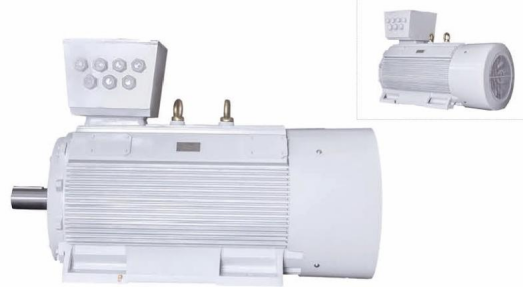
YE3 Series Low Voltage High Power Three-Phase Asynchronous Motor
Shandong Lijiu Electrical Machinery Co., Ltd.
Industrial and Commercial Point-Type Gas Detector
Jinan Benan Technology Development Co., Ltd.
CAP1400 main feedwater flow nozzle flowmeter.
Jiangsu Hongda Instrument Technology Co., LTD.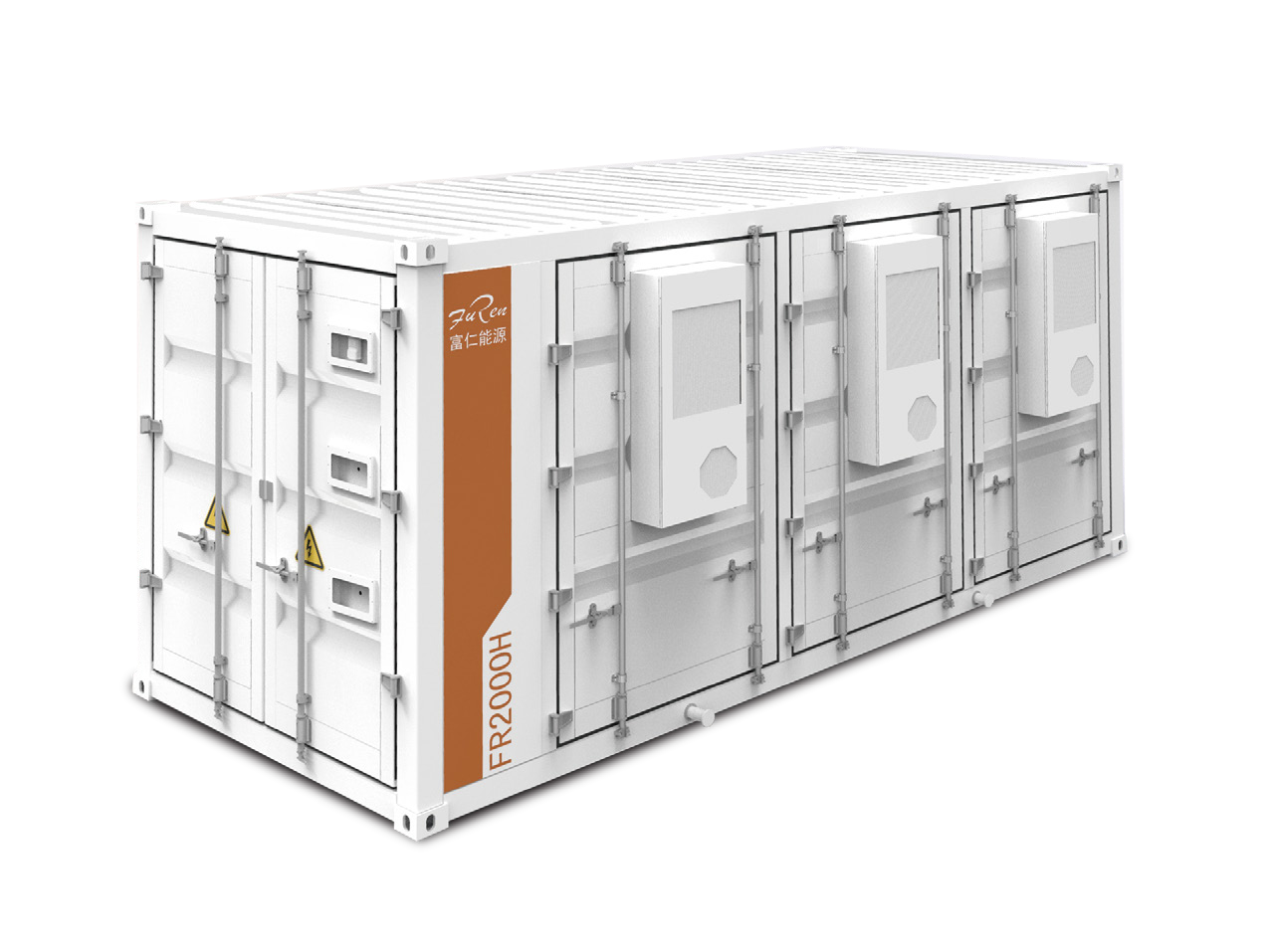
FR2000H 2.15MWh (Air-cooled) 20-foot Containerized Energy Storage System
Jiangyin Furen High-tech Co., Ltd.
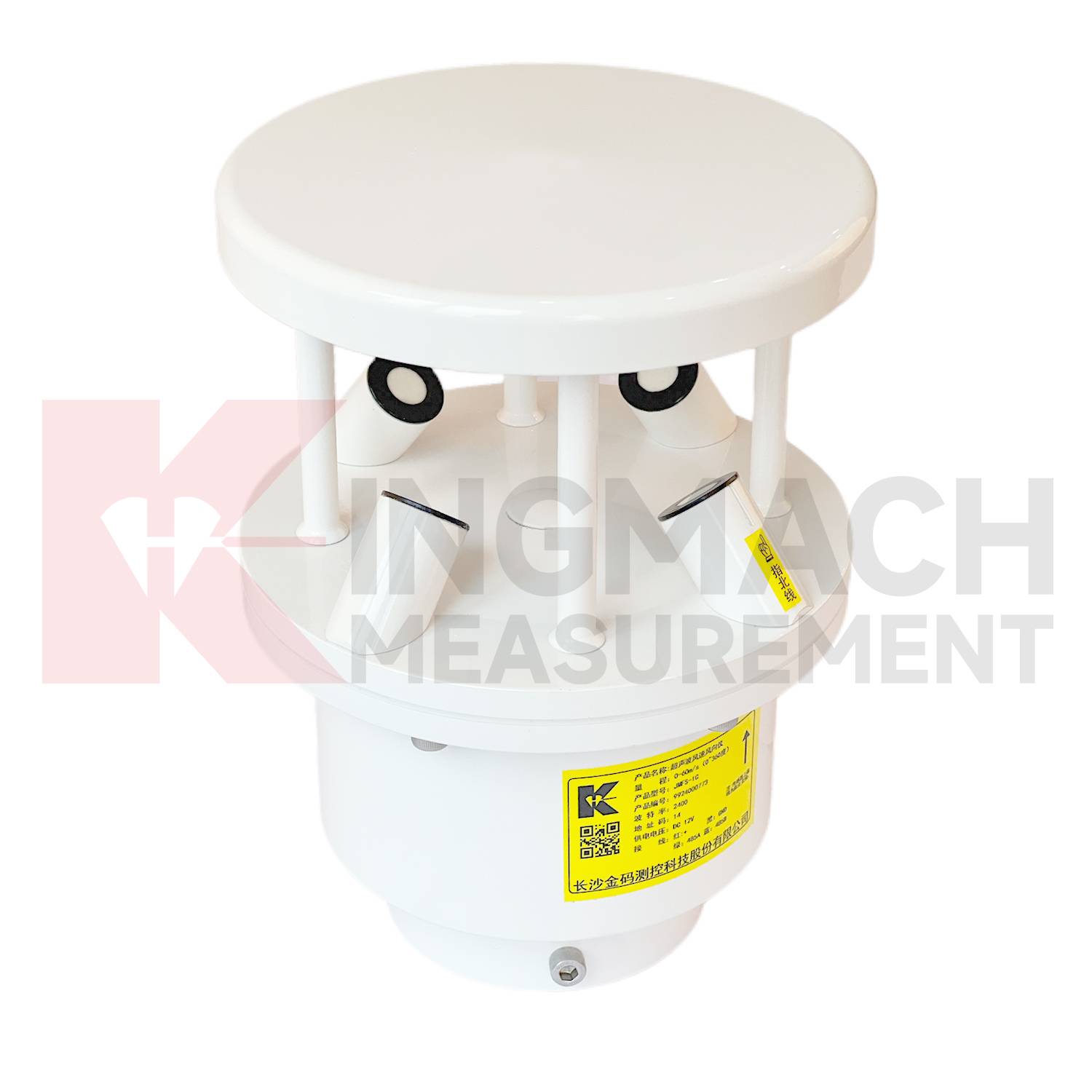
Ultrasonic Wind Speed and Direction Instrument
Kingmach Measurement & Monitoring Technology Co., Ltd.
220kV Composite Outdoor Cable Terminal
Shenyang Guolian Cable Accessories Manufacture Co., Ltd.
IGBT Hydrogen Production Power Supply - High Power Air Cooling
Beijing Zhengzhuo Engineering Technology Co., Ltd.