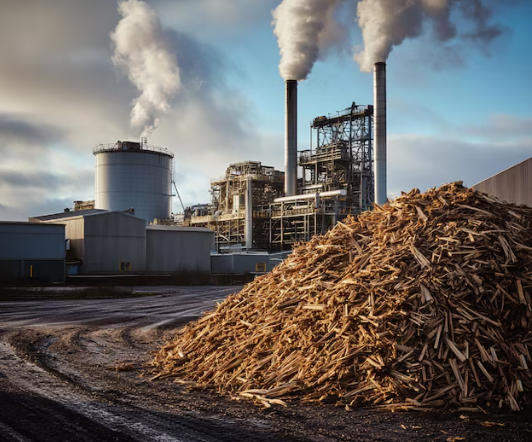
Why Heat Exchangers Are Becoming Core Infrastructure for Industrial Decarbonization
en.Wedoany.com Reported - In refining, chemicals, steel, food processing, pulp and paper, building materials and battery-material production, Heat Exchange Equipment has traditionally been treated as mature utility hardware. As industrial operators examine fuel consumption, steam cost and carbon emissions more systematically, its role is changing. Heat exchangers are becoming the physical links that connect waste-heat recovery, process integration, industrial heat pumps and low-carbon thermal systems.
U.S. Department of Energy research has estimated that a substantial share of industrial energy input is ultimately lost through exhaust gases, cooling water, hot products and equipment surfaces. Not every heat stream can be recovered economically, but a useful opportunity exists when temperature, flow, operating schedule and heat demand are compatible. Typical applications include preheating combustion air with flue gas, using hot products to warm incoming feed, recovering condensation heat for hot-water production and cascading heat between steam, process and cooling systems.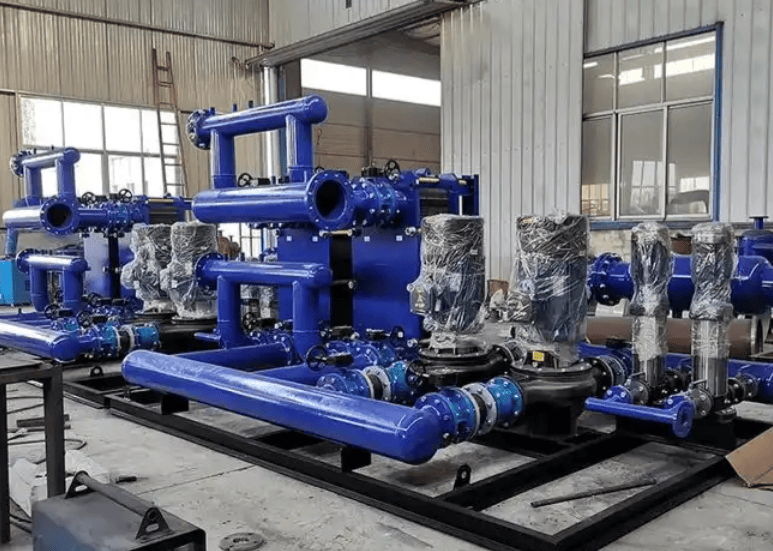
The difficult part of a recovery project is not simply installing another exchanger. Engineers must determine whether the recovered heat can be used consistently. A very hot stream that appears only intermittently may not support a continuous process, while a stable low-temperature stream may be unable to replace steam directly. The design should compare the time profiles of the heat source and heat sink and account for minimum temperature approach, pressure loss, contamination risk, bypass operation and planned maintenance.
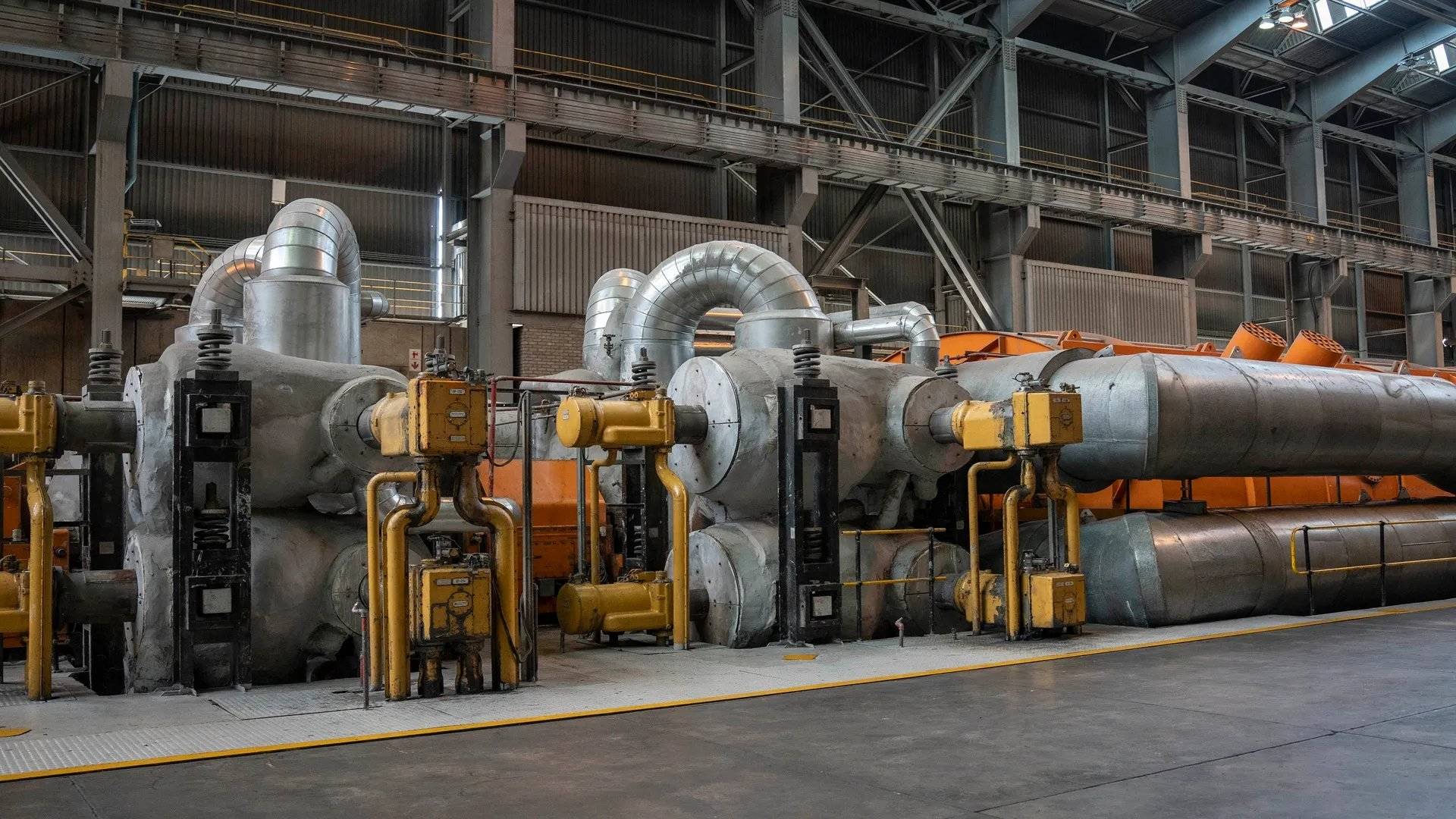
In combustion-based heating systems, recuperators, economizers, waste-heat boilers and gas-to-gas exchangers can reduce exhaust temperature and recover sensible heat. Where the flue gas contains significant moisture, condensing heat recovery may also capture part of the latent heat by cooling the gas below its dew point. This can improve heat recovery, but the condensate may be corrosive and may require collection and treatment. Materials, drainage and operating temperature must therefore be selected as one integrated design problem.
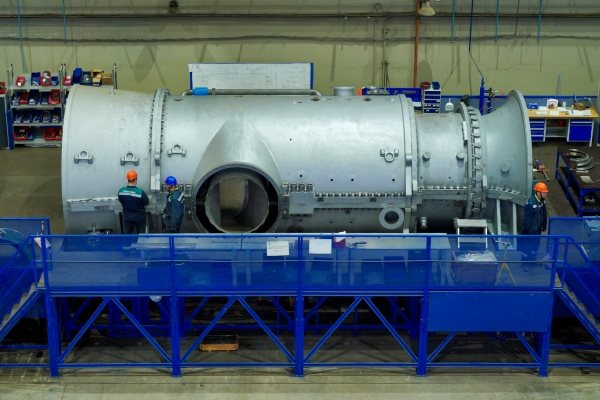
Liquid-to-liquid exchangers normally offer high heat-transfer density and are widely used for process streams, hot-water loops and closed circuits. Plate heat exchangers can place a large surface area inside a compact footprint and can achieve close temperature approaches. They are attractive for relatively clean fluids, district energy, food processing and selected chemical duties. Shell-and-tube units remain important for high pressure, high temperature, phase change and services requiring mechanical cleaning.
The appropriate exchanger cannot be chosen by heat-transfer coefficient alone. Fluid properties, pressure class, allowable pressure drop, fouling tendency, corrosion risk, phase behavior and maintenance capability all influence the result. A compact exchanger may reduce space and approach temperature, but narrow channels may be unsuitable for fibrous material, large particles or rapidly scaling liquids. A larger shell-and-tube exchanger may require more metal and space while offering easier inspection and tube-side cleaning.
Low-grade heat recovery is expanding the boundary of exchanger applications. When a waste stream is too cool for direct reuse, an industrial heat pump can absorb the low-temperature energy and raise it to a more valuable level. Heat exchangers then act as evaporators, condensers, source-side isolators and process interfaces. Heat-pump performance depends not only on the compressor and working fluid, but also on whether the source exchanger maintains clean surfaces, stable flow and a small temperature difference.
Plant upgrades must also avoid local optimization. Increasing heat recovery in one exchanger can change downstream cooling loads, steam balance and column operation. A more reliable approach begins with a site-wide heat balance. Avoidable losses are reduced first, direct heat reuse is prioritized where temperatures match, heat pumps are considered where temperature lift is justified, and remaining low-grade heat is directed to cleaning water, space heating or district-energy users.
For buyers, the value of an exchanger should not be measured only by purchase price and design duty. Important indicators include actual recovered heat, displaced fuel or steam, additional pumping and fan electricity, cleaning interval, equipment availability and the losses created during bypass operation. A low-cost unit that develops excessive pressure drop or requires frequent cleaning can consume more energy and create more downtime over its service life.
Future industrial energy systems will increasingly use heat according to temperature level. High-temperature energy will be reserved for demanding processes, medium-temperature heat will support preheating and hot-water production, and low-temperature streams will be connected to heat pumps or shared energy networks. Heat exchangers are the interfaces that make these connections possible. Their ability to operate reliably with difficult fluids and variable loads will determine whether waste-heat projects deliver sustained savings rather than only attractive design calculations.
Related Products

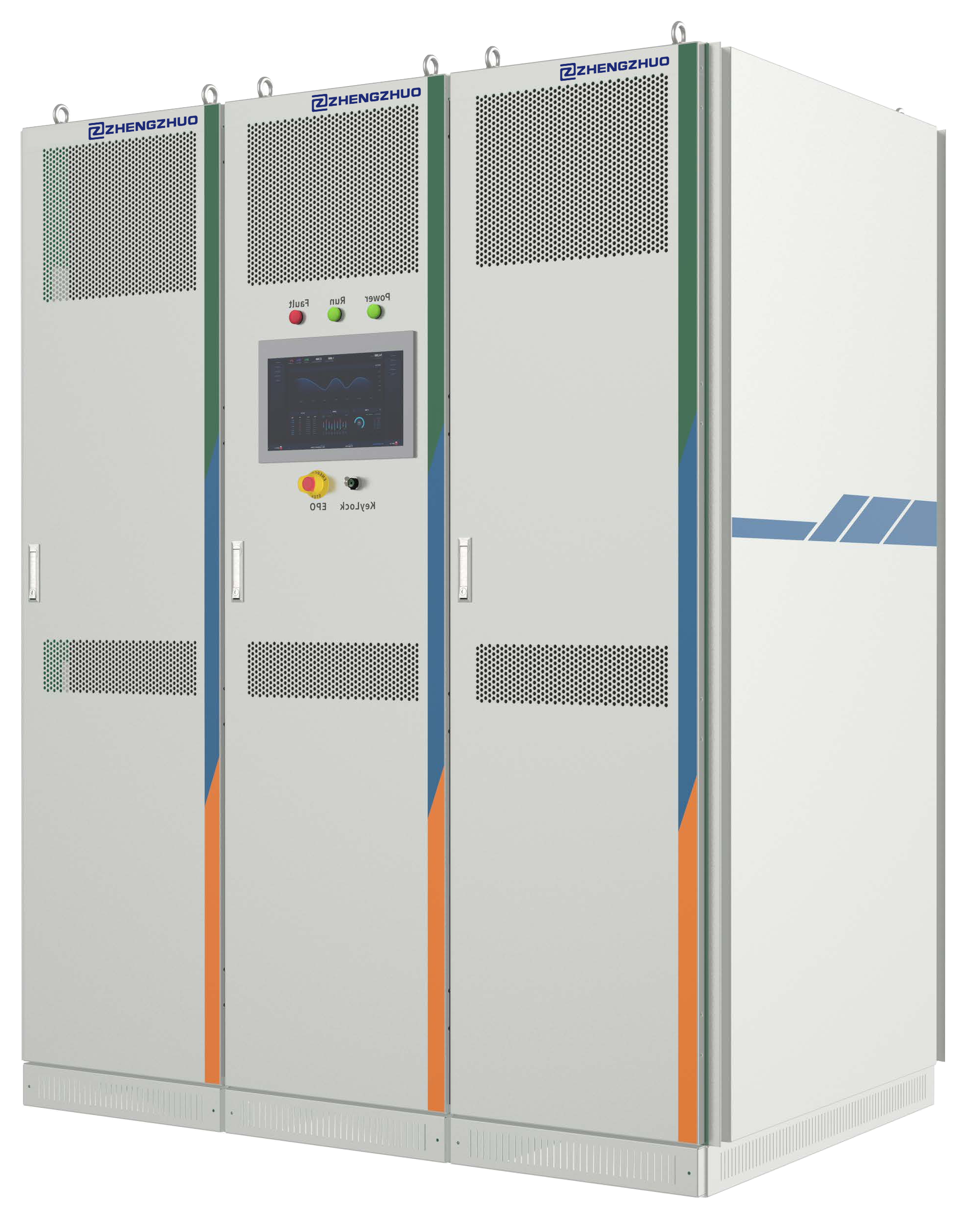
IGBT Hydrogen Production Power Supply - High Power Air Cooling
Beijing Zhengzhuo Engineering Technology Co., Ltd.

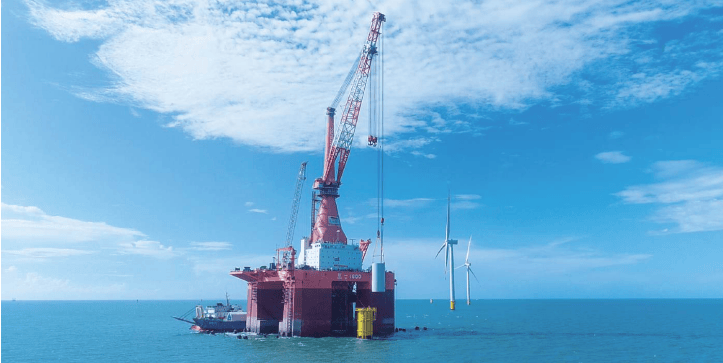
"Shunyi 1600" Deep-submerging Bottom-sitting Multi-functional Wind Power Engineering Vessel
Zhengli Offshore Engineering Co., Ltd.
0.66kV Power Supply Instrument Transformer
Guangdong Sihui Instrument Transformer Works Co., Ltd.


714CD Series C-Band Weather Radar
Chengdu Zhongdian Jinjiang Information Industry Co., Ltd.