Brazil's Unicamp Develops Catalyst for CO₂ Conversion to Methanol at Low Temperature and Pressure
en.Wedoany.com Reported - The research group on zeolites, microporous and mesoporous materials at the Institute of Chemistry (IQ) of the University of Campinas (Unicamp) has developed a technology that uses a catalyst based on the mineral magadiite to convert carbon dioxide (CO₂) into methanol, methane, and other synthetic fuels. The approach aims to enhance the efficiency of CO₂ catalytic hydrogenation, a process that combines carbon dioxide with hydrogen to produce compounds with higher added value.
The technology was developed within the framework of a Research, Development, and Innovation (PD&I) project funded by ExxonMobil, and a patent application has been filed, jointly held by the company and Unicamp. The research group is the first in Brazil to receive investment from this oil company through the Royalties Law.
The uniqueness of the solution lies in the catalytic support developed from the naturally occurring sodium silicate mineral magadiite. After chemical modification, the material exhibits hydrophobic properties, repelling water generated during the chemical reaction. This behavior reduces copper sintering, a phenomenon that impairs the performance of traditional catalysts by causing the active material to aggregate, and helps maintain its efficiency during operation.
In addition to greater stability, the new catalyst significantly reduces process operating conditions. Industrial methanol production typically occurs at around 270°C and 50 bar pressure, whereas the technology developed by the researchers operates at 180°C to 200°C and 20 to 30 bar pressure. Performance remained stable during 50 hours of continuous testing.
Another observed result was the elimination of the need for an alumina layer traditionally used as a support for this type of catalyst. The optimal configuration obtained in the experiments required no such material at all.
Beyond capturing CO₂, the technology converts the gas into methanol, which is considered a platform molecule for producing a wide range of higher-value chemicals. Applications include biogas purification, where carbon dioxide in the mixture can be transformed into useful chemical feedstock rather than simply being removed.
Another possibility mentioned by the researchers is its use in industrial facilities that rely on fossil fuels. In this scenario, the system could be connected to emission sources to convert CO₂ directly on-site, contributing to more sustainable industrial processes and enhancing the value of captured carbon.
The technology still requires authorization to enter the market. Technology transfer to interested companies will be managed by Unicamp's Innovation Agency (Inova Unicamp), which works to bridge the gap between academic research and the productive sector.
Related Products

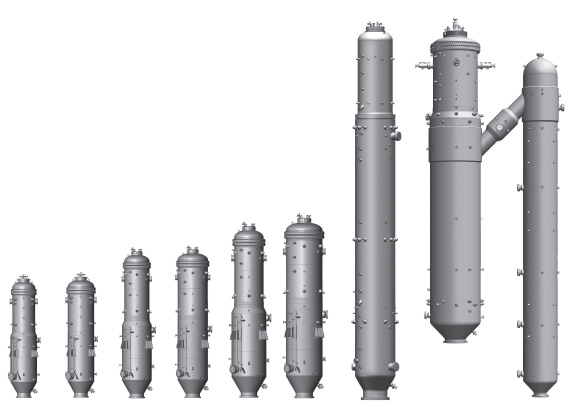
Gasification Furnace Series: Freely Combinable Aerospace Furnace
CHANGZHENG ENGLINEERING CO., LTD.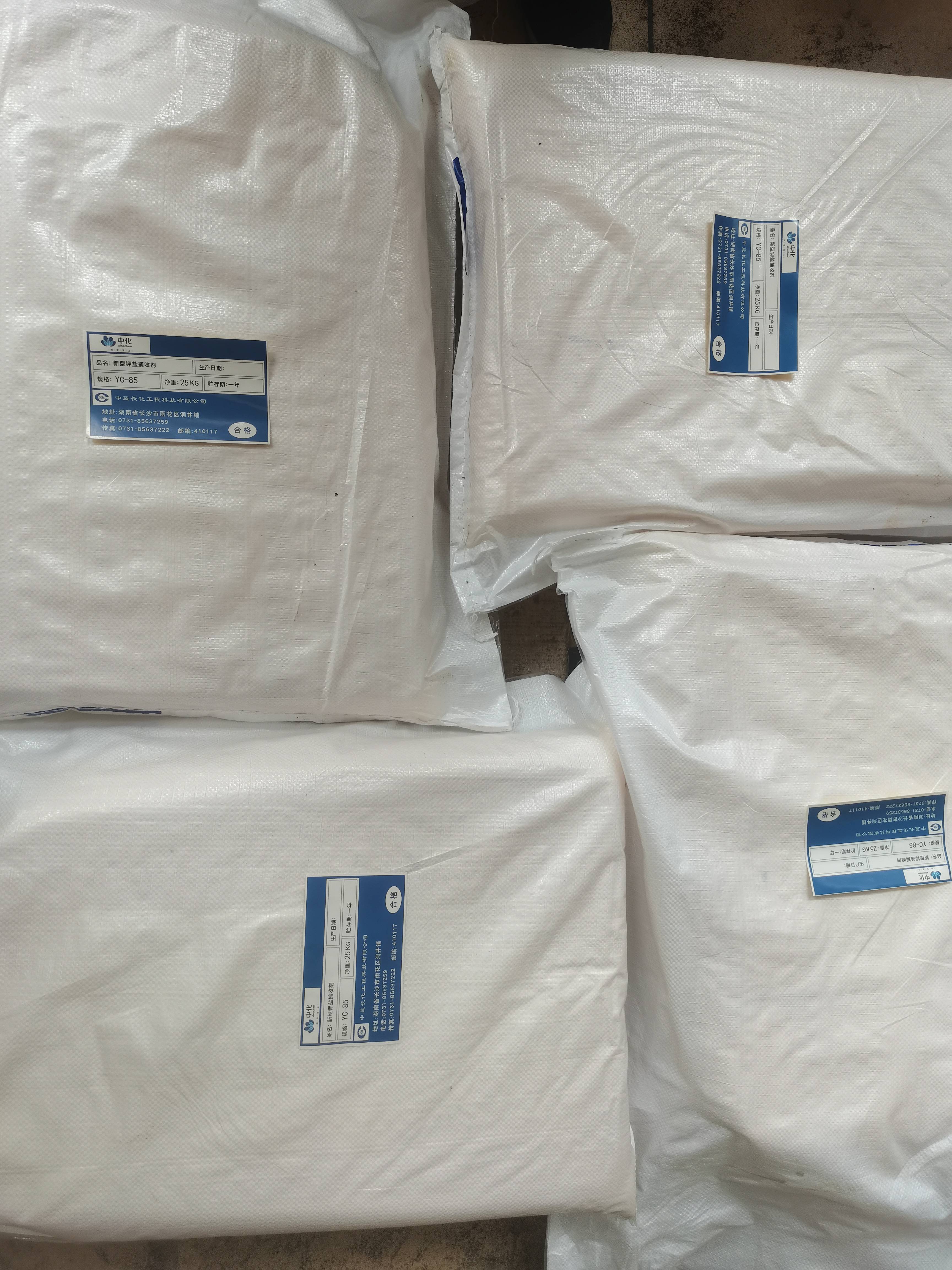
New Environmentally Friendly Green Potassium Salt Collector
Chonfar Engineering and Technology Co., Ltd.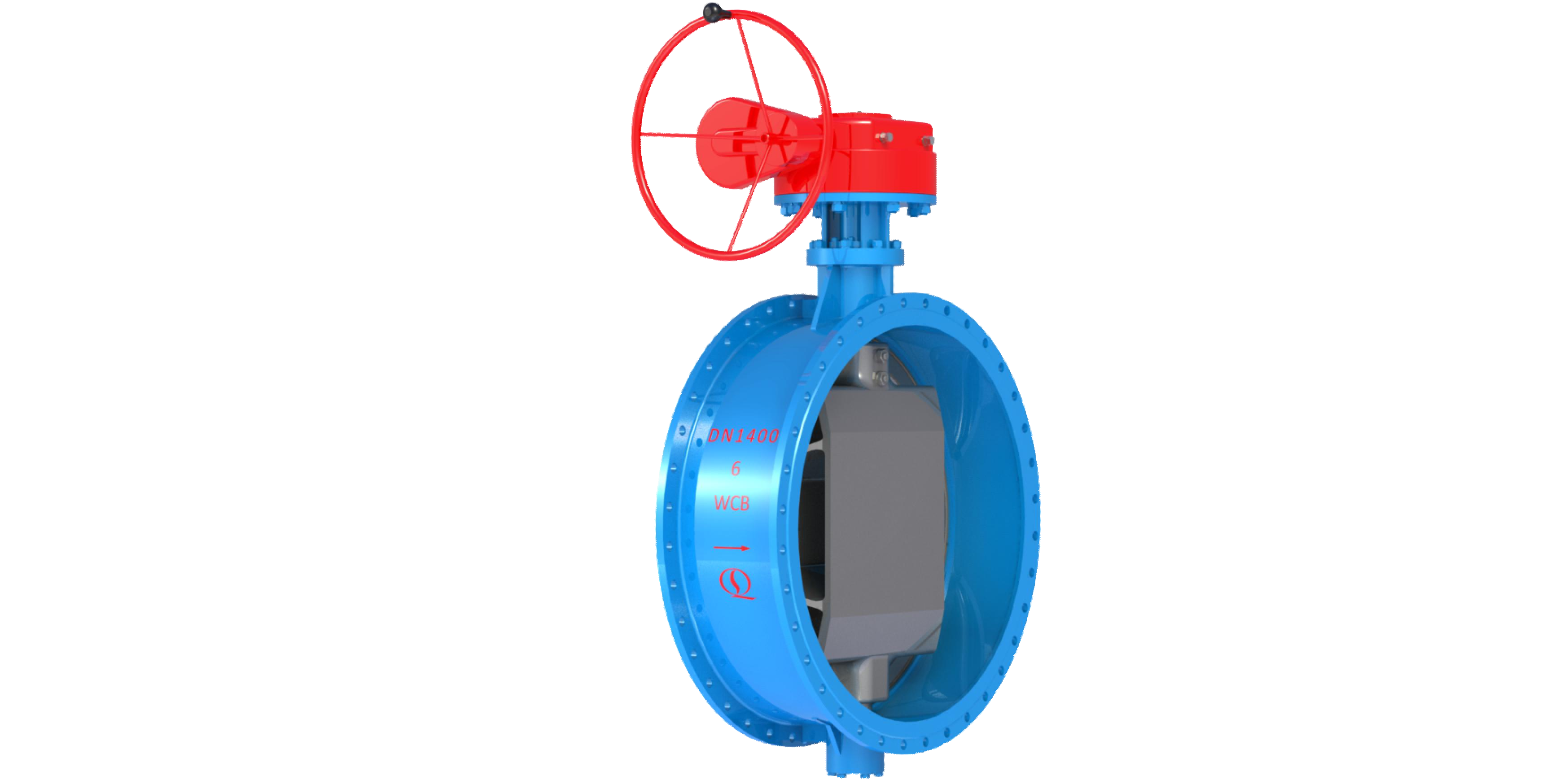
Bidirectional Metal Hard Sealed Seawater Butterfly Valve
Henan Quanshun Flow Control Science & Technology Co., Ltd.
Steel Plates for Chemical Pressure Equipment
Gansu JISCO Group Hongxing Iron and Steel Co., Ltd.

CAP1400 main feedwater flow nozzle flowmeter.
Jiangsu Hongda Instrument Technology Co., LTD.