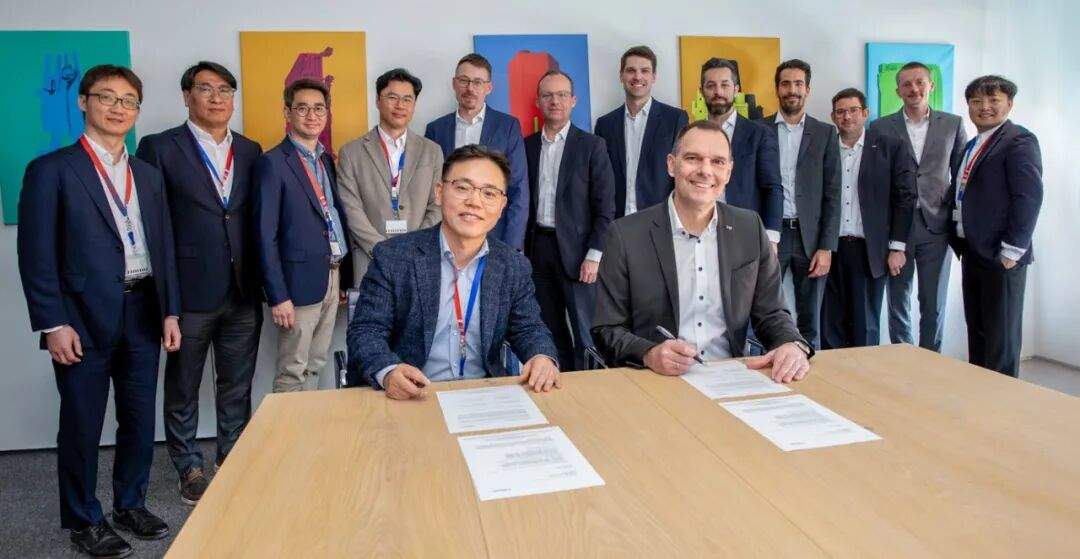
LG Chem Supplies Automotive Light Control Film to Webasto in Germany
en.Wedoany.com Reported - With the increasing popularity of electric vehicles and panoramic sunroofs, automobiles are evolving from a mere "driving space" into a multi-dimensional "experience space." In the future, panoramic sunroofs will no longer be just a simple piece of glass but will serve as an intelligent interactive interface for the car cabin, offering users a richer and more immersive travel experience.
In line with this development trend, LG Chem, leveraging its advanced materials technology and centered on the innovative SGF (Switchable Glazing Film) product portfolio, is actively leading the experience revolution of the "third space" on the vehicle roof. This material solution aims to reshape the spatial value of the cabin, achieving differentiation and a high-end quality design for future mobility.
Currently, LG Chem has supplied its SGF products to Germany's Webasto, a top 100 global automotive parts manufacturer, for application in cutting-edge intelligent sunroof systems integrated into European vehicle projects.
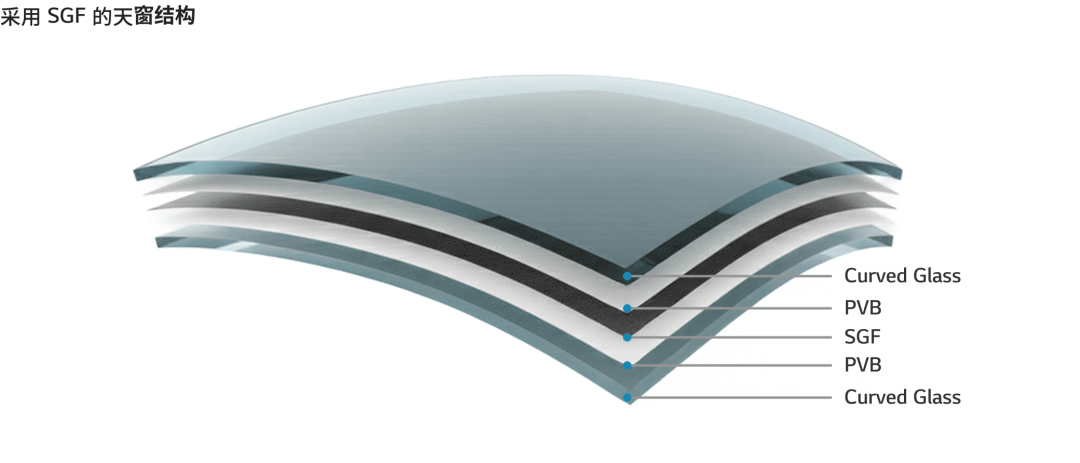
SGF (Switchable Glazing Film) is a next-generation automotive light control film that adjusts the degree of light and heat transmission through electrical signals. Its structure consists of an optical adjustment material sandwiched between two layers of electrode film. It is normally in an opaque state, but becomes transparent when voltage is applied, causing the internal liquid crystals to realign.
Unlike traditional glass sunroofs with fixed shading coatings, SGF can adjust light transmittance via electrical signals. Drivers can freely switch between transparent and shading modes based on driving and riding scenarios. While helping to create a differentiated cabin space, the SGF film meets the dual needs of full-view coverage and privacy protection.
The two technologies differ in structure and light control implementation, allowing the selection of the most suitable technical solution based on vehicle concept and application area.
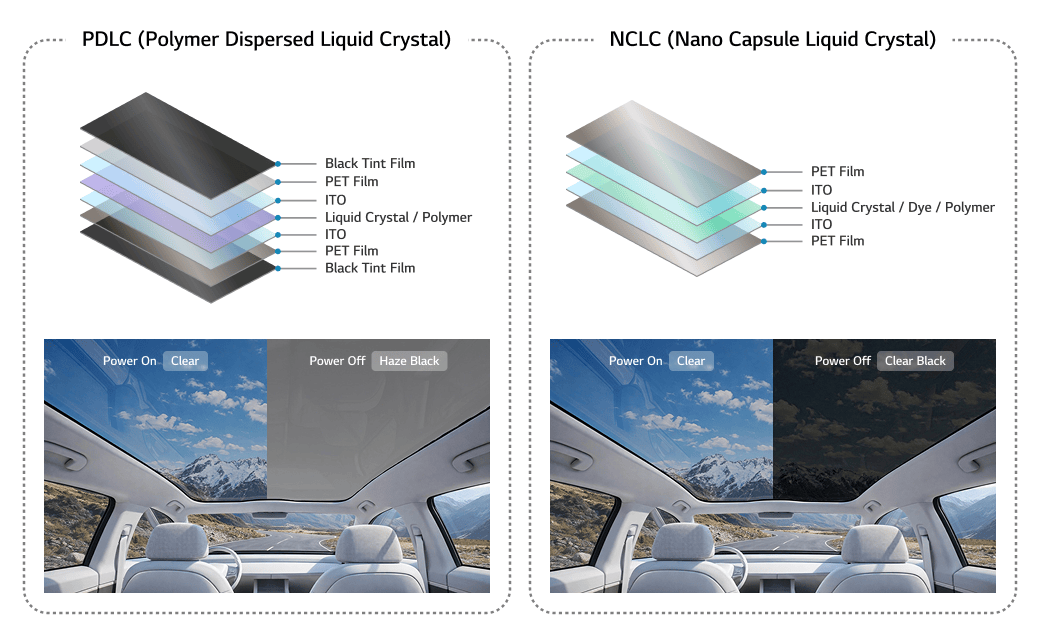
PDLC (Polymer Dispersed Liquid Crystal) is based on polymer dispersed liquid crystal technology, offering stable scattering-type shading performance and clear view control.
NCLC (Polymer Dispersed Liquid Crystal) utilizes nano-encapsulation technology, providing significant advantages in achieving uniform intermediate grayscale dimming control and Clear/Neutral Black color tuning, with faster response times.
LG Chem can provide customized SGF comprehensive solutions tailored to vehicle needs in terms of optical quality, grayscale dimming, color design, and segmented control functions, while enhancing the brand recognition and experience of the vehicle.
Leveraging its technical expertise in liquid crystals, adhesives, precision coating, and image forming technologies accumulated in electronic materials such as displays and semiconductors, LG Chem has successfully secured over 200 SGF-related technology patents. Compared to products from other companies, its SGF film exhibits fewer optical interference phenomena and maintains clear visibility from multiple angles.
SGF is widely applicable to various models in electric vehicles, high-end automobiles, and diverse market segments, covering applications such as side windows, sunroofs, and rear windshields. Additionally, SGF can be co-designed in terms of system integration, including driving, control, and wiring, based on different vehicle model requirements.
In recent years, beyond light control functions, the demand for thermal management technology in automotive glass systems has been steadily rising. To this end, LG Chem is actively advancing the development of SGF thermal management performance based on NCLC technology, committed to providing next-generation glass substrate solutions that integrate light and thermal management.
Due to the rapid development of the electric vehicle and autonomous driving markets, the demand for materials used in electrical components has grown quickly. In the future, LG Chem will actively expand into diverse electrical component markets, including automotive thermal management systems, engines, power semiconductors, communications, and sensors, with innovative material solutions.
Related Products
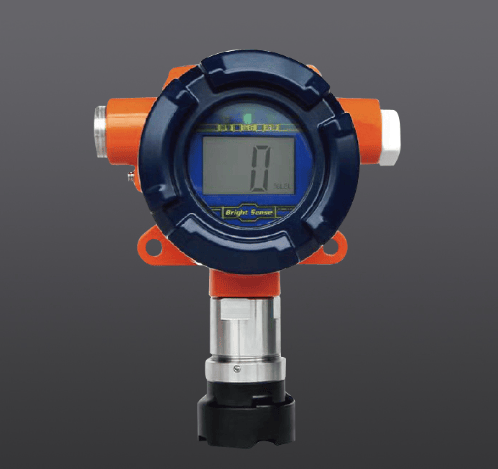


Industrial and Commercial Point-Type Gas Detector
Jinan Benan Technology Development Co., Ltd.

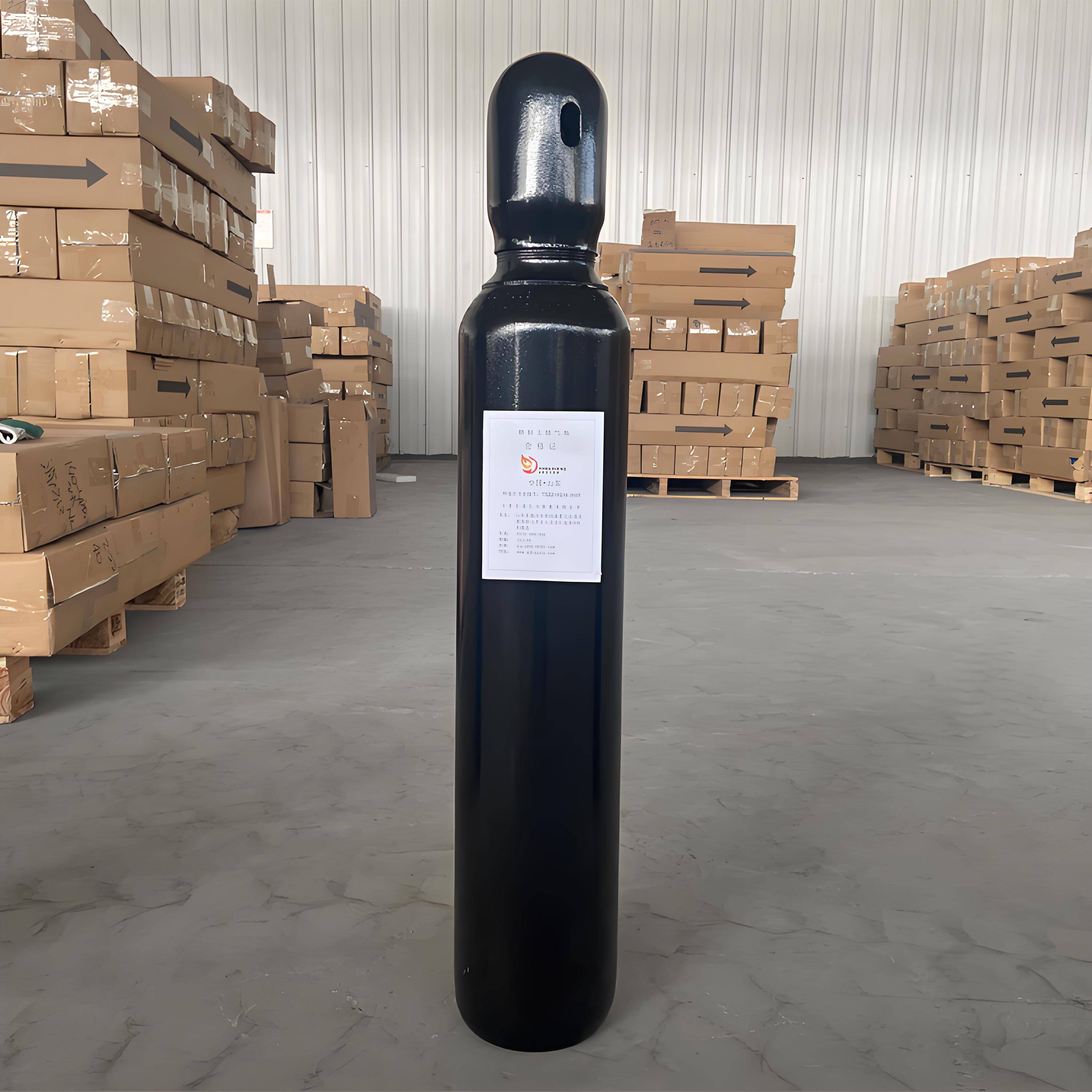
Nitrogen Export, Nitrogen Manufacturer, High-purity Nitrogen Supplier
Foshan Yuexin Industrial Gas Co., Ltd.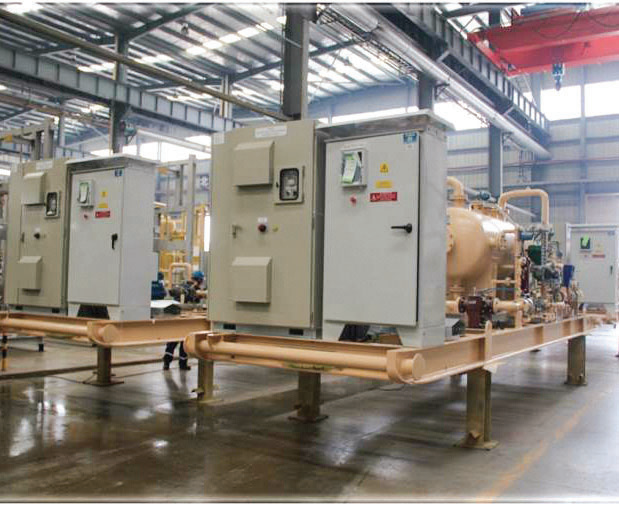


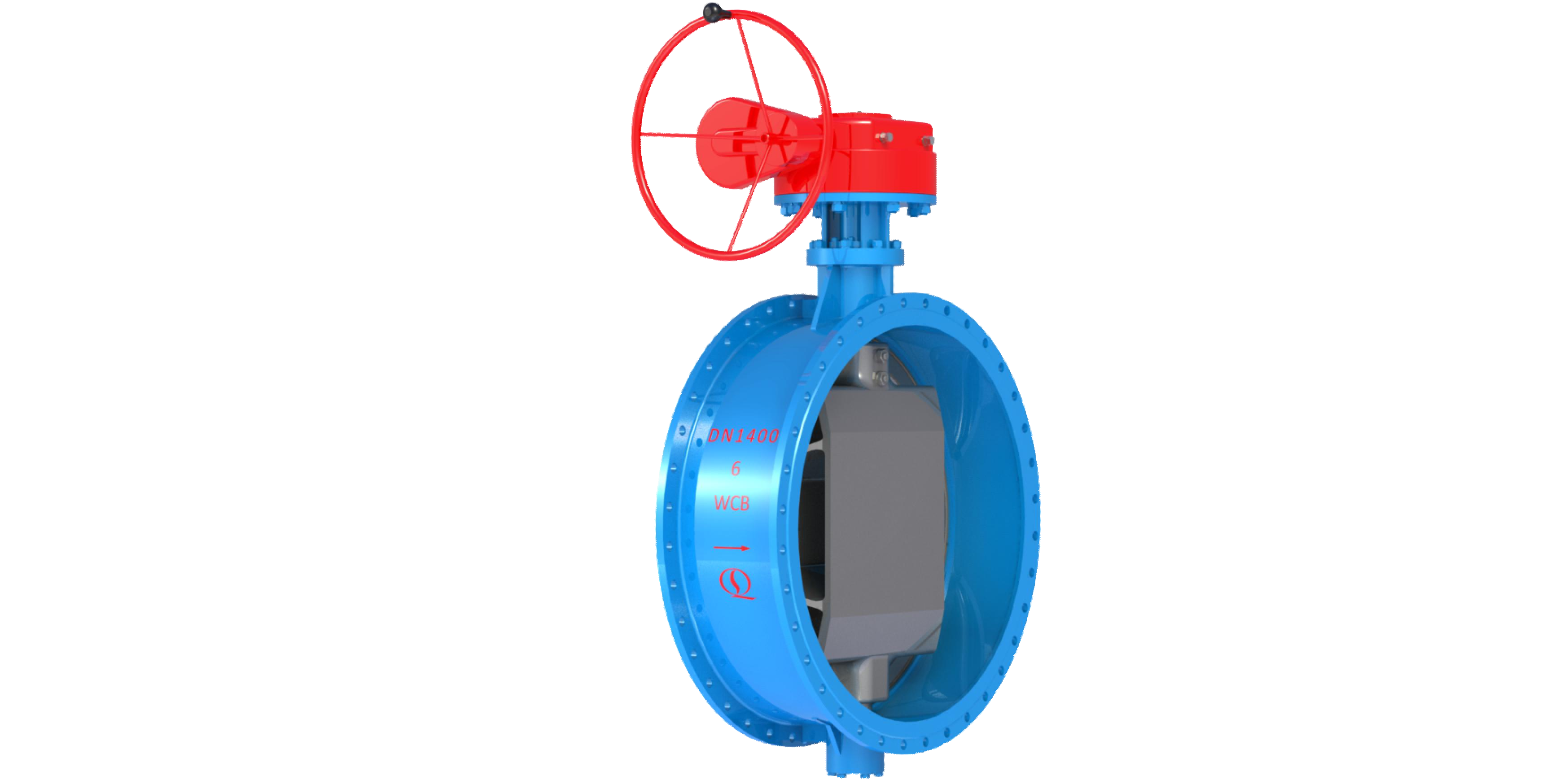
Bidirectional Metal Hard Sealed Seawater Butterfly Valve
Henan Quanshun Flow Control Science & Technology Co., Ltd.
Quick-Change Single-Seat Control Valve / Quick-Change High-Pressure Single-Seat Control Valve
Beijing Consen Automation Technology Co., Ltd.