Auckland Transport purchases 8 diesel ferries, EV Maritime secures Western Australia electric ferry contract
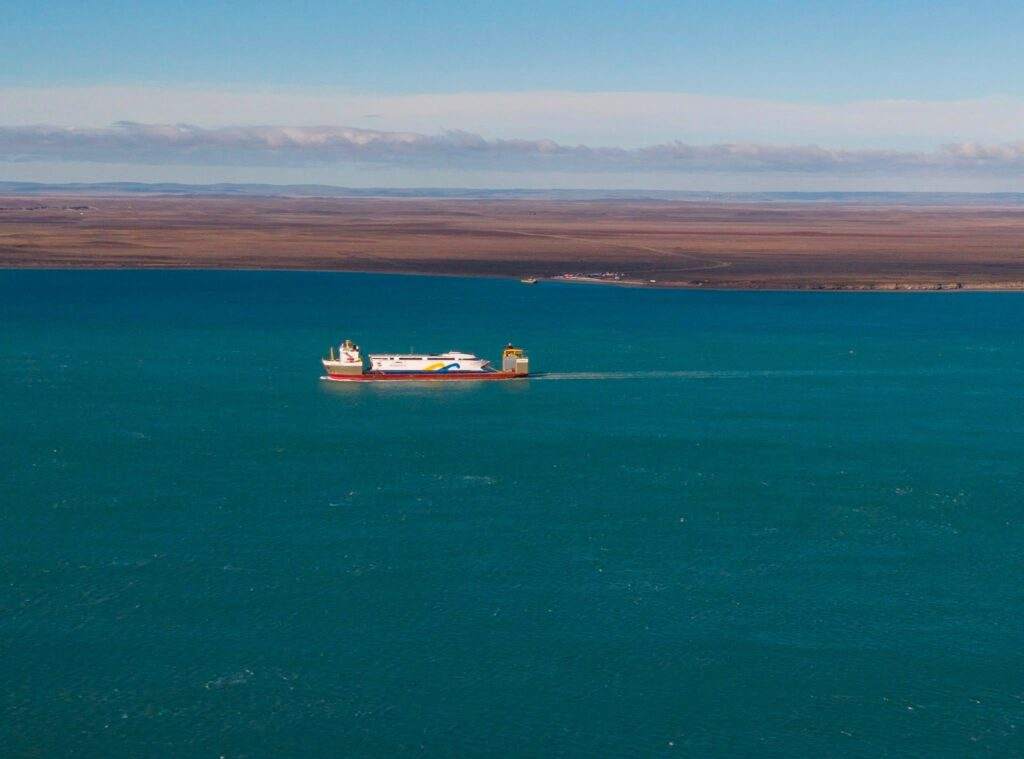
en.Wedoany.com Reported - Auckland Transport has paused its electric ferry expansion plans, instead proceeding with the procurement of eight 24-meter diesel ferries, three of which will be tendered this month, with the remaining five operated by Belaire Ferries and Kelsian Group. The new vessels will use low-emission diesel engines and feature modular electric or hybrid retrofit capabilities.
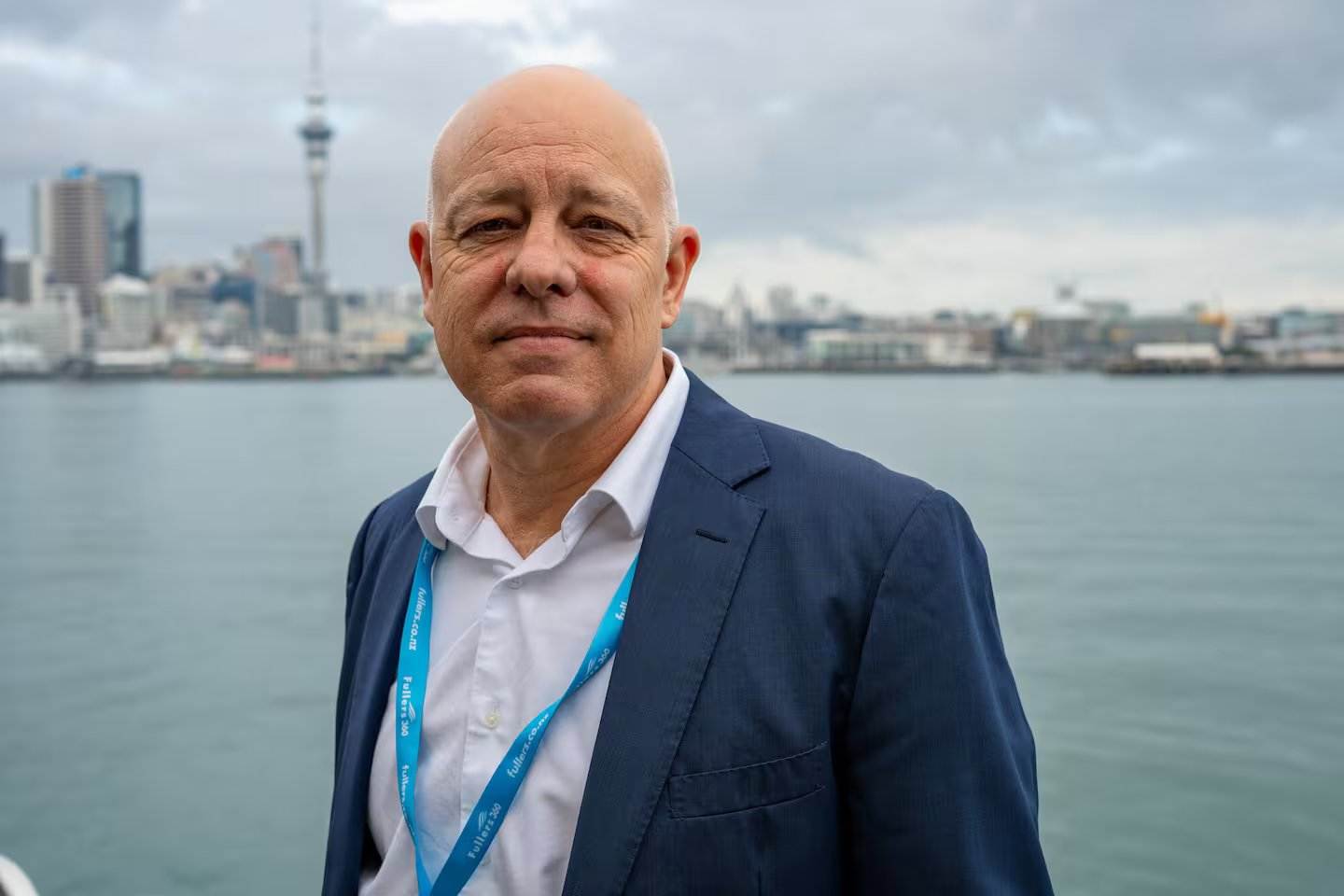
Mayor Wayne Brown stated that each new diesel ferry costs NZ$8 million, compared to NZ$20 million per electric or hybrid ferry, plus an additional NZ$27.6 million for dock charging infrastructure. Fullers CEO Mike Horne said tests show that all-electric ferries have energy costs 70% to 75% lower than comparable diesel ferries.
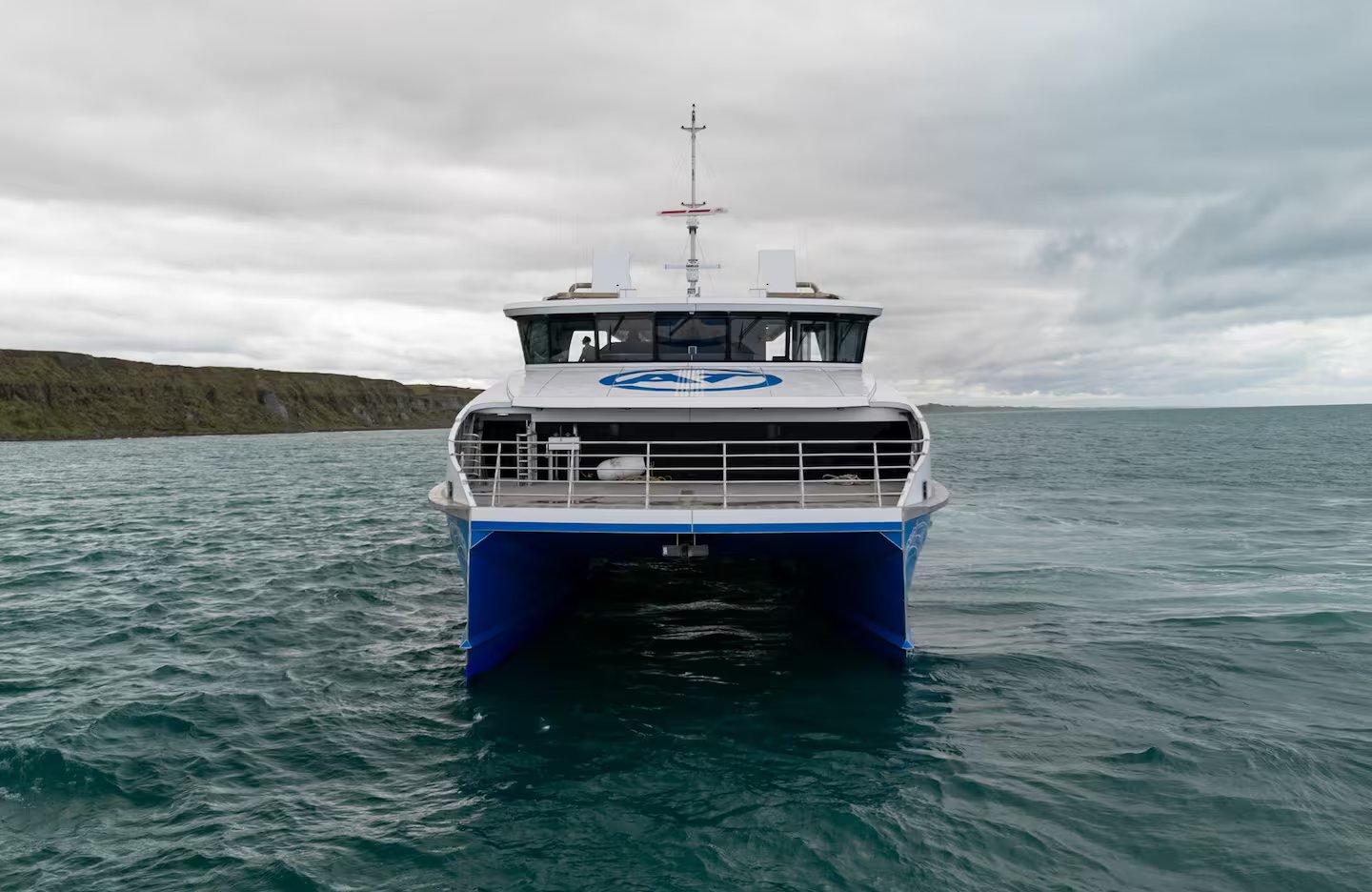
Kelsian Group disclosed in a July 2 market filing that it acquired Belaire for NZ$8.9 million, with the expected capital cost for the five new diesel ferries at NZ$38 million. The seven-year Western Route contract will generate NZ$101 million in revenue and includes a revenue indexation mechanism to hedge against diesel cost fluctuations.
Auckland's electric ferry program has stalled due to a depletion of central government funding, with only two hybrid-electric vessels and two all-electric vessels. The first all-electric ferry has been idle for a year, while the central ferry terminal charging infrastructure, originally scheduled for completion in December 2024, has been delayed to mid-2027.
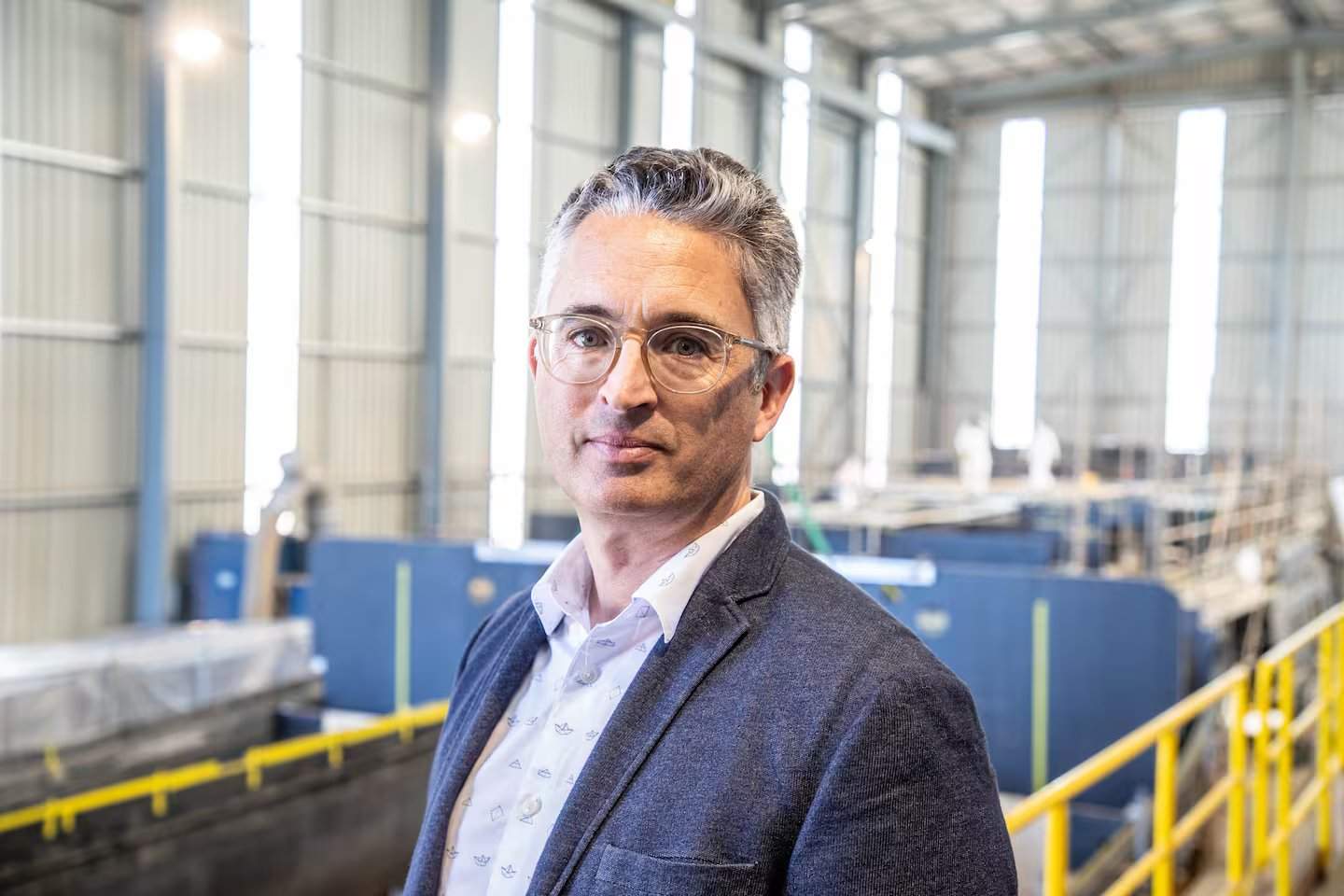
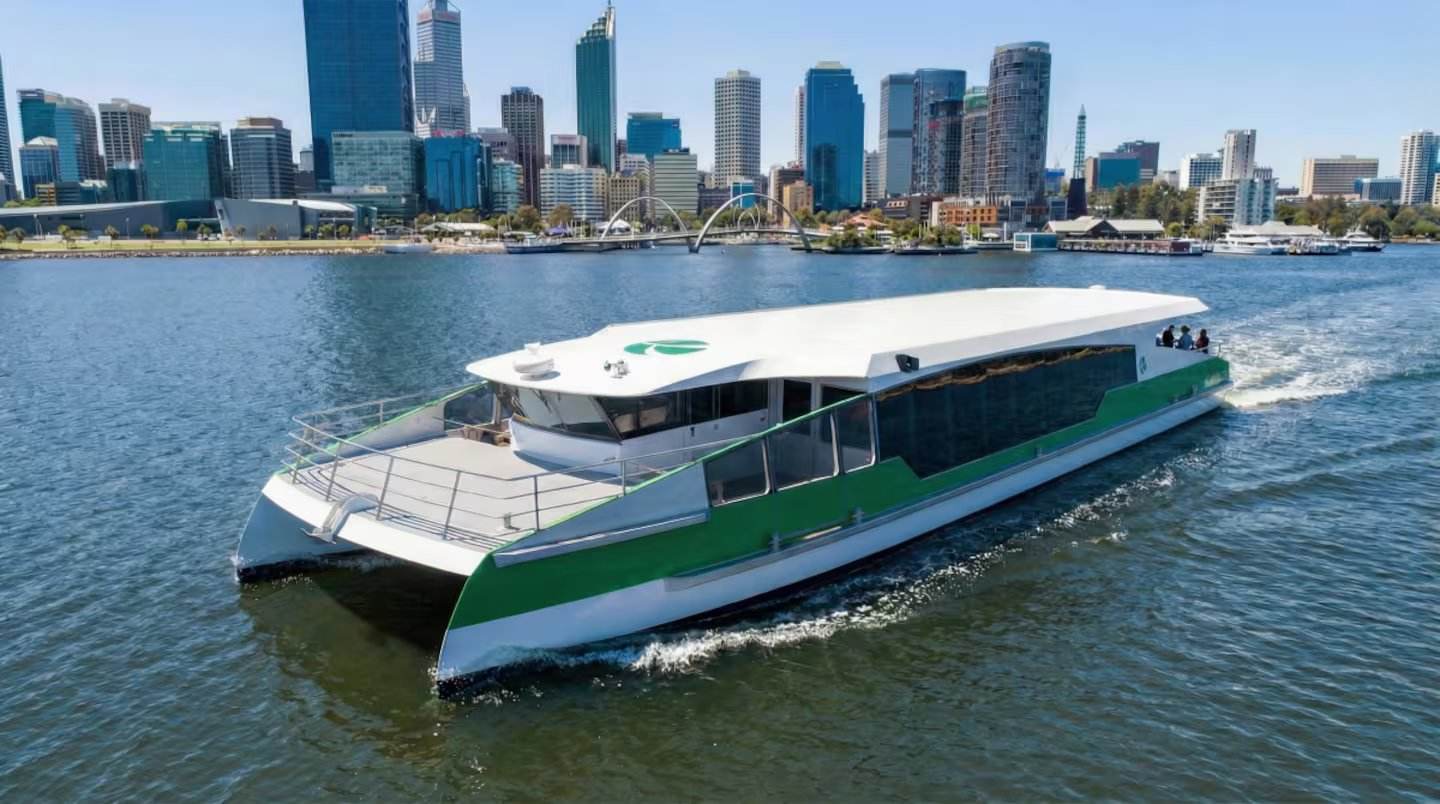
McMullen & Wing shipyard in East Tamaki, Auckland, built the first two all-electric ferries, with EV Maritime responsible for design, engineering, and electrical integration. Despite the local Auckland market shifting toward diesel, EV Maritime has made progress overseas: Echo Marine Group signed a A$66 million contract with the Public Transport Authority of Western Australia to supply five 100-passenger, 24-meter all-electric ferries, with electrical system integration subcontracted to EV Maritime.
In the data center sector, U.S. AI company Anthropic plans to purchase 1.4 gigawatts of capacity, with CDC Data Centres participating in the bid. The first 1 gigawatt is required to be online by the end of 2027. The tender budget is between US$12 billion and US$15 billion. Infratil disclosed that CDC's independent valuation grew 23.6% in the June quarter to A$18.5 billion, with its 49.7% stake valued at A$9.2 billion.
Rising AI token costs are driving corporate rationing trends. Uber, after exhausting its annual budget in March, set a monthly cap of US$1,500 per employee per AI tool. The CEO of Westpac installed an AI token tracker on his laptop to monitor the cost of each interaction.
The Australian Competition and Consumer Commission has sued Amazon Prime Video, alleging unfair contract terms: approximately 850,000 users who prepaid for a year of service were then required to pay an additional US$2.99 per month to avoid advertisements. The New Zealand Commerce Commission stated it has not taken action on similar concerns but maintains regular contact with major subscription businesses.
Amazon's wholly-owned subsidiary Leo plans to launch satellite internet services by the end of the year, with slightly fewer than 400 satellites currently in orbit. Another operator, AST SpaceMobile, also plans a commercial launch by year-end. Starlink's user base in New Zealand has grown from 58,000 to 85,000, holding a 27% market share and generating approximately NZ$185 million in annual revenue from the New Zealand market.
New Zealand Growth Capital Partners has appointed angel investor Debra Hall as its new chair, with Paul Hocking and Paul Reid as new directors. The state-owned entity received a NZ$100 million capital increase in the 2025 budget, with the 2026 budget providing NZ$10 million to create a new fund. Meanwhile, the Aspire seed fund has shifted from self-funding to receiving NZ$6 million annually from the government, but must pay an equivalent amount in dividends to the government.
Tech entrepreneur Ben Kepes has been appointed as the new chair of state-owned enterprise Kordia. Kordia's business spans media, emergency communications, and IT services. Last year, revenue was flat at NZ$146 million, with net profit barely reaching NZ$5 million from breakeven. The company plans to launch new cloud and AI initiatives this year.

![IVECO Cash-in-Transit [DMT5048XYCL3-AM] - Chongqing Dima Industry Co., Ltd](https://img.wedoany.com/2026/0911/20260911030157582.png)