South Korea Approves 2035 K-LEO Constellation Plan with 55 Trillion Won Investment
en.Wedoany.com Reported - The South Korean government has officially approved an industrial space strategy at the National Space Committee meeting, planning to establish an independent low Earth orbit satellite communication network by 2035. The initiative, reviewed under the chairmanship of President Lee Jae-myung, outlines a public-private partnership roadmap aimed at increasing South Korea's share of the global space economy from approximately 0.7% to 3.0%, corresponding to a target revenue base of 70 trillion won (approximately $49 billion).
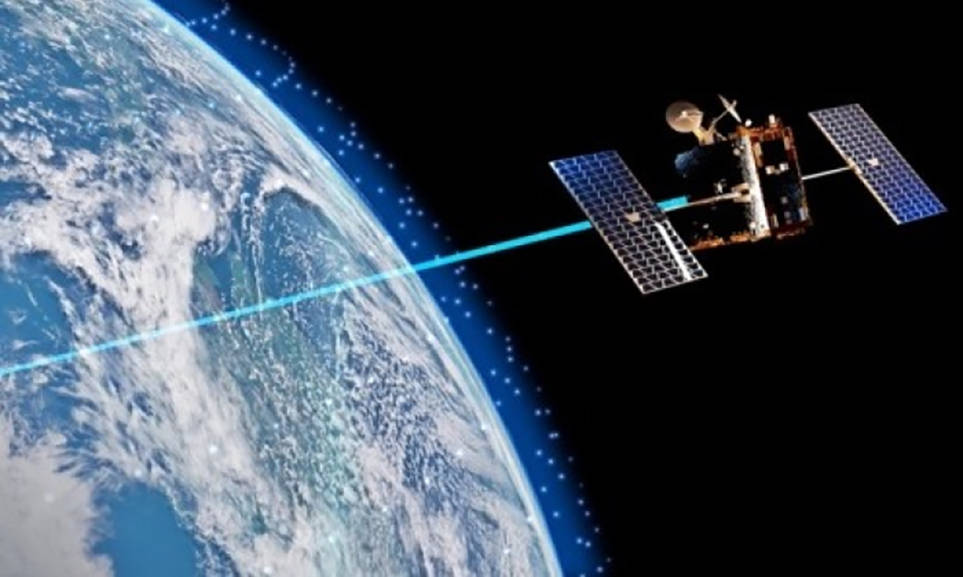
The project, managed by the newly established Korea AeroSpace Administration (KASA) and often referred to as the "Korean version of Starlink," will deploy hundreds of mass-produced dual-use communication satellites for military and civilian purposes. Meanwhile, the National Space Committee has advanced the unmanned lunar landing target timeline by a full two years, from 2032 to 2030.
Although South Korea possesses one of the world's most powerful terrestrial telecommunications systems, its infrastructure remains completely absent in deep-sea shipping corridors, remote air traffic control routes, and polar regions. The K-LEO project serves as a necessary "hyperspace" infrastructure layer to support the upcoming 6G era, aligning with 3GPP Release 21 non-terrestrial network parameters. The underlying technical architecture is led by the Electronics and Telecommunications Research Institute (ETRI), which recently completed an initial 200 Gbps space wireless link proof of concept. The system architecture utilizes integrated artificial intelligence modules to compute dynamic switching protocols locally in space. By adopting an intelligent LEO satellite conditional handover scheme based on multi-agent reinforcement learning, satellite payloads track the orbital paths and telemetry data of adjacent nodes, automatically adjusting active beam control parameters to maintain link stability for high-speed mobile urban air mobility vehicles, military drones, and maritime vessels.
The structural execution of the LEO program is underpinned by a 55 trillion won ($38.5 billion) public-private investment commitment formally confirmed by Hanwha Group Vice Chairman Kim Dong-kwan. Positioning itself as a vertically integrated "Korean SpaceX," Hanwha has systematically established an unassailable domestic monopoly in aerospace manufacturing. Following the recent acquisition of a major secondary equity stake in Korea Aerospace Industries (KAI), Hanwha Group manages the entire supply chain required to manufacture and launch the constellation.
The production cycle will advance through a phased implementation schedule managed by a dedicated cross-departmental task force, divided into three stages: Phase 1 (2030) completes mass production cleanrooms in the southern advanced industrial belt and delivers the first automated satellite platforms; Phase 2 (2032) launches dedicated test platforms for in-orbit operational verification of air-to-ground regenerative repeaters and inter-satellite laser links; Phase 3 (2035) completes the main constellation deployment. KASA is evaluating scale options ranging from 128 to 512 satellites (corresponding to budgets of 4 trillion to 13.2 trillion won), while Hanwha Systems' baseline defense architecture requires an initial core constellation of 192 ultra-low Earth orbit synthetic aperture radar and communication satellites, plus 60 polar orbit assets.
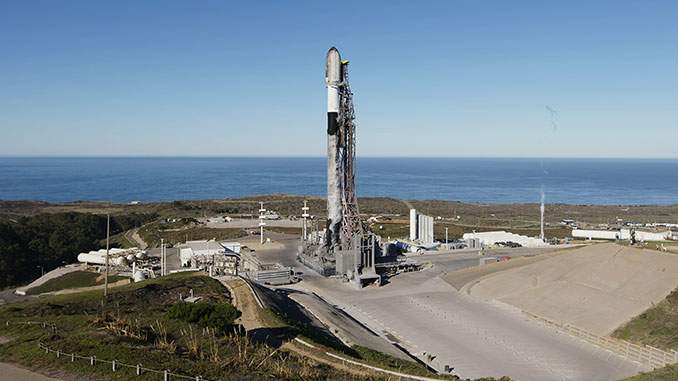
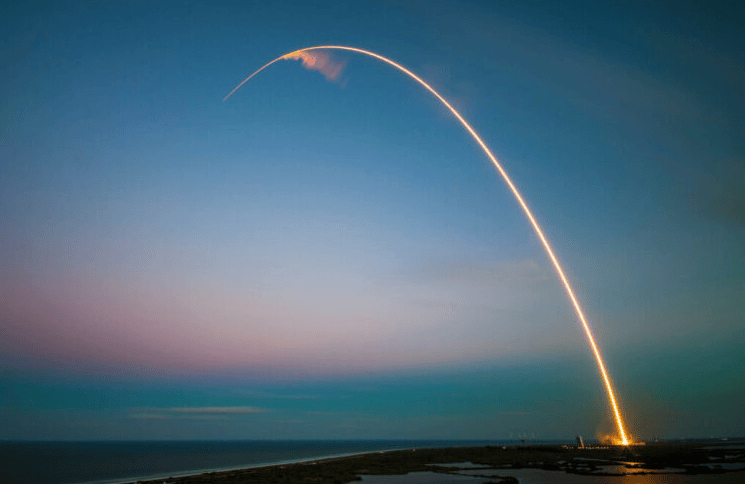
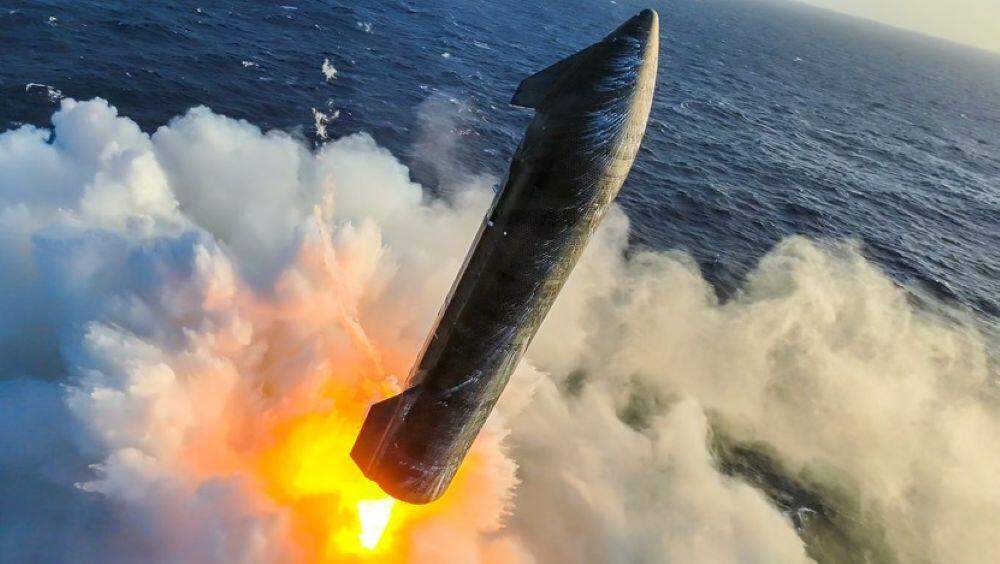
All satellites will be launched into space aboard South Korean launch vehicles manufactured by Hanwha Aerospace, adhering to the management principle of "our satellites using our launch vehicles." The launch manifest will rely on three execution matrices: repeated commercial flights of the existing liquid-fuel Nuri rocket, development of private small and medium-sized solid-propellant launch vehicles, and deployment of a fully reusable next-generation heavy-lift launch vehicle by the mid-2030s, targeting 10 launches per year from expanded launch pads at the Naro Space Center.
The confirmation of an independent, military-driven LEO network reshapes the competitive landscape for international commercial operators seeking a foothold in East Asia. Prior to KASA's sovereign financing announcement, the Ministry of Science and ICT had approved SpaceX's Starlink and Eutelsat's OneWeb for local commercial operations. Hanwha Systems serves as OneWeb's exclusive distributor in South Korea, ensuring the provision of its LEO network to the South Korean military by 2030, while state-owned telecom operator KT SAT maintains parallel distribution agreements with both Starlink and OneWeb services. Consumer tech giant Samsung Electronics is responsible for mass-producing 3GPP-compliant NTN communication chipsets for modern smartphone platforms.
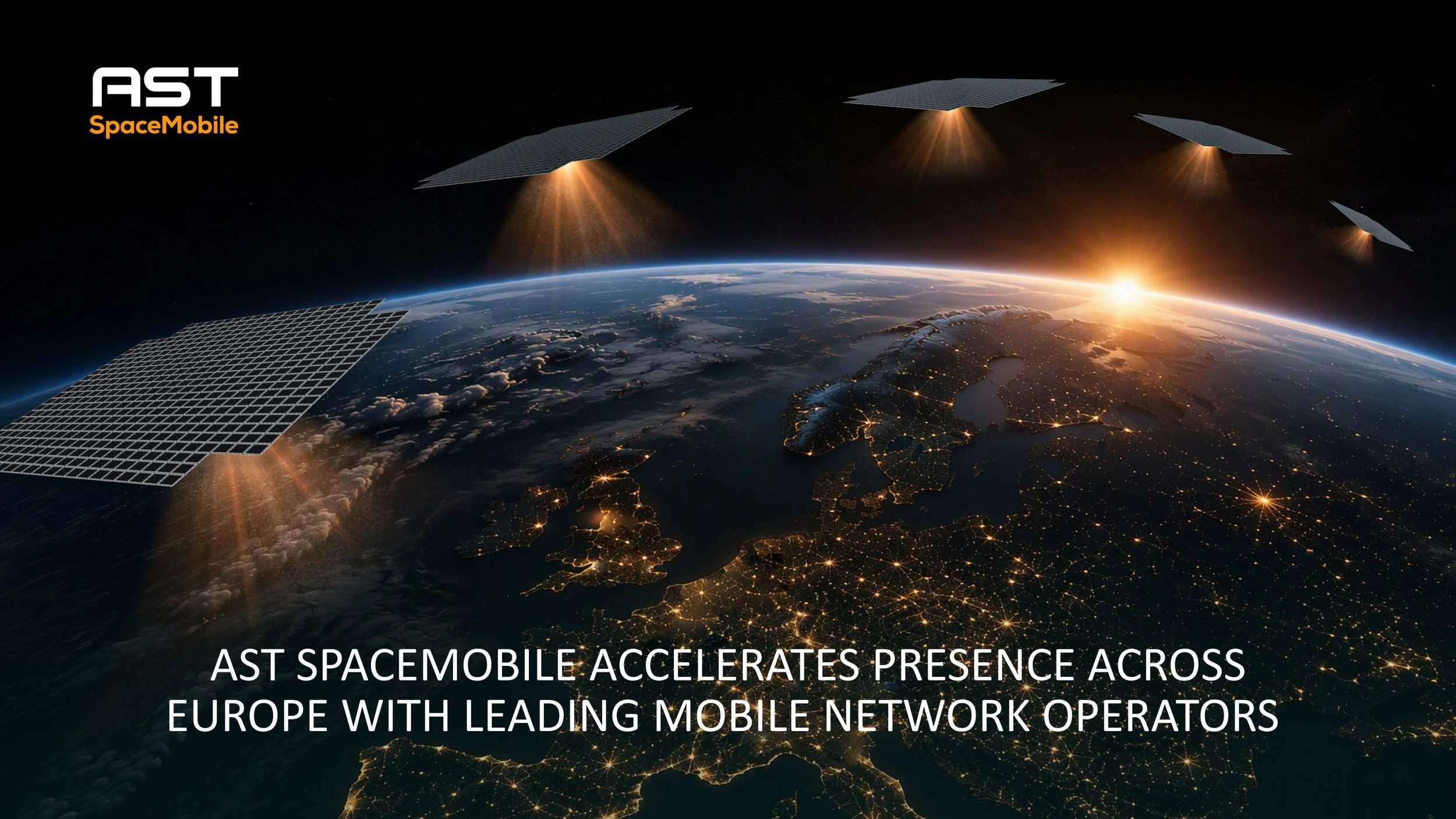
The specific defense logic driving the K-LEO project opens clear market opportunities for independent direct-to-device cellular operators such as AST SpaceMobile. Since Starlink relies on highly focused, proprietary high-frequency Ku/Ka band spot beams, its ground terminals and consumer terminals are vulnerable to targeted electronic warfare interference. AST SpaceMobile's architecture directly shares standard low-frequency terrestrial mobile frequencies with standard smartphones. To effectively jam AST's transmissions, an adversary's electronic warfare forces would be compelled to disrupt an extremely broad geographic area, thereby paralyzing their own regional communication networks in the process. While AST SpaceMobile has reached deep integration agreements with nearly 60 global mobile network operators representing over 3 billion users, its global roster currently includes no South Korean operators. With the three major South Korean operators—SK Telecom, KT, and LG U+—not included in existing exclusive international satellite alliances, this newly independent, 6G-focused nation presents a lucrative open market opportunity for AST ahead of KASA's 2035 deployment window.
Related Products


Multi-function Marine Monitoring Low-altitude Detection Radar Sea-air Boundary Ocean Dynamic Environment Measurement
Chengdu Dixin Technology Co., Ltd.

G.652.D Wavelength-extended Non-dispersion Shifted Single-mode Optical Fiber
HONGAN GROUP CO., LTD.
Mine Explosion-proof and Intrinsically Safe Industrial Ethernet Ring Network (10 Gigabit/Gigabit)
Chongqing Mas Sci&Tech Co., Ltd.
Industrial and Commercial Point-Type Gas Detector
Jinan Benan Technology Development Co., Ltd.
20 Inch 1600*900 Full HD 60Hz TFT LED Monitor with VGA and DP Interfaces for Desktop Computers-Business Use
Guangzhou Zanying Optoelectronics Technology Co., Ltd.
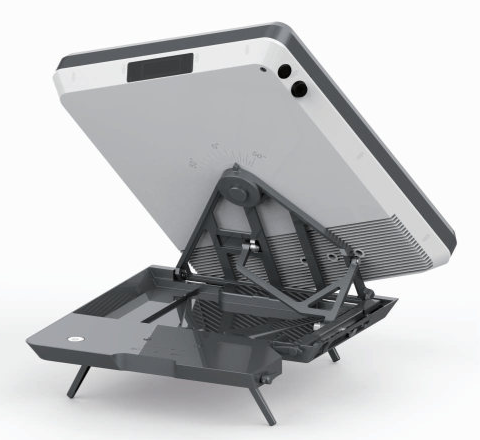
Flat Portable Satellite Terminal 0.35m Aperture Manual Portable Terminal
China Starwin Science & Technology Co., Ltd.