en.Wedoany.com Reported - Lisa O’Neill is pursuing a master's degree at the School of Medicine, University College Dublin (UCD), researching neuro-affirming educational approaches for autistic students. She is also the founder and CEO of "NeuroConnect," a platform led by autistic individuals that translates research findings and lived experiences into practical training, guidance, and AI-powered support tools for educators, employers, families, and autistic people.
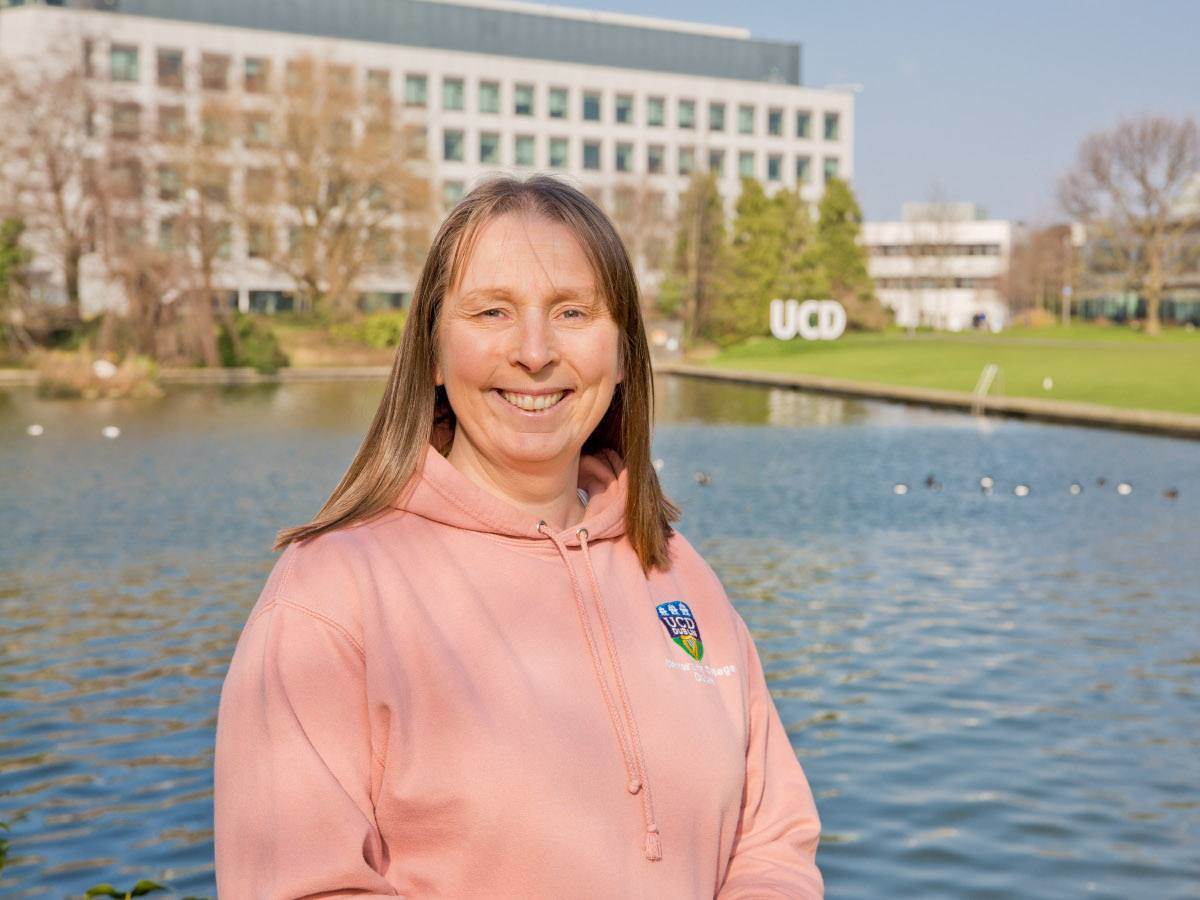
O’Neill herself was diagnosed with autism around the age of 45. This realization made her aware that autistic individuals are still profoundly misunderstood in education, healthcare, and the workplace, prompting her to engage in related research. Her current master's project focuses on collaborative partnerships for autistic students in mainstream secondary education, exploring how schools, families, and autistic individuals can work together more effectively to create more supportive and neuro-affirming educational experiences. The project is partly inspired by her experiences as a late-diagnosed autistic adult and as a parent of an autistic child. Through close collaboration with her son's school to help teachers understand his communication style, the school began adopting her suggestions, and her son was able to attend school daily without issues. She conducts this interdisciplinary research in collaboration with supervisors from the fields of medicine and psychology.
Alongside her academic research, O’Neill is simultaneously developing the NeuroConnect platform, translating research findings into neuro-affirming training programs, digital support platforms, collaborative planning tools, and AI-assisted guidance systems. She emphasizes that any commercial application must be grounded in ethics, accessibility, and the autistic perspective, rather than merely raising awareness. She believes one of the challenges in research is bridging the gap between lived experiences and traditional systems, as autistic voices have historically been underrepresented in research, and education and healthcare systems are often too pressured to lack resources for supporting neuro-affirming approaches. Responding to common misconceptions, she points out that autism research should not focus solely on deficits or finding a "fix"; small adjustments in communication, predictability, and understanding can often significantly improve support. O’Neill hopes future research will involve more co-creation with autistic individuals, focus on relational and systemic approaches, and ethically utilize AI and technology to improve accessibility and support for neurodivergent people, while also strengthening strengths-based research that focuses on autistic individuals' sense of belonging and quality of life.