South Korea's LIG Accuver Video Quality Analysis Algorithm VQML Receives ITU Standardization Approval, Becoming a Global Standard
en.Wedoany.com Reported - South Korean communication test solution provider LIG Accuver's video quality analysis algorithm VQML has received standardization approval from the International Telecommunication Union (ITU), becoming a new technology in the global video quality assessment standard system. VQML, which stands for Video Quality assessment with Machine Learning, is a deep learning-based video quality measurement solution used to analyze the video service performance and picture quality as actually experienced by users.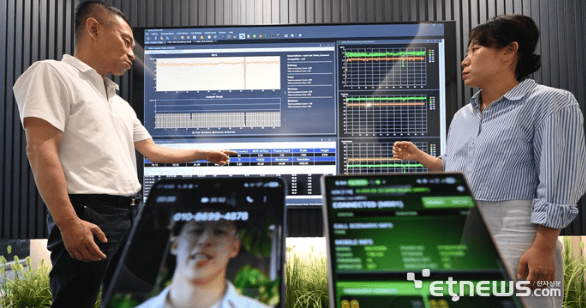
The technical focus of VQML lies in "no-reference" video quality assessment. Traditional video quality testing often requires comparing the original video with the received video to determine issues such as picture damage, compression artifacts, stuttering, and reduced clarity. However, in real network environments, operators, testers, or terminal sides may not always have access to the original video. VQML directly analyzes the received RGB video content using machine learning models, without relying on the original video or transmission metadata, to predict the user-perceived video quality result value. This approach is more suitable for field testing in mobile networks, OTT, video calls, live streaming, IPTV, and public safety video services.
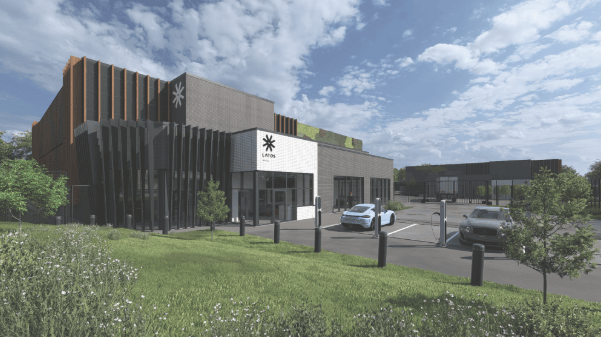
On the 7th, at LIG Accuver in Seongnam-si, Gyeonggi Province, South Korea, developers have been monitoring and analyzing video quality result values using VQML.
The core output of this algorithm is a video quality score that closely approximates user subjective experience. Video service quality is not merely the sum of network parameters such as bitrate, resolution, packet loss rate, or latency. What users truly perceive is whether the picture is clear, motion is smooth, stuttering is frequent, block distortion is noticeable, and audio is synchronized with video. VQML uses deep learning models to learn the relationship between video content features and user experience scores, transforming the manual subjective evaluation process into an automated quality measurement method. For operators, this algorithm can be embedded into network testing, network optimization, service acceptance, and video service monitoring processes to identify the time, location, network conditions, and terminal environment where video experience degrades.
LIG Accuver has previously deployed VQML in its real-time video quality measurement solution, which can be used in conjunction with wireless network testing and optimization products. As mobile communication networks evolve into 5G and subsequent 6G, video calls, in-vehicle video, remote control, public safety communications, unmanned device backhaul, and XR content demand higher quality of experience, making it insufficient to solely monitor network KPIs. With VQML entering the ITU standard system, it can provide a unified video experience assessment method for different operators, equipment vendors, and testing organizations, making video quality test results more comparable across networks, terminals, and service scenarios.
After LIG Accuver's VQML is incorporated into the ITU-T next-generation no-reference video quality assessment related standard model, video quality analysis will further move from laboratory subjective testing towards automated, real-time, and standardized testing. The algorithm can subsequently continue to be used in scenarios such as streaming media, video conferencing, mobile network optimization, public safety network video call quality verification, and terminal-side video experience monitoring.
Related Products


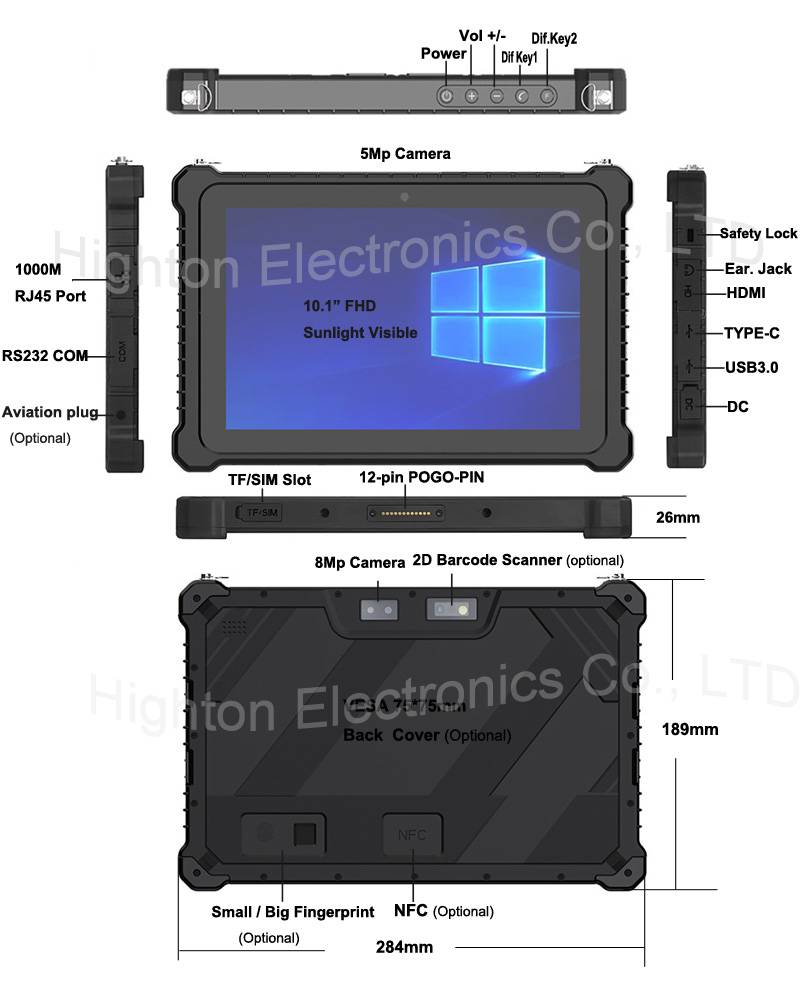
Hot Selling 10 Inch Intel N5100 I5 I7 FHD 8 +128GB 16+256GB Win10 Pro Win11 Pro 4G 5G Rugged Tablet PC Pad with NFC Barcode
Highton Electronics Co., Ltd.
G.652.D Wavelength-extended Non-dispersion Shifted Single-mode Optical Fiber
HONGAN GROUP CO., LTD.

GYTA Type Non-Self-Supporting Aerial/Duct Optical Cable
TONGDING INTERCONNECTION INFORMATION CO., LTD.
Multi-function Marine Monitoring Low-altitude Detection Radar Sea-air Boundary Ocean Dynamic Environment Measurement
Chengdu Dixin Technology Co., Ltd.