Ericsson, AT&T and MediaTek Complete First North America LTM 5G Advanced Trial
en.Wedoany.com Reported - Ericsson, AT&T and MediaTek have collaborated to complete the first field trial in North America for Layer 1/Layer 2 (L1/L2) Triggered Mobility (LTM) on AT&T's live network, supported by Ericsson's Radio Access Network (RAN) system, using Ericsson's Low-Latency Mobility feature.

Ericsson Low-Latency Mobility is a feature set within the company's 5G Advanced Critical IoT subscription offering, designed to reduce handover interruption time, enabling faster and more reliable connection switching, and providing a more seamless connectivity experience for users and devices on the move. Test results show that LTM can reduce data interruption time by up to 25% during cell handovers compared to traditional Layer 3 mobility mechanisms.
The reduction in handover interruption time enables LTM to support a range of emerging applications and use cases with stringent real-time requirements, including Extended Reality (XR/VR), time-critical communications, immersive video conferencing, and cloud-based applications. For both individual and enterprise users, near-seamless mobility is critical for such applications, and reducing interruptions during handovers helps avoid user dissatisfaction, customer churn, security risks, traffic disruptions, and production or equipment downtime.
Furthermore, by reducing handover interruptions and improving mobility certainty, LTM also strengthens the underlying network requirements for Artificial Intelligence (AI)-driven applications. Many emerging AI workloads—such as real-time XR scene reconstruction, edge-assisted perception, industrial automation, and connected vehicle data analysis—rely on continuous data exchange, low jitter, and predictable latency as devices move. By minimizing data interruptions between terminals, edge nodes, and the cloud caused by device movement, LTM helps these AI applications maintain reliable operation in large-scale deployments.
This joint effort included the aforementioned field trial, with Ericsson providing the RAN system for the project. Ericsson has also been a major contributor and driver of LTM development and standardization within 3GPP. The industry widely views this feature as an enabling technology for achieving more stable user data rates during continuous device connectivity, with the potential to reduce handover failure rates across various service scenarios.
Related Products
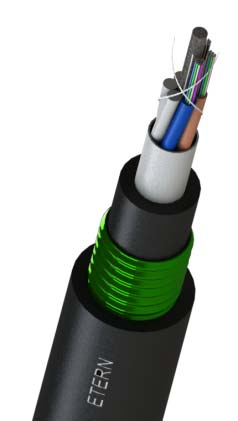


GYTA Type Non-Self-Supporting Aerial/Duct Optical Cable
TONGDING INTERCONNECTION INFORMATION CO., LTD.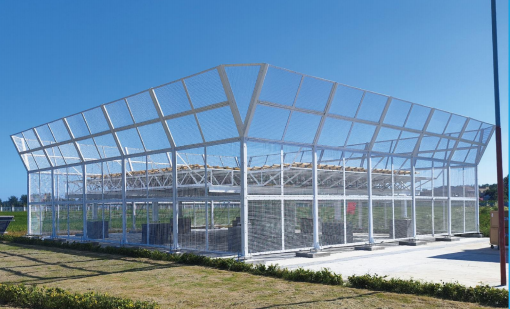
TWP16 P-Band Tropospheric Wind Profile Radar
China Huayun Meteorological Technology Group Co., Ltd.

Mine Explosion-proof and Intrinsically Safe Industrial Ethernet Ring Network (10 Gigabit/Gigabit)
Chongqing Mas Sci&Tech Co., Ltd.
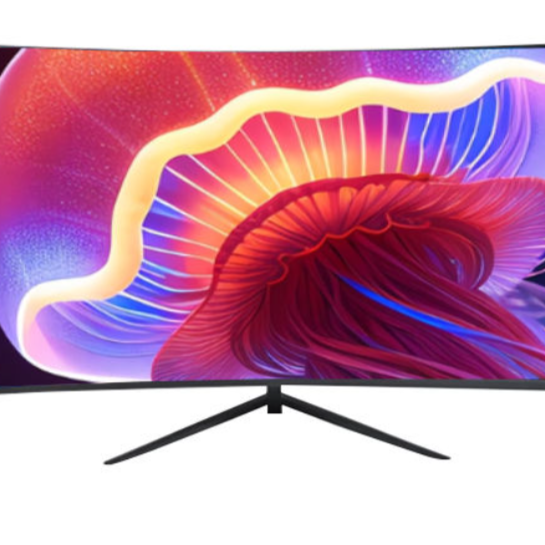
20 Inch 1600*900 Full HD 60Hz TFT LED Monitor with VGA and DP Interfaces for Desktop Computers-Business Use
Guangzhou Zanying Optoelectronics Technology Co., Ltd.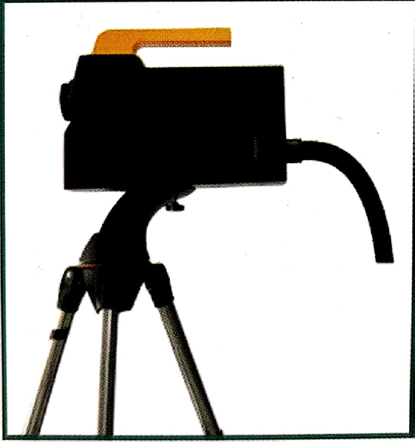
Automatic Aiming Laser Remote Obstacle Removal Robot
Pinggao Group Weihai High-Voltage Apparatus Co., Ltd.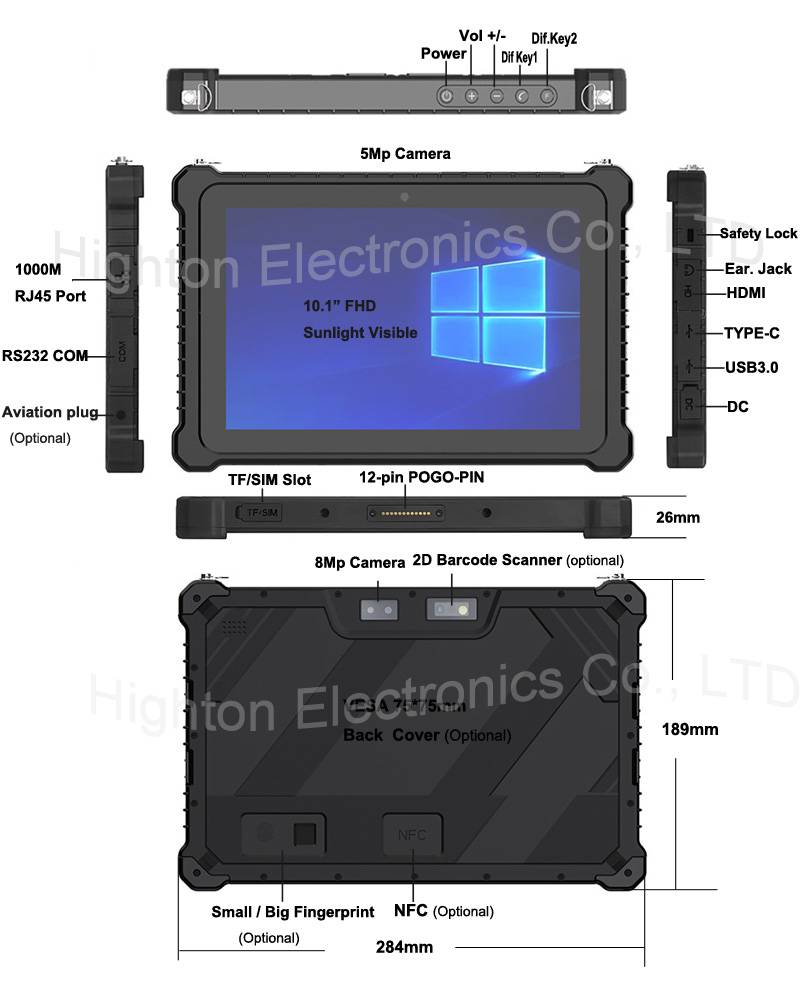
Hot Selling 10 Inch Intel N5100 I5 I7 FHD 8 +128GB 16+256GB Win10 Pro Win11 Pro 4G 5G Rugged Tablet PC Pad with NFC Barcode
Highton Electronics Co., Ltd.

Multi-function Marine Monitoring Low-altitude Detection Radar Sea-air Boundary Ocean Dynamic Environment Measurement
Chengdu Dixin Technology Co., Ltd.