Brazil Approves Starlink Direct-to-Cell Service
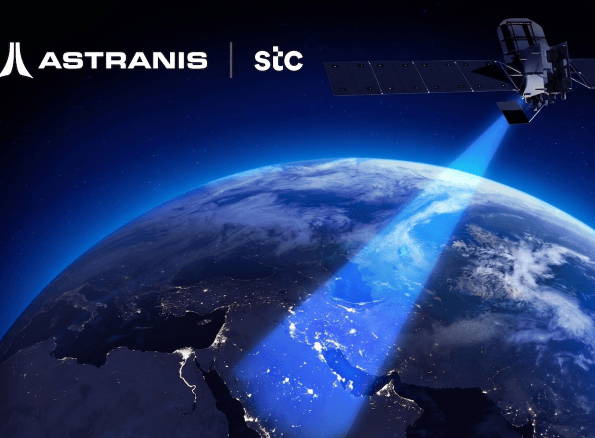
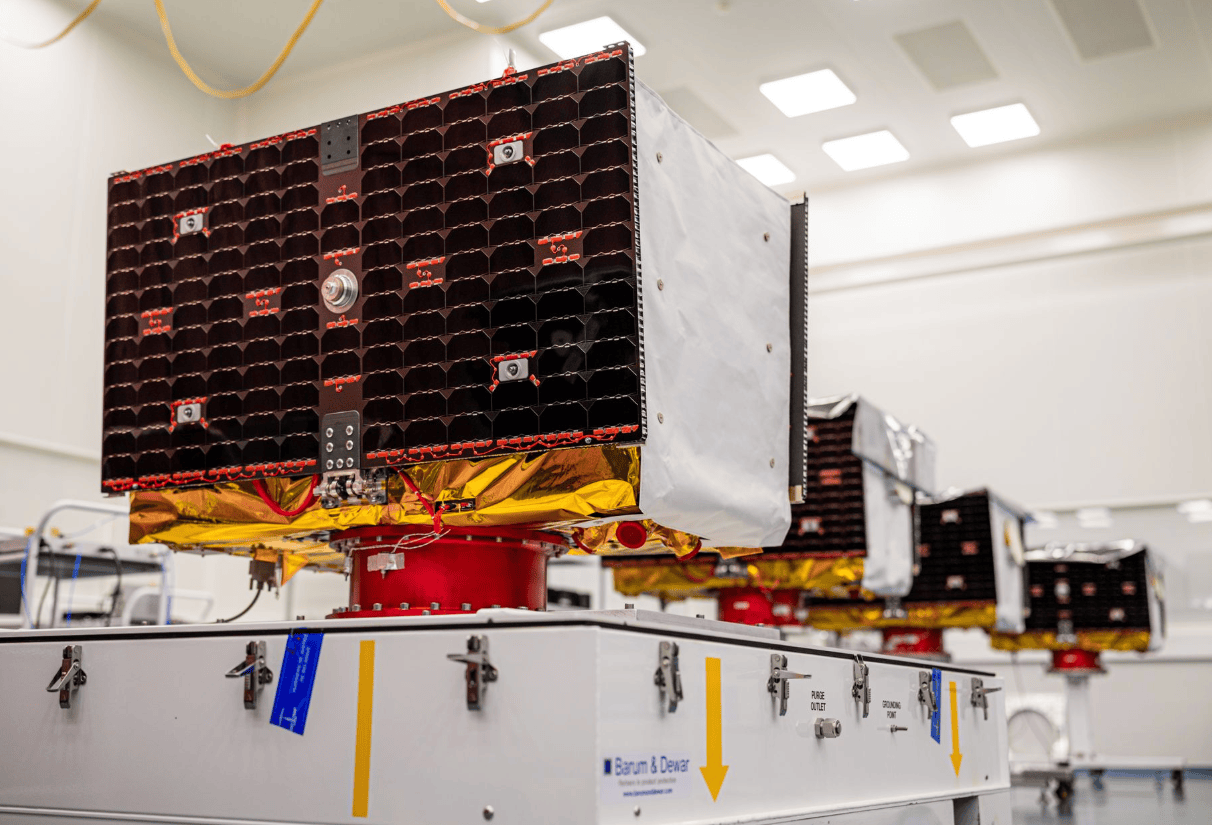
en.Wedoany.com Reported - The Board of the National Telecommunications Agency (Anatel) has approved the use of radio frequency bands for direct communication services between satellites and mobile phones, establishing a regulatory foundation for companies like SpaceX's Starlink to offer direct-to-cell services without the need for external antennas. This decision officially allows low-orbit satellites to act as "cell towers in space," transmitting signals to areas beyond the reach of traditional mobile networks.
This technology, known as Direct-to-Device (D2D), will enable future compatible smartphones to connect directly to satellites without relying on the antennas, routers, and self-installation required by current Starlink standard kits. Currently, Starlink services primarily target homes, businesses, rural properties, vessels, and remote areas. With this new authorization, satellite connectivity can serve as an additional layer for mobile networks, maintaining communication in areas without operator signals. For Brazil, this model can fill extensive coverage gaps in highways, agricultural and livestock regions, remote communities, forested areas, border zones, and rural properties far from urban centers.
However, users should not initially expect a mobile satellite internet experience comparable to urban 4G or 5G networks. The technology is likely to start with basic functions such as sending messages, location services, and emergency communications, gradually expanding to voice calls and more robust data applications as the service matures. Anatel stipulates that this service must be offered in partnership with telecom companies already authorized to use frequency bands in Brazil; Starlink or any other satellite company cannot provide the service independently. In the United States, Starlink offers a similar service through a partnership with T-Mobile.
The plan approved by Anatel proposes using frequency bands related to mobile communications, including 700 MHz, 850 MHz, 900 MHz, 1,800 MHz, 1,900/2,100 MHz, and 2,500 MHz. These bands will be used as a secondary application for D2D services, with traditional mobile networks retaining priority. Satellites will only provide supplementary coverage in areas where ground infrastructure is unavailable.
No exact date has been set for commercial launch. Anatel has determined that the Authorization and Resource Management Authority will establish the technical specifications required for service implementation within 90 days. Only then can commercial agreements, testing, compatible device certification, and the selection of operators offering satellite connectivity to customers proceed. Initial expectations suggest the service may be launched at no additional charge, temporarily included in partner operators' plans, but this does not imply permanent free access. As the technology evolves and offers more features, the service is likely to be incorporated into specific packages or premium plans.
For agribusiness, the arrival of Starlink's direct-to-cell service could bring significant changes. Many rural properties still rely on external antennas, radios, or satellite solutions installed at fixed locations. Direct smartphone connectivity can provide producers, technicians, drivers, and field teams with a communication alternative in areas lacking traditional signals, helping to improve rural road safety, facilitate emergency location, support remote farm operations, and expand access to climate, market, logistics, and management data.
Anatel's decision has paved the way for Starlink's direct-to-cell service, but it does not immediately make it available to all Brazilians. The service depends on three main factors: technical regulation, partnerships with operators, and device compatibility. This approval marks a significant turning point in the telecommunications market, as direct satellite-to-phone connectivity has officially entered Brazil's horizon.