Australia's Capacity Investment Scheme Reserves 500MW Generation and 2GWh Storage for First Nations
en.Wedoany.com Reported - The Australian government has, for the first time, introduced a dedicated "First Nations Reserve Pilot" in rounds 9 and 10 of the Capacity Investment Scheme (CIS), reserving a portion of capacity targets for projects that commit to First Nations equity participation or benefit-sharing arrangements.
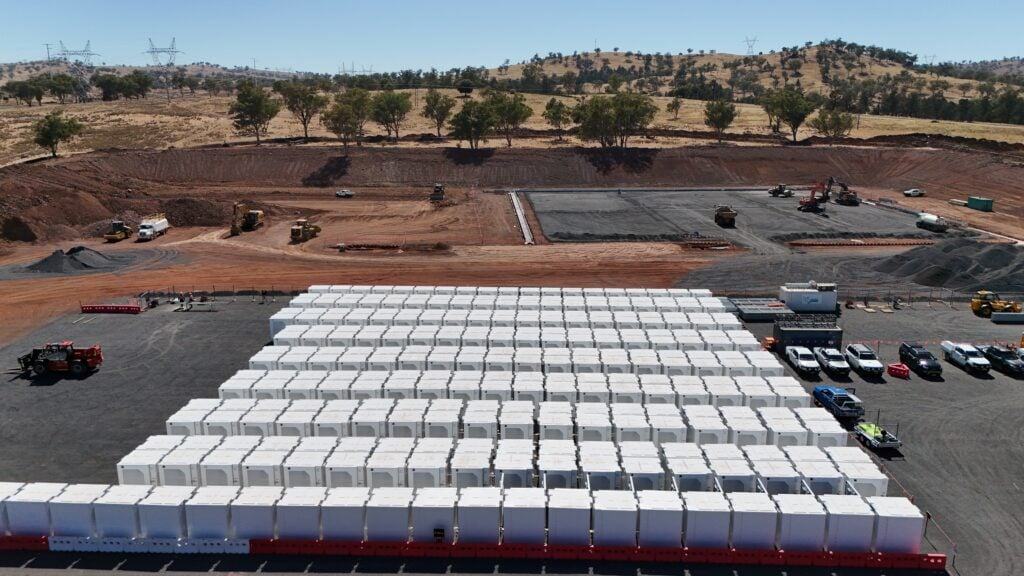
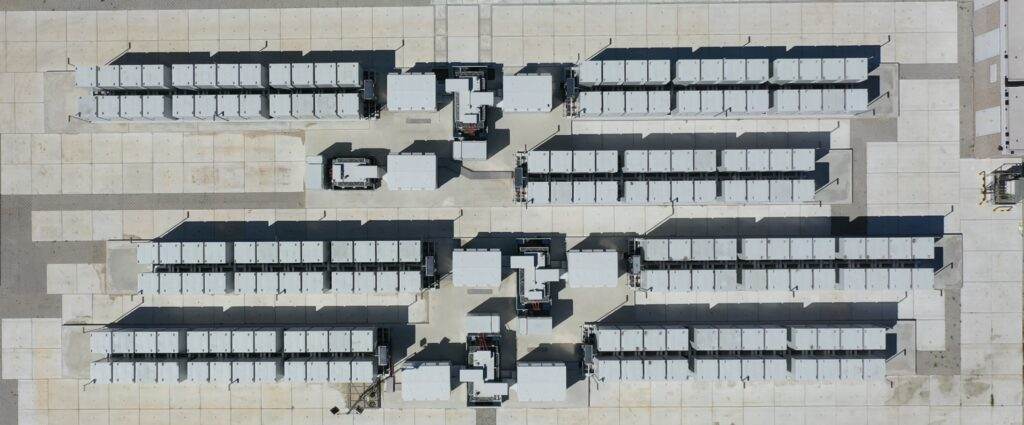
Round 9 of the CIS aims to procure 5 gigawatts (GW) of renewable energy generation capacity for the National Electricity Market (NEM), with 500 megawatts (MW) reserved for projects meeting First Nations criteria. Round 10 seeks 4 GW equivalent of 4-hour or 16 gigawatt-hours (GWh) of battery storage capacity, reserving 500 MW equivalent of 4-hour or 2 GWh under the same framework. This marks the first time a dedicated First Nations capacity allocation has been embedded simultaneously in a generation tender and a dispatchable storage tender.
To qualify for the reserve, project proponents must demonstrate a commitment to at least 5% equity participation and/or project benefit-sharing with First Nations partners. Participation in the reserve is voluntary; projects that do not opt in or are ineligible will still be assessed under the standard tender process. All bids are subject to the same qualification and evaluation criteria, regardless of reserve participation. The pilot will be reviewed after the conclusion of rounds 9 and 10, with potential improvements considered in the future.
The federal government stated that this initiative aims to respond to the scale and pace of renewable energy and storage development on First Nations lands, enabling communities to share in the economic benefits of development rather than merely having infrastructure built on their land.
Since the initial CIS tenders, First Nations considerations have been incorporated into the framework, but previously through evaluation criteria rather than dedicated capacity allocation. To date, the scheme has awarded contracts through eight NEM tenders and two Western Australian tenders, with cumulative procurement volumes growing significantly since the early rounds.
Previous tender data shows that Round 3 of the NEM dispatchable tender attracted 135 GWh of bids against a target of just 16 GWh, indicating a strong pipeline of developer projects. Round 4 awarded 11.4 GWh of solar-plus-storage contracts, with three of the 20 winning projects committing to benefit-sharing with First Nations communities. Round 7 secured 7.8 GW of renewable generation and 7.9 GWh of battery storage capacity across 19 projects, with total community benefit commitments (including First Nations outcomes) nearing AUD 1.2 billion (approximately USD 830 million).
The shift from scoring First Nations outcomes as an evaluation criterion to reserving dedicated capacity for eligible projects represents a structural change in how the government uses procurement frameworks to drive outcomes. The reserve design addresses a recognized pattern where community benefit commitments in competitive tenders may be treated as supplementary rather than core to project development. By specifically reserving capacity for projects that commit to First Nations equity or benefit arrangements, the government creates a separate competitive pool where the financial structure of arrangements serves as an eligibility threshold rather than a scoring factor.
Battery storage projects under the reserve must meet the same technical and financial qualification standards as all other participants in Round 10, including a credible path to commercial operation. The registration deadline for Round 10 is August 4, 2026, with a question-and-answer period running until August 11, 2026.
Related Products
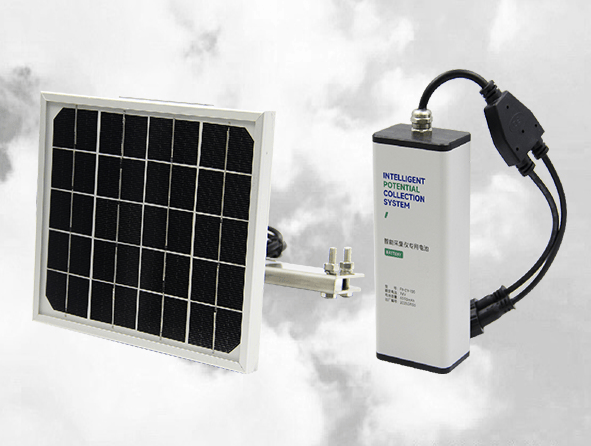

Inductive Power Harvesting Self-Powered Device - Safuneng
SELF ENERGY TECHNOLOGY (SHENZHEN) CO., LTD.
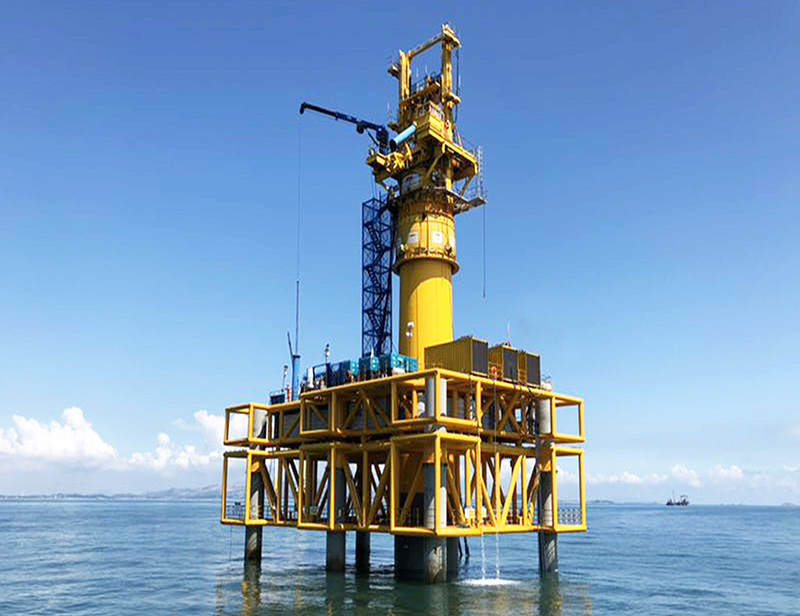
CITIC Heavy Industries Offshore Wind Power Equipment Hydraulic Pile Hammer
CITIC Heavy Industries Co., Ltd.
Hydrogen Production Technology: Hydrogen Purification by Pressure Swing Adsorption
Chengdu Yizhi Technology Co., Ltd.
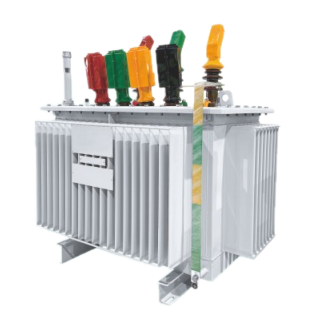
IS(B)□-M·RL Series Oil-immersed 3D Transformer (Planar / 3D Wound Core)
Guangdong Kehua Electric Power Technology Co., Ltd.