Digital and intelligent transformation of Hebei International Land Port Cold Chain Park in China boosts annual profit by 72%
en.Wedoany.com Reported - The cold chain digital intelligence platform solution showcased by Shenzhen Qianhai Yueshi Information Technology Co., Ltd., along with practical cases from enterprises such as Hebei International Land Port and Yuhu Cold Chain, collectively reveal that smart cold chain logistics parks are reshaping the entire fresh agricultural product circulation chain through AI algorithms, digital twins, and unmanned equipment.
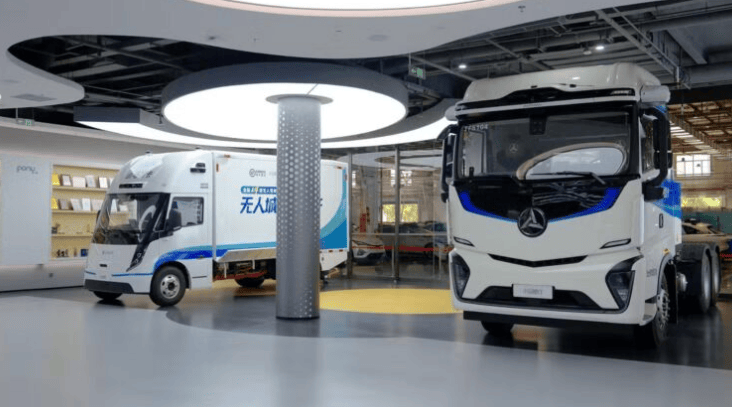
Traditional cold storage has long faced shortcomings such as low manual scheduling efficiency, coarse temperature control, and opaque links. Against this backdrop, smart cold chain logistics parks equipped with artificial intelligence technology have emerged. Qianhai Yueshi presented its cold chain digital intelligence platform solution at the 4th China International Supply Chain Expo. Its invested company, Yueshi Robotics, was selected in June for the Shenzhen 2026 "Robotics+" Application Demonstration Typical Cases list. The robot's self-developed distributed unmanned forklift system with IP67 protection rating can adapt to low-temperature environments ranging from minus 30 degrees Celsius to room temperature, achieving precise unmanned operations inside cold storage through proprietary algorithms. According to relevant sources, the cold chain intelligent handling robot is suitable for scenarios such as cold chain port warehouses, frozen product trading warehouses, cold chain parks, and food processing plants, while the cold chain intelligent picking robot meets the picking and handling needs of lightweight items. Based on its self-developed cold chain digital twin platform, Qianhai Yueshi provides real-time mapping of data such as warehouse temperature, humidity, and logistics trajectories, enabling "one warehouse, one chain" smart management across multiple cold chain parks nationwide, including Shenzhen Port and Zhengzhou Park.
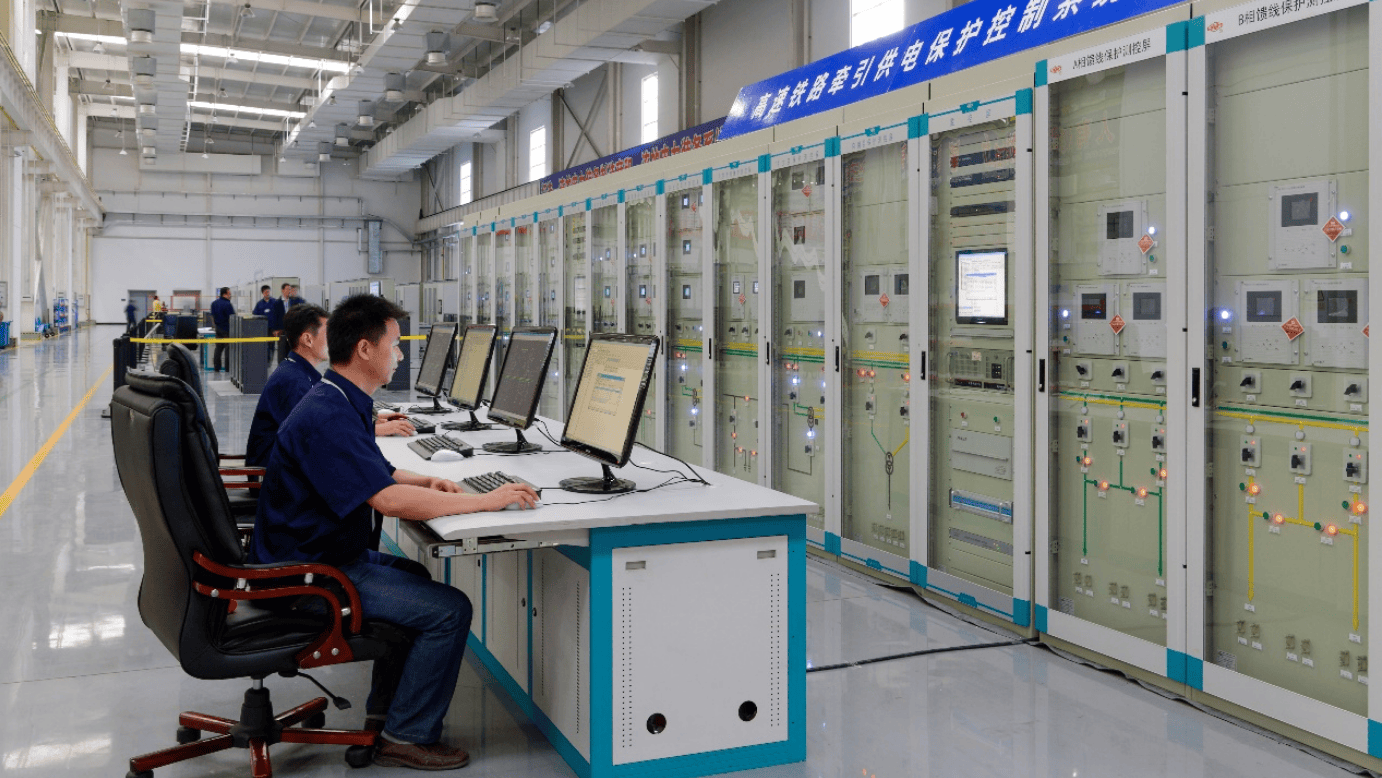
Dry warehouses No. 1 and No. 2 of the Hebei International Land Port Company's cold chain storage and supporting center recently achieved full-capacity operation, with a warehouse utilization rate of 100%. Wang Zhenyu, manager of the warehousing and operations department, stated that the dry warehouses are equipped with a high-bay racking system, intelligent inventory management system, and barcode scanning sorting equipment, enabling digital control of the entire process from goods inbound, storage, sorting, to outbound. The SCI smart supply chain data platform, independently developed by Hebei Logistics Group, is widely applied in scenarios such as bulk trade, supply chain finance, and smart parks. Data shows that warehouse operation efficiency increased by 20% year-on-year, annual material transshipment volume grew by 30% year-on-year, warehousing labor costs decreased by 20% year-on-year, and overall profit increased by 72% year-on-year. Through a combined strategy of "international channel expansion + domestic industrial synergy + digital and intelligent empowerment," the group has built a multi-business collaborative development pattern.
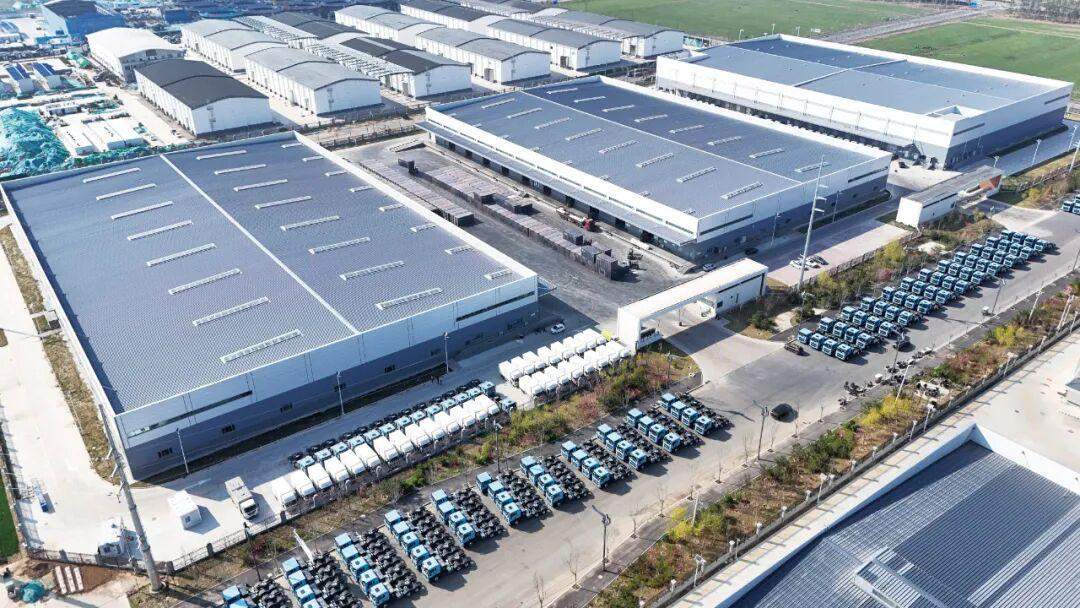
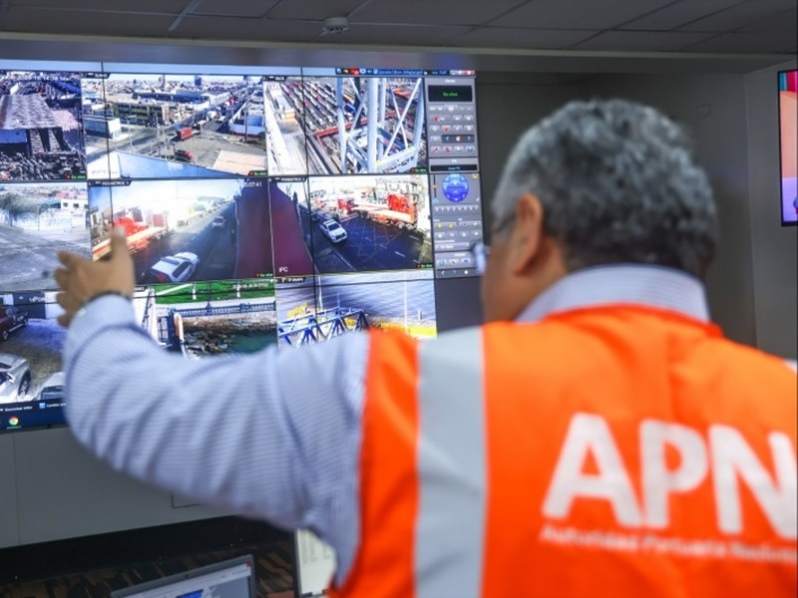
At the dispatch center of Yuhu Cold Chain's Guangzhou Park, the system can automatically match orders with vehicles, plan optimal routes, and issue timeout warnings for key nodes, shifting management from "post-event handling" to "in-process intervention." Since the intelligent dispatch platform was launched, park dispatch efficiency has improved by over 50%. The central control screen of Shandong Haichuang Smart Cold Chain Co., Ltd. shows that storage space utilization has approached 98%. Compared with traditional first-port warehousing, leveraging the policy advantages of the comprehensive bonded zone, the cold chain industrial park's storage fees can save 0.2 to 0.5 yuan per ton per day. For a company importing approximately 1,000 tons of frozen aquatic products monthly, annual storage costs can be reduced by 70,000 to 180,000 yuan. Additionally, the WMS warehouse management system developed by Qianhai Yueshi collects goods information by connecting intelligent devices, providing digital applications such as inbound and outbound operations, inventory counting, cost accounting, traceability, and alerts.
Market demand is driving the digital transformation of cold chain parks. According to statistics from the Cold Chain Committee of the China Federation of Logistics and Purchasing, from 2020 to 2025, the total demand for food cold chain logistics services in China grew from 265 million tons to 381 million tons, an increase of 43.8% over five years. This year's Central Document No. 1 proposed strengthening the construction of facilities such as pre-cooling at origin, storage preservation, and sorting and processing. In June, the Ministry of Commerce and seven other departments issued implementation opinions on accelerating the development of "AI + consumption," supporting the construction of smart logistics parks, smart ports, and smart warehouses. The Shanghai Municipal Transportation Commission and five other departments jointly released an implementation plan, also promoting the intelligent upgrade of warehousing and logistics facilities and encouraging enterprises to build new or renovate high-standard warehouses.
As of 2025, China has planned and built 105 national backbone cold chain logistics bases, covering 31 provinces (autonomous regions and municipalities). The Beijing Southeast Expressway Smart Logistics Port (Phase I) opened in July last year, featuring a "dark environment" unmanned warehousing scenario. Henan has built five national backbone cold chain logistics bases in Zhengzhou, Shangqiu, Xinxiang, Luohe, and Luoyang, with over 2,300 cold chain logistics-related enterprises. The Central Mingpin Food Industrial Park project has a total construction area of approximately 3.2 million square meters. The Jingmen Smart Cold Chain Logistics Park project in Hubei has a total investment of about 850 million yuan, advancing in three phases. Phase I has been completed and put into operation, Phase II's main structure is finished and entering equipment installation and commissioning, with trial operations expected by the end of June this year. Phase II will focus on enhancing the park's multi-temperature zone storage and intelligent sorting functions, with cold storage temperatures precisely controlled between minus 18 degrees Celsius and minus 23 degrees Celsius, and a total storage capacity reaching 130,000 tons. With policy dividends combined with technological iteration, smart cold chain parks with autonomous "thinking" capabilities are becoming the mainstream form of fresh produce circulation infrastructure.
Related Products


Wheel and Track Technology Business
Beijing Research & Design Institute of Rubber Industry Co., Ltd.

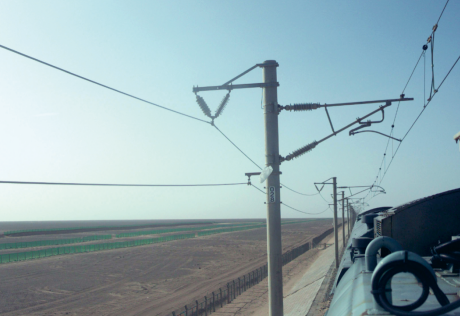
Pantograph-Catenary Comprehensive Detection Device (1C)
CHENGDU TANGYUAN ELECTRIC CO., LTD.
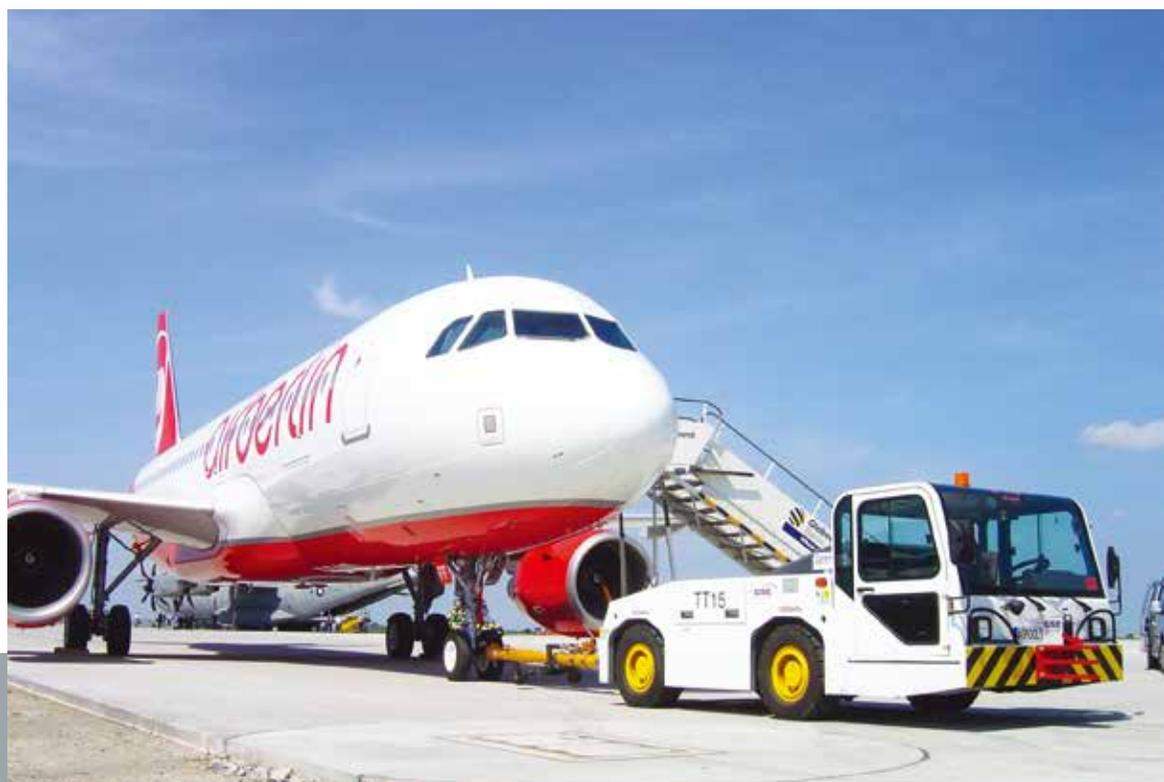
WGQY Series Aircraft Tow Tractor-WGQY15, WGQY27
Weihai Guangtai Airport Equipment Co., Ltd.

ERW Welded Pipe (Black Pipe and Hot-dip Galvanized Steel Pipe)
Handan Zhengda Steel Pipe Co., Ltd.