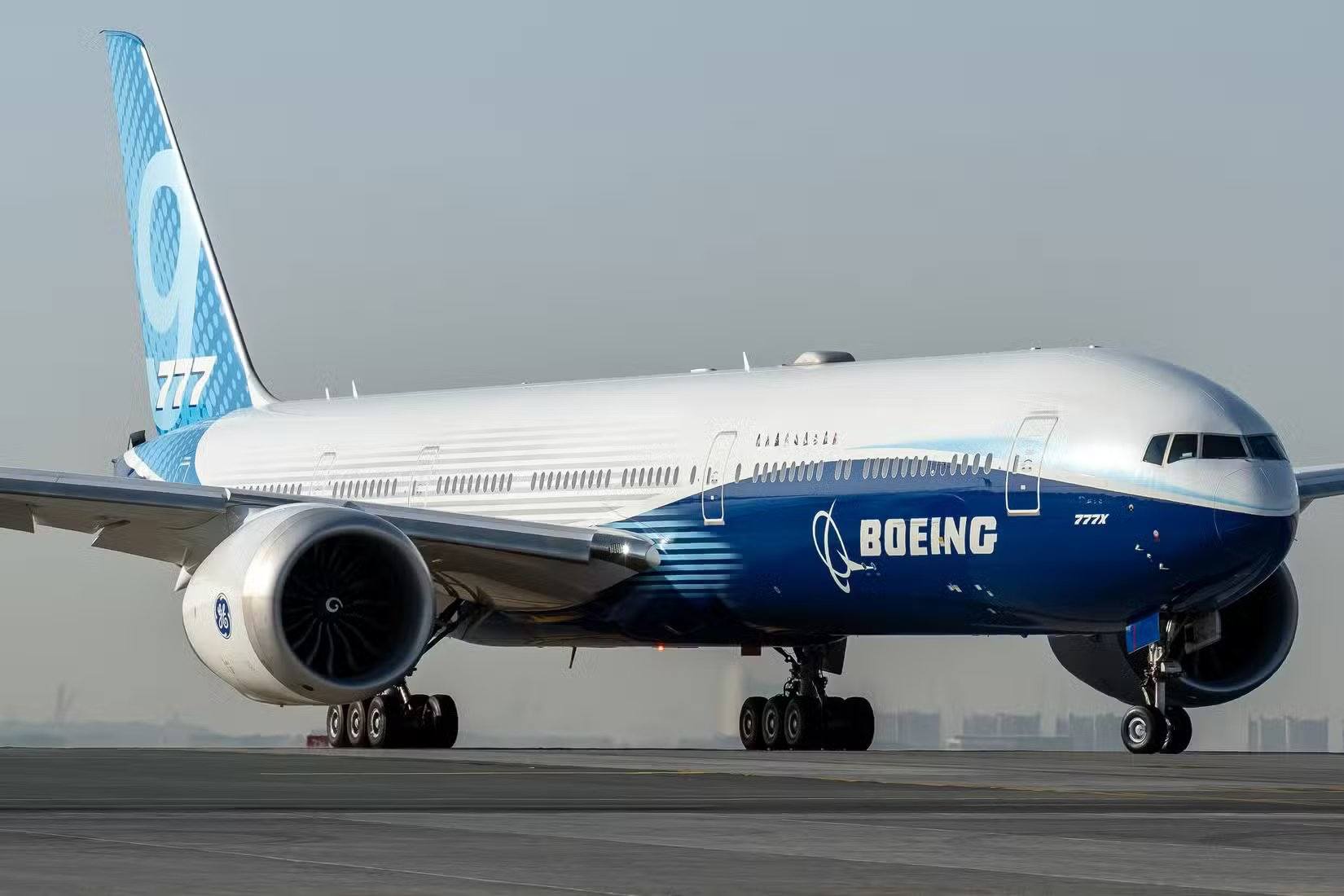
en.Wedoany.com Reported - Boeing has updated the publicly available range data for its 777X series widebody aircraft, with both the 777-8 and 777-9 models seeing increases of over 700 nautical miles (1 nautical mile equals approximately 1.85 kilometers) compared to previous stated values. Following this data adjustment, the smaller 777-8 model now has a range of 9,500 nautical miles, narrowing the gap with the Airbus A350-1000ULR.
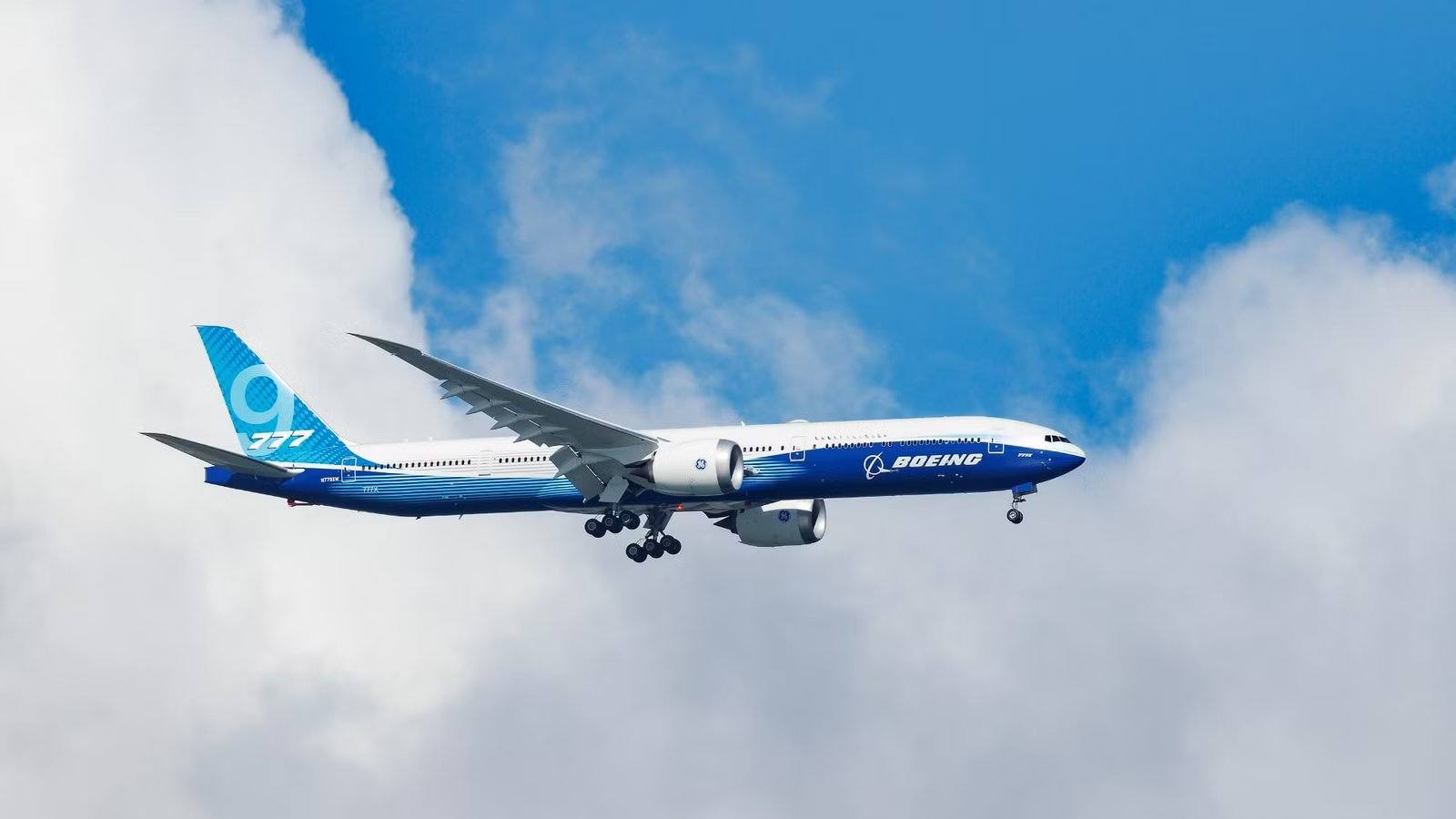
Updated data on Boeing's official website shows that the 777-8 has a maximum range of 9,500 nautical miles, while the 777-9 reaches 8,000 nautical miles. Archived records from the website indicate that as of at least June 17, 2026, the stated ranges for these two models were 8,745 nautical miles and 7,285 nautical miles, respectively. The new data reflects increases of 755 nautical miles and 715 nautical miles, representing gains of 8.6% and 9.8%. Passenger capacity figures under a two-class configuration have also been adjusted, with the 777-8 changing from 395 passengers to a range of 350 to 425, and the 777-9 from 426 passengers to a range of 375 to 450.
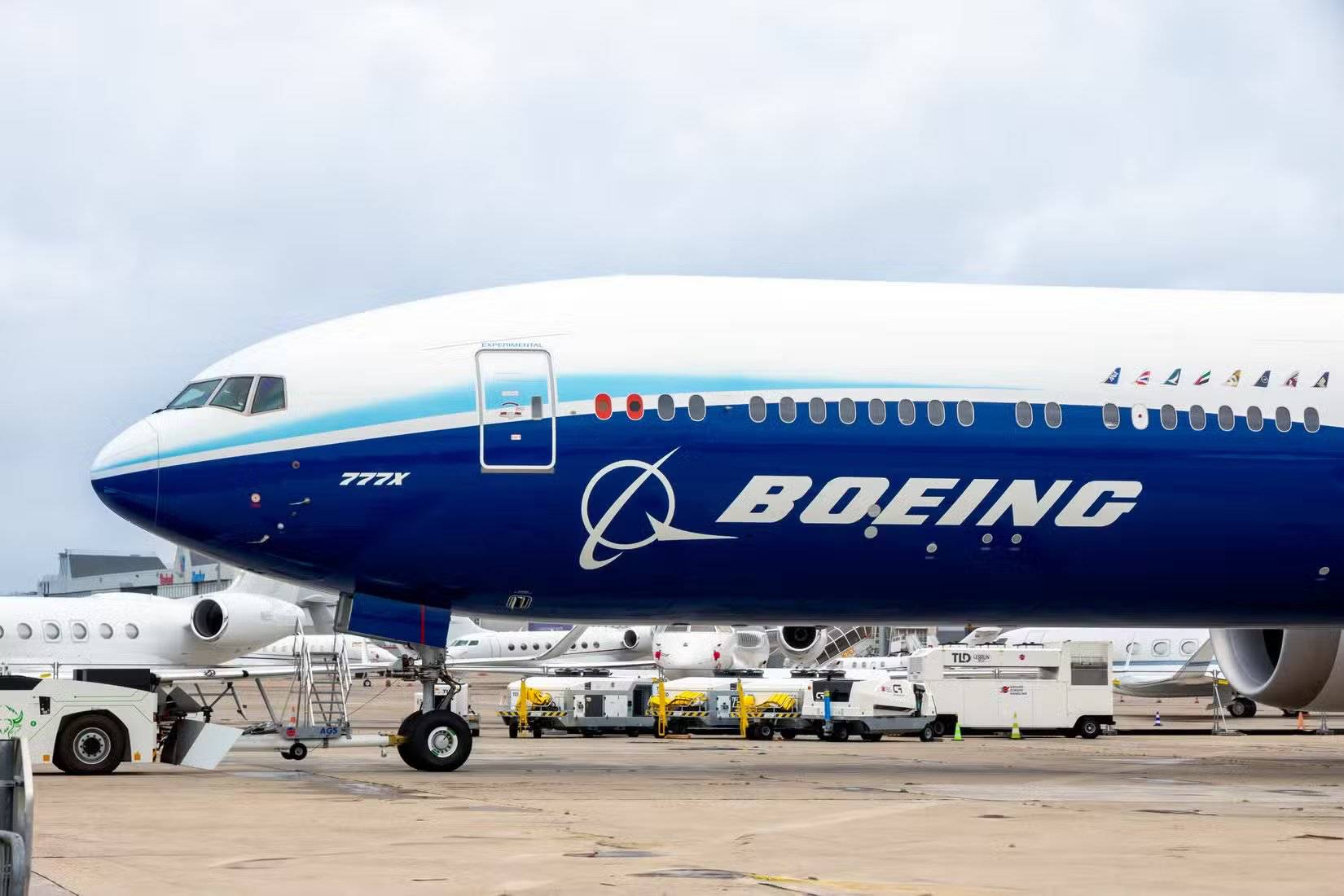
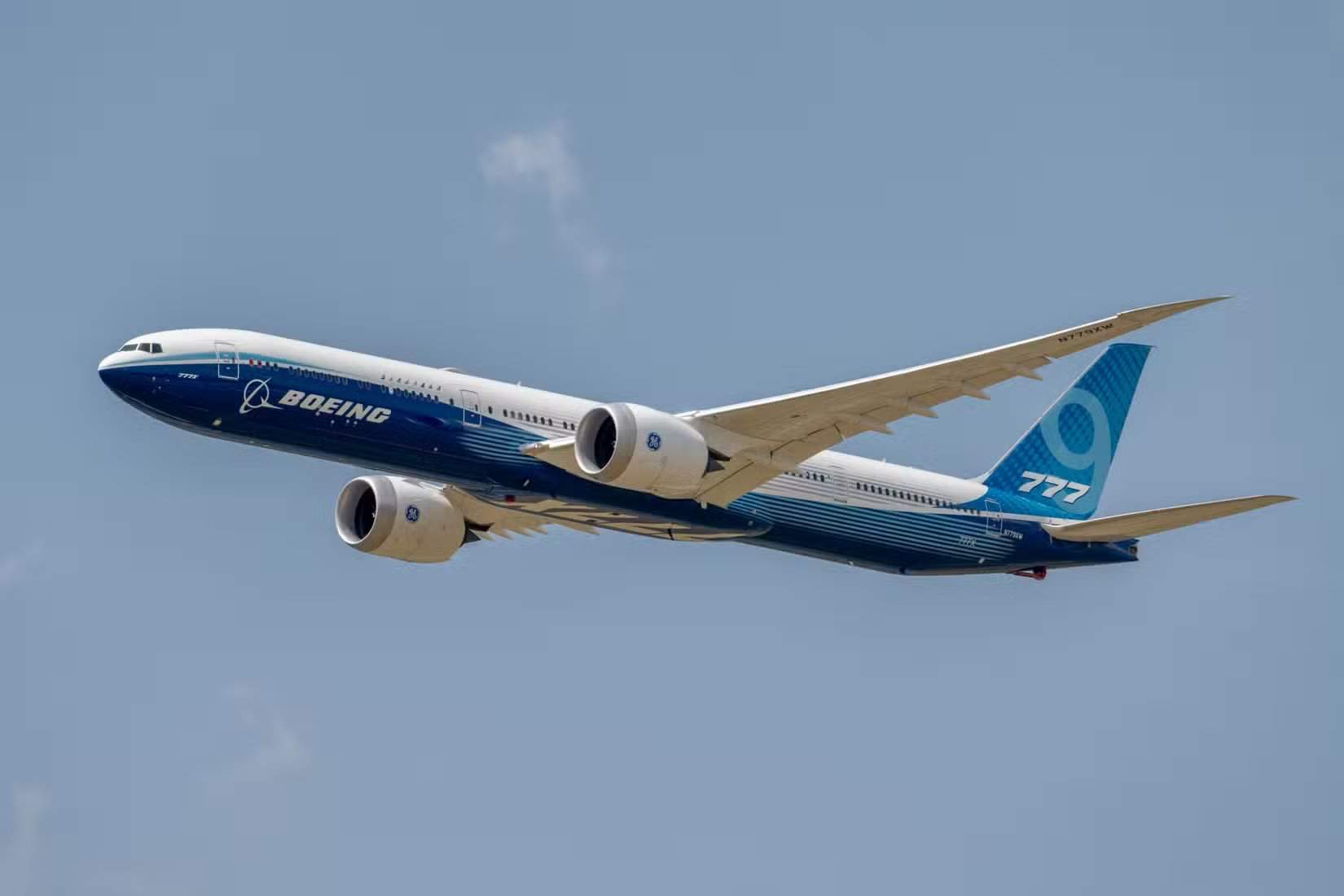
Both variants of the 777X series share the same wingspan as their predecessors, at 64.8 meters, but benefit from a folding wingtip design that allows the wingspan to increase to 71.8 meters during flight. In terms of range, based on the updated data, the 777-8 offers nearly 1,000 nautical miles more than its predecessor, the 777-200LR's stated range of 8,555 nautical miles, while carrying more passengers. The 777-9 has a range of 8,000 nautical miles, significantly higher than the 7,370 nautical miles of its predecessor, the 777-300ER.
This update in range data also narrows the gap between the 777X series and the Airbus A350-1000ULR. The latter, selected by Qantas for its "Project Sunrise," has a stated range close to 10,000 nautical miles. Airbus achieved this range increase by integrating an additional rear center fuel tank, and the first A350-1000ULR began flight testing on June 2. Whether Boeing has made similar modifications to the 777-8 to boost its range to 9,500 nautical miles remains to be disclosed.