Rice University and Max Planck Society Launch Q-RaMP to Accelerate Quantum Materials Discovery
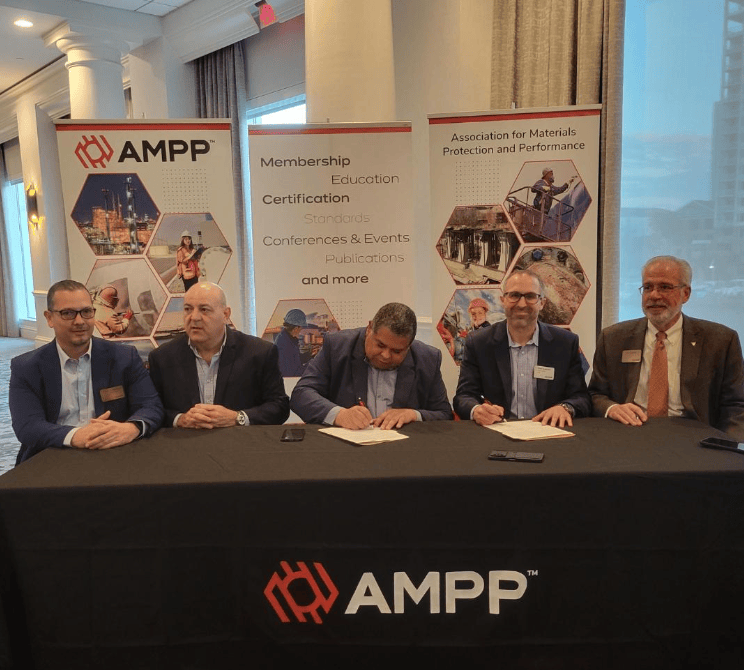
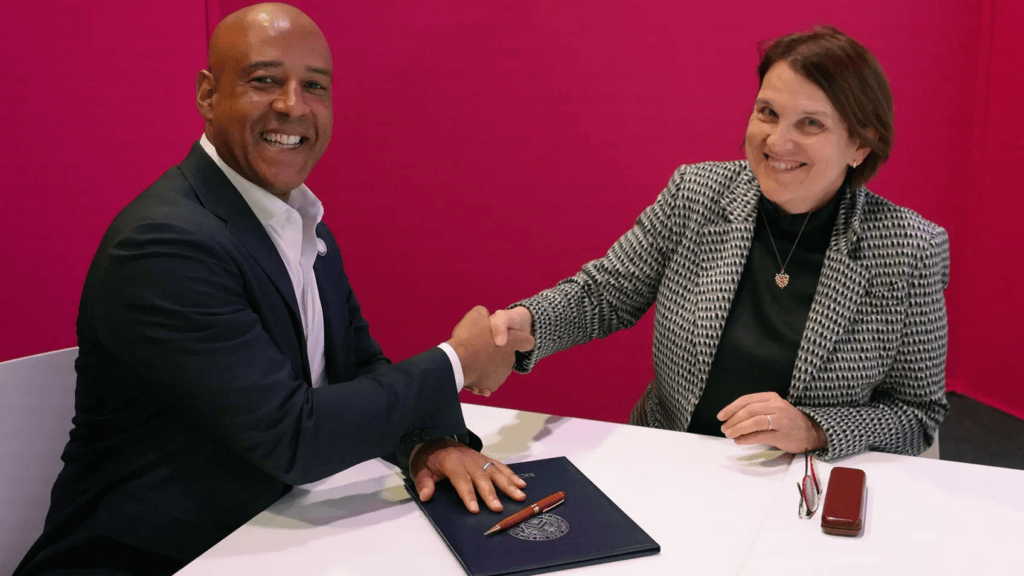
en.Wedoany.com Reported - Rice University and the German Max Planck Society have formally signed a transnational research agreement to establish the Quantum Materials—Rice and Max Planck Partnership (Q-RaMP). The agreement was signed in Paris by Rice University President Reginald DesRoches and Max Planck Society Vice President Claudia Felser, bringing together teams in solid-state physics, materials science, and computational engineering. This collaboration aims to address a fundamental challenge in quantum information science: translating abstract theoretical physics models into physical quantum crystals that can operate stably in industrial energy, sensing, and computing hardware.
The core hubs of Q-RaMP are the Rice Center for Quantum Materials and five specialized Max Planck Institutes, with operational tasks including the discovery, crystallization, and validation of topological and chiral quantum materials. The collaboration framework includes joint tenure-track faculty appointments and ongoing graduate student exchange programs, with primary goals targeting efficient classical and quantum information processing and sustainable energy. The physical focus of the collaboration lies in complex quantum structures, such as the structural isolation and macroscopic-scale synthesis of platinum-gallium (PtGa) chiral topological crystals. Although mathematical simulations can predict the existence of materials with zero-resistance electron pathways or unique spin-polarized transport properties, synthesizing these materials without structural defects remains highly challenging. This initiative combines the dynamic tenure-track research culture of U.S. laboratories with the long-term, curiosity-driven funding model of the Max Planck Society, bringing together the infrastructure needed to accelerate the discovery of physical materials.
The specific implementation of the project will rely on the Rice Center for Quantum Materials and several specialized Max Planck entities, including the Max Planck Institute for Chemical Physics of Solids in Dresden, the Max Planck Institute for the Structure and Dynamics of Matter in Hamburg, the Max Planck Institute for Solid State Research in Stuttgart, the Max Planck Institute for Microstructure Physics in Halle, and the Max Planck Institute for the Physics of Complex Systems in Dresden.
Under the joint supervision of Founding Director Emilia Morosan and Max Planck Institute Managing Director Philip Moll, Q-RaMP places human capital development at the core of long-term scalability. The framework supports cross-institutional collaboration through joint workshop cycles, jointly appointed international faculty, and fully funded graduate student exchange channels. Early-career researchers can utilize facilities such as advanced thin-film deposition cleanrooms, ultra-low-temperature spectroscopy laboratories, and high-density materials modeling supercomputers, cultivating specialized talent for the emerging quantum economy.
Related Products


CAP1400 main feedwater flow nozzle flowmeter.
Jiangsu Hongda Instrument Technology Co., LTD.


Single-Phase Automatic Voltage Regulator(AVR)
Shaanxi Sefon Electrical Equipment Co.,Ltd.

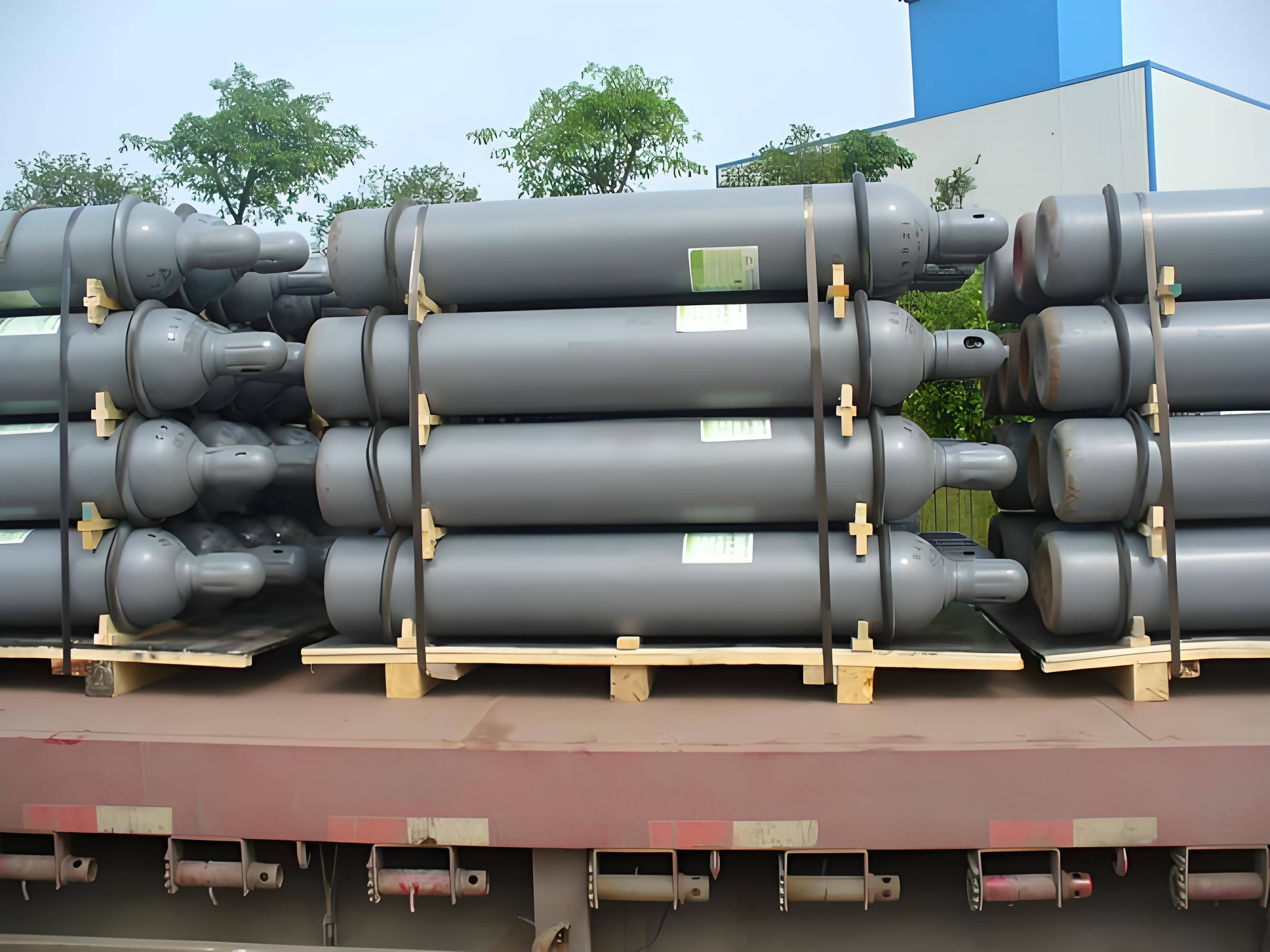
Global Sulfur Hexafluoride Gas Supply and Cylinder Export
Foshan Yuexin Industrial Gas Co., Ltd.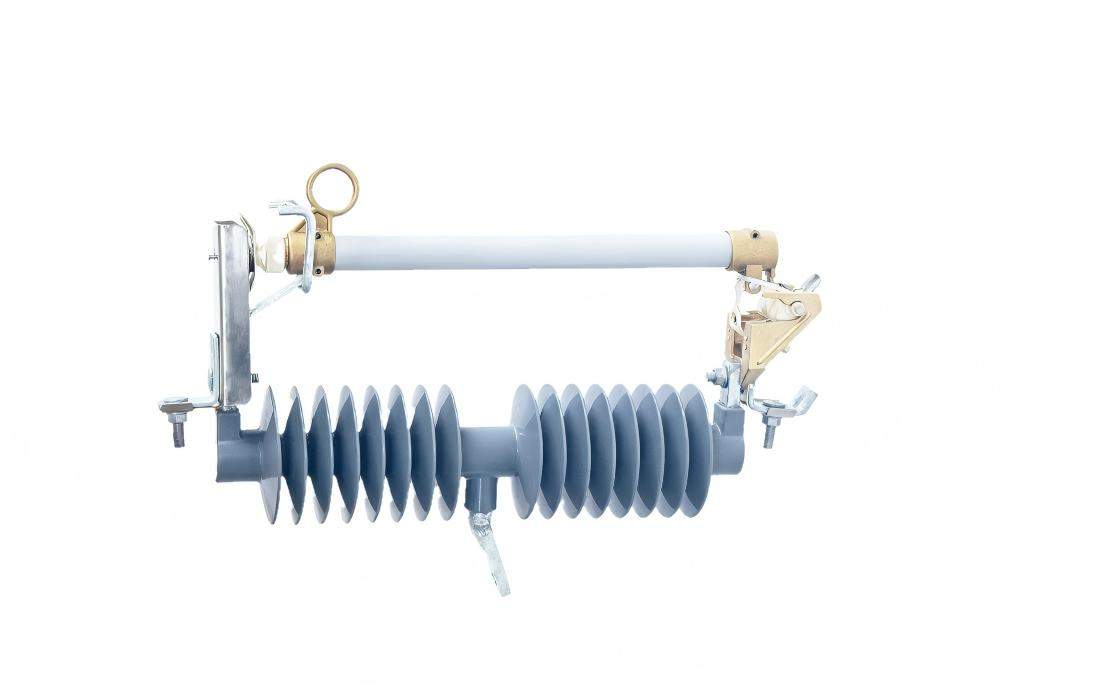
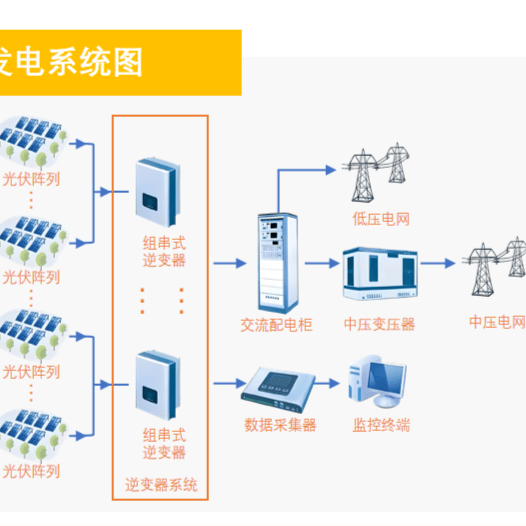
Photovoltaic and Wind Power Generation Technology
Beijing Boqi Electric Power SCI-TECH Co., Ltd.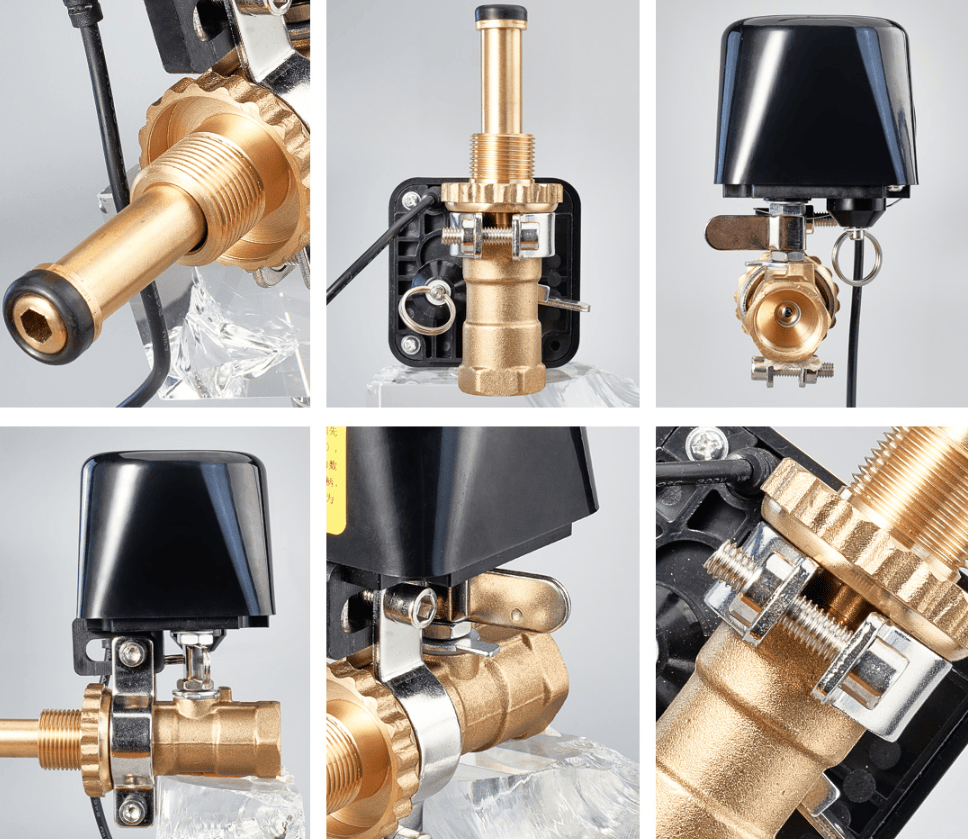

VEG-12/24/40.5 Series Vacuum Circuit Breaker
SHANGHAI PINGGAO TIANLING SWITCHGEAR CO., LTD.