Mexico's CFE Launches Oasis BCS Green Hydrogen Project
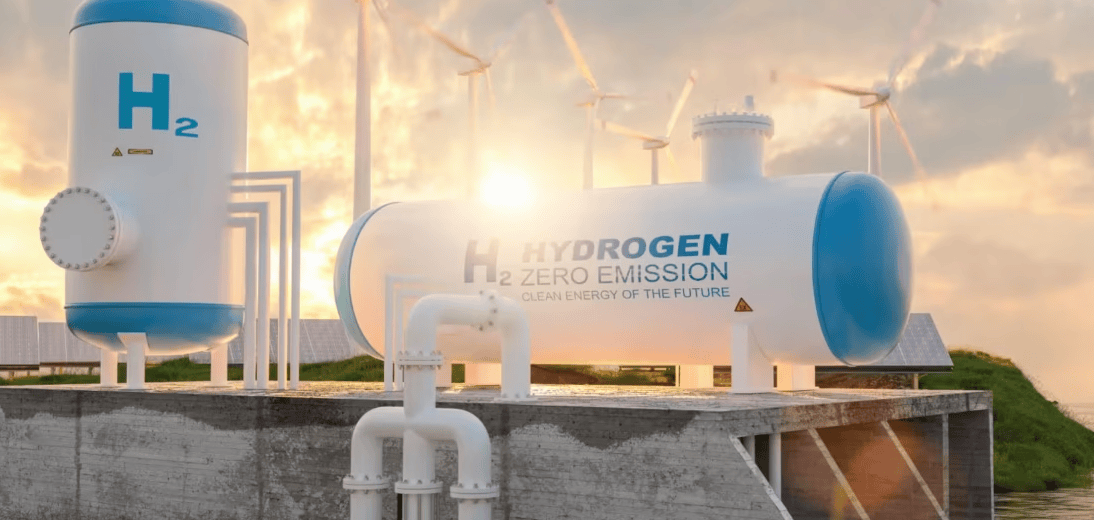
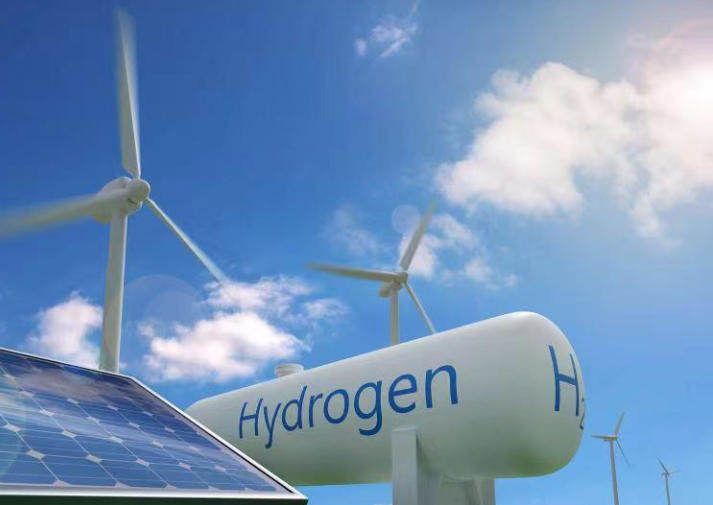
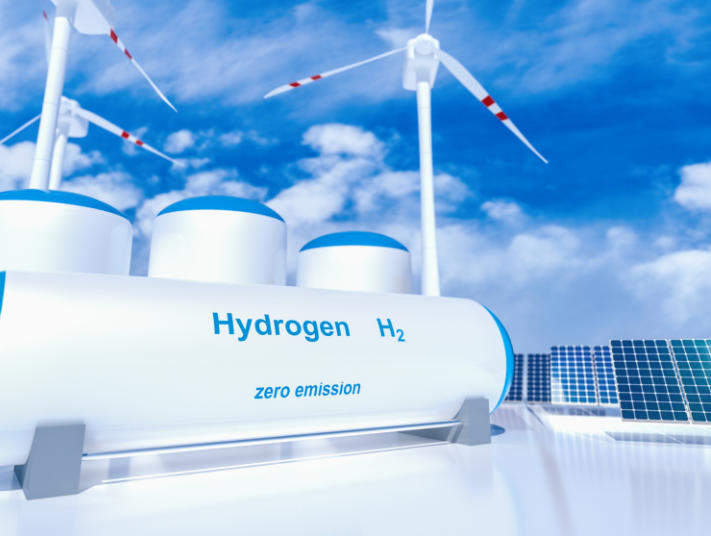
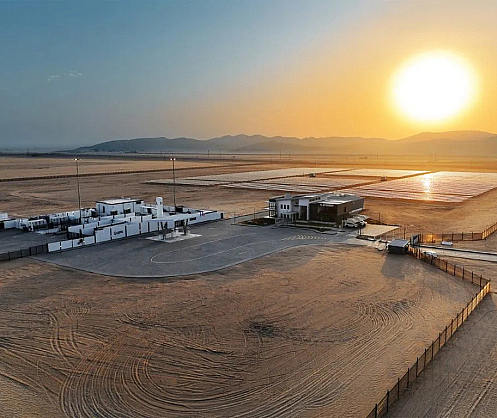
en.Wedoany.com Reported - The Federal Electricity Commission (CFE) of Mexico has launched the "Oasis BCS Project (Proyecto Oasis BCS)" in Mulegé, Baja California Sur, deploying green hydrogen for utility-scale power generation for the first time to address frequent blackouts in the isolated grid. This project is a hybrid system comprising a 72MW photovoltaic plant, a 20MW battery energy storage system, a 20MW electrolyzer, and a 6MW hydrogen fuel cell. It aims to replace some diesel and fuel oil, power approximately 40,000 households, and reduce dependence on expensive diesel imports. The system uses surplus daytime solar energy to produce and store hydrogen, which is used for nighttime fuel cell power generation, addressing the balancing issues of the state's isolated grid.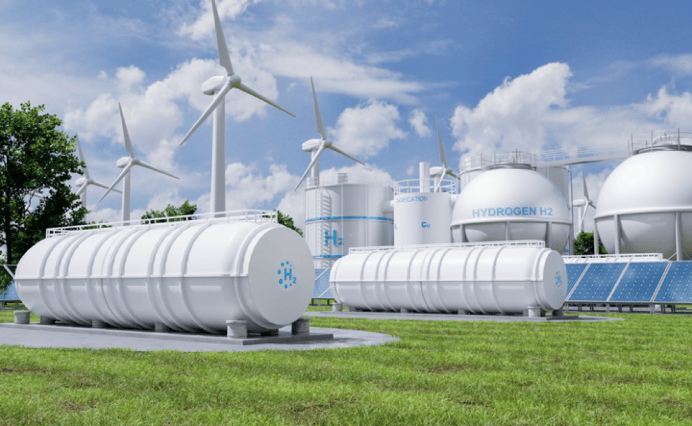
During the summer peak electricity demand period of 2026, frequent blackouts occurred in several Mexican states, prompting the federal government to accelerate the search for alternative power generation solutions. Due to its unique geographical conditions, Baja California Sur is the only state not connected to the National Interconnected System. Its Mulegé power system is an isolated grid, where all locally consumed electricity must be produced locally. Battery storage can bridge short gaps between solar generation and demand, but longer periods without sunlight require different stable energy sources. Green hydrogen can provide this source: surplus daytime solar energy drives electrolyzers to produce and store hydrogen, and fuel cells convert it back into electricity at night or during peak demand periods. Theoretically, the project could achieve solar self-sufficiency without relying on fuel imports. According to Expansión, the project is expected to avoid approximately 94,389 tons of CO2 emissions annually and reduce fossil fuel consumption by about 23,000 cubic meters.
Until recently, Mexico lacked a clear regulatory framework for green hydrogen production, commercialization, and export. CFE's previous green hydrogen pilot project in Puerto Peñasco, Sonora (originally planned for 2023) stalled due to a lack of guidelines, making the announcement of the Oasis BCS project both credible and subject to greater uncertainty. CFE has been considering the use of green hydrogen in combined-cycle power plants for years, identifying three main application directions: energy storage combined with hydrogen fuel cells, use as a chemical for refining and producing green ammonia, and blending with natural gas for power generation. However, according to Luca Ferrari, a researcher at the National Autonomous University of Mexico (UNAM), the levelized cost remains high, and technical challenges such as low efficiency, high costs, and hydrogen corrosiveness pose significant obstacles. Israel Hurtado, President of the Mexican Hydrogen and Energy Transition Association (Asociación Mexicana de Hidrógeno y Transformación Energética), believes green hydrogen is a viable alternative for isolated systems like Baja California Sur, but he emphasizes that the project's operational performance needs careful evaluation before replicating the model in other regions.
The Oasis BCS project does not exist in isolation. The Rafael Galván Maldonado photovoltaic plant in Puerto Peñasco, Sonora (Phases I and II have contributed 400MW of generation capacity and 72MW of battery storage to the national grid) was originally designed as CFE's green hydrogen pilot site. This project will help CFE draw a roadmap for integrating hydrogen into the national energy system. Integrating electrolyzers and fuel cells in Mulegé draws on technical experience from Puerto Peñasco but is deployed in a more constrained and higher-risk environment. In an isolated system without backup interconnection, technical failures in the hydrogen subsystem have no grid backup support, and the operational reliability requirements in Mulegé exceed those of pilot projects grafted onto large grid-connected facilities.
Related Products

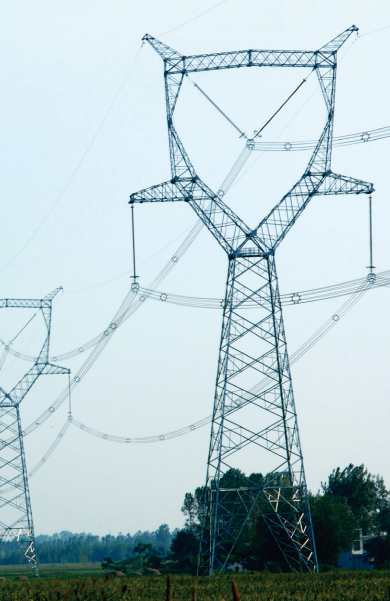
1000kV Jin Southeast-Nanyang-Jingmen UHV AC Transmission and Transformation Pilot Demonstration Project
Anhui Hongyuan Steel Tower Co., Ltd.
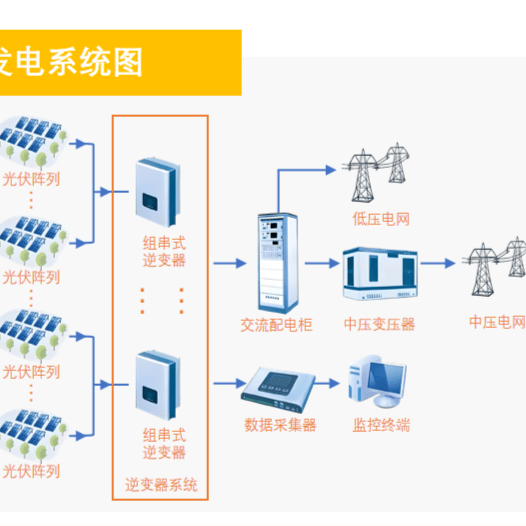
Photovoltaic and Wind Power Generation Technology
Beijing Boqi Electric Power SCI-TECH Co., Ltd.

Ultrasonic Wind Speed and Direction Instrument
Kingmach Measurement & Monitoring Technology Co., Ltd.