Turkey and Iraq to Sign 12-Month Agreement Extending Crude Oil Pipeline Term
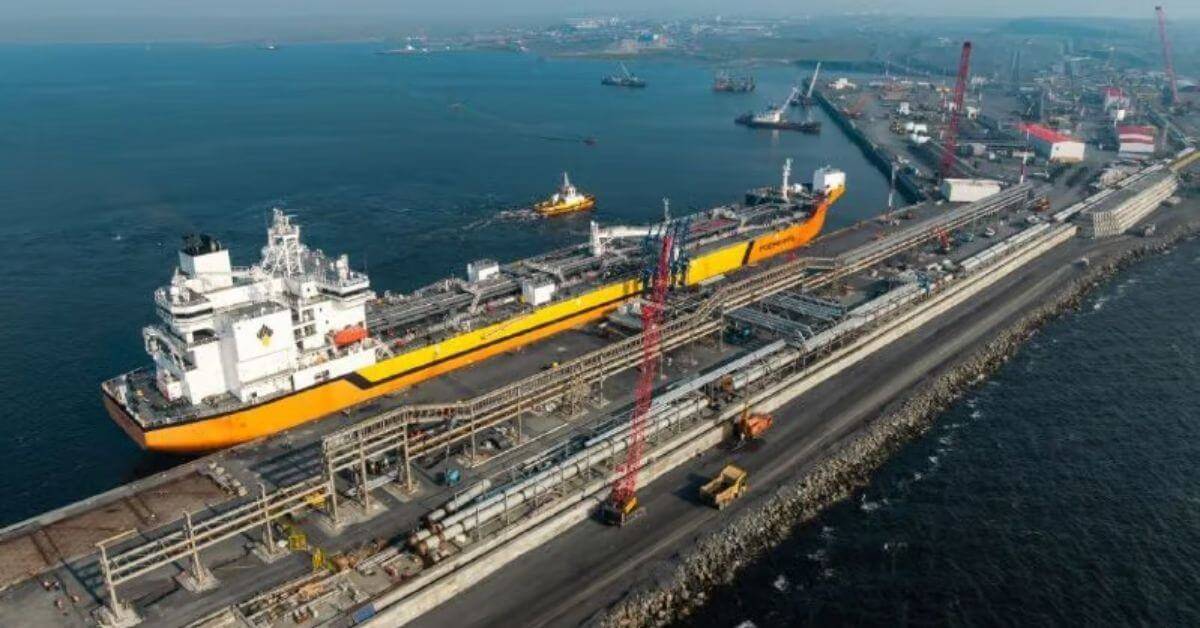
en.Wedoany.com Reported - Turkey and Iraq are expected to sign a 12-month extension agreement within days to prolong the term of the agreement governing the Iraq-Turkey crude oil pipeline, preventing its expiration on July 27. Turkish Energy Minister Alparslan Bayraktar stated that the agreement is in its final stages and will ensure the continued flow of crude oil from Iraq to the Mediterranean export terminal in Ceyhan.
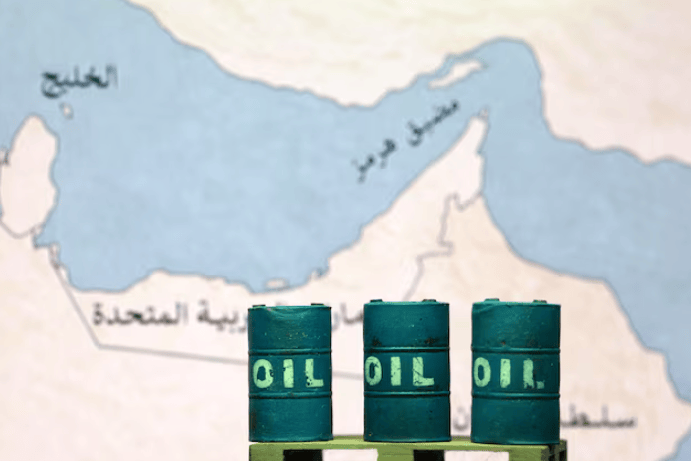
This pipeline is particularly critical for Iraq. Its importance was already evident before the Iran war; it would become indispensable if the Strait of Hormuz were actually closed for several months. With most of Iraq's southern exports concentrated in the Persian Gulf, Baghdad has been forced to cut production, fill storage tanks, and race against time to restart northern export infrastructure that had been idle for years. The Ceyhan route has rapidly shifted from a secondary export option to one of Iraq's few economic lifelines.
This pipeline has experienced turbulent times recently. It was shut down for over two years after an arbitration court ordered Turkey to pay Baghdad $1.5 billion for unauthorized Kurdish crude oil exports between 2014 and 2018. Oil flow only resumed late last year, making the impending expiration of this decades-old transit agreement yet another unsettling uncertainty. The extension does not solve Iraq's export problems, but it does postpone the issue from today to tomorrow.
In recent weeks, Baghdad has been promoting plans to increase production to 7 million barrels per day within three years, while seeking more Western investment in its oil sector. These ambitions are irrelevant if Iraq cannot reliably transport crude oil to market. In the long term, if Baghdad hopes to shield itself from future regional instability, it still needs alternatives to the Strait of Hormuz, greater pipeline capacity, and a more resilient export network. Currently, oil still accounts for about 90% of government revenue, and with limited export options, keeping crude flowing to Ceyhan is a matter of economic survival.
Related Products

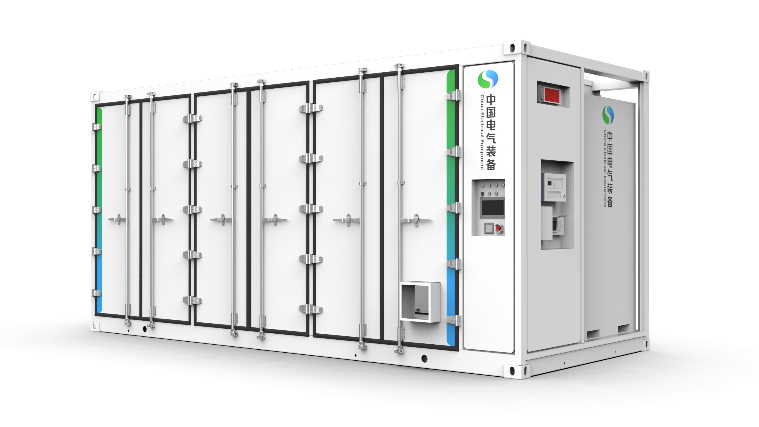
MESS8201-2507/5015-BN Prefabricated Liquid-cooled Energy Storage Battery Container
Xuchang Xuji Electric Science Energy Storage Technology Co., Ltd.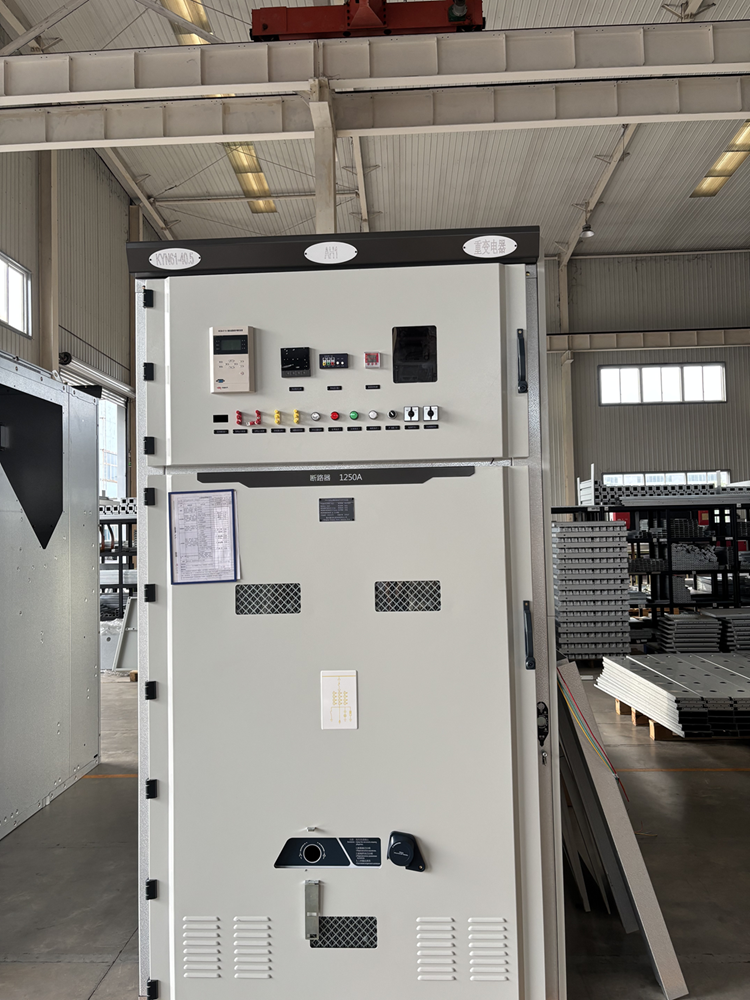
KYN61-40.5 Indoor AC Metal-clad Removable Switchgear
Chongqing Transformer Co., Ltd.
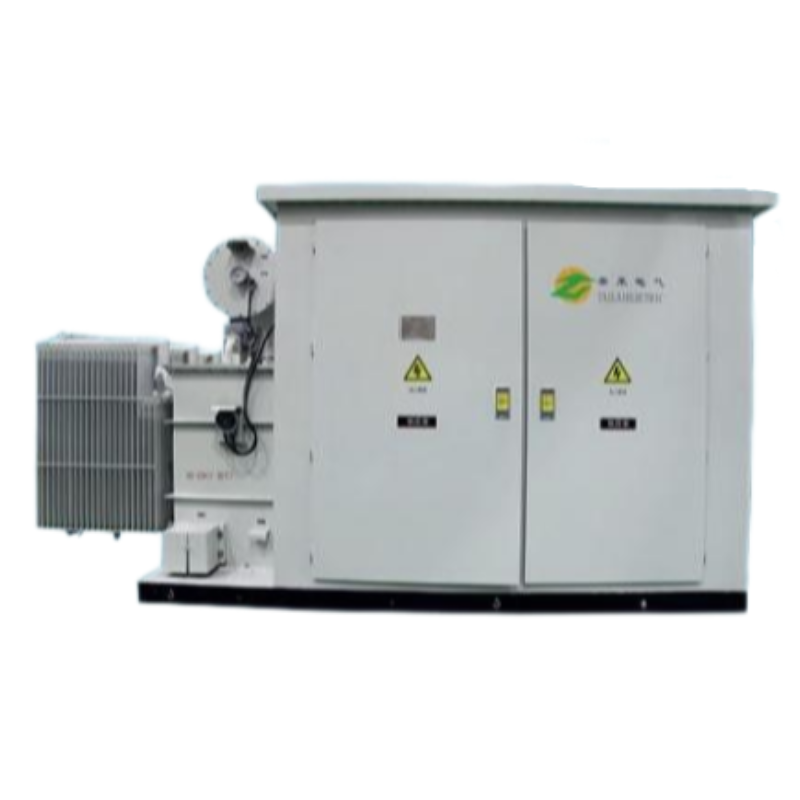
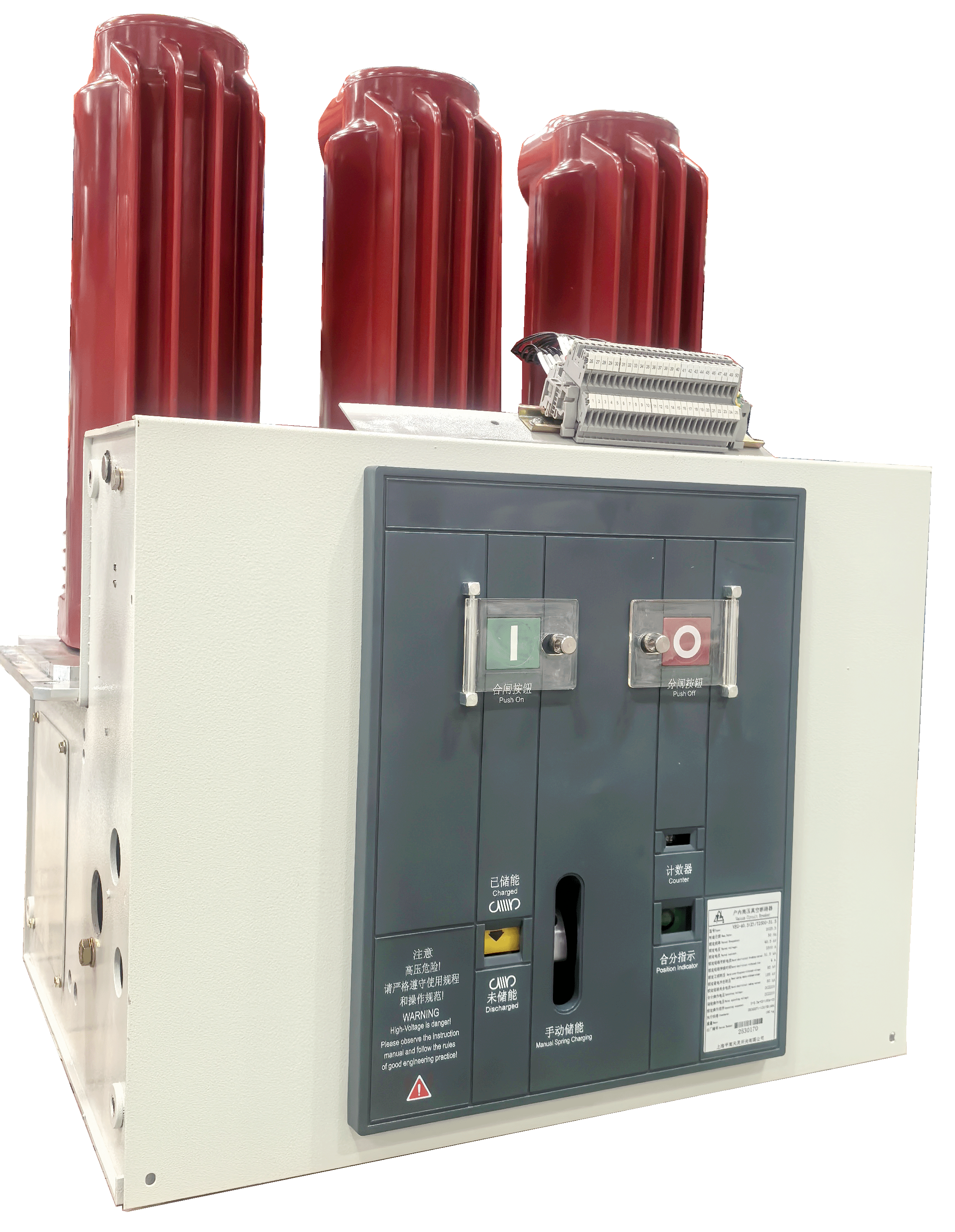
VEG-12/24/40.5 Series Vacuum Circuit Breaker
SHANGHAI PINGGAO TIANLING SWITCHGEAR CO., LTD.