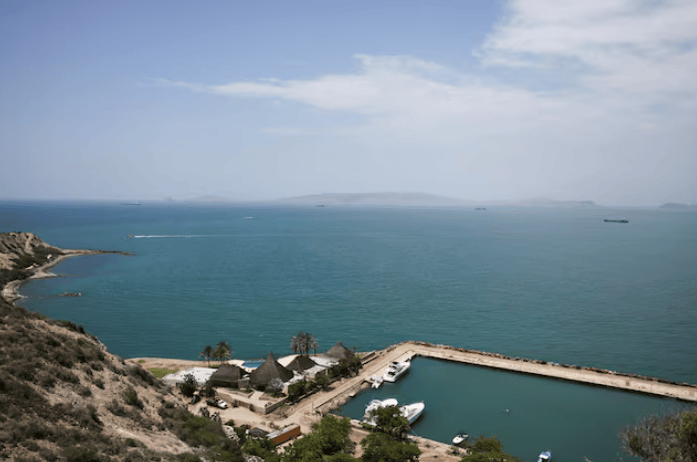
Brazilian Antitrust Authority Approves Mercuria's Acquisition of Raízen's Argentine Assets
en.Wedoany.com Reported - Brazil's antitrust regulator, the Administrative Council for Economic Defense (Cade), has unconditionally approved the acquisition of Raízen's assets in Argentina by the Mercuria Group. The transaction will be carried out through Mercuria's subsidiaries, Latam Downstream Holdings and Silver Projects I.
The transaction targets primarily include the controlling interests in companies such as Raízen Argentina, Raízen Energina, Deheza, and Estación Lima. These companies are engaged in the refining, distribution, and sale of fuels in Argentina and are currently owned by Raízen Energia. Mercuria aims to expand its influence in the Argentine oil and fuel market through this acquisition, strengthening its physical operations and commercial presence in the country. For Raízen, selling the assets helps reduce debt and allows it to focus more on its core business.
Although the transaction assets are located in Argentina, the deal still required Cade's approval because the revenue of the relevant economic groups exceeded the threshold set by the Competition Defense Law. After a competitive assessment, the antitrust authority determined that the acquisition would not have a significant impact on the Brazilian market, as Mercuria does not purchase products exported by the Argentine companies in Brazil. In Brazil, the target company's operations are very small, involving only the export of naphtha and lubricants, with annual revenue of less than 75 million Brazilian reais.
Mercuria is one of the world's leading energy and commodity traders, with a business scope covering oil, refined products, natural gas, electricity, biofuels, and carbon credits. In Brazil, its operations primarily focus on fuel trading, carbon credits, and wholesale of petroleum products through Flamma Óleos & Derivados.
Resolving Raízen's financial difficulties is the deeper industry context behind this transaction. Its shareholder, Cosan, is reducing its own leverage through capital increase negotiations and prioritizing the strengthening of its capital structure. Cosan CEO Marcelo Martins stated during the first-quarter 2026 earnings call that the company intends to inject capital into Raízen, but the amount will not exceed a portion of the funds raised from the capital increase.
During shareholder discussions, various options were explored, but no agreement was reached on how Cosan would participate in the joint venture's recapitalization. Martins revealed that Cosan's internal assessment concluded that without a large-scale debt-to-equity swap, capital injection alone would not fundamentally improve Raízen's financial situation. The discussions also included divesting parts of Raízen's business or selling equity in one of its operations. Due to terms agreed upon with creditors, Cosan ultimately could not participate in the publicly announced capital structure plan.
In March of this year, Raízen announced that it was reviewing plans to improve its financial situation, including a capital injection of 4 billion Brazilian reais. Of this amount, Shell Group plans to contribute 3.5 billion Brazilian reais, and an investment vehicle controlled by Aguassanta Investimentos, which is controlled by the Rubens Ometto family, Cosan's controlling shareholder, will contribute 500 million Brazilian reais. Cosan's controlling entity did not announce any capital injection into Raízen.
Related Products

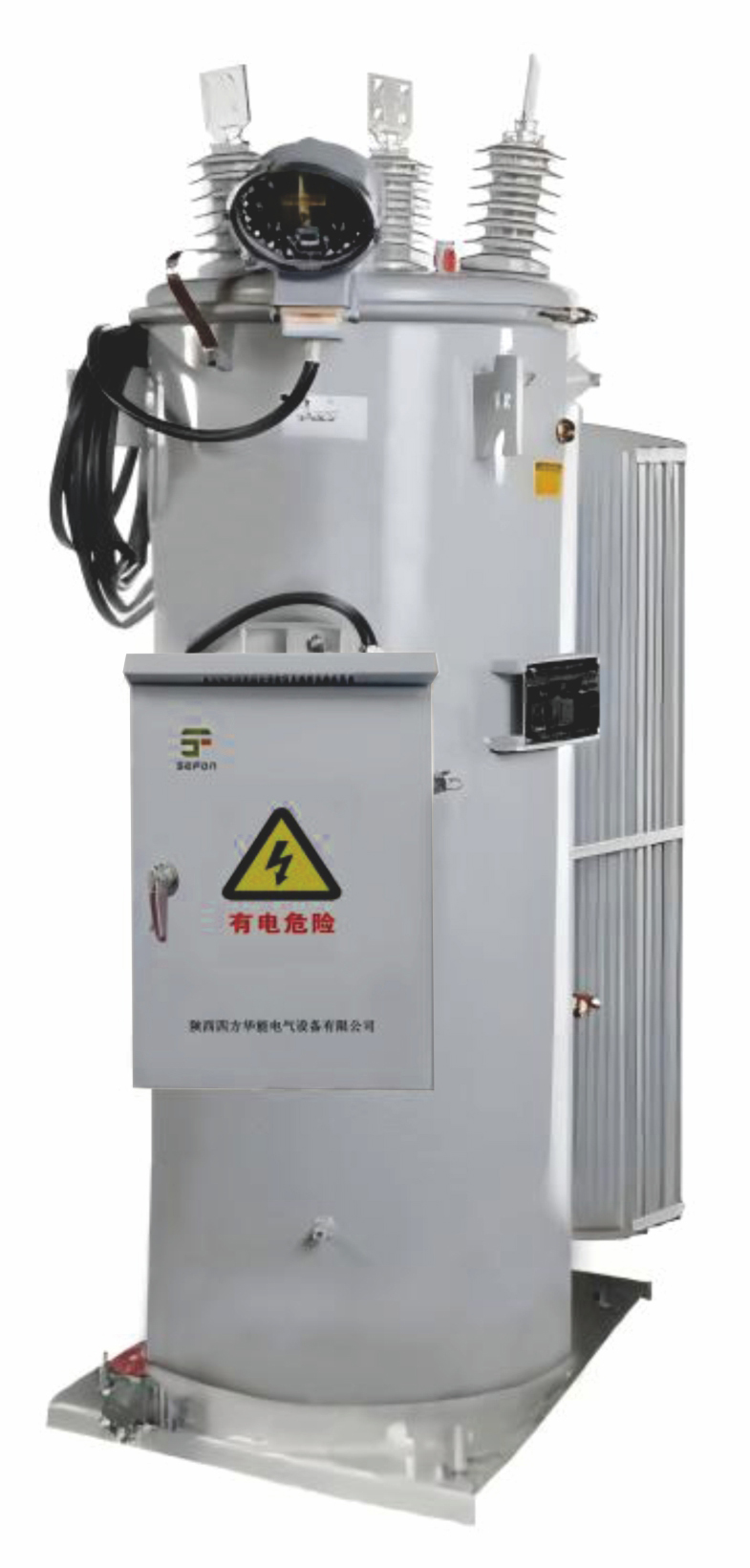
Single-Phase Automatic Voltage Regulator(AVR)
Shaanxi Sefon Electrical Equipment Co.,Ltd.
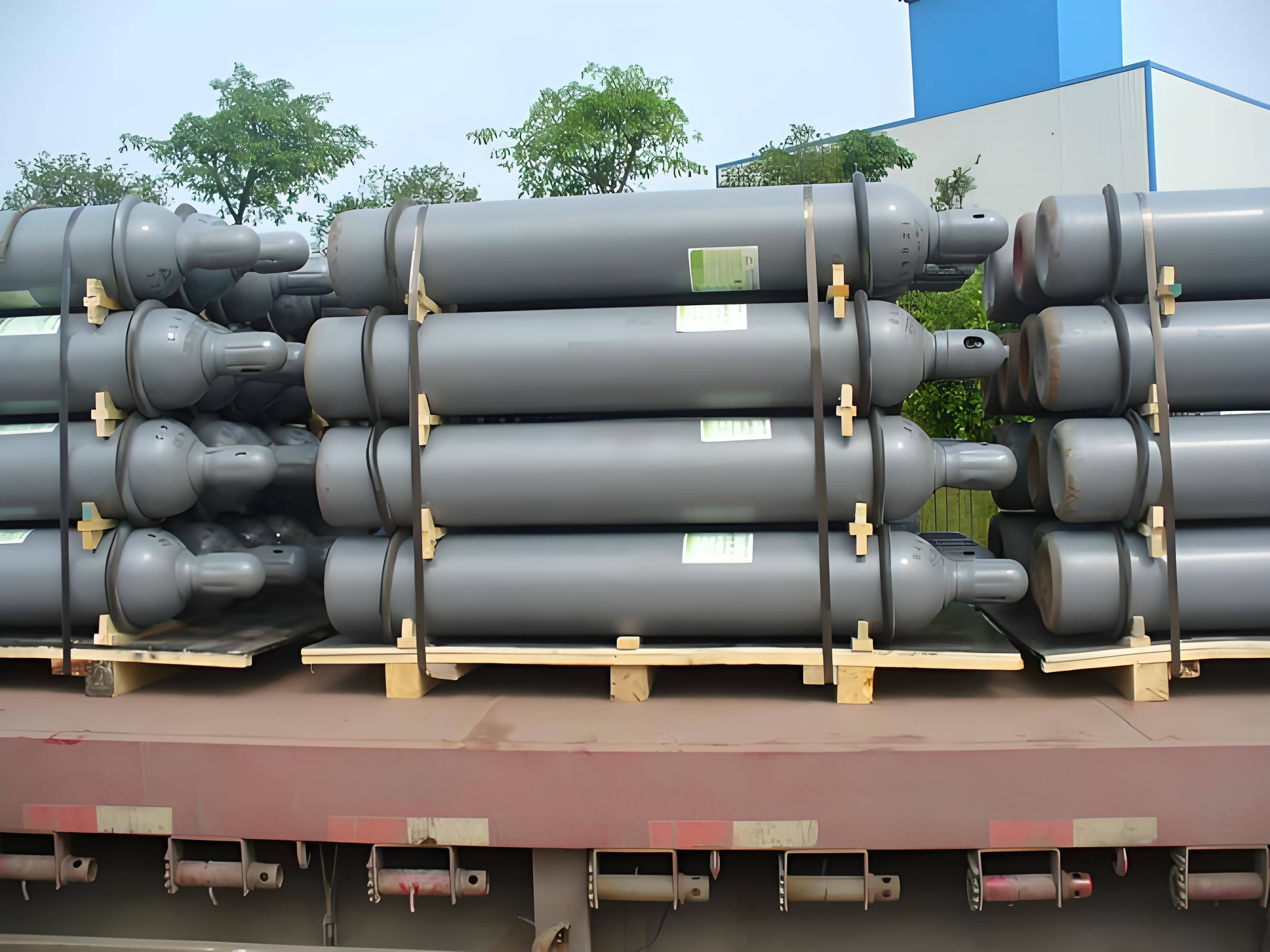
Global Sulfur Hexafluoride Gas Supply and Cylinder Export
Foshan Yuexin Industrial Gas Co., Ltd.
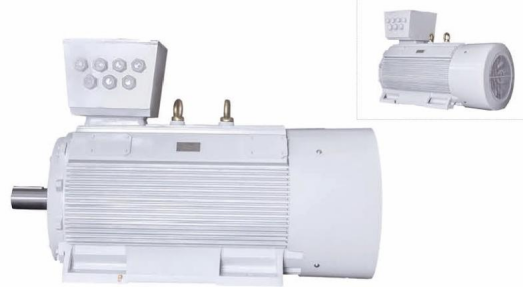
YE3 Series Low Voltage High Power Three-Phase Asynchronous Motor
Shandong Lijiu Electrical Machinery Co., Ltd.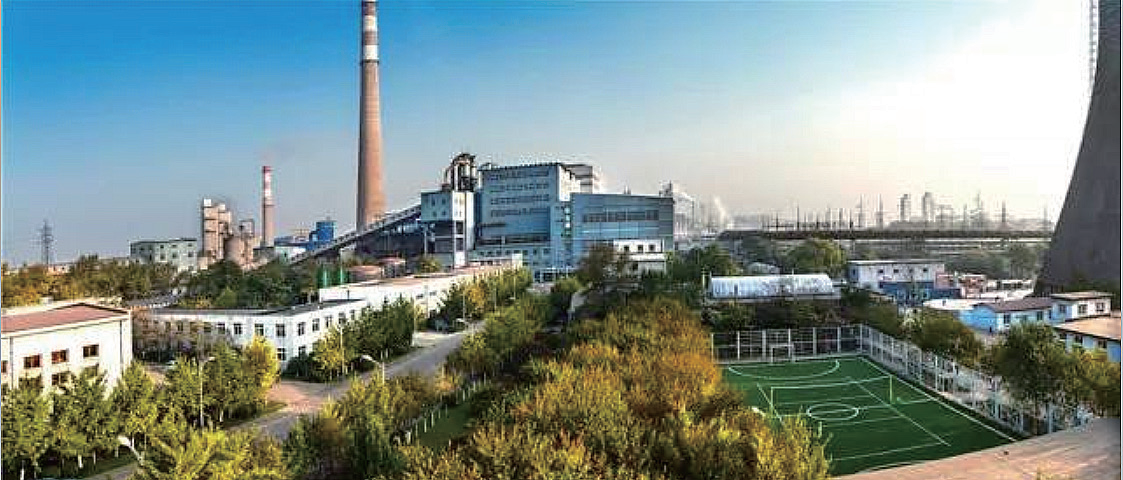
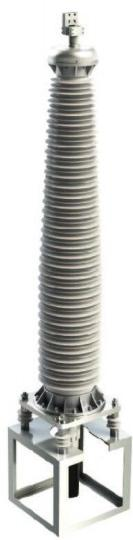
220kV Composite Outdoor Cable Terminal
Shenyang Guolian Cable Accessories Manufacture Co., Ltd.