European Chemical Market Faces Sustained Severe Challenges in Second Half of 2026
en.Wedoany.com Reported - The European chemical market is expected to continue facing severe challenges in the second half of 2026, a judgment based on the region's economic and trade performance at the end of the first half of the year. Geopolitical conflicts, soaring freight rates, and a surge in Chinese exports collectively constitute the main sources of pressure on the market.
Since the Russia-Ukraine conflict in 2022, questions have persisted about whether energy costs have caused irreversible damage to the European chemical industry. The ongoing Middle East conflict, particularly the new round of US-Iran attacks since late February, has further exacerbated the fragmentation of global supply chains. Shipping challenges have made regional markets more insular, yet imports from China, North America, and Northeast Asia continue to significantly impact the European market.
According to ICIS supply and demand database data, Europe's imports from the rest of the world in the first quarter of 2026 fell by 12.3% compared to the same period in 2025, marking the lowest first-quarter level since 2021. However, the share of imports from North America and Northeast Asia was significantly higher than in previous years, accounting for a quarter and nearly 19% of total European imports, respectively. Meanwhile, despite blockages near the Strait of Hormuz, the share of imports from the Middle East remained above 20%.
The expectation of import growth appears anomalous against the backdrop of soaring freight rates. In June, freight rates for 40-foot dry containers from China to Europe rose by 51%. China's export volume in the first quarter of 2026 set a record for the same period in the 2020s and showed substantial growth compared to 2025. Data indicates that the share of Chinese-origin goods shipped to Europe in the first quarter of the 2020s typically ranged between 8% and 14%, yet this year, China maintained shipment volumes during the early stages of the Gulf conflict, highlighting the historic pace of its large-scale material exports.
The slow pace of price declines in Europe is another key factor. A comparison of spot prices for basic chemicals such as benzene, butadiene, ethylene, methanol, propylene, toluene, and xylene in Northeast Asia, Northwest Europe, and the US Gulf Coast shows that Europe often takes the longest to return to average prices after major events. As of July 3, 2026, following the outbreak of the Middle East conflict, prices in Northwest Europe and the US Gulf Coast remained at least 15% above normal levels, while average prices in Northeast Asia were only 4.2% higher. Asia's recovery speed may once again lead the global market, as end-consumption in various regions cannot sustain the high-cost environment seen in March and April following the conflict's outbreak.
Crude oil price volatility also has a profound impact on the chemical industry. In March 2026, the average price of Brent crude oil rose by over $30 per barrel compared to February, marking the largest monthly increase since early 2000; in June, prices fell by nearly $20 per barrel from the previous month, the fourth-largest monthly decline in the 21st century. This pattern of volatility impacts all sectors of the chemical industry, with Europe being more vulnerable due to its historically weak cost position and slow price reduction capability.
Related Products



CAP1400 main feedwater flow nozzle flowmeter.
Jiangsu Hongda Instrument Technology Co., LTD.
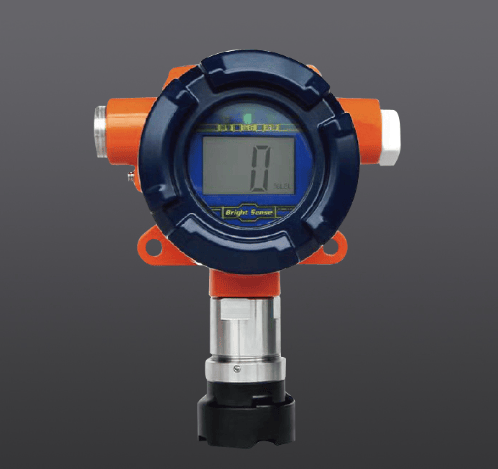
Industrial and Commercial Point-Type Gas Detector
Jinan Benan Technology Development Co., Ltd.
High Thermal Conductivity Encapsulating Resin
Nantong BESALL Sealing Technology Company.,Limited