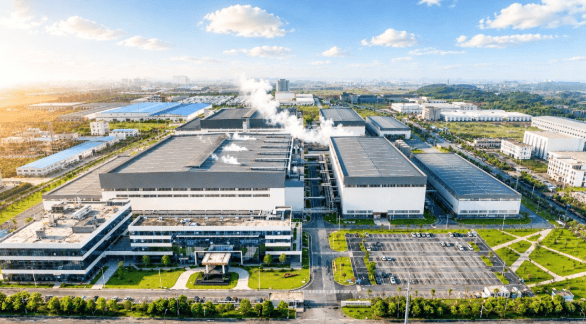
Covestro Plans to Build a 660,000-Ton MDI Plant in Shanghai
en.Wedoany.com Reported - BASF's Coatings business unit has begun operating independently under the new name "Surventis Coatings," becoming a globally leading supplier of automotive coatings and surface treatment solutions. Surventis completed its spin-off from BASF on July 1, with annual sales of €3.9 billion and approximately 10,700 employees. The company's majority stake is held by global investment firm Carlyle and the Qatar Investment Authority (QIA), while BASF retains a 40% stake in Surventis. The Surventis brand was officially unveiled on the same day, aiming to lead the industry through technological leadership and partner collaboration, grounded in scientific foundations, innovation drive, and the enterprising spirit of independent operations. The company's website, www.surventiscoatings.com, is now live. Surventis will continue to develop, produce, and sell high-performance, sustainable coatings and surface treatment solutions for global industrial, automotive, and refinish customers under brands such as Chemetal®, Glasurit®, and RM®.
Covestro has announced a strategic MDI investment plan aimed at consolidating its global market leadership and enhancing long-term supply security. The plan includes preparations for the construction of a new MDI production facility with an annual capacity of 660,000 tons at Covestro's Shanghai Integrated Site, targeting completion and commissioning around 2030. Simultaneously, Covestro is conducting a feasibility study for a facility of similar scale in the United Arab Emirates. These projects are supported by XRG to build an integrated value chain and enhance cross-regional supply chain resilience. MDI (methylene diphenyl diisocyanate) is a key raw material for producing polyurethane rigid foam. In the long term, global MDI demand is expected to continue growing, driven by building energy efficiency and insulation, improved energy efficiency in the home appliance sector's cold chain, and sports and lifestyle applications. Growth is expected to be most significant in Asian and Middle Eastern markets, where demand is projected to outpace capacity expansion. Covestro is one of the world's leading MDI producers, with production sites in Europe, Asia, and North America.
International coatings giant Hempel has announced that, effective August 1, 2026, Eric Alström has been appointed Group President and CEO, succeeding Michael Hansen, who resigned in June 2026. The company was previously led temporarily by Executive Vice President and CFO Peter la Cour Gormsen and Executive Vice President and CTO Emilie Barriau. Eric Alström brings over 30 years of international executive leadership experience across Europe, the United States, Japan, and China, spanning the industrial technology, automotive, and manufacturing sectors. He has a proven track record in leading global businesses, driving transformation, and achieving profitable organic growth. He holds a Master of Management degree from Stanford Graduate School of Business.
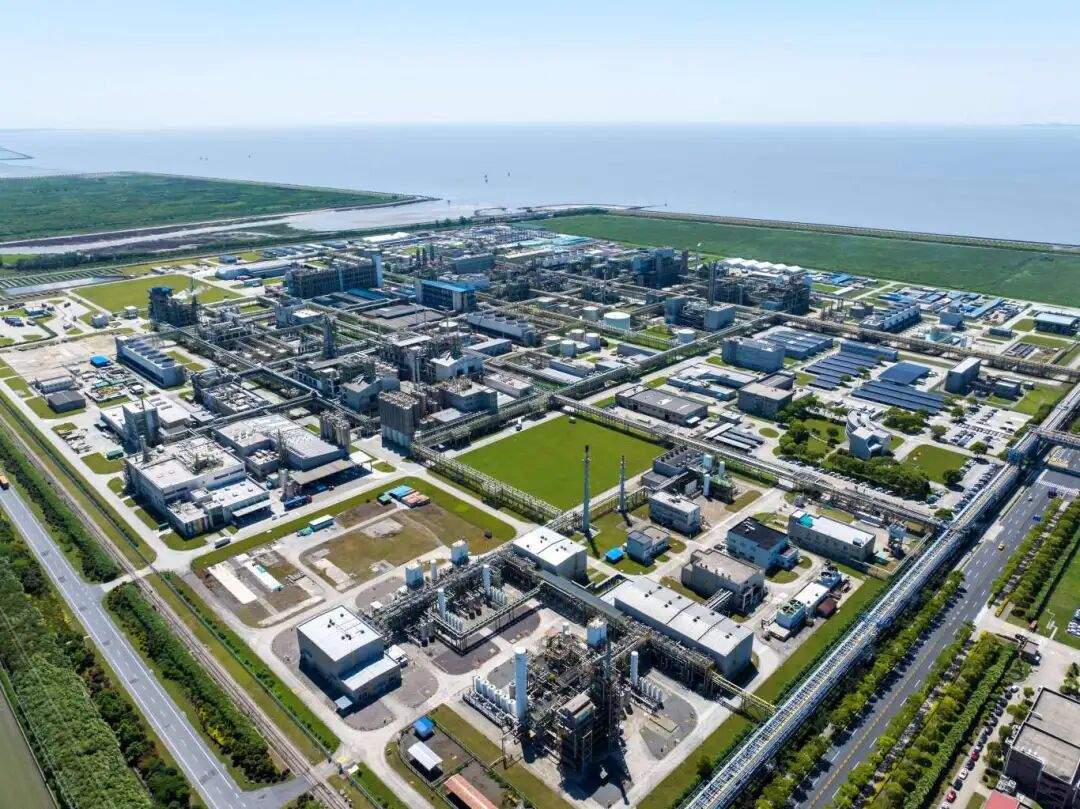
AkzoNobel has announced that it has achieved its target of halving carbon emissions from its own operations four years ahead of schedule. The target, set in 2020 with 2018 as the baseline, aimed for a 50% reduction in Scope 1 and Scope 2 emissions and was certified by the Science Based Targets initiative (SBTi). Wijnand Bruinsma, AkzoNobel's Director of Sustainability, stated that the company has established a clear vision to achieve carbon neutrality by 2050, and reaching this target early marks a significant step toward that goal. AkzoNobel's production bases in China have reduced carbon emissions by 56.9% compared to 2018, driven by the advancement of green, intelligent, and high-end production systems. Five of the company's factories in Shanghai, Changzhou, Suzhou, and Langfang have achieved 100% green electricity operations through green power procurement and solar panel installation projects. Additionally, factories across multiple locations in China have implemented equipment upgrades such as RTO regenerative thermal oxidizer optimization and waste heat utilization from air compressors, continuously improving energy efficiency.
Global coatings giant Jotun held a press conference in Cairo, Egypt, announcing that its Egyptian factory has been approved to commence production of the SteelMaster series of thin-film intumescent fire protection coatings, initiating localized production of PFP (passive fire protection). This factory becomes Jotun's first PFP production base in Africa and the Middle East. The SteelMaster series, Jotun's flagship thin-film intumescent fire protection coating launched in the 1990s, was developed with participation from Jotun's headquarters in Norway and the specialized intumescent fire protection R&D center in Flixborough, UK. It has obtained third-party authoritative certifications including ETA/CE, EN13381-8, and BS476. The product is specifically designed for steel structures. When exposed to high temperatures, the coating expands to form an insulating layer, slowing heat transfer and helping the steel structure maintain its load-bearing capacity for longer, providing up to 180 minutes of fire protection. The Shenzhen World Exhibition & Convention Center used this series, with a total supply of nearly 750,000 liters.
Turkish listed company Marmara Holding A.Ş. has announced the signing of a non-binding preliminary memorandum of understanding regarding the sale of its 50% stake in Polisan Kansai Boya Sanayi ve Ticaret A.Ş. (PKB) to its Japanese partner Kansai Paint for $93 million (approximately RMB 630 million). Kansai Paint also disclosed the matter on its website on the same day. If the transaction is ultimately completed, Kansai Paint will fully own this Turkish joint venture, which has been operating for a decade, deepening its strategic layout in the key market at the crossroads of Europe and Asia. The transaction is conditional upon Kansai Paint completing due diligence on PKB, both parties signing a final contract, and obtaining necessary permits and approvals. If completed, Kansai Paint will gain full operational control of PKB, enhancing overall decision-making efficiency and business synergies.
On June 28, Nippon Paint's new materials production base in the Xinjiang region officially commenced operations in the Xinjiang Production and Construction Corps New Building Materials Economic and Technological Development Zone. This is a key production base for Nippon Paint in Northwest China and a critical step in optimizing its local supply chain and enhancing regional production capacity. After startup, the project will directly serve the entire Xinjiang market and, leveraging Xinjiang's geographical advantage as a core area of the Silk Road Economic Belt, provide a strategic fulcrum for Nippon Paint to radiate into Central Asia, West Asia, and even the European market. The project is the first foreign-invested project introduced by the 11th Division of the Xinjiang Production and Construction Corps. It has introduced production equipment such as mixers, inkjet printers, palletizers, and water-based building material premix tanks. After startup, the annual output value is expected to be approximately RMB 400 million. The development zone stated that the project will effectively extend the green building materials industry chain through its processes and standards, driving the clustering of upstream and downstream enterprises such as raw materials, packaging, and logistics.
INX International Ink Company has partnered with Albert Invent to introduce an AI-enabled operating system aimed at comprehensively revolutionizing R&D workflows. The initiative is designed to centralize experimental data, integrate business processes, and empower AI-based ink formulation discovery. The deployment focuses on four main areas: data harmonization, AI-driven formulation discovery, workflow integration, and change management. By consolidating experimental data from solvent-based, water-based, energy-curable, and metal decorating ink systems, INX is laying the foundation for future AI tools to enhance formulation performance. Albert Invent's system introduces integrated experimental data capture, AI-assisted experimental design and performance prediction, a regulatory intelligence module for automated Safety Data Sheet (SDS) generation, an enterprise-grade security system ensuring team collaboration, and streamlined workflows that directly link business needs to R&D activities for INX's entire R&D organization.
Related Products

Steel Pipes for Refining and Coal Chemical Industries
YANGZHOU LONTRIN ENERGY EQUIPMENT CO.,LTD.
Nitrogen Export, Nitrogen Manufacturer, High-purity Nitrogen Supplier
Foshan Yuexin Industrial Gas Co., Ltd.
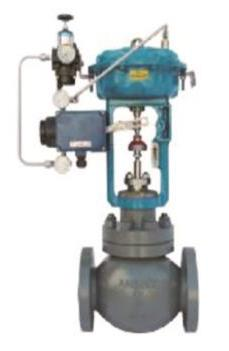
Quick-Change Single-Seat Control Valve / Quick-Change High-Pressure Single-Seat Control Valve
Beijing Consen Automation Technology Co., Ltd.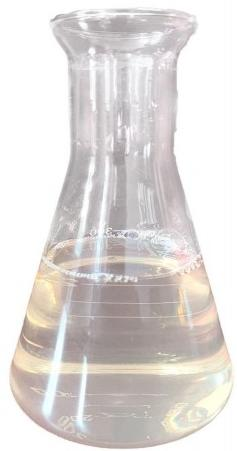
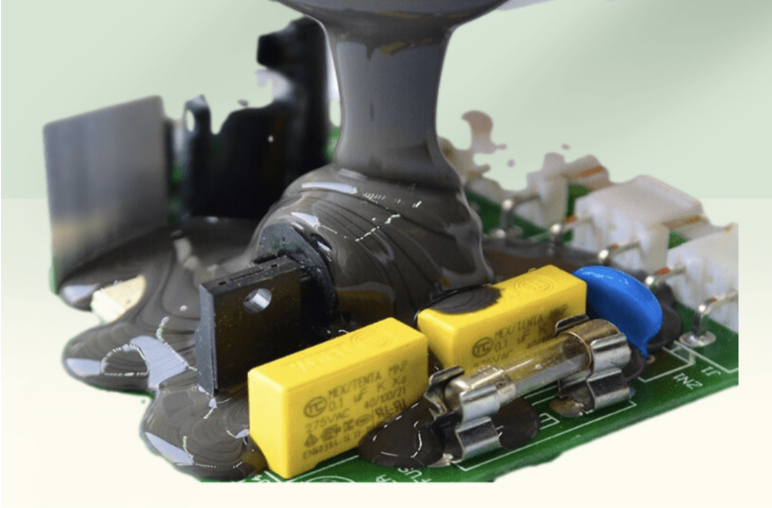
High Thermal Conductivity Encapsulating Resin
Nantong BESALL Sealing Technology Company.,Limited