Global Wax Market Expected to Reach $16.65 Billion by 2035
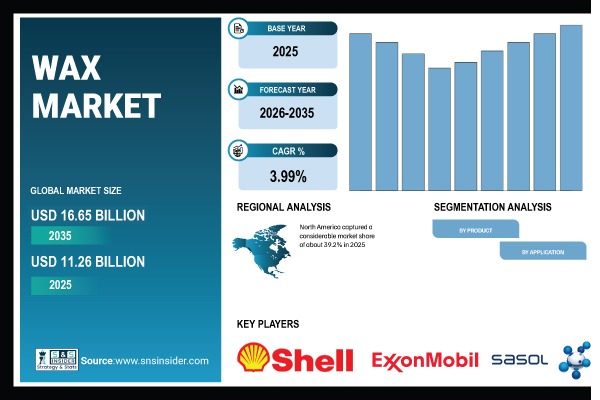
en.Wedoany.com Reported - According to a report released by SNS Insider, the global wax market was valued at $11.26 billion in 2025 and is projected to reach $16.65 billion by 2035, growing at a compound annual growth rate (CAGR) of 3.99% from 2026 to 2035.
The increasing use of wax in packaging, cosmetics, candle manufacturing, adhesives, rubber, and industrial applications, driven by its waterproofing properties, is fueling industry growth. The rising consumption of paraffin wax, beeswax, and specialty waxes in lipsticks, creams, lotions, and hair care products, as well as in hot-melt adhesives, tires, and surface coatings, is also a significant growth factor. In September 2024, Evonik Industries commissioned a new sustainable emollients plant at its Steinau site, indicating a shift in business investment towards sustainable manufacturing amid growing global demand for cosmetics.
By product type, mineral wax held the dominant market share in 2025, accounting for 68.23% of revenue, primarily due to its economical price, availability, and performance, leading to widespread use in candles, packaging, coatings, adhesives, and industrial processes. Natural wax is expected to record the fastest CAGR from 2026 to 2035, driven by strong demand for soybean wax, beeswax, and carnauba wax. By application, candles held the largest market share in 2025, accounting for approximately 35% of revenue, with significant consumption of paraffin wax, soybean wax, beeswax, and their blends in the manufacturing of decorative, scented, religious, and wellness candles. Cosmetics and toiletries are expected to achieve the highest CAGR over the same forecast period, driven by the increased use of natural waxes in lipsticks, creams, lotions, and lip balms.
Regionally, Asia-Pacific is the major holder of the wax market, with an estimated market share of 35.67% in 2025. The rapid expansion of industrial sectors in China, India, and Japan, coupled with growing consumer demand and high availability of raw materials, supports the region's market position. Approximately 37.8% of Asia-Pacific's revenue comes from China, where its petrochemical industry ensures a supply of paraffin wax. The U.S. wax market was estimated at approximately $2.44 billion in 2025 and is projected to grow to about $3.85 billion by 2035, at a CAGR of 4.65%. The market dominance of companies such as BASF, ExxonMobil, and Honeywell, along with the use of bio-based and synthetic waxes driven by environmental policies, is boosting demand for wax products in packaging, cosmetics, pharmaceuticals, and automotive applications. The European wax market was estimated at $3.04 billion in 2025 and is projected to reach $4.82 billion by 2035, at a CAGR of 4.73%. The increased use of sustainable and natural waxes in cosmetics, packaging, and candles is driving revenue in Europe. Germany accounts for approximately 21.6% of European revenue, supported by its strong chemical industry and investments in bio-based waxes for cosmetics and personal care. Stringent EU environmental regulations are leading to higher demand for synthetic and bio-based waxes over petroleum waxes in the UK, France, and the Netherlands. North America held approximately 39.2% of the market share in 2025, with increasing demand for premium wax products, research and development of sustainable wax alternatives, and the presence of companies producing paraffin, synthetic, and natural waxes being the dominant factors supporting the region's market.
3D printing and industrial coating applications are expected to open new growth avenues for the wax market. The molding properties of wax make it suitable for manufacturing prototypes and investment casting products in additive manufacturing. By 2035, the addition of more wax additives to paints and coatings that protect automotive and building surfaces will create new revenue streams for wax manufacturers.
Key market players listed in the report include Shell plc, Exxon Mobil Corporation, Sasol Limited, HollyFrontier Corporation, Nippon Seiro Co., Ltd., PetroChina Company Limited, Sinopec Group, Indian Oil Corporation Limited, Petrobras, Saudi Aramco, BP plc, TotalEnergies SE, Chevron Corporation, Lukoil PJSC, H&R GmbH & Co. KGaA, The International Group, Inc., Calumet, Inc., Hansen & Rosenthal Group, Koster Keunen, Inc., and Kerax Limited. In 2024, BASF showcased sustainable solutions for the personal care industry at in-cosmetics Global in Paris; ExxonMobil launched the new Prowaxx brand, establishing a scalable naming system for its wax products.
The report scope covers the base year of 2025 with a forecast period from 2026 to 2035. Key market segments are divided by product into mineral wax, synthetic wax, and natural wax, and by application into candles, packaging, plastics & rubber, pharmaceuticals, cosmetics & toiletries, fire logs, adhesives, and others. Regional analysis covers major countries in North America, Europe, Asia-Pacific, the Middle East & Africa, and Latin America.
Related Products


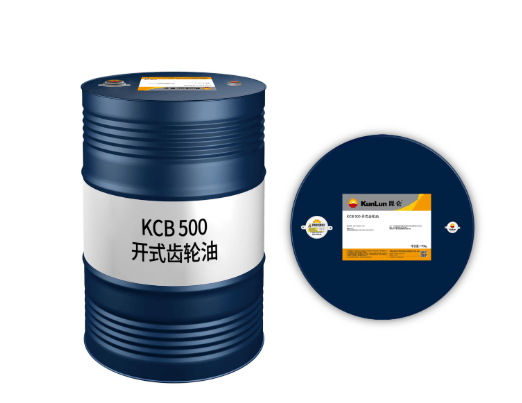
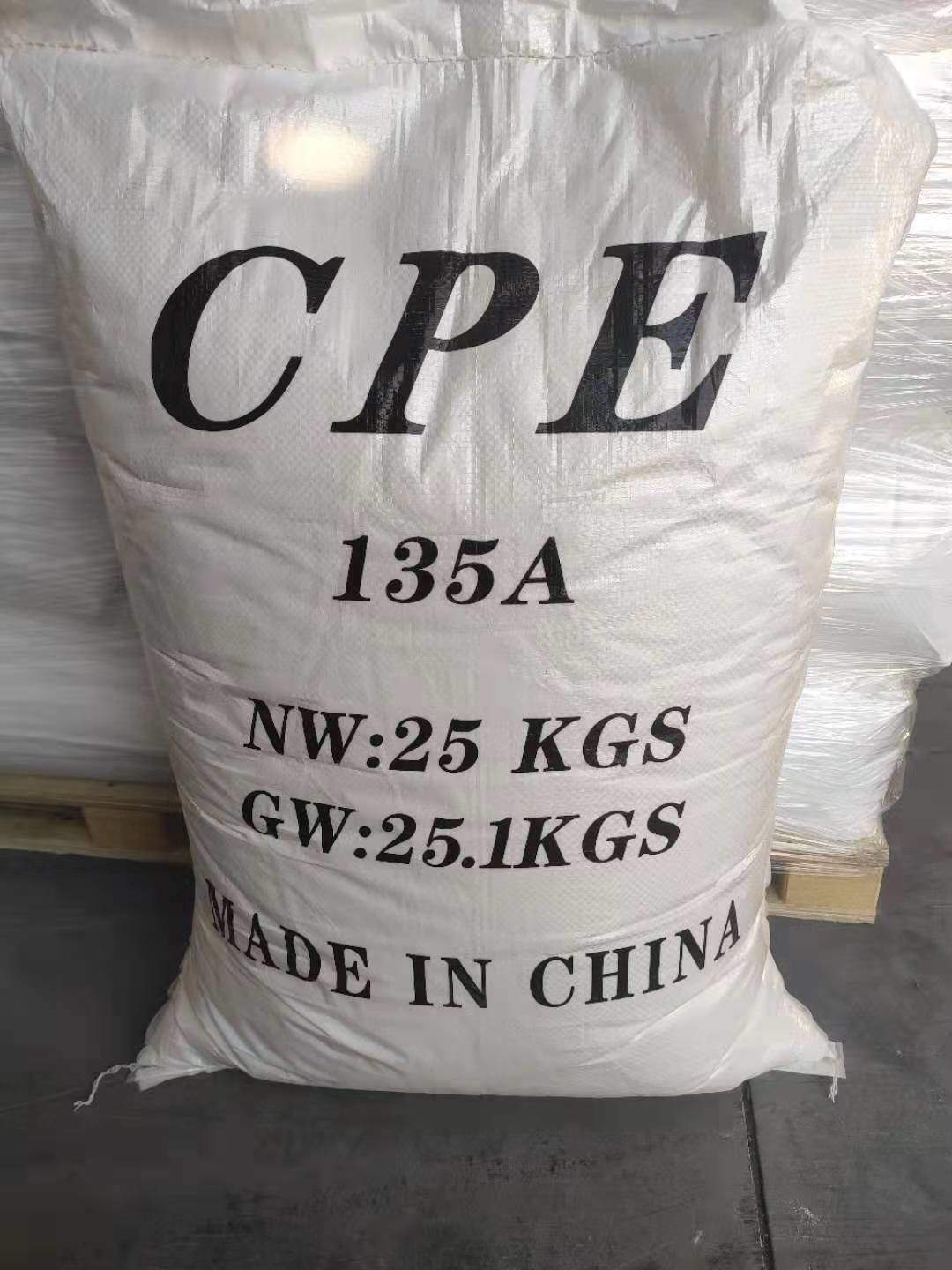
PVC Impact-Modified Chlorinated Polyethylene
Gansu Jinchuan Hengxin Polymer Technology Co., Ltd.

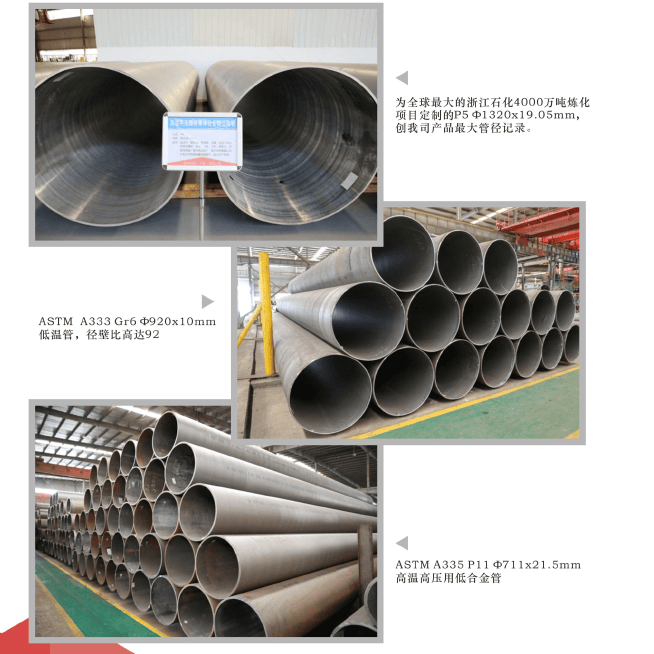

CAP1400 main feedwater flow nozzle flowmeter.
Jiangsu Hongda Instrument Technology Co., LTD.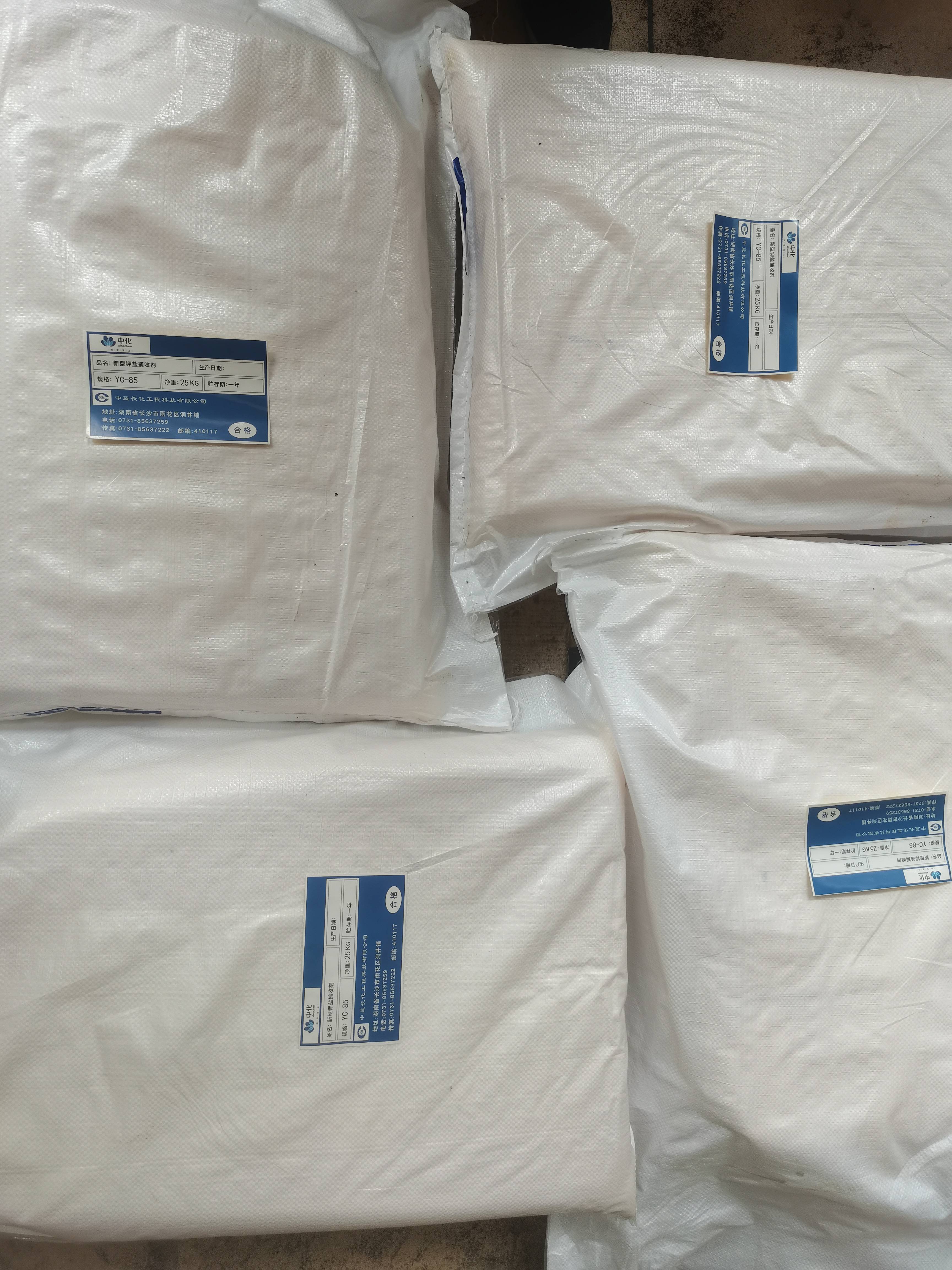
New Environmentally Friendly Green Potassium Salt Collector
Chonfar Engineering and Technology Co., Ltd.


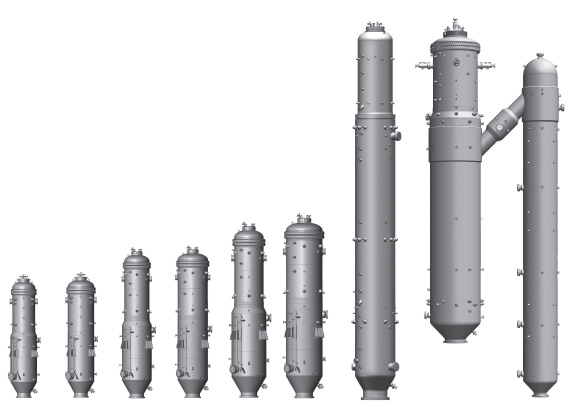
Gasification Furnace Series: Freely Combinable Aerospace Furnace
CHANGZHENG ENGLINEERING CO., LTD.