Winter wheat conditions have improved in the US
Wedoany.com Report-May 5, The condition of winter wheat in the United States showed notable improvement last week, according to a report from Zerno On-Line, referencing data from the National Agricultural Statistical Service (NASS) of the U.S. Department of Agriculture. The update, released in late April, highlights positive developments in crop quality and sowing progress for the 2025 season.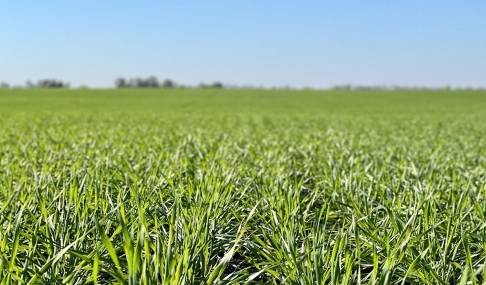
By April 27, the proportion of winter wheat crops rated in excellent condition rose to 9%, up from 7% the previous week and 6% a year earlier. Crops in good condition increased to 40%, compared to 38% a week prior and 43% last year. Meanwhile, 32% of crops were in satisfactory condition, down from 34% and 35% in the respective periods, and 19% were in poor or very poor condition, a decrease from 21% and an increase from 16% a year ago.
A NASS representative stated: “The share of winter wheat crops in excellent condition by April 27 increased to 9% (7% a week earlier and 6% a year ago), in good condition – to 40% (38% and 43%).” This reflects steady progress in crop health, supporting optimism for the upcoming harvest.
Sowing of spring crops has also advanced at a faster pace than the five-year average. By April 28, U.S. farmers had planted corn on 24% of the planned area, surpassing the five-year average of 22% for that date. Soybean sowing reached 18% of the intended area, compared to a 12% average, while spring wheat was sown on 30% of the planned area, exceeding the 21% five-year average.
The accelerated planting schedule indicates favorable conditions and efficient farming operations across key agricultural regions. The improved winter wheat conditions, combined with robust spring crop sowing, suggest a strong start to the 2025 growing season, potentially boosting domestic supply for consumption and export markets.
The data underscores the resilience of U.S. agriculture in optimizing crop production. Winter wheat’s improved quality, with a higher share in excellent and good conditions, reflects effective management and favorable weather patterns. The rapid progress in spring crop planting further demonstrates farmers’ ability to capitalize on optimal conditions, positioning the U.S. to meet both domestic and international demand for grains.
These developments are critical for maintaining stability in the agricultural sector, supporting food security, and contributing to economic growth through crop production. The NASS data provides valuable insights for stakeholders, highlighting the positive trajectory of U.S. winter wheat and spring crops as of late April.
Related Products




4HS-8 High-efficiency Peanut Inverted-laying Harvester
Hebei Yongfa Hongtian Agricultural Machinery Manufacturing Co., Ltd.
714CD Series C-Band Weather Radar
Chengdu Zhongdian Jinjiang Information Industry Co., Ltd.