FedEx Express Receives Final Boeing 767 Freighter, Production to End in 2027
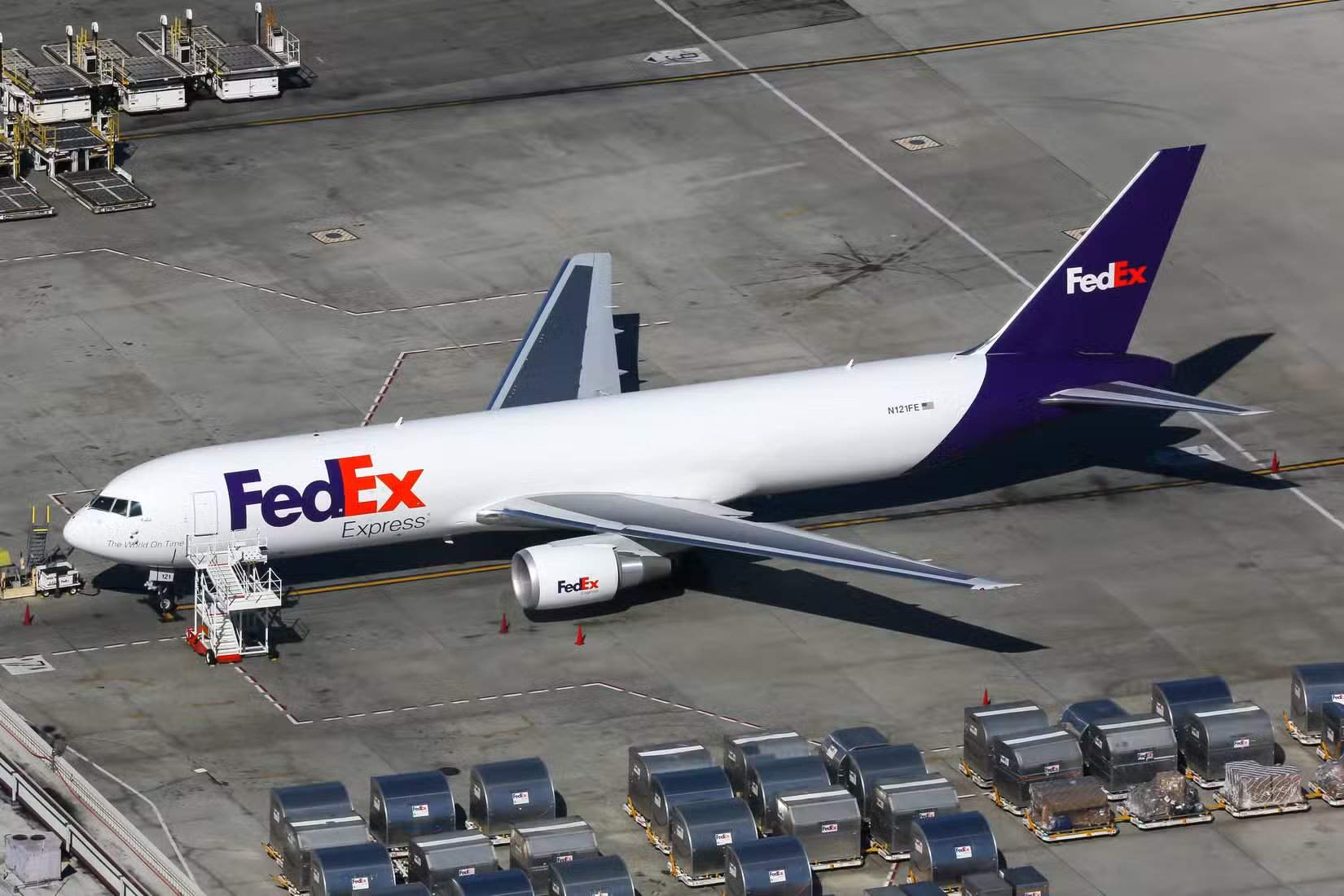
en.Wedoany.com Reported - FedEx Express received its 152nd and final factory-new Boeing 767-300F freighter (registration N244FE) on May 28, 2026, marking the end of decades-long commercial production for the aircraft type. Boeing has confirmed that with the remaining 15 backlogged orders delivered, the commercial production line for the 767-300F will fully close in 2027, with future production limited to the military variant KC-46A Pegasus aerial refueling tanker.
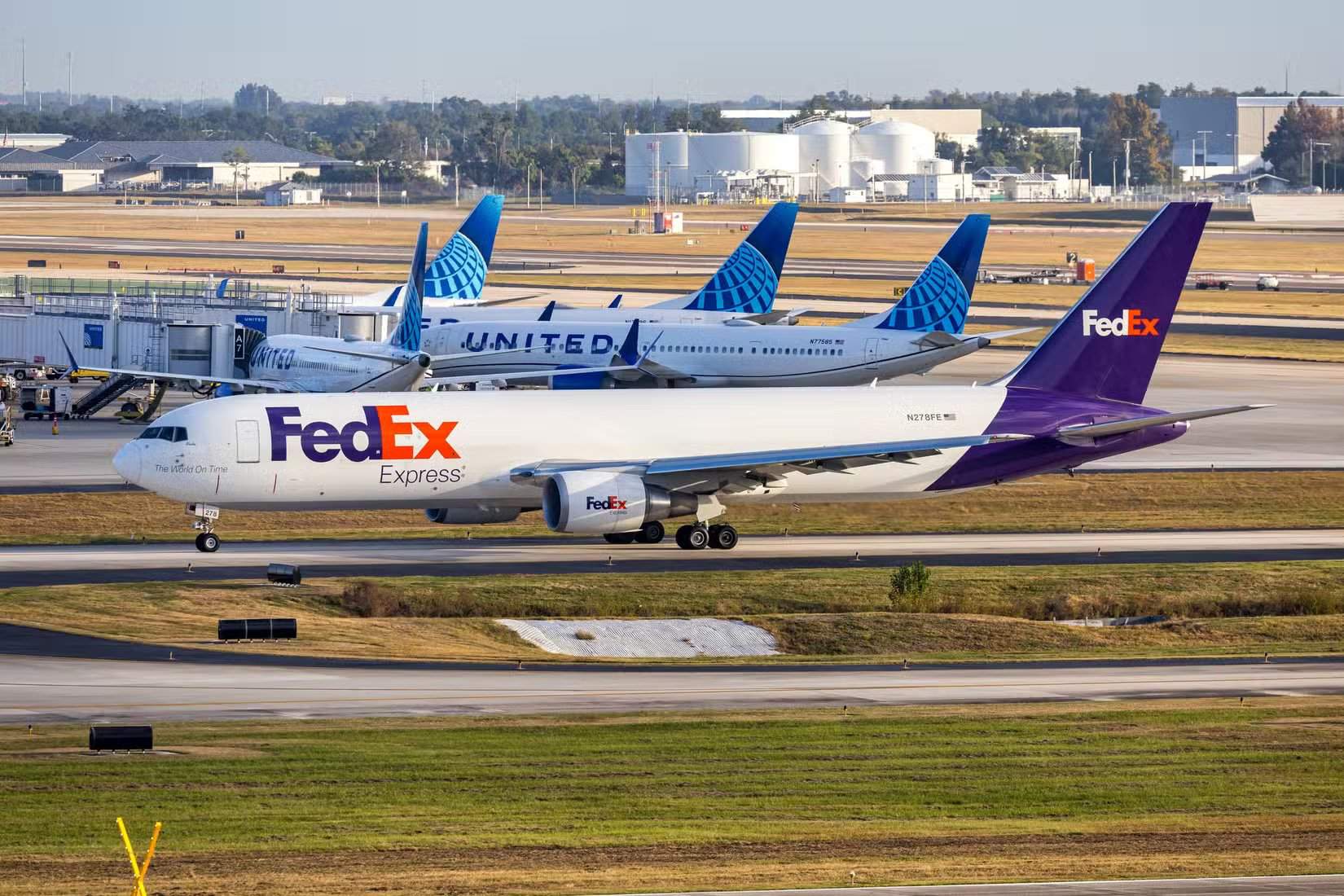
Passenger airlines chase the latest cutting-edge technology, while cargo carriers favor proven platforms. The Boeing 767's design dates back to the late 1970s, and its commercial passenger version ceased production over a decade ago. The freighter variant, with its low acquisition cost, structural simplicity, and fuselage advantages, continues to attract express logistics operators.
This 767-300F, intended to replace the aging MD-11F and A300-600RF fleets, flew directly from Boeing's Paine Field in Everett to FedEx's main sorting hub in Indianapolis. Through aggressive procurement strategies, FedEx has solidified its position as the world's largest single operator of this aircraft type.
Currently, there are 15 unfilled orders for commercial freighters, with seven designated for UPS Airlines and eight for undisclosed commercial operators. Boeing CEO Kelly Ortberg stated that due to a prolonged machinist strike in late 2024 and significant financial costs, production of the commercial 767-300F will completely cease in 2027. However, production tooling will be retained exclusively for building the military variant KC-46A.
The primary driver for the model's discontinuation comes from environmental regulations. Carbon emission rules drafted by the International Civil Aviation Organization (ICAO) and adopted by the U.S. Environmental Protection Agency were originally set to prohibit the production of airframes not meeting modern greenhouse gas standards as of January 1, 2028. Section 1105 of the FAA Reauthorization Act, signed on May 16, 2024, includes a clear five-year regulatory exemption, extending the domestic production exemption to January 1, 2033. This exemption strictly applies to subsonic dedicated freighters with a maximum takeoff weight between 396,832 pounds (approximately 180,000 kg) and 529,109 pounds (approximately 240,000 kg), certified before 2023.
The Boeing 767-300F, with a maximum takeoff weight of 413,000 pounds (187,333 kg), is the only currently produced commercial freighter globally that fits this description. However, this loophole is limited to the United States, with no equivalent exemption from foreign authorities. Considering overseas operational restrictions, Boeing has chosen to adhere to the 2027 production cessation timeline.
The enduring commercial appeal of the 767-300F stems from its ability to fill the gap between narrow-body single-aisle freighters and ultra-large long-range widebodies like the 777F. For express networks, the aircraft represents an ideal design compromise.
Express fleets fly only 2 to 3 hours per day, with utilization rates far lower than passenger aircraft. The high capital expenditure for purchasing new composite aircraft is difficult to amortize under such low utilization. The mature aluminum 767 offers low acquisition costs and predictable maintenance expenses.
The 767-300F's seven-abreast, twin-aisle cross-section accommodates standard containers, with a main deck capable of holding 24 standard pallets, a payload exceeding 115,700 pounds (52,481 kg), and a range of 3,255 nautical miles (6,028 km). This size perfectly matches global sorting systems, giving it an irreplaceable structural advantage on short-haul domestic trunk routes.
The 767's military counterpart, the KC-46A Pegasus, based on the 767-2C pre-production airframe structure, serves as the economic backbone for freighter production. Although the program has accumulated losses exceeding $7 billion under fixed-price contracts, the aircraft manufacturer has been able to maintain its traditional manufacturing footprint in Everett thanks to long-term government procurement contracts. In the fiscal year 2027 defense budget proposal, the U.S. Air Force requested $3.9 billion to purchase 15 tankers, with plans to increase annual production to 18 units by 2031. The National Defense Authorization Act raised the minimum strategic tanker inventory from 466 to 502 aircraft, locking in demand for the 767 production line for at least a decade.
For cargo operators, operating a mature and reliable platform like the 767 avoids the steep learning curve and teething issues associated with new aircraft, particularly passenger-to-freighter conversions. Its global maintenance infrastructure is well-established, with spare parts and repair services being low-cost and widely available.
Aluminum skin can be quickly repaired on standard tarmacs after damage, without the need for cleanroom environments required for composite repairs. The exceptional fleet reliability resulting from mechanical simplicity is crucial for express integrators operating tightly synchronized sorting windows. A single delay can trigger millions of dollars in service guarantee penalties, and the 767's design mission prioritizes predictable mechanical reliability.
With the larger Boeing 777-8F slated for entry into service in 2028, fleet planners face a transition period, leaving a temporary gap. Operators are ensuring existing 767 fleets can operate into the mid-2030s through avionics upgrades, cockpit modernization, and structural life extension programs. Additionally, the passenger-to-freighter conversion market for retired aircraft is expected to sustain demand for regional widebody capacity.
This twin-engine aluminum aircraft exemplifies a model of industrial longevity achieved through structural simplicity and precise asset planning. As the final 15 commercial airframes are assembled, the program stands as a powerful testament to the enduring value of older platforms in the global economy, with the operational lifecycle of classic widebodies continuing.
Related Products

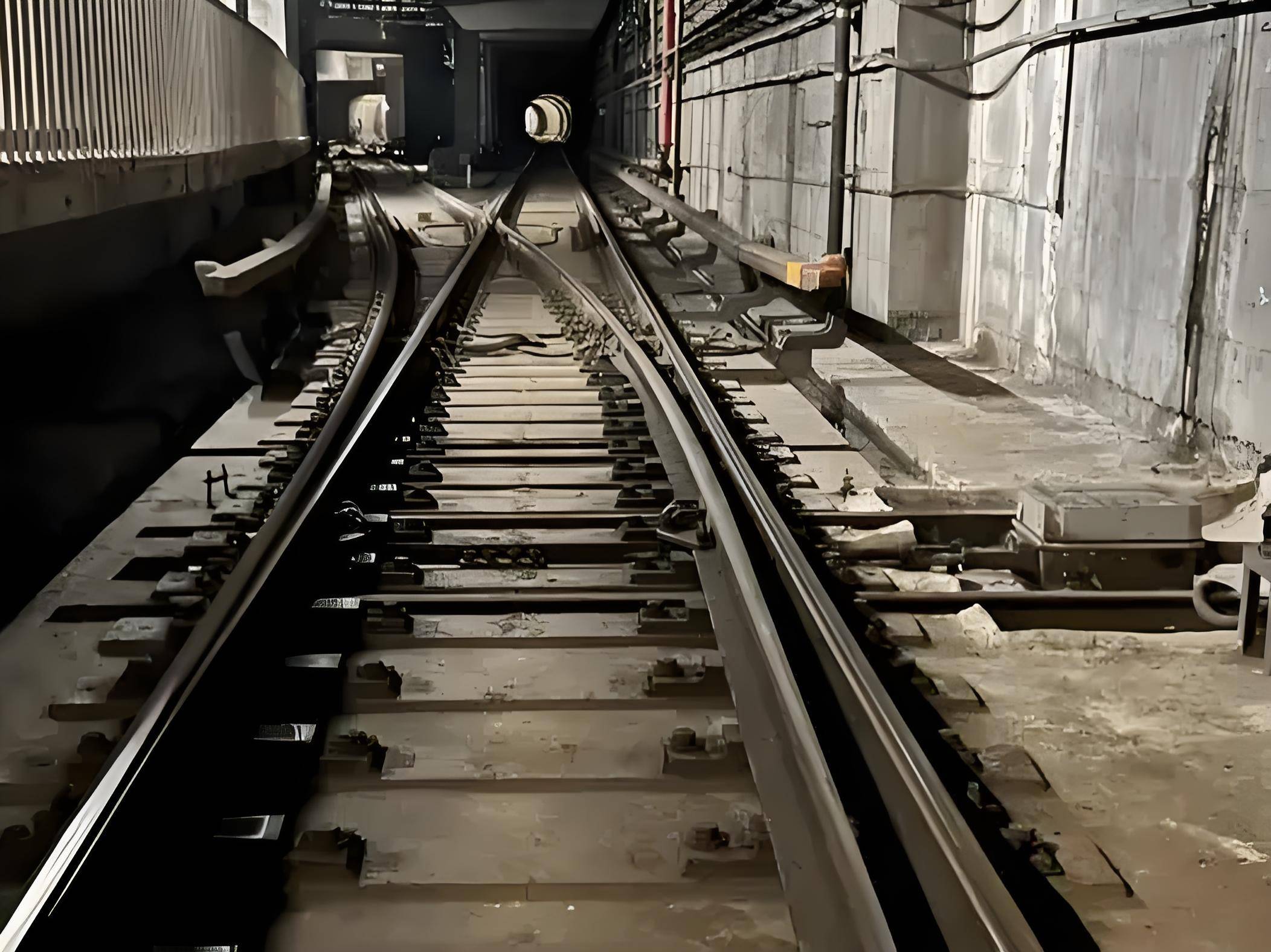

Pantograph-Catenary Comprehensive Detection Device (1C)
CHENGDU TANGYUAN ELECTRIC CO., LTD.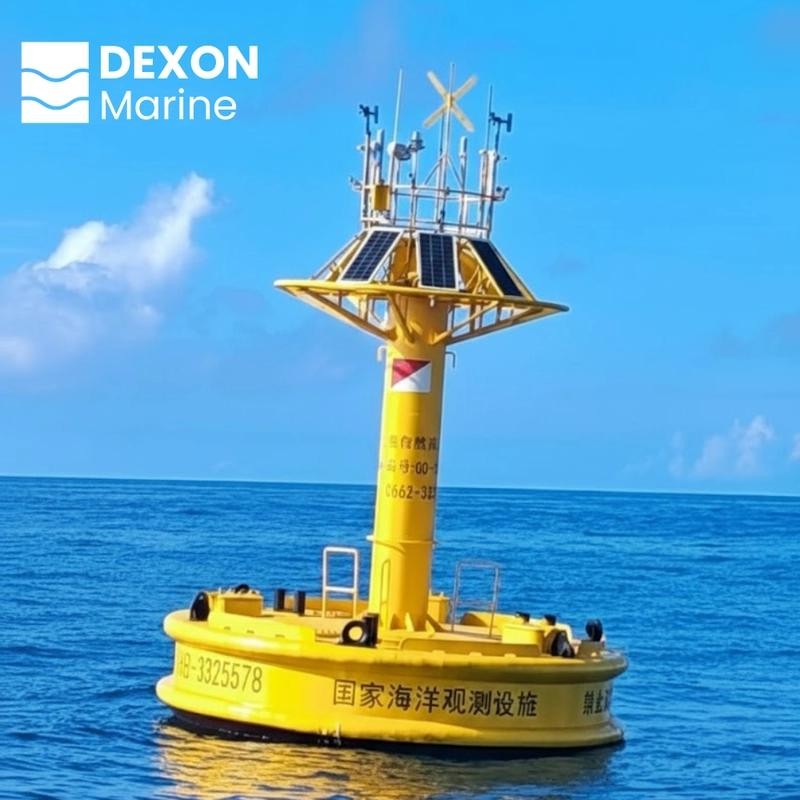
3m intelligent buoy combining navigation safety and real-time marine monitoring integrated navigation and marine monitoring system for real-time maritime data
Chengdu Dixin Technology Co., Ltd.
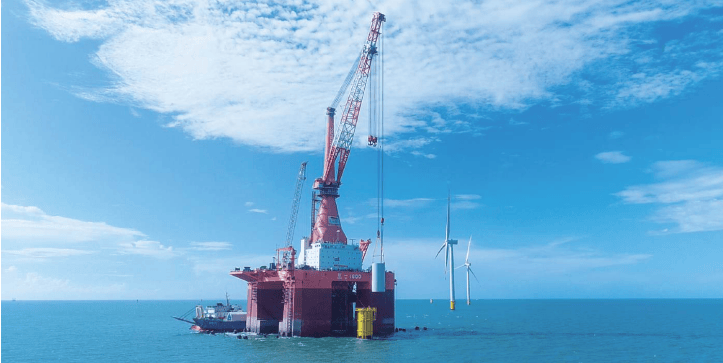
"Shunyi 1600" Deep-submerging Bottom-sitting Multi-functional Wind Power Engineering Vessel
Zhengli Offshore Engineering Co., Ltd.
Industrial and Commercial Point-Type Gas Detector
Jinan Benan Technology Development Co., Ltd.