Emirates Invests $2 Billion in Fleet Upgrade to Counter Riyadh Air Challenge
en.Wedoany.com Reported - The Middle Eastern aviation industry is witnessing a direct challenge from a state-backed newcomer against an established giant, as Saudi Arabia's Riyadh Air has officially launched public ticket sales and commenced scheduled commercial flights. Backed by the vast financial engine of the Public Investment Fund, this new entrant enters the market with global dominance as a baseline expectation, targeting coverage of over 100 destinations by 2030.
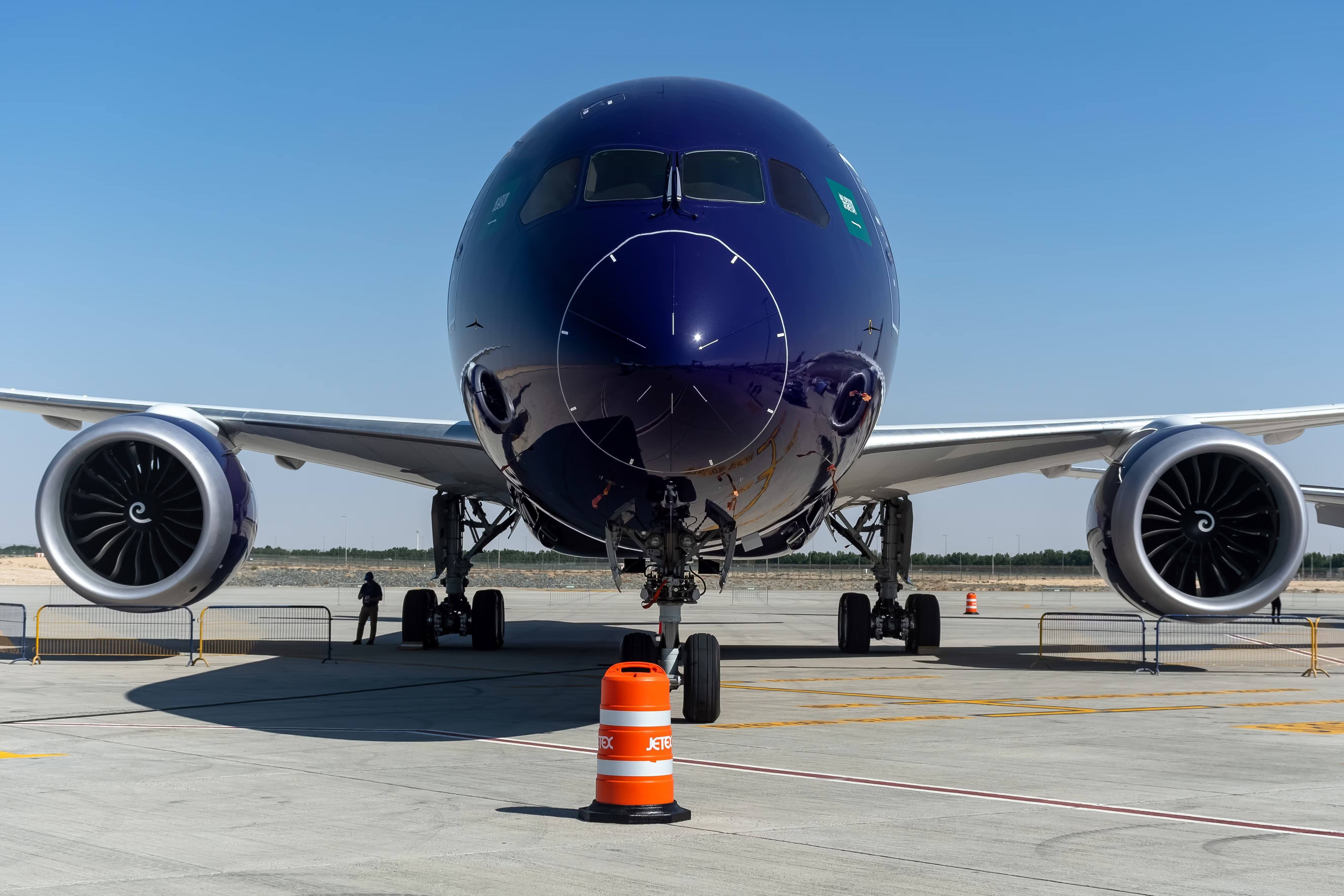
Dubai-based Emirates has not responded to this threat with a price war but instead unveiled a $2 billion defensive strategy. The core of this plan involves a comprehensive retrofit and upgrade of its existing widebody fleet, alongside enhancements to onboard soft product services, aiming to build a luxury moat that a new startup, despite its capital, will find difficult to cross. For the fiscal year ending March 31, 2026, Emirates posted a record annual profit of 22.8 billion UAE dirhams (approximately $6.2 billion), providing unprecedented financial leverage for reinvestment in its brand. However, Riyadh Air operates under the nearly unlimited mandate of the Saudi National Aviation Strategy, breaking down the financial barriers that have traditionally hindered rapid expansion for new airlines.
This conflict transcends simple corporate competition, evolving into a geopolitical contest for dominance in geographic transit hubs. Dubai's status as a global crossroads is under challenge, as Riyadh Air has swiftly launched high-profile routes to London Heathrow Airport (LHR) and Manchester Airport (MAN), aiming to channel premium traffic to King Khalid International Airport (RUH). Emirates is choosing to rely on its operational scale and brand recognition, channeling its record cash reserves into immediate passenger experience upgrades, setting a target for the Saudi newcomer that will be difficult to match quickly.
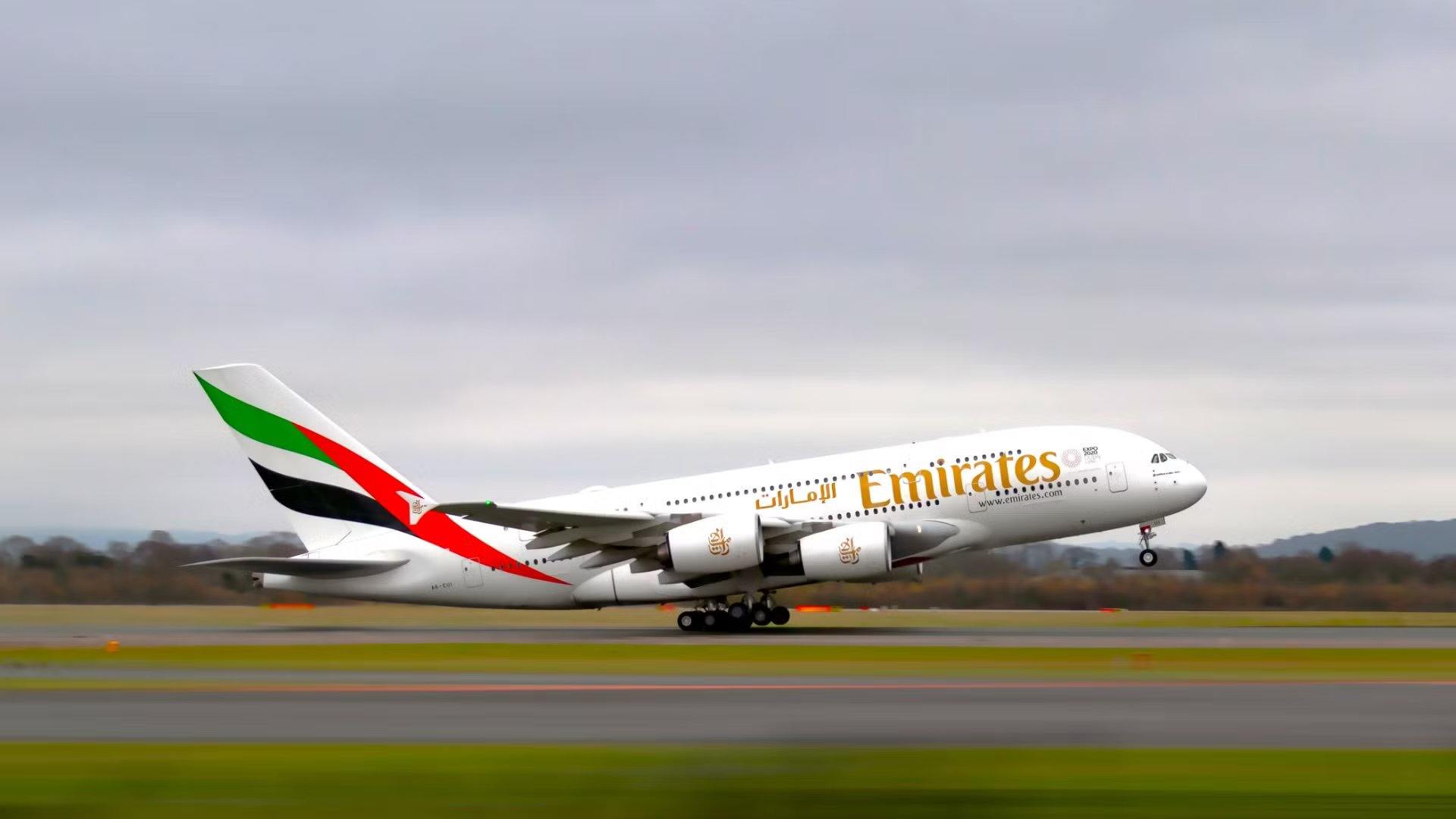
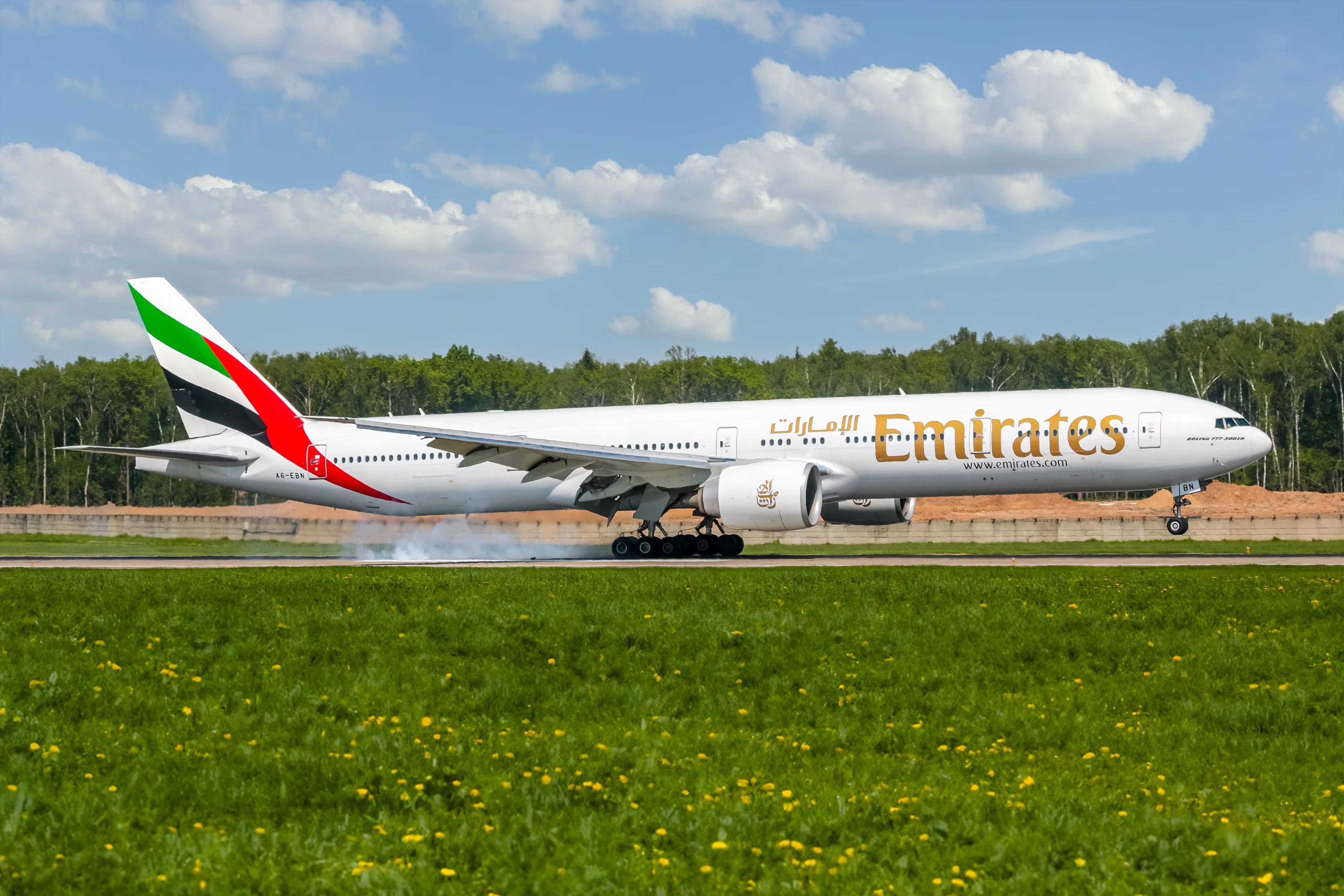
At the heart of Emirates' defensive strategy is an aggressive aircraft interior modernization program, planning to strip and rebuild the interiors of 219 widebody aircraft (including its Airbus A380 and Boeing 777 fleets), completely removing and replacing every seat, carpet, and partition. A key element of this project is the extensive integration of premium economy class, designed to attract high-yield leisure travelers seeking upgraded comfort without paying full premium fares. Riyadh Air has anticipated this trend, installing a four-class layout from the initial stage on its upcoming Boeing 787-9 aircraft.
On flagship routes, the two carriers will engage in direct competition. Emirates can spread its massive investment across its large active fleet, thereby controlling unit upgrade costs. If aircraft delivery delays continue to plague the industry, Emirates' ability to refurbish its older fleet will provide a clear tactical advantage. The battle for premium consumer mindshare also extends to soft products, with Emirates recently launching its 18th-generation Bvlgari amenity kit, meticulously customized by gender and cabin class. First-class female passengers will receive an exclusive 30ml bottle of the premium perfume Le Gemme Sahare Eau de Parfum, a luxury fragrance inspired by desert landscapes with notes of ambergris and Taif rose. These ultra-luxury touchpoints are also designed with sustainable elements, such as recycled fabrics and eco-friendly kraft paper packaging.
The ground transit experience is equally critical. Dubai is defending its position through the established layout of Dubai International Airport (DXB) and plans for a transition to Al Maktoum International Airport (DWC). Saudi Arabia is constructing the new King Salman International Airport in Riyadh, a hub designed to handle 120 million passengers annually by the end of this decade. Riyadh Air must build its premium ground environment from scratch, making the construction of the physical airport layout a key element of its market entry strategy.
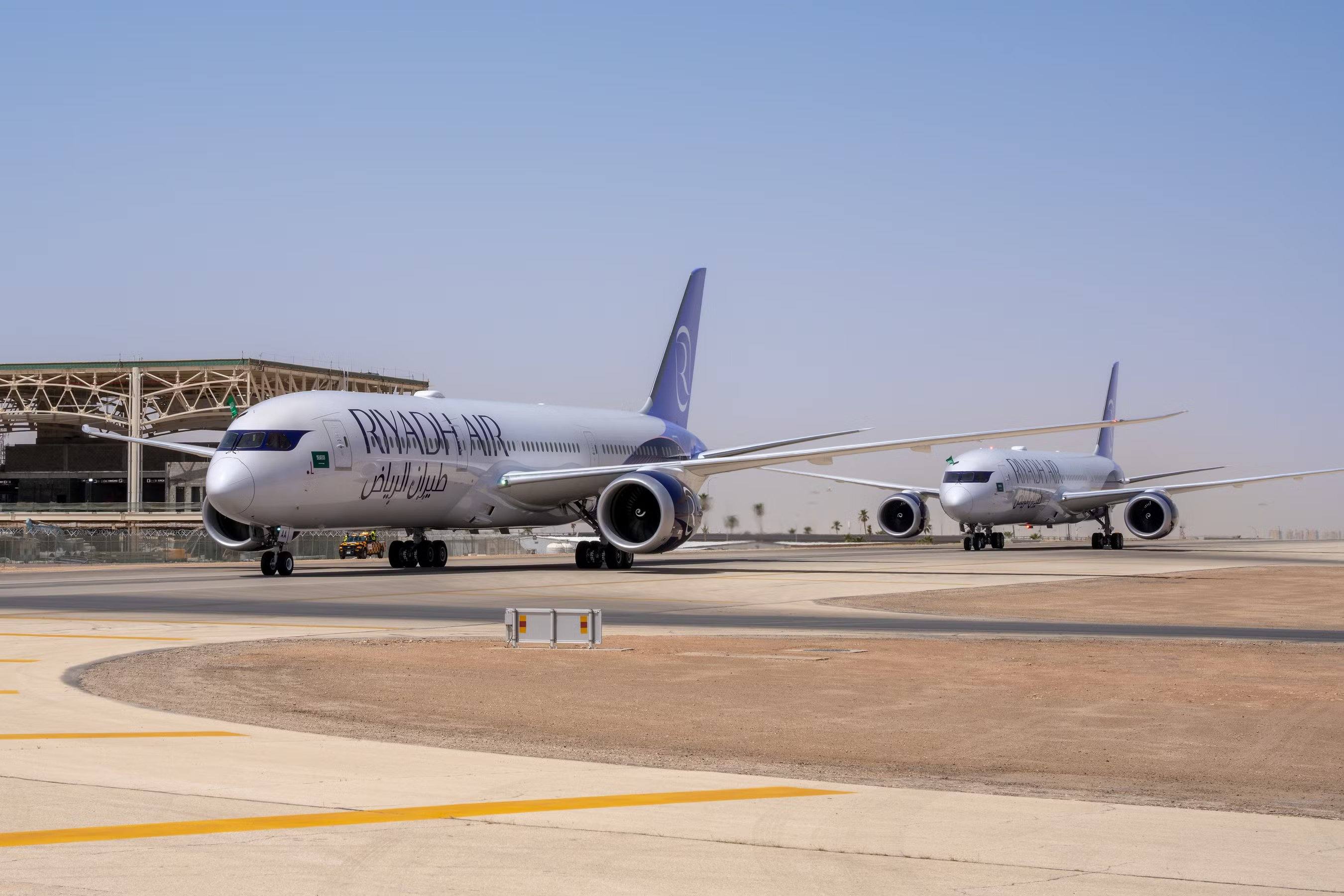
Despite strong financial backing, Riyadh Air still lacks immediate network depth. The established giant's mature global hub and scheduling advantages form a formidable defensive fortress. The ultimate luxury in modern aviation is time, determined by flight frequency and minimum connection times. This competition is driving profound changes across the international aviation landscape, with billions of dollars flowing into hardware upgrades and cabin improvements. The baseline expectation for long-haul passenger comfort is being permanently raised, and premium economy has evolved into a high-end comfort tier.
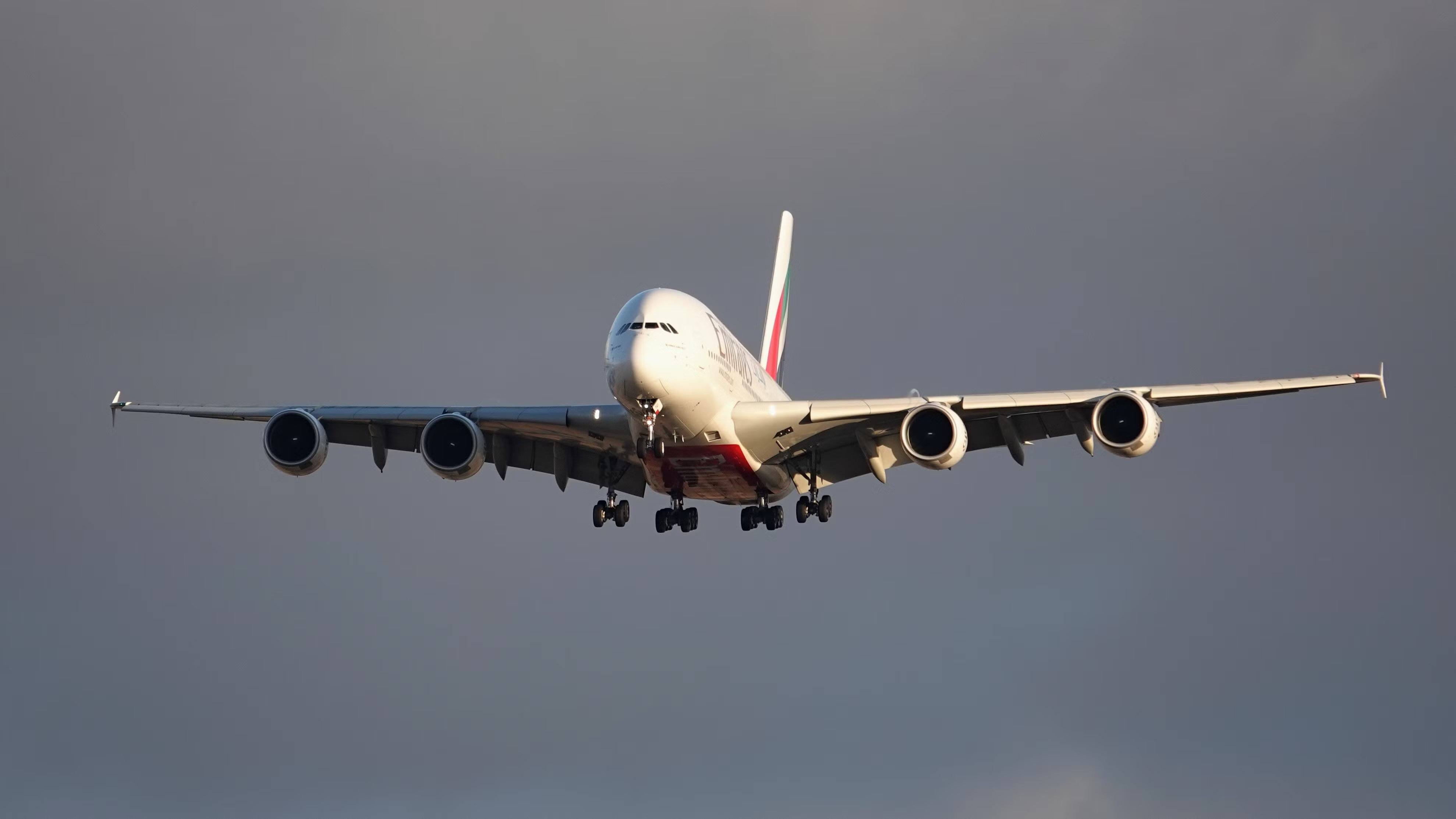
The geopolitical drive to transform the Middle East into the world's premier tourism and logistics hub ensures this capacity war will intensify. As the new entrant expands its widebody fleet, the battleground will extend into the digital realm, where biometrics, personalized dining, and seamless in-flight entertainment will define the next generation of airline loyalty.
Related Products

XC-6000e Type Aviation Catering Truck (Fuel Type)
Shenzhen CIMC-TianDa Airport Support Ltd.

Industrial and Commercial Point-Type Gas Detector
Jinan Benan Technology Development Co., Ltd.

![IVECO Cash-in-Transit [DMT5048XYCL3-AM] - Chongqing Dima Industry Co., Ltd](https://img.wedoany.com/2026/0911/20260911030157582.png)


3m intelligent buoy combining navigation safety and real-time marine monitoring integrated navigation and marine monitoring system for real-time maritime data
Chengdu Dixin Technology Co., Ltd.