ASME Updates GDTP Certification to Align with Y14.5-2018 Standard
en.Wedoany.com Reported - The American Society of Mechanical Engineers (ASME) has launched an updated Geometric Dimensioning and Tolerancing Professional (GDTP) certification, aligning it with the current ASME Y14.5-2018 standard and positioning this long-standing credential for the era of digital product definition. Precise specification and interpretation of tolerances are critical to ensuring parts fit correctly, function properly, and pass inspection on the first attempt. Misunderstanding this language is one of the most insidious and costly sources of scrap, rework, and schedule delays in advanced manufacturing and its supply chain.

As engineering teams transition from 2D drawings to annotated 3D models, the ability to clearly encode design intent has become a measurable business risk. ASME's initiative formalizes this capability, providing employers with a common yardstick to measure workforce competency and offering engineers a portable, standards-based proof of skill. The certification addresses a specific business problem: tolerance ambiguity leading to scrap, rework, inspection disputes, and production delays in complex supply chains. It is offered at two levels—Technologist and Senior—covering drawing interpretation and tolerance strategy design, with a three-year validity and renewal option. The program is explicitly oriented toward Model-Based Definition (MBD) and Product Manufacturing Information (PMI), reflecting the industry shift toward machine-readable tolerances embedded in digital models.
The strongest argument for tolerance certification is financial. When design engineers misapply geometric controls, or when machinists and inspectors interpret them differently, the consequences directly impact cost and schedule. These losses rarely appear as a single line item but accumulate across every project relying on precision components. A common certification changes the conversation between buyers and suppliers, pointing to a shared, independently assessed benchmark. As supply chains extend across multiple locations and jurisdictions, this consistency becomes even more valuable. ASME positions the certification as a method to reduce such ambiguity, with its value lying in how a shared language can reduce disputes, defects, and delays.
The technical core of the update is alignment with ASME Y14.5-2018, which specifies symbols, rules, definitions, and requirements for expressing and interpreting geometric dimensioning and tolerancing. The 2018 revision extends the standard's examples and logic to model-based applications, reflecting the reality that organizations now define products directly in 3D CAD data. In Model-Based Definition, PMI is embedded within the 3D model, and only when this information is correctly authored can CAD, product lifecycle management, machining, and coordinate measuring machine systems interpret it in the same way. Standards like ASME Y14.41 specify how digital product definition is organized, while Y14.5 specifies the tolerance language it carries—both work together to ensure meaning is preserved.
The certification structure is divided into two levels. The Technologist level emphasizes the ability to read and interpret engineering drawings and models, suitable for quality inspectors, machinists, metrology specialists, and early-career engineers. The Senior level involves selecting and applying geometric controls, including datum feature selection and tolerance calculations, targeting design and manufacturing engineers responsible for deciding how parts should be controlled. The certification is valid for three years and renewable, requiring holders to maintain active engagement in relevant work. Mair DeMarco, Director of Learning Experiences and Excellence at ASME, stated that the ability to correctly apply GD&T is foundational to modern engineering, and this certification provides professionals with a credential aligned with current standards while offering employers a reliable method to ensure their workforce delivers high-quality, consistent results.
Geometric dimensioning and tolerancing belongs to the mechanical and manufacturing domain, but its impact extends to the components and equipment on which infrastructure relies. Construction and mining machinery, railway systems, tunneling equipment, pumps, valves, and sensors and actuators in smart infrastructure all depend on parts manufactured to tight tolerances and inspected against clear specifications. When specifications are consistently written and interpreted, assemblies fit, maintenance is predictable, and warranty risks are reduced. The certification also touches on two agendas shared by construction and infrastructure with advanced manufacturing: digitalization and workforce readiness. As model-based workflows, digital twins, and digital threads reshape how assets are designed and maintained, the integrity of embedded technical information is only as good as the people who author it.
The updated certification is a marker of where technical engineering is headed. As product definition migrates to models and procurement functions demand proof of supplier capability, the ability to precisely use tolerance language will shift from a professional advantage to a baseline expectation. A certification program tied to the current standard provides organizations with a mechanism to keep pace with this shift. For leaders in construction, infrastructure, and industrial technology, the key takeaway is that precision manufacturing, digital engineering, and workforce development are converging into a single quality problem, and standards-aligned competency is becoming the common currency that connects them. Organizations that treat tolerance proficiency as a measurable, certifiable asset will be better positioned, and the value of such certifications will be judged by how much a shared, standards-based discipline can reduce the friction, waste, and risk caused by ambiguity.
Related Products

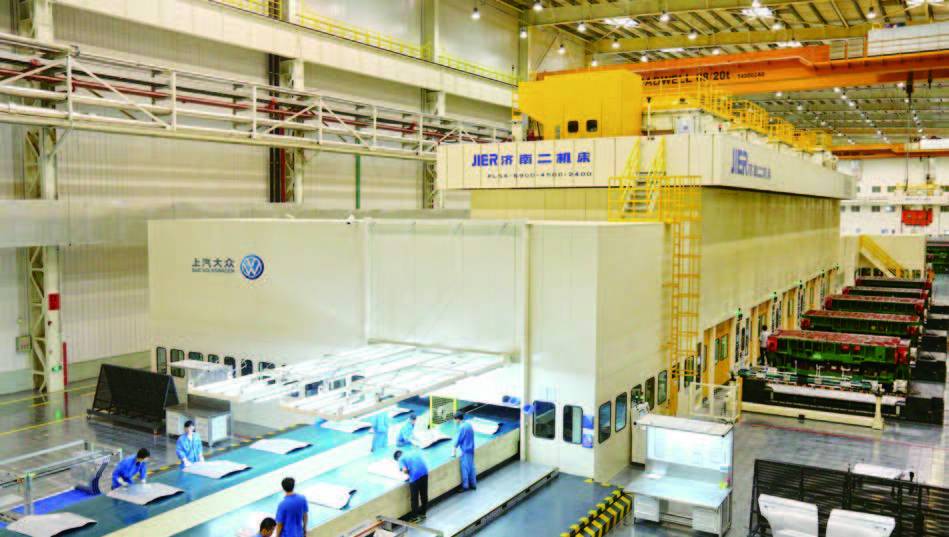
High-Speed Flexible Fully Automatic Stamping Production Line
JIER Machine-Tool Group Co., Ltd.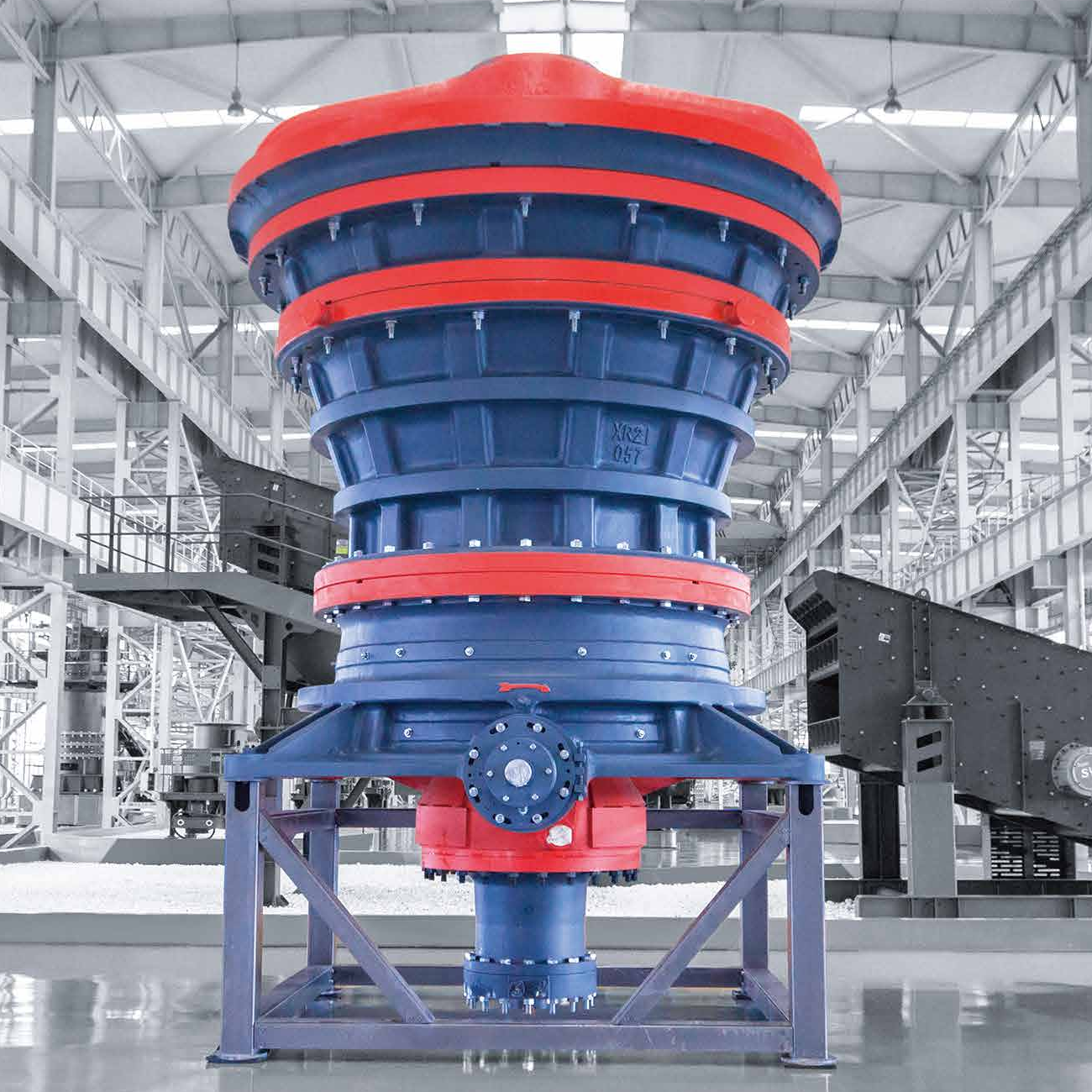

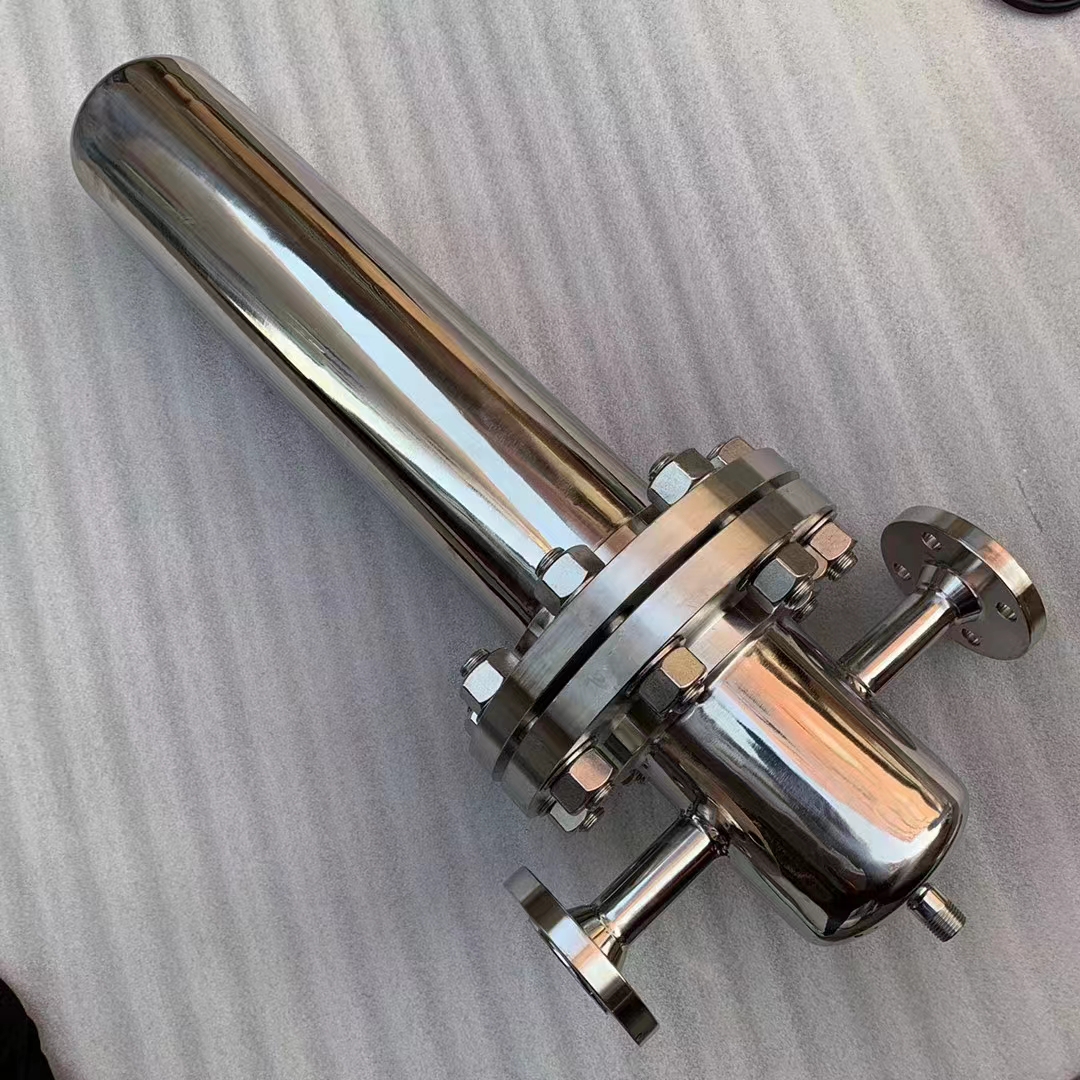
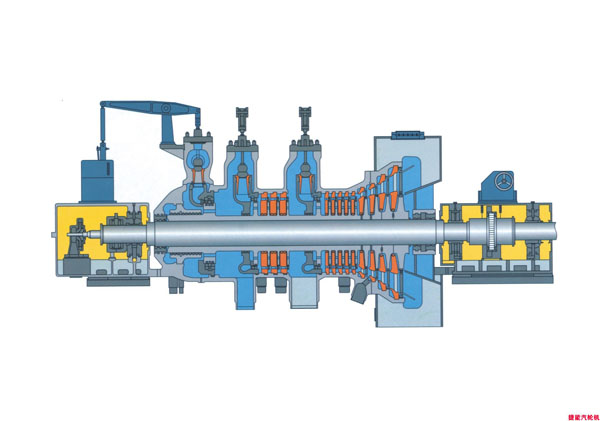

CAP1400 main feedwater flow nozzle flowmeter.
Jiangsu Hongda Instrument Technology Co., LTD.
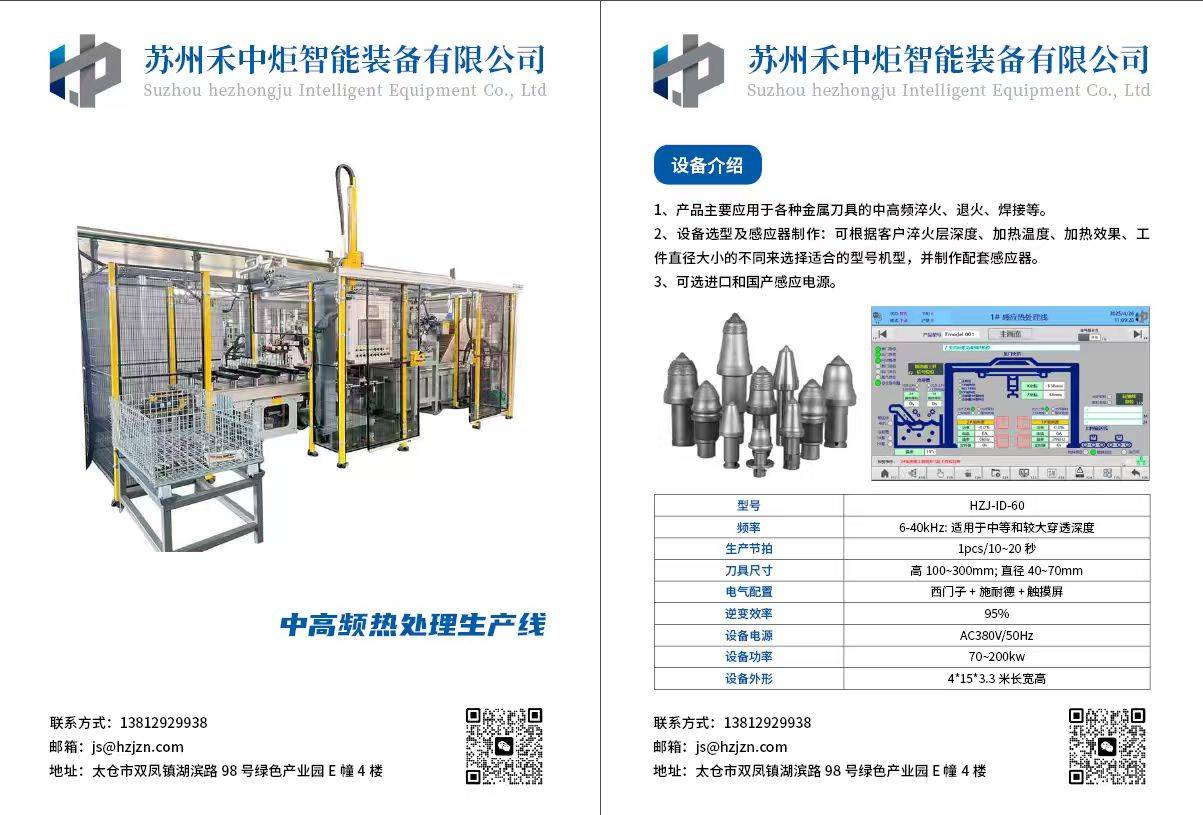
Excavator Bucket Teeth Heat Treatment Production Line
Suzhou Hezhongju Intelligent Equipment Co., Ltd.
Strip Coating and Plating Production Line Equipment
MCC-SFRE HEAVY INDUSTRY EQUIPMENT CO., LTD.