Smart Inspection System Piloted in Blood Products Factory, Achieving Over 95% Accuracy
en.Wedoany.com Reported - In a pilot project at a blood products factory, a smart inspection system based on AI vision and multimodal sensing has improved equipment anomaly detection accuracy to over 95%, increasing inspection efficiency by 3 to 5 times. The system integrates multimodal sensing technologies such as machine vision, infrared thermography, gas sensing, and acoustic monitoring. Using deep learning algorithms, it performs real-time collection and intelligent analysis of equipment status, pipeline leaks, and abnormal environmental conditions in the production workshop, enabling automatic extraction of defect features, dynamic assessment of risk levels, and automatic recording of compliance data.
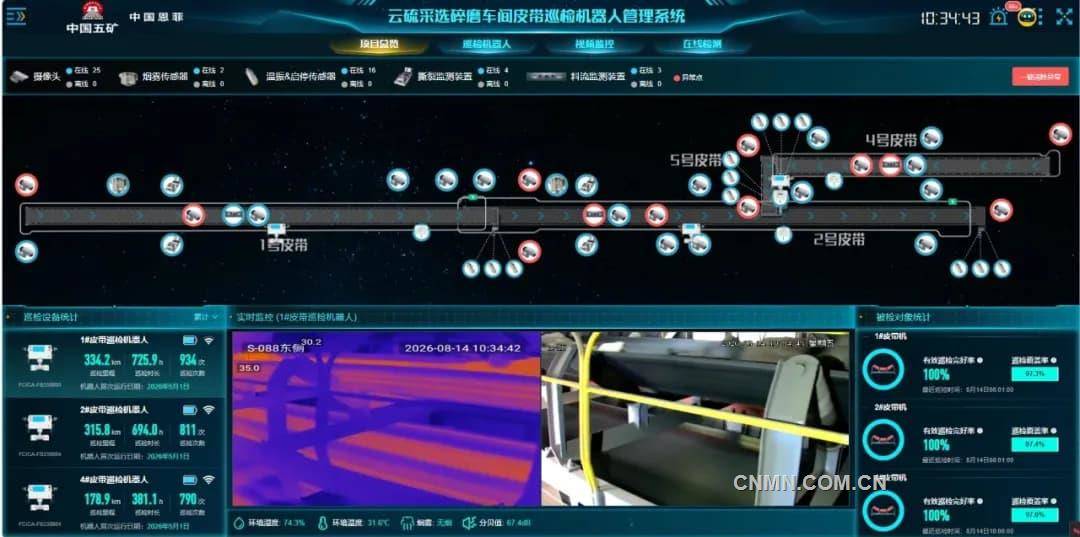
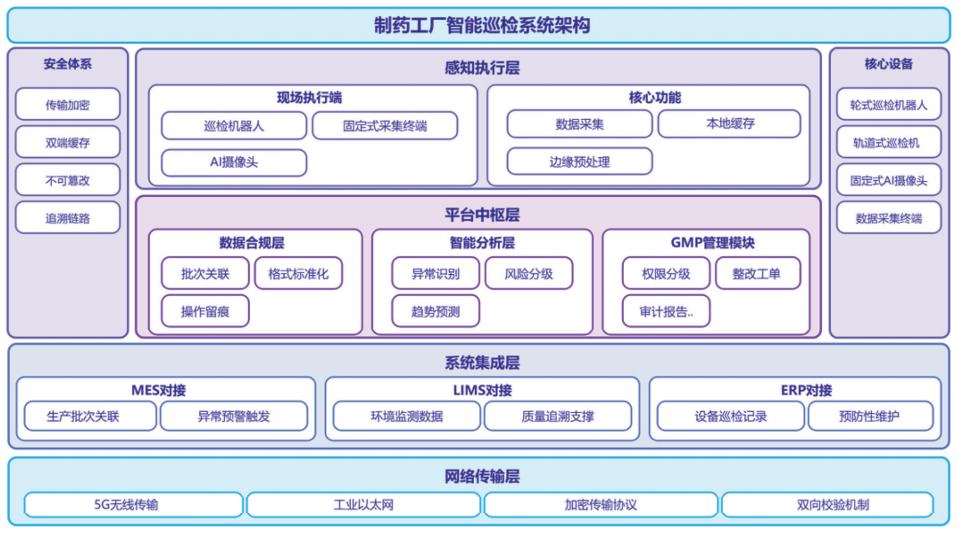
Biopharmaceutical production processes are complex, with high safety and regulatory requirements. Traditional manual inspections suffer from low efficiency, high miss rates, and difficulties in data traceability. In the pilot factory, a single-area manual inspection takes 2 hours, and the miss rate for small leaks in equipment pipelines is as high as 15%. To address this challenge, the research team built a three-in-one smart inspection framework combining "data monitoring + robot inspection + manual inspection." This framework integrates AI vision and multi-sensor technology, coordinating track-type robots, wheeled robots, and fixed AI cameras through an inspection management backend to solve core issues such as complex environment perception, dynamic path planning, and equipment fault warning.
In terms of data integration and compliance, the system establishes a three-tier architecture of "robot-edge computing-inspection platform," connecting with information systems such as MES and LIMS via encrypted protocols. All inspection records undergo full lifecycle closed-loop management on the platform, with data modifications automatically retaining operation logs and historical versions. Generated inspection reports include defect descriptions, corrective measures, responsible departments, and re-inspection results, meeting GMP audit standards and directly usable for on-site regulatory inspections.
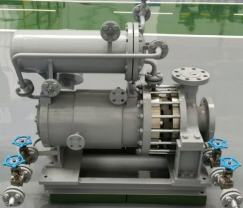
In application examples, the blood products factory achieved round-the-clock monitoring after introducing the system. Inspection robots conduct scheduled patrols at four time slots daily: 10:00, 14:00, 23:00, and 05:00, each lasting 20 minutes. The system has promptly detected hazards such as refrigerant circulation pump seal leaks, air conditioning condensate drain pipe leaks, and leftover construction materials. It also corrects dangerous behaviors like not wearing safety helmets properly through voice prompts, effectively preventing product contamination and equipment damage.
In terms of benefits, the system has transitioned from "intermittent monitoring" to "continuous assurance." Inspection efficiency has improved to 98%, with a single robot capable of patrolling up to 16 hours per day, achieving 100% coverage of key points. Daily data collection volume has increased from over 200 entries in manual inspections to over 1,200 entries. The high-precision sensors on the robots have a data error margin of no more than 1%, far lower than the approximately 5% reading error in manual inspections. Combining infrared thermography and deep learning defect recognition algorithms, the system can accurately detect tiny pipeline leaks as small as 0.1 millimeters and issue three-level warnings: "mild," "moderate," and "severe." In plasma storage cold rooms, robots collect temperature data every 15 minutes to ensure the temperature remains stable at minus 20 degrees Celsius, plus or minus 1 degree Celsius. Additionally, the system monitors equipment pressure in real time using high-precision pressure sensors, automatically triggering warnings when pressure fluctuations exceed plus or minus 0.05 megapascals, avoiding the common issue of missed transient pressure readings in manual inspections.
In terms of cost-effectiveness, after deploying the inspection system, the factory reduced staffing by 16 people each in the air conditioning, water treatment, and power distribution positions, saving 1.6 million yuan annually in labor costs. The equipment fault warning function reduced power outage maintenance time, saving approximately 1 million yuan in repair costs, for a total annual cost savings of 2.6 million yuan. Using an LSTM neural network algorithm to analyze data trends, the system reduced unplanned shutdowns of refrigeration units from 6 times per year to 1, improving production continuity by 83%.
Looking ahead, the application of inspection robots in the pharmaceutical manufacturing industry will evolve toward multi-dimensional upgrades. Sensing technology will progress from "multimodal fusion" to "cross-dimensional precision perception," incorporating acoustic, vibration, and electromagnetic sensing data, with defect prediction accuracy expected to exceed 99%. The integration of digital twin technology can create full-scenario virtual mapping models of factories, enabling millisecond-level dynamic adjustments of inspection paths. Furthermore, "master-slave" multi-robot collaborative systems will break through single-machine independent operation modes, achieving "air-ground integrated" full-space coverage. The application of 5G plus AR technology will allow fault data collected by robots to be transmitted in real time to remote expert terminals, guiding on-site personnel for rapid repairs.