ILL in France Observes Non-Uniform Movement of Lithium Ions in Solid-State Batteries for the First Time
en.Wedoany.com Reported - On July 12, 2026, the Institut Laue-Langevin (ILL) in France used neutron powder diffraction technology to reveal the non-uniform movement of lithium ions inside all-solid-state batteries, providing new insights for designing safer and more efficient solid-state batteries.
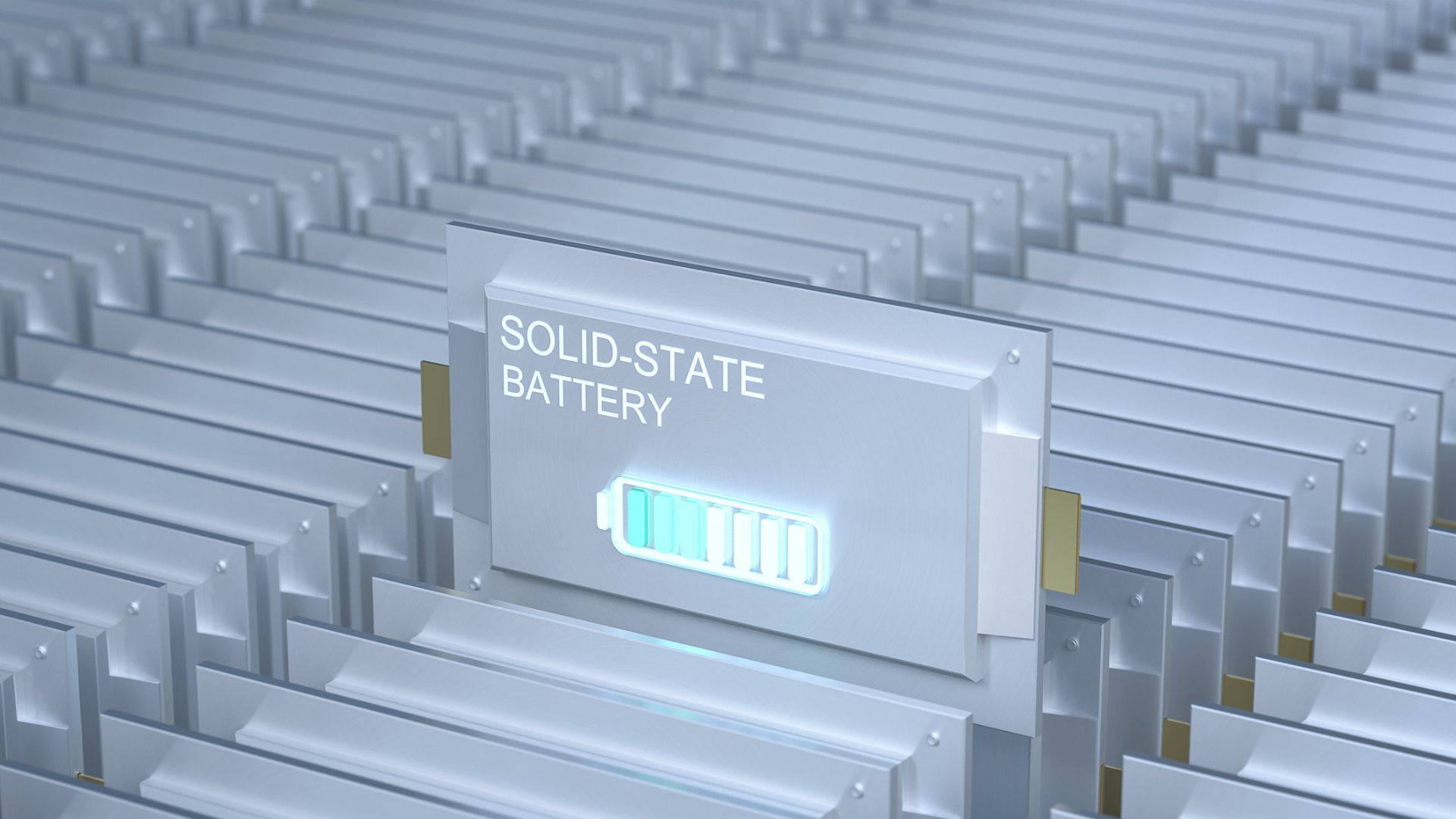
Traditional rechargeable batteries commonly use liquid electrolytes, which pose safety risks and limit performance improvements. All-solid-state batteries replace liquid electrolytes with solid ones, aiming to achieve higher safety, higher energy density, and better performance under extreme temperatures. However, lithium ions are often unevenly distributed in solid materials, leading to mismatched charging rates in different regions of the battery, affecting its reliable operation.
For the first time, the research team used neutron powder diffraction technology under operating conditions to observe thick, working all-solid-state batteries. Unlike X-rays, neutrons interact directly with atomic nuclei, offering high sensitivity to light elements such as lithium and the ability to penetrate thick battery materials for non-destructive internal structure monitoring. To obtain clear signals, the team constructed battery cells approximately 2.5 mm thick, containing 140 mg of active cathode material. By using a newly synthesized, highly conductive mixed-halide argyrodite solid electrolyte with an ionic conductivity six times that of traditional materials, they successfully overcame the high internal resistance caused by thick components, allowing the battery electrolyte to extract more than half of the lithium.
The observations revealed unexpected structural complexity within the electrode. Even at extremely slow charging rates, lithium flow was not smooth, and the electrode split into two competing structural phases (named H1 and H2), causing different regions to charge at different rates. However, when the team repeated the experiment at 100°C, this chaotic two-phase behavior completely disappeared. Heat significantly improved the material's ionic conductivity, smoothing the current and forcing lithium to move uniformly. Meanwhile, the solid electrolyte framework remained stable throughout the process, showing no signs of degradation, which is positive for the long-term viability of sulfide-based all-solid-state batteries.
This discovery provides battery designers with precise directions for performance tuning, indicating that "traffic jams" inside electrodes can be eliminated through targeted thermal management and optimized conductivity. The related research has been published in the journal Advanced Energy Materials.
Related Products

Smart Photovoltaic Prefabricated Substation
Shanghai Jinyou Jinhong Intelligent Electric Co., Ltd.
Mineral-insulated Compact Busway (Fire-resistant Busduct)
Zhuhai Guangle Electric Busway Co., Ltd.


Forest and Grassland Heat Source Infrared Monitor
China Huayun Meteorological Technology Group Co., Ltd.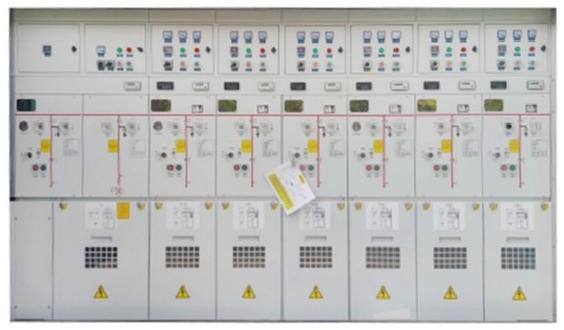
NISELA Series Environmentally Friendly Gas-Insulated Ring Main Unit
XJ DELISHIER ELECTRIC CO., LTD.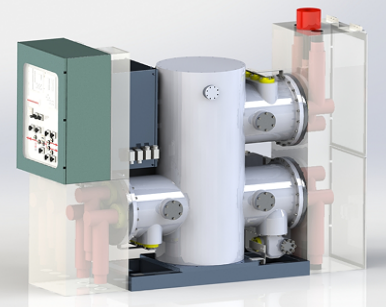
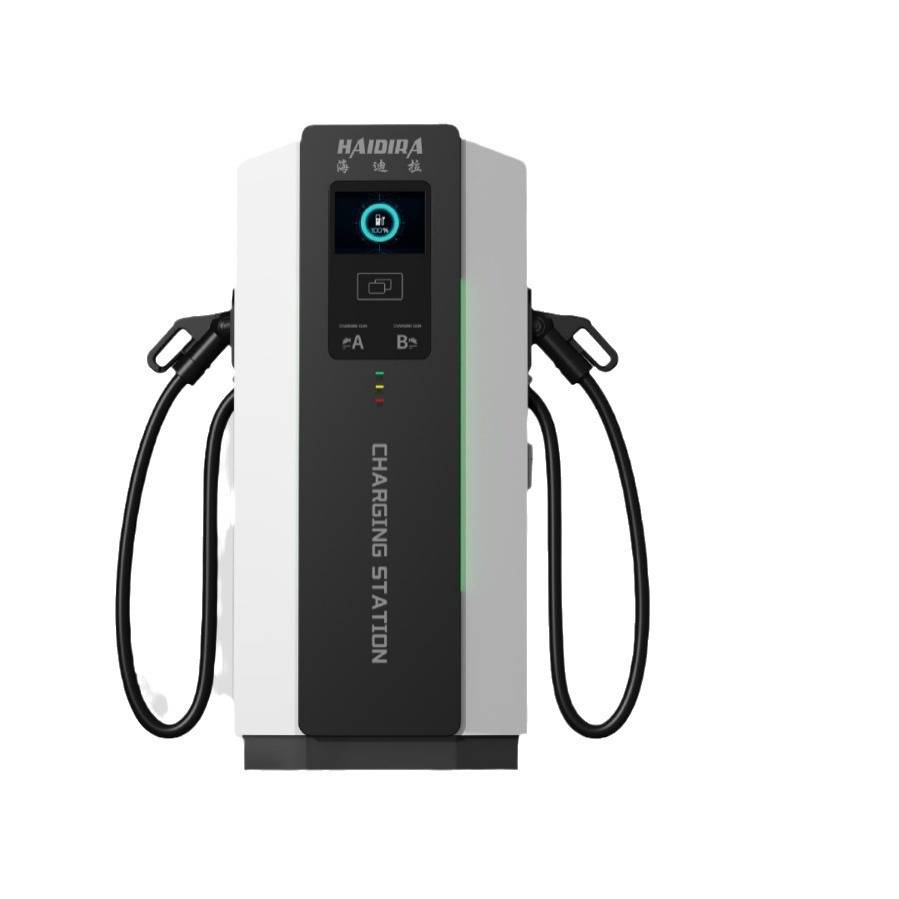
Manufacturer Direct Sales Tesla New Energy Electric Vehicle Universal DC 180kW Dual-gun Charging Pile Commercial Fast Charger
Anhui Haidira Electric Technology Co., Ltd.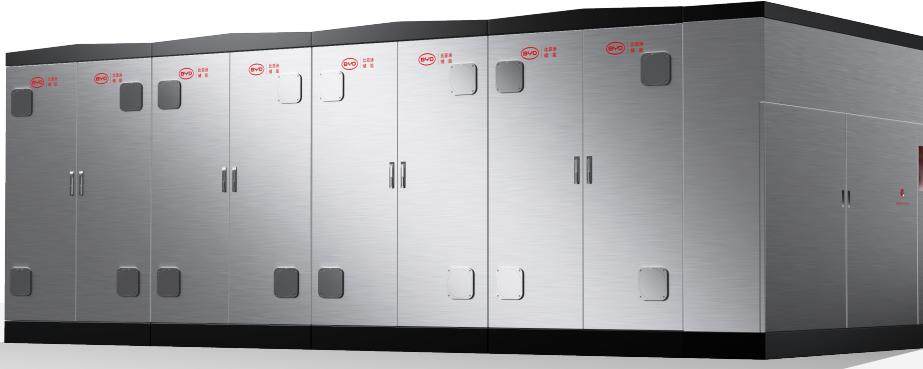

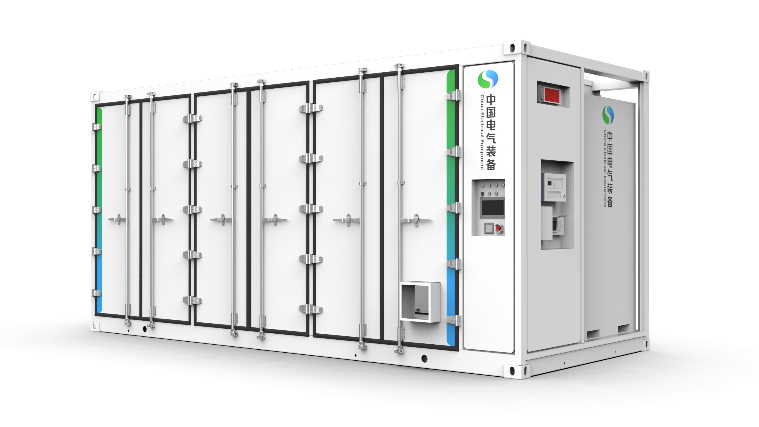
MESS8201-2507/5015-BN Prefabricated Liquid-cooled Energy Storage Battery Container
Xuchang Xuji Electric Science Energy Storage Technology Co., Ltd.