en.Wedoany.com Reported - Huawei unveiled a protocol named A2A-T at the TM Forum DTW Ignite conference in Copenhagen, Denmark. This protocol aims to provide a standardized framework for multi-agent collaborative scheduling in autonomous networks.

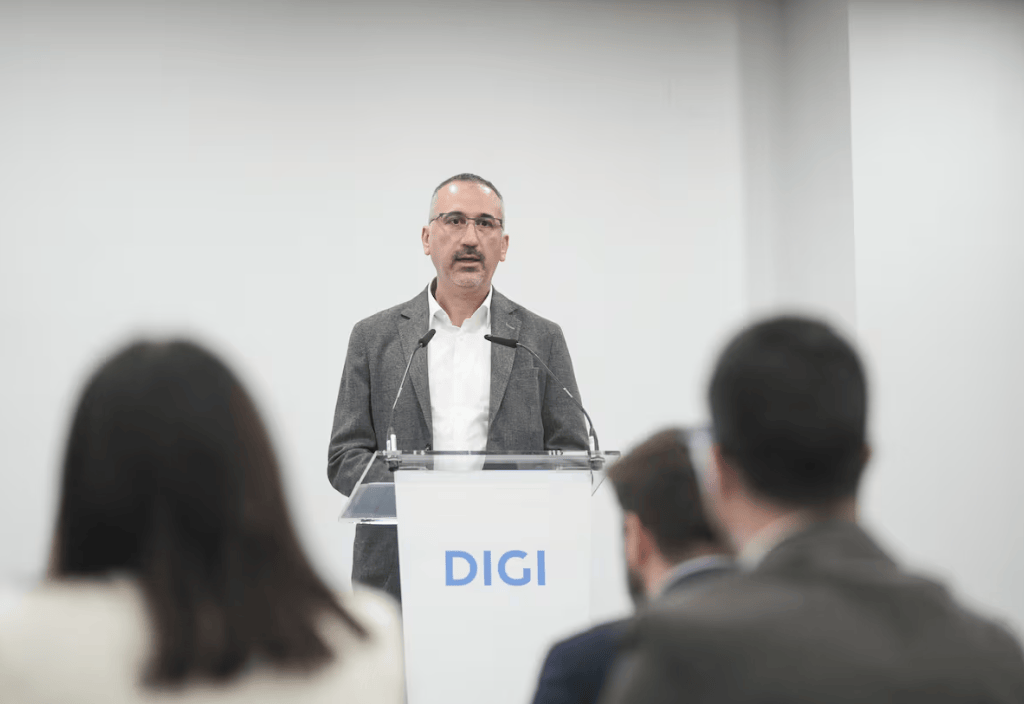
The A2A-T protocol is led by the TM Forum Autonomous Networks Working Group, with Huawei, China Mobile, and multiple industry partners jointly driving its development. In his keynote speech at the conference, Yang Chaobin, Huawei's Executive Director and CEO of ICT BG, elaborated on the protocol's development vision, positioning it as a unified set of agent communication standards designed to break down cross-layer and cross-system barriers, enabling efficient interoperability and large-scale multi-agent collaboration.
Currently, most industry focus is on individual artificial intelligence functions and autonomous capabilities. Huawei, however, is concentrating on the more fundamental issue of coordination. Future autonomous networks will be operated and maintained by a large number of specialized agents, covering areas such as wireless networks, transport networks, cloud resources, customer experience, and network security. These agents may come from different vendors, run on heterogeneous platforms, and use differentiated data models. Therefore, a common framework is needed to coordinate their interactions and avoid emergent behaviors such as policy conflicts and feedback loops.
The A2A-T protocol provides a standardized framework to support agents in exchanging their requirements, objectives, scenario contexts, operational status, and decision instructions, along with mechanisms for negotiation, reconciliation, and conflict resolution. This protocol is similar in concept to the early Ethernet core standard CSMA/CD for resolving data transmission conflicts, but the system complexity it faces has exploded exponentially, requiring the coordination of autonomous decisions from thousands, or even millions, of agents.
By deeply collaborating with TM Forum and engaging operators, Huawei aims to upgrade A2A-T from a single-vendor solution to an industry-wide technical framework. China Mobile has already demonstrated the protocol's operational effectiveness in a real-world pilot environment. Analysts believe that once major operators and standardization bodies adopt this protocol standard, the industry's inherent need for interoperability will force other vendors to adapt to this framework. Extensive media coverage from the conference indicates that the value of this release has been largely overlooked by the outside world, with its core significance lying in initiating the construction of a multi-agent telecom operations control plane.