Tesla publicly unveils vehicle durability testing system for the first time
en.Wedoany.com Reported - On July 13, Tesla publicly unveiled its vehicle durability testing system for the first time via an official video. As electric vehicle consumption shifts from novelty-driven to long-term ownership, user concerns about battery degradation, body structure stability, and sustained system smoothness are rising, replacing the singular pursuit of new car specifications and driving range.
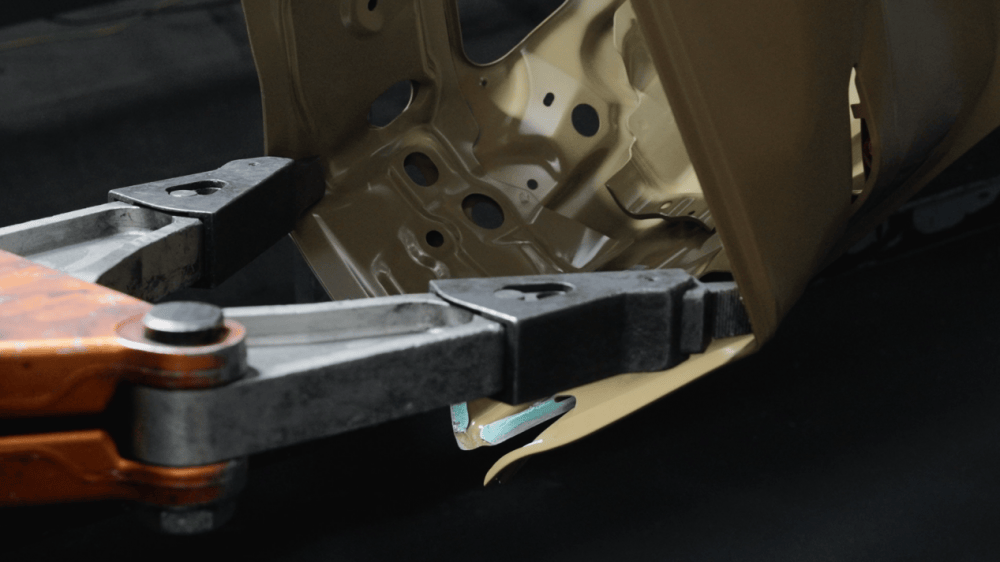
In the video, Tesla disclosed that each mass-produced model must complete an equivalent of 400,000 kilometers of extreme road testing before launch, while most industry manufacturers typically conduct durability tests at the 200,000 to 300,000 kilometer level. This means that before delivery to users, vehicles have already simulated years of bumps, wear, and extreme conditions encountered under high-pressure use. On social platforms, many Tesla owners have shared actual driving records exceeding 400,000 kilometers or even higher mileage.
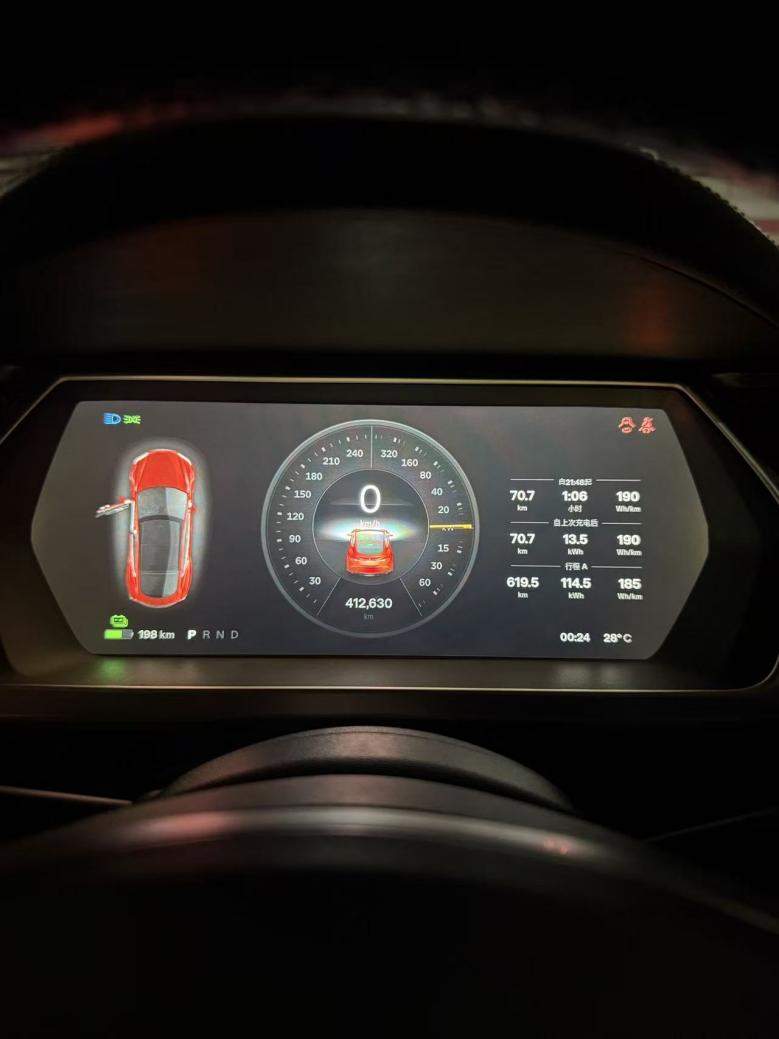
Battery life is the most concerning aspect for users regarding long-term electric vehicle use. According to Tesla's 2025 Impact Report, even after approximately 320,000 kilometers of driving, the average battery capacity of Model 3 and Model Y remains around 80%. Based on an annual mileage of 20,000 kilometers, this level can support a usage cycle of over 15 years. The report also notes that this durability assessment is based on fleet-level real-world usage data accumulated by Tesla over more than a decade of selling electric vehicles. On the manufacturing front, Tesla's cell welding points achieve a one-time pass rate of 99.9999%, meaning only about 1 in every million welding points fails to pass on the first attempt. The commonly used Six Sigma quality benchmark in manufacturing is approximately 3.4 defects per million opportunities.
Tesla ensures long-term reliability through a three-tier verification system: at the component level, chips, circuit boards, solder joints, coatings, etc., are required to pass 100% of specialized tests; at the system level, key systems such as batteries and motors undergo bench tests exceeding actual requirements; at the vehicle level, extreme road conditions simulate years of high-intensity user usage.
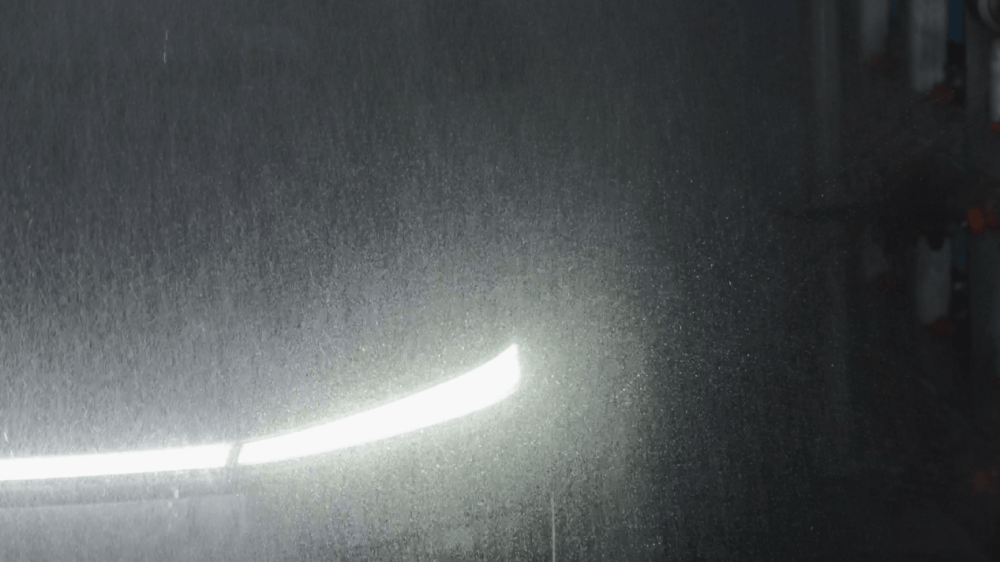
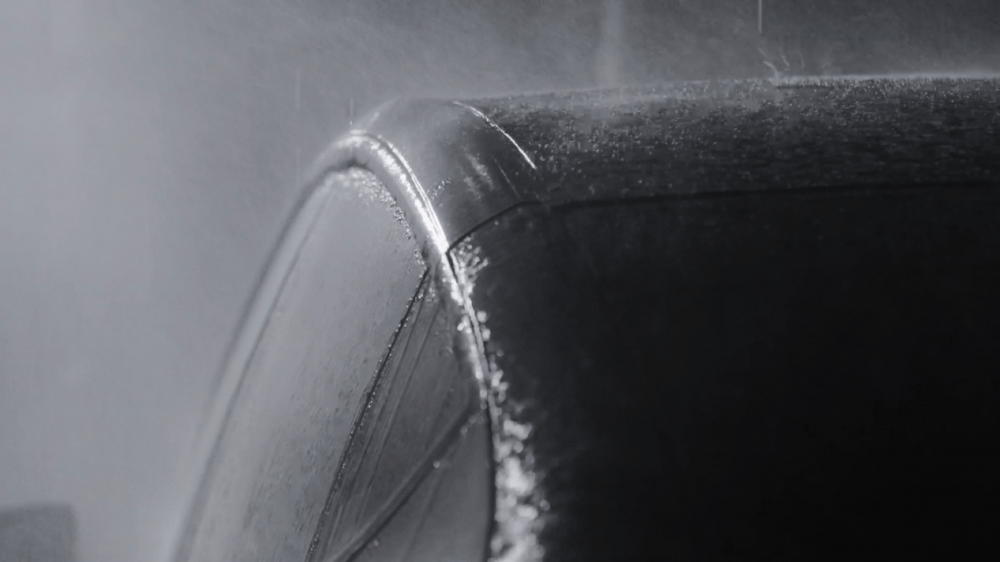
In terms of extreme environment testing, Tesla employs multiple tests including rain testing at nearly twice the intensity of a Guinness World Record downpour, extreme heat and cold dwell tests, tropical coastal high-temperature and high-humidity validation, and long-term exposure to de-icing salt roads. Vehicle design also reduces failure risk by simplifying the number of parts: traditional fuel vehicle powertrains have over 2,000 components, while Tesla's powertrain has only about 20 components; through technologies like gigacasting, the rear floor is reduced from 70 parts to a single structure, significantly cutting the number of welding points.
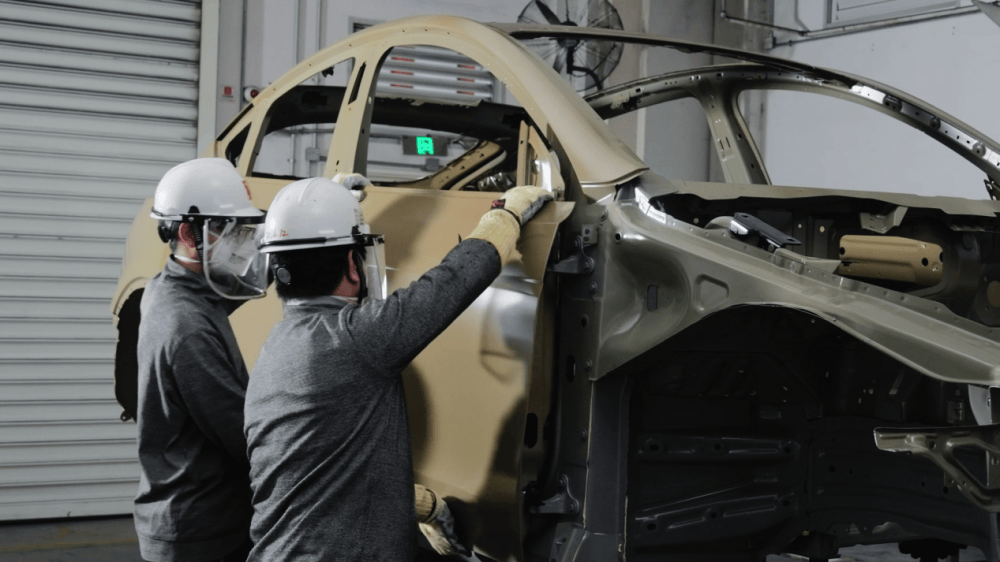
During the production process, Tesla randomly selects freshly produced body-in-white units for disassembly analysis, using electron microscopes to inspect internal details such as weld points, adhesive application, and paint films.
Market data also reflects actual durability performance. According to the China Auto Value Retention Report released by the China Automobile Dealers Association and Jingzhengu, the Model X, Model 3, and Model Y have ranked among the top three in three-year value retention for pure electric vehicles in China for consecutive months. A Bloomberg Intelligence survey targeting the U.S. market shows that Tesla user brand loyalty stands at 87%. Vehicles delivered to the first batch of Model S owners in China in April 2014, now over a decade old, are still driving on Chinese roads.
Related Products

Standard Nozzle Flowmeter
Jinggong Automatic Control Instrument Complete Technology Development Company
Industrial and Commercial Point-Type Gas Detector
Jinan Benan Technology Development Co., Ltd.
High-Speed Flexible Fully Automatic Stamping Production Line
JIER Machine-Tool Group Co., Ltd.
CAP1400 main feedwater flow nozzle flowmeter.
Jiangsu Hongda Instrument Technology Co., LTD.
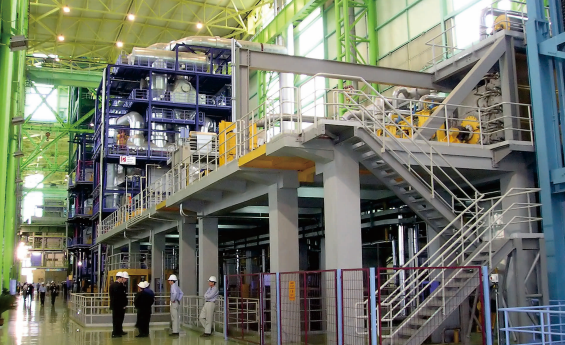
Strip Coating and Plating Production Line Equipment
MCC-SFRE HEAVY INDUSTRY EQUIPMENT CO., LTD.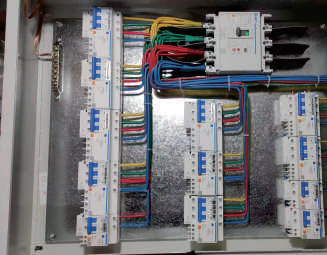
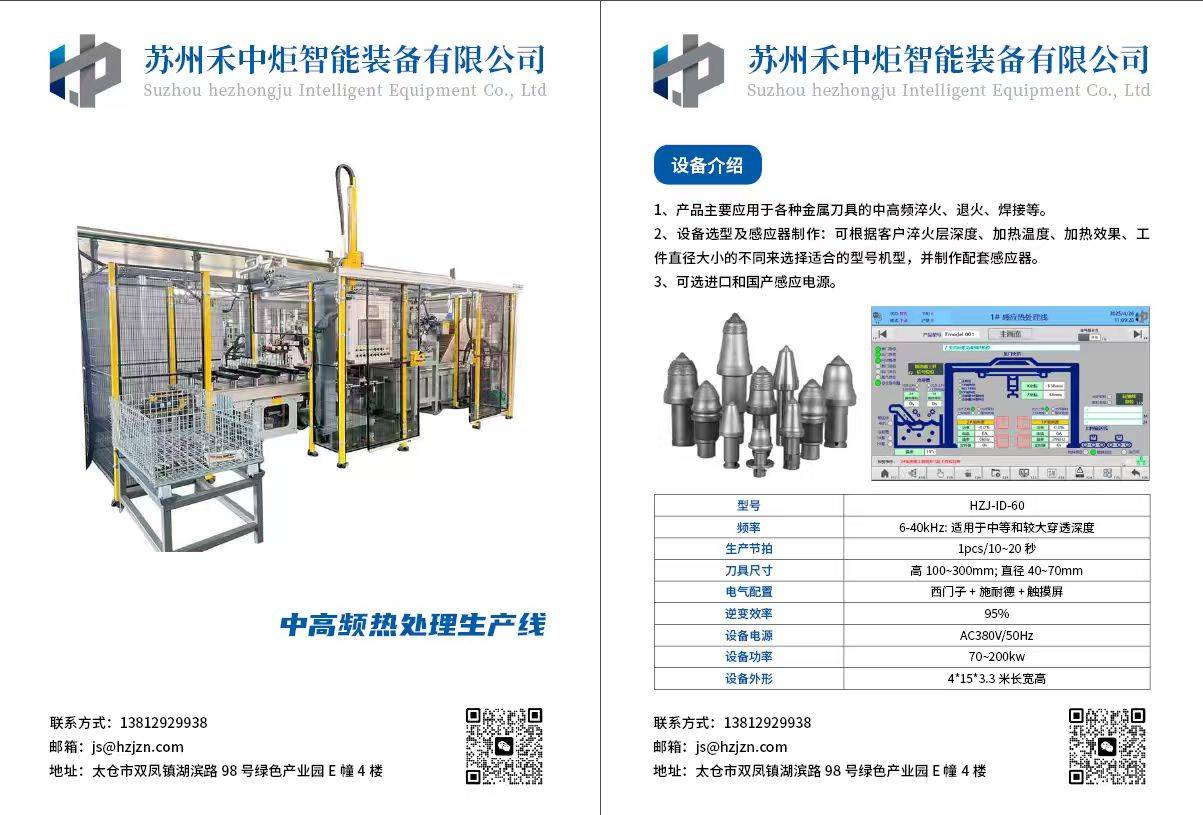
Excavator Bucket Teeth Heat Treatment Production Line
Suzhou Hezhongju Intelligent Equipment Co., Ltd.