China Releases First International Standard for Electron Linear Accelerators Used in Radiation Processing
en.Wedoany.com Reported - China has officially released the first international standard for electron linear accelerators used in radiation processing, which it led in drafting. The International Electrotechnical Commission (IEC) published IEC 63589-1:2026 Linear Accelerators—Electron Linear Accelerators for Radiation Processing—Part 1: General Requirements and Test Methods, spearheaded by China and completed a full year ahead of schedule. This milestone marks China's transition from equipment development to rule-setting in the field of irradiation accelerators.
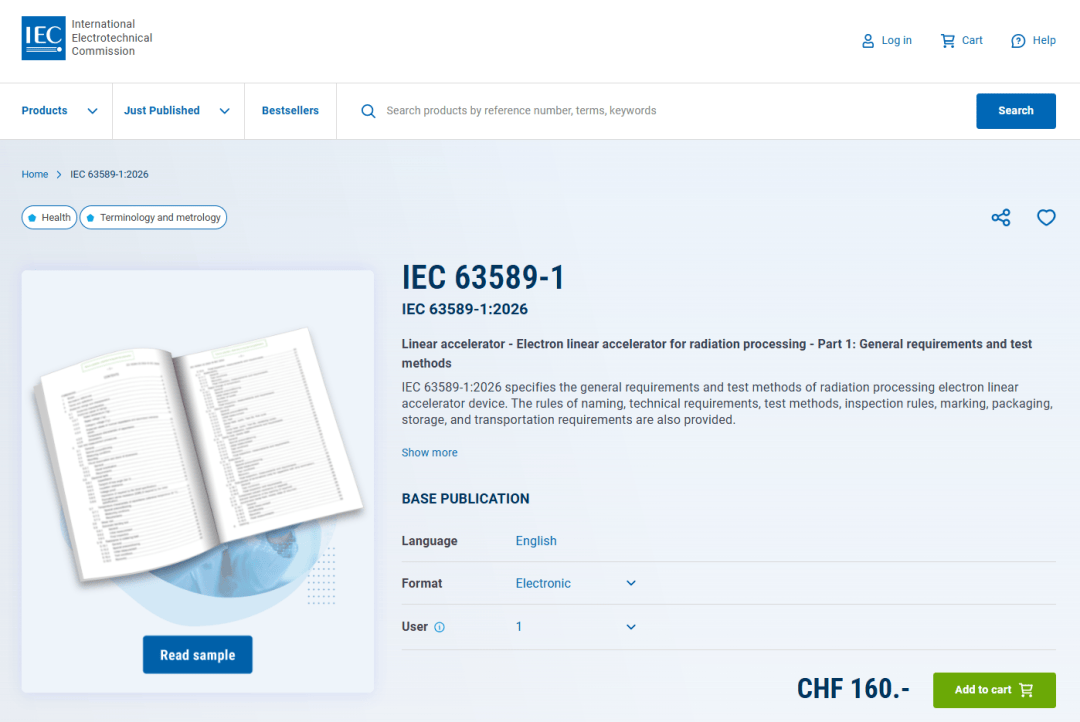
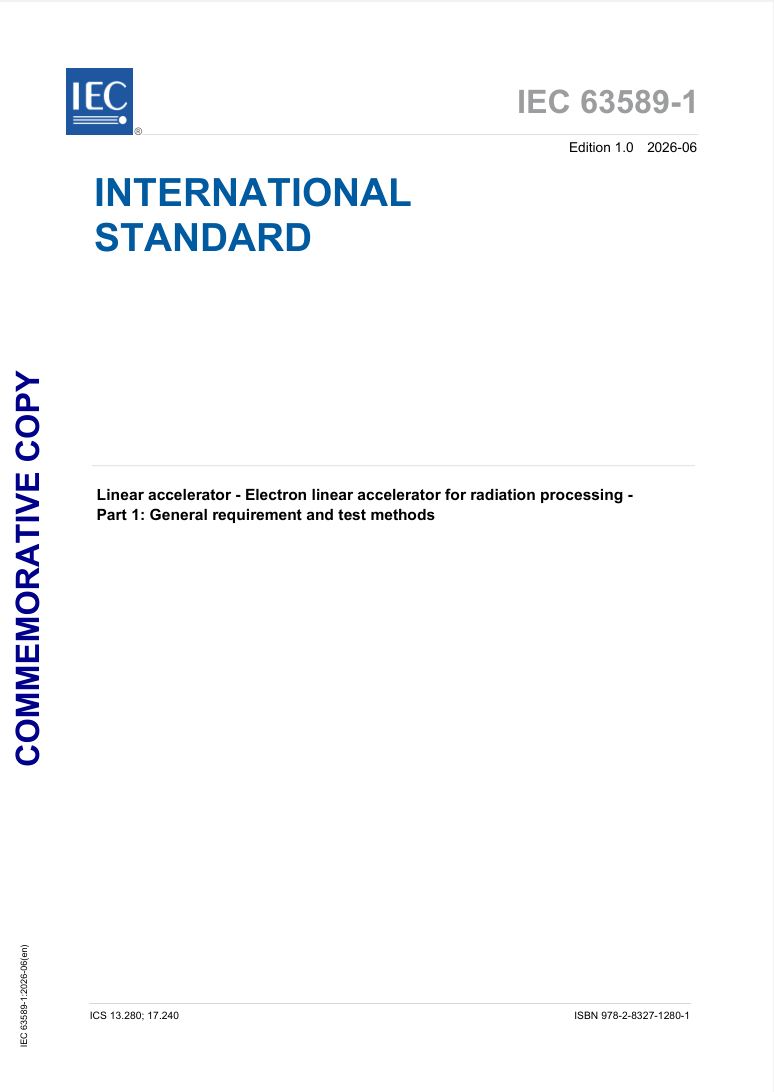
Previously, the global irradiation accelerator industry lacked unified standards for design, acceptance, and export trade, creating significant barriers. This standard will regulate the research, production, and testing systems for electron linear accelerators used in radiation processing worldwide, enhancing China's international influence in civilian non-power nuclear technology and irradiation equipment. It will also reduce certification costs for Chinese irradiation equipment exports, helping domestic high-end accelerators scale up in the global market. The standard was jointly led by the China Institute of Atomic Energy and the Institute of Nuclear Industry Standardization, with an international working group comprising experts from multiple countries. It went through the complete IEC process—including project approval voting, draft preparation, comment solicitation, Committee Draft for Voting (CDV) approval, and Final Draft International Standard (FDIS) review—completed in nearly two years, one year ahead of the original plan.
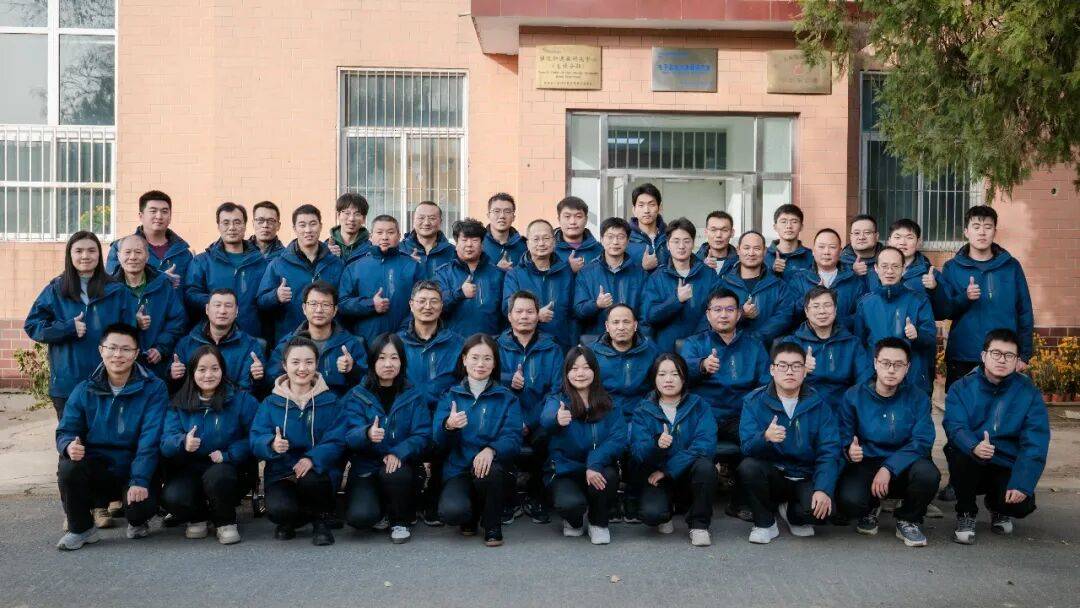
Irradiation accelerators are widely used in food and drug irradiation, material modification, medical sterilization, and other fields. As early as 2007, the China Institute of Atomic Energy developed China's first commercial 10MeV/20kW high-energy, high-power electron irradiation accelerator with independent intellectual property rights. Since then, the linear accelerator R&D team at the institute's Department of Nuclear Technology Integration has continuously advanced equipment toward multi-energy, compact, and series-based development. This young team, with an average age under 35, covers expertise in beam dynamics, microwave structure design, precision machining, vacuum brazing, high-voltage power supplies, control technology, and beam diagnostics.
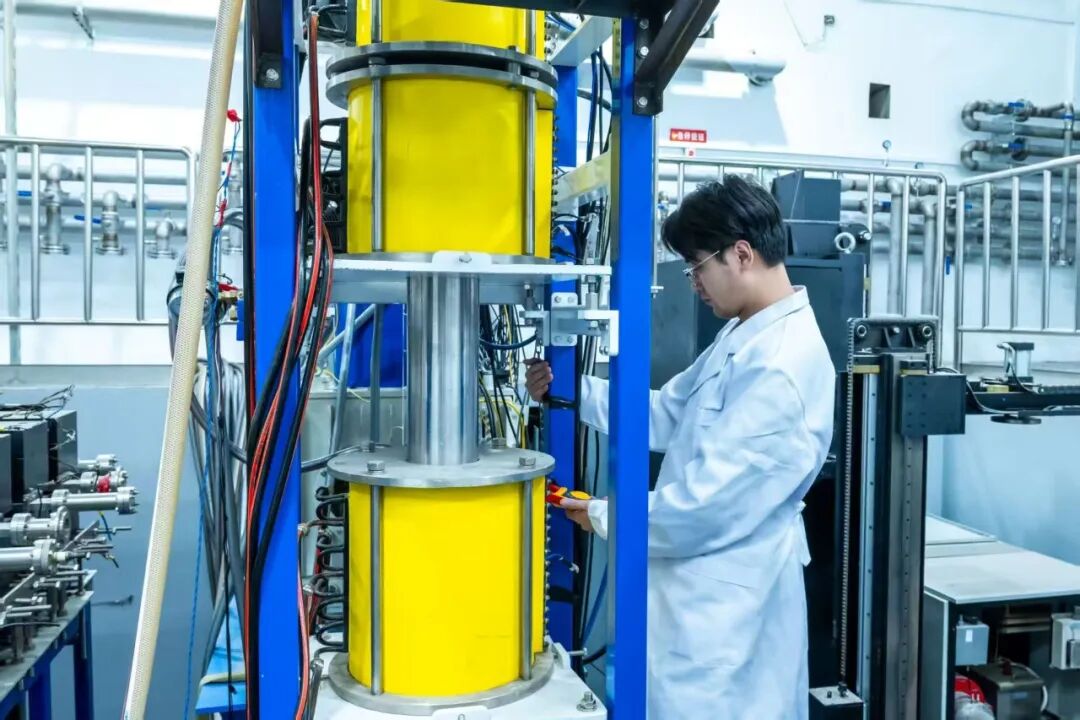
In the development of the next-generation general-purpose 10MeV/30kW electron irradiation linear accelerator, the core tasks are accelerating tube development and high-power beam commissioning. "Traditional accelerating tube structures have bottlenecks in power loss and efficiency improvement. To achieve high efficiency, we must break away from conventional thinking," said team leader Zhu Zhibin. The team quickly formed a task force comprising experts in physics design, structural processes, and testing verification. They systematically reviewed technical materials and used advanced simulation tools to rebuild the accelerating structure's physical model. During the most intensive phase of design iteration, the team completed nearly one round of model adjustment, simulation calculation, and result review per day. The accelerating tube consists of 50 to 60 cavities that must be welded in a single brazing furnace cycle. Initial welding attempts failed due to seal failures, but the team optimized the welding temperature curve, cavity positioning accuracy, and fixture constraints step by step, ultimately achieving successful welding of the accelerating tube.
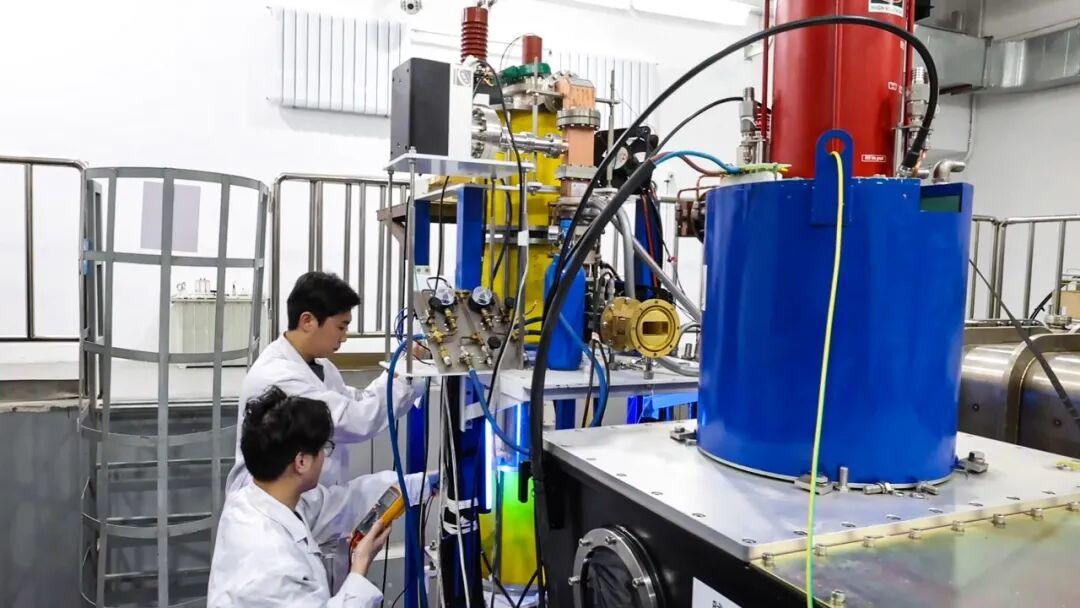
After overcoming the accelerating tube challenge, the team moved on to commissioning the 30kW beam power. Achieving an average beam power of 30kW under an 8‰ duty cycle required systematic coordination. Project leader Yang Jinghe stated: "Our predecessors laid a solid research foundation for us. As young scientists in the new era, we should push core indicators to the forefront of the industry." During commissioning, the team adopted a phased approach—gradually increasing power and pulse width while dynamically optimizing operating parameters. Ultimately, the accelerator achieved a pulse current of 400mA, an accelerating structure capture efficiency of 84%, a power utilization rate of 75%, and a beam power of up to 32kW, with the entire development cycle completed in just over 150 days.
Leveraging years of technical expertise in multiple models of electron irradiation linear accelerators, the China Institute of Atomic Energy and the Institute of Nuclear Industry Standardization formally initiated the serialization of international standards for electron linear accelerators used in radiation processing in March 2023. Wang Guobao, Chief Scientist of China National Nuclear Corporation, said: "If we develop an international standard, we can regulate the global R&D, production, and testing systems for irradiation accelerator products, enhancing China's international influence while reducing certification costs for Chinese irradiation equipment exports, helping domestic high-end accelerator products scale up in the global market." In October 2023, during an online meeting of IEC Technical Committee 45 (Nuclear Instrumentation) Working Group 20, the team presented their proposal. In February 2024, the New Work Item Proposal (NP) document was released and voting began; in May, it was unanimously approved by all 10 participating member states. Yu Guolong, the international standard project leader, said: "Each country has different technical perspectives and industry demands. International working group meetings are often intense academic debates. The release of an international standard is a rigorous process involving repeated revisions, discussions, and votes until major differences among countries are largely resolved." The project team convened several international meetings over nearly two years, refining the draft multiple times based on expert feedback from various countries, achieving unanimous approval at the Committee Draft (CD), Committee Draft for Voting (CDV), and Final Draft International Standard (FDIS) stages.
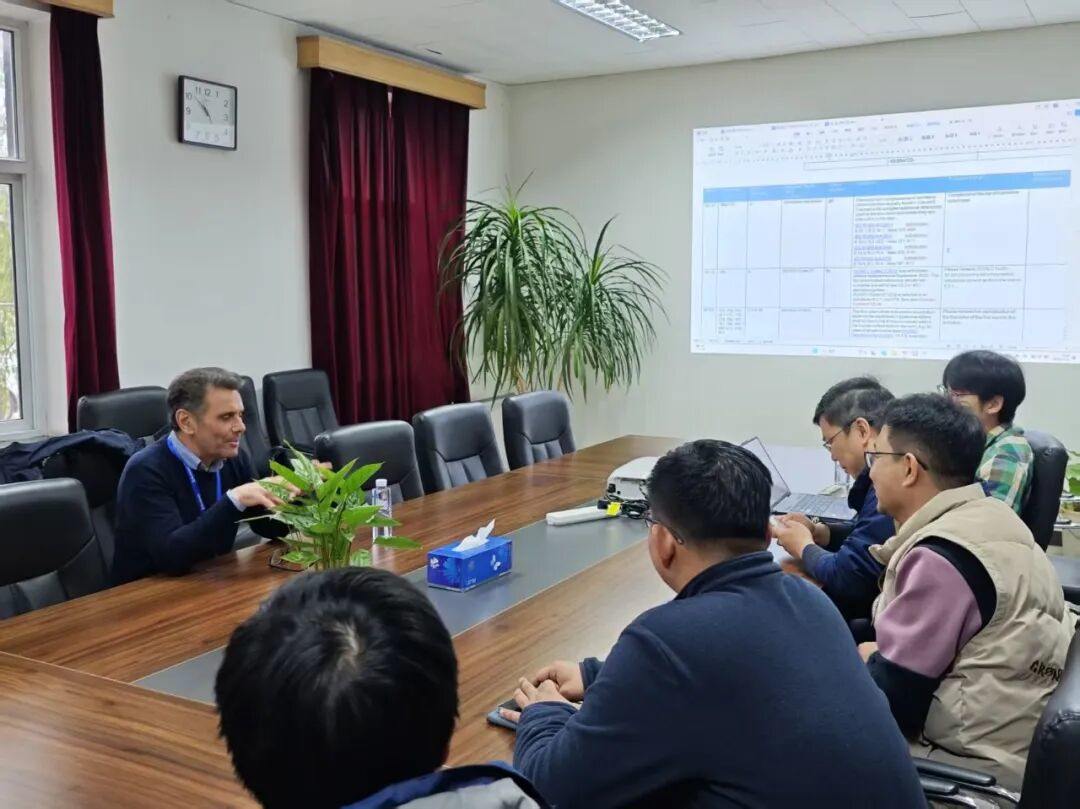
From the next-generation general-purpose high-efficiency 10MeV electron irradiation linear accelerator to the first China-led international standard for irradiation accelerators, this young team has grown into a core force, achieving multiple breakthroughs in core technologies and filing over 30 invention patents.
Related Products

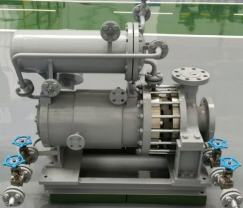
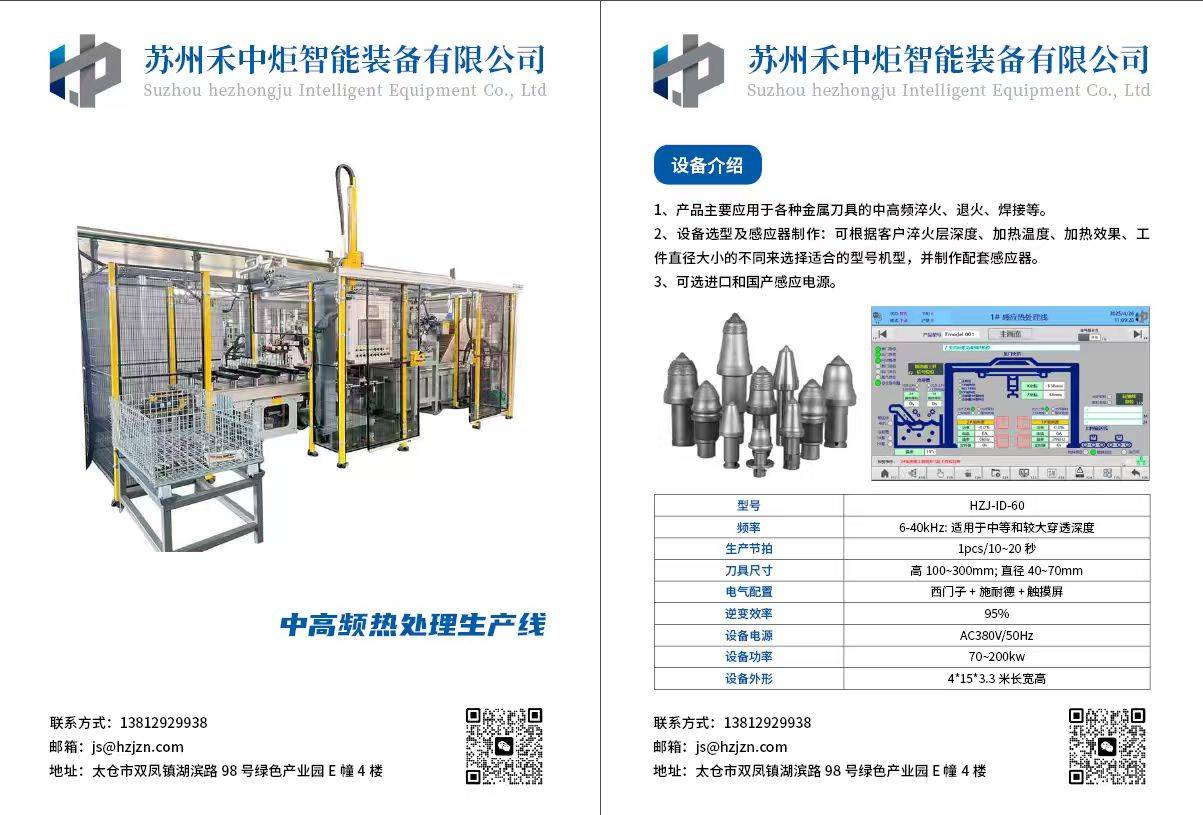
Excavator Bucket Teeth Heat Treatment Production Line
Suzhou Hezhongju Intelligent Equipment Co., Ltd.
Industrial and Commercial Point-Type Gas Detector
Jinan Benan Technology Development Co., Ltd.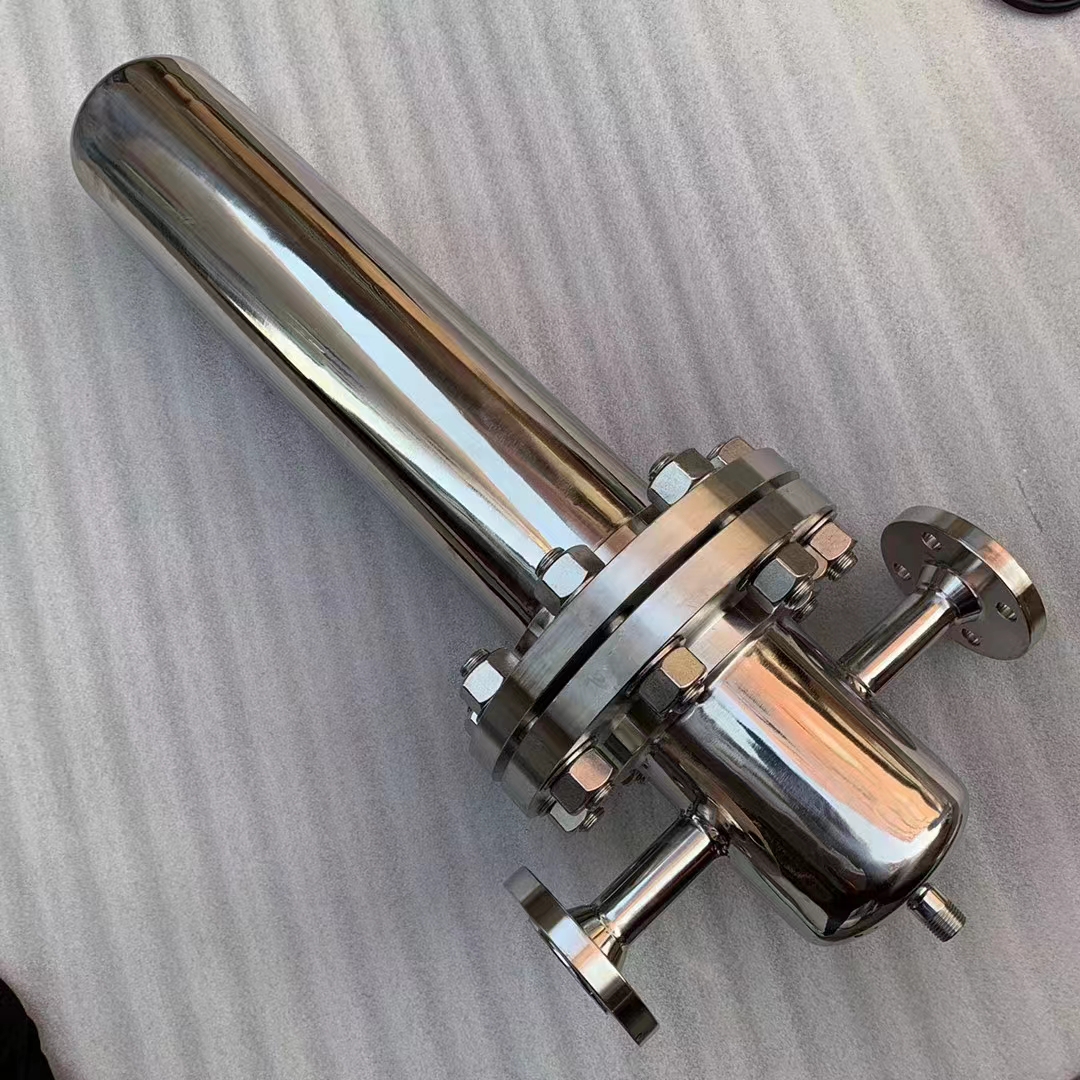
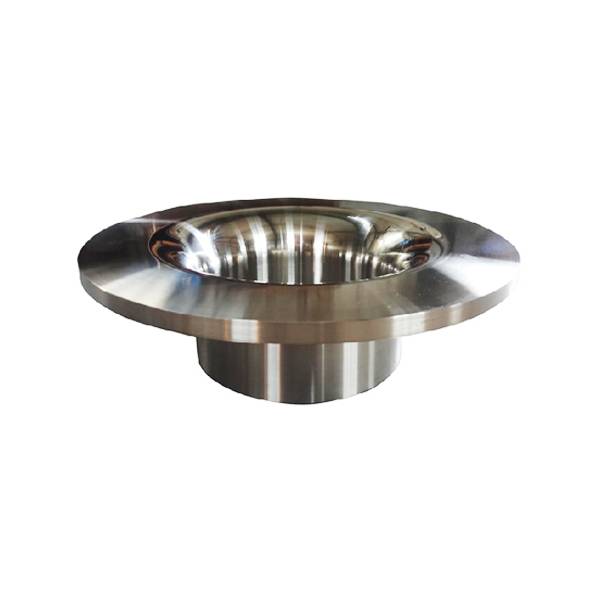
Standard Nozzle Flowmeter
Jinggong Automatic Control Instrument Complete Technology Development Company
Strip Coating and Plating Production Line Equipment
MCC-SFRE HEAVY INDUSTRY EQUIPMENT CO., LTD.


Pneumatic high-pressure wear-resistant ball valve
Zhejiang Deca Control Valve Meter Co., Ltd.