Korea Institute of Materials Science Develops Wear-Resistant Silver Coating with 23% Hardness Increase
en.Wedoany.com Reported - A research team at the Korea Institute of Materials Science (KIMS) has developed an Ag–PTFE composite coating technology. By stably dispersing PTFE nanoparticles in a cyanide-free acidic silver plating bath, they produced a highly wear-resistant silver coating with approximately 23% higher hardness than conventional pure silver coatings and a friction coefficient below 0.2. This technology is suitable for components subjected to repeated contact and friction, such as electric vehicle connectors, relays, and electrical contacts in electronic devices.
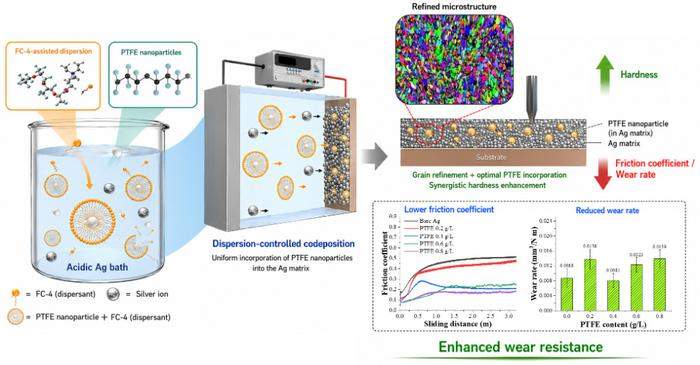
Silver plating is widely used for electrical contacts in electric vehicle connectors, automotive relays, and electronic switches due to its excellent electrical conductivity. However, silver is relatively soft, making the coating surface prone to scratching and wear during repeated connector insertion and removal or continuous relay operation, compromising electrical contact reliability. Researchers have previously attempted to incorporate polytetrafluoroethylene (PTFE) particles to reduce friction, but PTFE nanoparticles tend to agglomerate in the plating bath. Excessive concentrations weaken the coating, while insufficient concentrations fail to adequately reduce friction. Additionally, traditional cyanide-based plating baths pose workplace safety and wastewater treatment hazards.
The KIMS research team developed a technique to precisely control the dispersion of PTFE nanoparticles. Using a cyanide-free acidic silver plating bath containing FC-4 fluorosurfactant, they optimized the solution's acidity, surfactant concentration, and PTFE content to prevent nanoparticle agglomeration and ensure uniform incorporation into the silver coating. Experimental analysis and molecular dynamics simulations verified the mechanism by which this surfactant maintains stable PTFE dispersion.
The uniformly dispersed PTFE particles act as a solid lubricant within the silver coating, significantly reducing friction while also refining and densifying the silver grains, resulting in a harder coating. Compared to conventional pure silver coatings, the developed Ag–PTFE composite coating exhibits approximately 23% higher hardness, a friction coefficient below 0.2, and excellent wear resistance, overcoming the long-standing trade-off between hardness and friction reduction.
This technology can be applied to metal surfaces subjected to repeated contact and sliding in components such as electric vehicle connectors, relay contacts, switches, lead frames, and electronic terminals. As high-voltage, high-current electrical components become more prevalent in electric vehicles, technologies for maintaining reliable electrical contact are increasingly important. This coating is expected to extend component lifespan and reduce maintenance and replacement costs. The global electroplating market is projected to reach approximately $27.2 billion by 2032, and the industrial value of high-reliability silver plating technology will continue to grow.
This technology utilizes a cyanide-free acidic silver plating bath, improving workplace safety and reducing the burden of wastewater treatment. Its application to large-area components and mass production processes may accelerate the commercialization of environmentally friendly, high-performance silver plating and enhance South Korea's technological independence and competitiveness in the silver plating materials and high-value electrical contact components market.
KIMS Senior Researcher Seil Kim stated that this technology is expected to enable high-performance silver coatings, improving durability under repeated contact conditions while eliminating the need for highly toxic cyanides. The research team's next steps involve verifying performance in actual components and scaling the technology for industrial mass production. The research was funded by the Ministry of Trade, Industry and Energy and the Ministry of Science and ICT, and the results were published online in the journal *Surface and Coatings Technology* on June 8, 2026.
Related Products


Pneumatic high-pressure wear-resistant ball valve
Zhejiang Deca Control Valve Meter Co., Ltd.
CAP1400 main feedwater flow nozzle flowmeter.
Jiangsu Hongda Instrument Technology Co., LTD.
Industrial and Commercial Point-Type Gas Detector
Jinan Benan Technology Development Co., Ltd.
QLZNGJ Intelligent Steel Reinforcement Trolley
Luoyang China Railway Qiangli Machinery Co., Ltd.
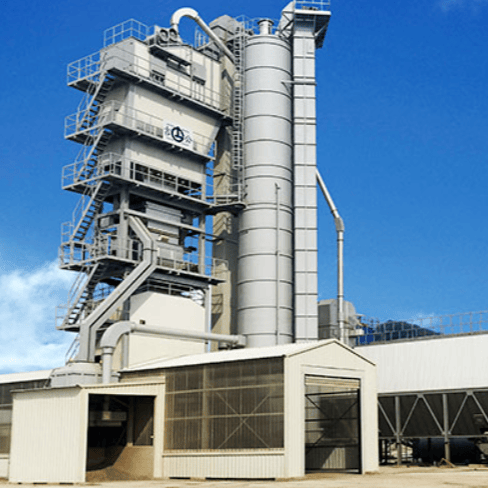
LBH4000 Batch Environmental Protection Asphalt Mixing Plant | Asphalt Batching Plant | Asphalt Mixing Plant
Jilin Province Road Construction Machinery Co., Ltd.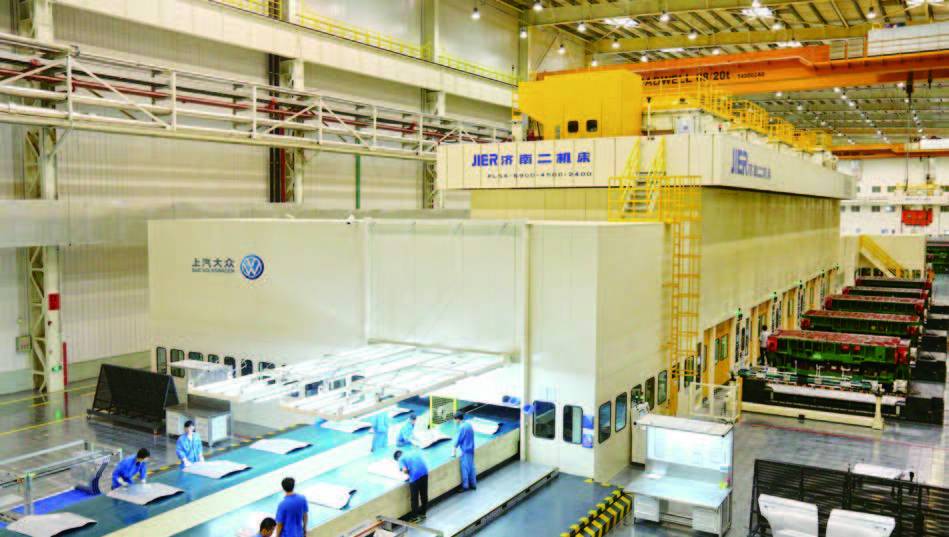
High-Speed Flexible Fully Automatic Stamping Production Line
JIER Machine-Tool Group Co., Ltd.