U.S. Pacific Northwest National Laboratory Develops Seawater Extraction Technology: 0.1% of Seawater Could Meet 50,000 Years of Mineral Demand
en.Wedoany.com Reported - The Pacific Northwest National Laboratory (PNNL), under the U.S. Department of Energy, is developing technology to extract critical minerals from seawater. Research shows that just 0.1% of the world's seawater contains enough magnesium, lithium, and other resources to meet human needs for the next 50,000 years or more.
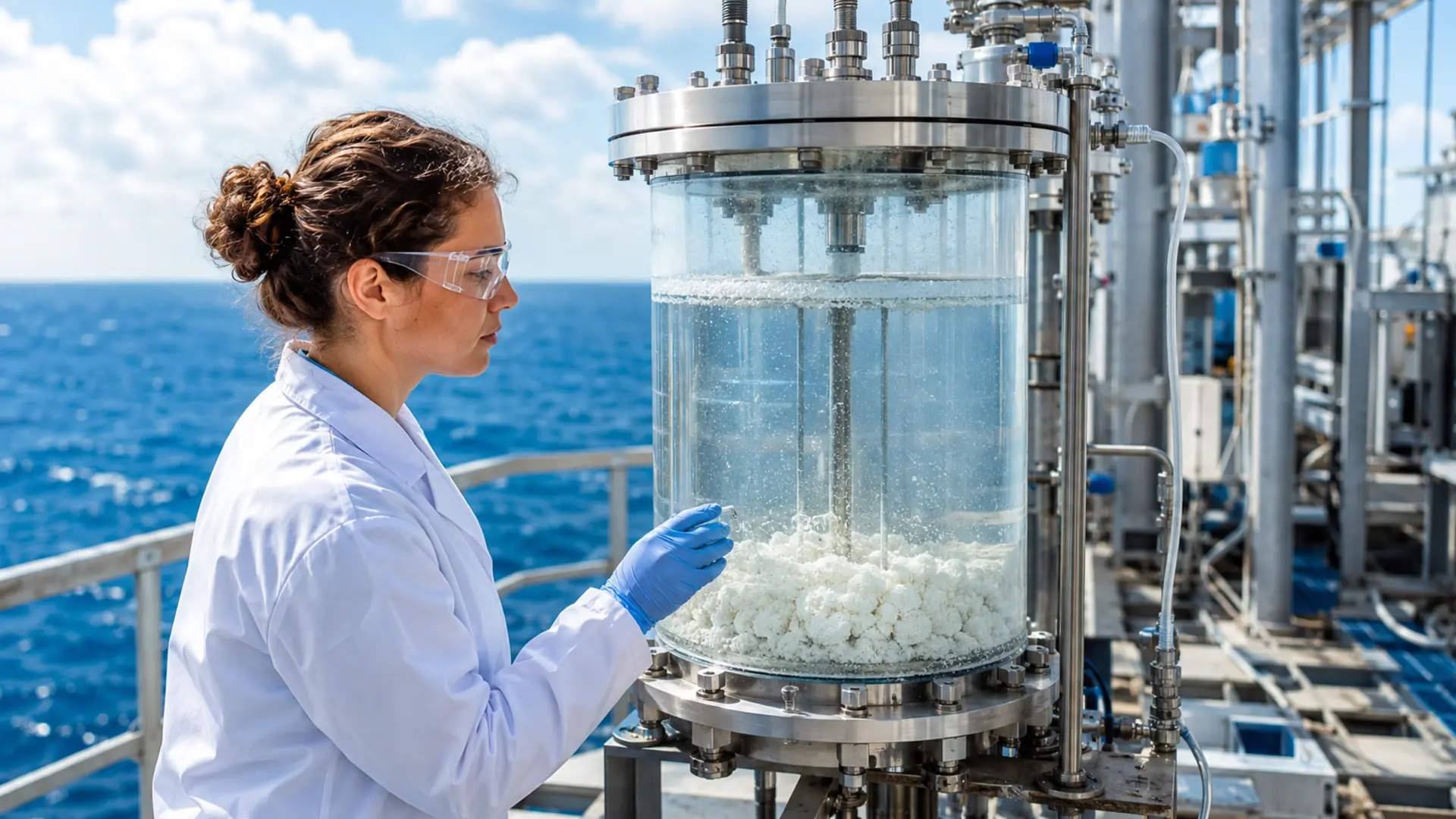
The ocean is rich in lithium, magnesium, manganese, cobalt, and rare earth elements, materials widely used in electronics and clean energy technologies. Supported by the U.S. Department of Energy's Water Power Technologies Office, the PNNL team is dedicated to developing direct extraction methods. Chemical oceanographer Jessica Cross noted that if fully extracted, the magnesium and lithium in just 0.1% of seawater could meet human needs for tens of thousands of years.
The extremely low concentration of minerals in seawater is a major engineering challenge. Chemist Chinmayee Subban explained that while magnesium is relatively abundant, materials like lithium and nickel are present in much lower concentrations. For example, a standard Olympic-sized swimming pool, containing about 2.3 million liters of seawater, holds approximately 2,980 kilograms of magnesium, but only 0.42 kilograms of lithium and about 0.00095 kilograms of nickel. Processing large volumes of water to recover small amounts of elements requires specialized technology, but the relatively standardized chemical composition of seawater globally facilitates the scaling of this technology.
To address this challenge, the PNNL team has developed a co-current reactor that continuously brings seawater into contact with sodium hydroxide. At the point where the liquids meet, high-purity magnesium hydroxide can be formed and collected. This process eliminates some chemical processing steps, and the product is a material widely used in industry, much of which the U.S. currently imports. The system is modular and can operate in parallel with existing desalination plants. An analysis of a facility in Carlsbad, California, showed that if all materials were recovered, the combined facility could produce 524,000 kilograms (approximately 1.16 million pounds) of magnesium hydroxide per day, more than three times the current daily U.S. consumption.
Researchers are also exploring the utilization of byproducts. After removing magnesium, the concentrated brine can be treated through bipolar membrane electrodialysis (BPMED) to generate the chemical acids and bases needed for subsequent steps. Laboratory tests show that acid derived from this process leaches nickel from olivine 37% more efficiently than conventional acid. Other byproducts can be used in marine aquaculture. Scott Edmundson, a plant researcher at PNNL's Sequim Marine Research Laboratory, stated that some critical minerals can reach concentrations in algae that are one million times higher than in the surrounding water. Previous research has also shown that slightly acidic seawater produced by BPMED can accelerate algae growth. Future systems could integrate mineral recovery with the production of chemicals, fuels, fertilizers, and biomass. While the technology still faces engineering and cost hurdles, it could help establish a more sustainable domestic supply of critical minerals.
Related Products


Mine Explosion-proof and Intrinsically Safe Industrial Ethernet Ring Network (10 Gigabit/Gigabit)
Chongqing Mas Sci&Tech Co., Ltd.
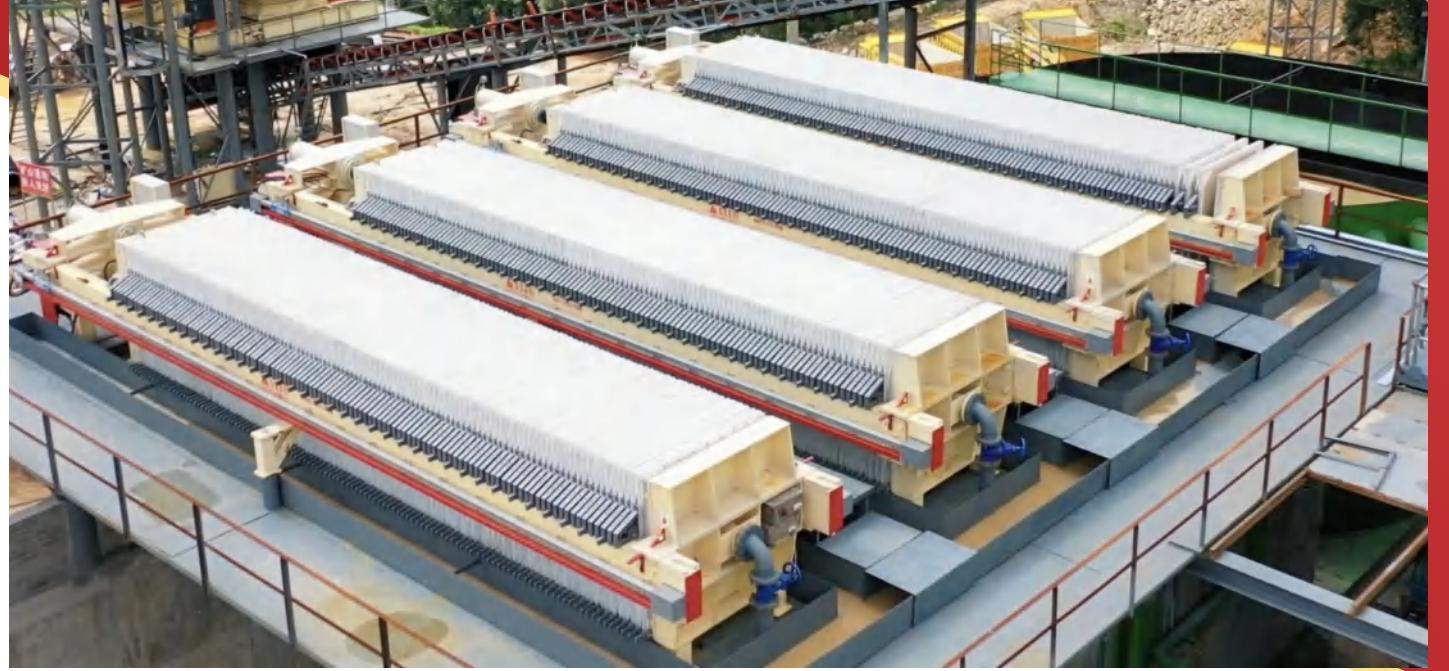
Hydraulic Plate and Frame Filter Press
Guangdong Leimeng Intelligent Equipment Group Co., Ltd.

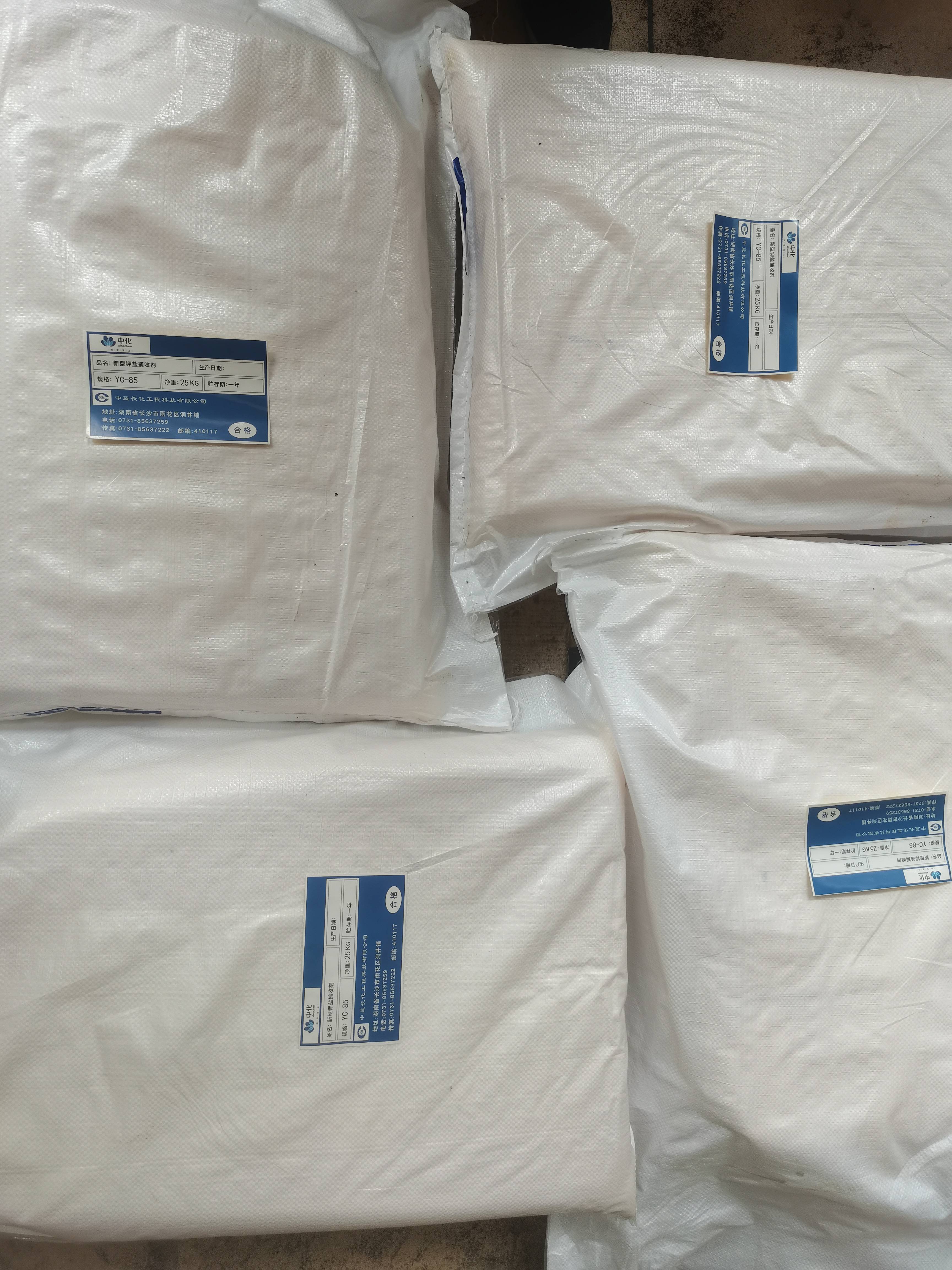
New Environmentally Friendly Green Potassium Salt Collector
Chonfar Engineering and Technology Co., Ltd.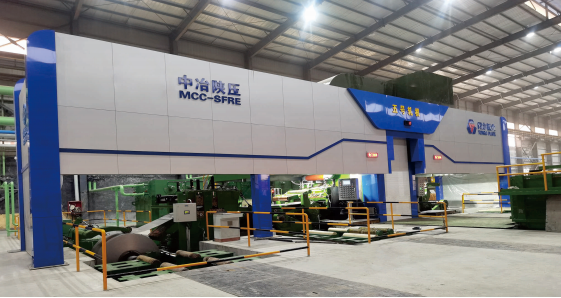
1050-1750mm Steel Strip Single-stand Reversible Cold Rolling Production Line
MCC-SFRE HEAVY INDUSTRY EQUIPMENT CO., LTD.
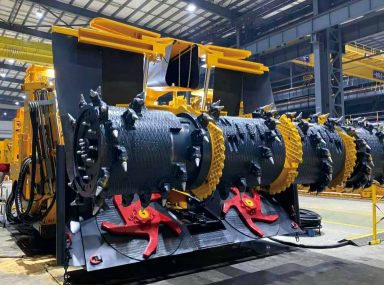
Integrated Excavation and Anchoring Machine (EJM Series)
China Railway Construction Heavy Industry Corporation Limited