Canada's Triple One Metals Initiates Technical Review of Newfoundland Gold-Copper Project
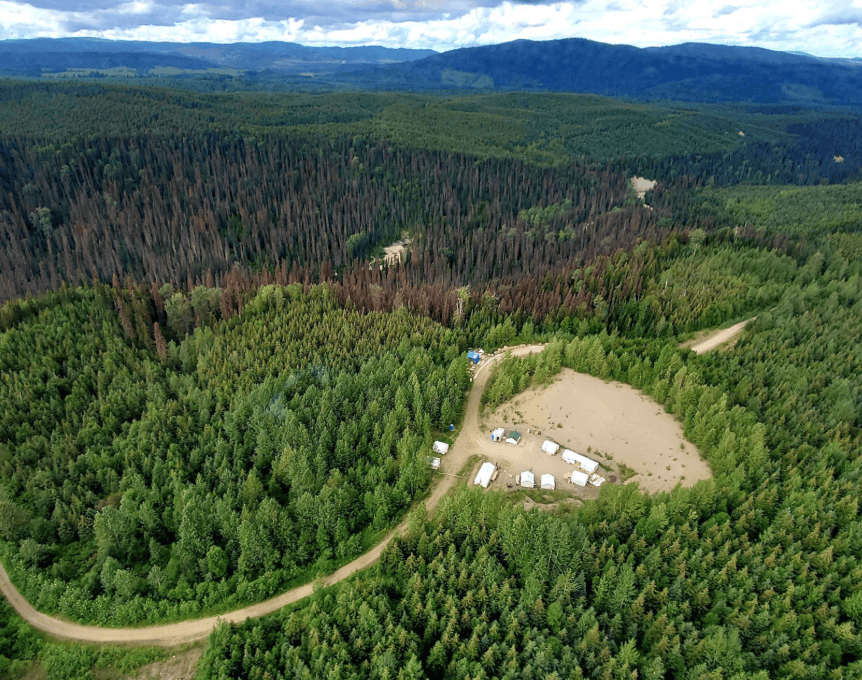
en.Wedoany.com Reported - Triple One Metals Inc. has announced the launch of an expanded technical review and target ranking program for its wholly-owned Caledonia Brook gold-copper project. Located in the Crippleback–Moosehead mineralized corridor in central Newfoundland, Canada, the project has regained attention due to recent copper-gold drilling by neighboring Pirate Gold Corp. at the Moby Dick discovery zone to the west.
CEO A. Paul Gill stated that recent work in the area has introduced broader copper-gold porphyry and epithermal exploration models, with the current focus on integrating historical work, known gold mineralization indicators, and regional geology into a rigorous target ranking process. This plan aims to advance Caledonia Brook from regional geological assessment to defined exploration targets, covering areas that may require subsequent prospecting, geophysics, and potential diamond drilling.
The Caledonia Brook property consists of two adjacent blocks: Caledonia 1 in the southwest and Caledonia 2 in the northeast. Triple One holds a 100% interest in seven mineral licenses covering approximately 6,850 hectares. The company's internal property map has identified several areas of exploration interest, including a zone with historical gold grades of up to 8.95 g/t gold, gold-rich areas in till, and proposed diamond drill locations. These targets will undergo verification, ranking, and field confirmation during the technical review before any drilling decisions are made.
Neighboring Pirate Gold Corp. recently reported that its Moby Dick alteration zone has been confirmed by drilling as a large advanced argillic alteration system, with characteristics consistent with copper-gold porphyry and high-sulfidation epithermal environments. Highlights from the initial drilling include 180.8 meters at 0.54% copper equivalent, including 49.4 meters at 1.48% copper equivalent, and 112.4 meters at 0.38% copper equivalent, including 45.0 meters at 0.72% copper equivalent. Subsequent infill drilling observed chalcopyrite mineralization in holes approximately 100 meters west and 1,700 meters east of the initial discovery, supporting the potential scale of the system. Triple One cautions that mineralization reported by Pirate Gold does not necessarily indicate mineralization on its Caledonia Brook property, but the company believes the presence of a large copper-gold alteration system within the same broader corridor provides meaningful geological context for reassessing Caledonia Brook.
Central Newfoundland is rapidly emerging as a significant gold and critical minerals exploration jurisdiction, hosting major projects including Equinox Gold's Valentine gold camp, New Found Gold's Queensway district, and the Moosehead high-grade discovery. Triple One noted that the progress of the Valentine gold mine from discovery to production further demonstrates the economic importance of this mineralized belt, strengthening the rationale for renewed exploration on its Caledonia Brook property.
Triple One's technical review plan includes compiling historical assessment reports and exploration records, verifying historical gold and copper-gold mineralization occurrences, reviewing historical geochemical data, integrating regional mapping and structural interpretations, collecting and reviewing available geophysical datasets, and comparing Caledonia Brook targets with emerging Crippleback copper-gold porphyry and epithermal models. The company plans to use modern digital compilation methods, including geospatial data integration and machine-assisted pattern recognition, to support geological interpretation and target ranking. Combined with geological mapping, detailed sampling, and diamond drilling, these tools aim to assist the technical team in identifying relationships between historical datasets and regional trends.
The company stated that Caledonia Brook is strategically significant due to its 100% ownership, 6,850-hectare area, location within the Crippleback–Moosehead mineralized corridor, known gold mineralization indicators, elevated copper grades, proximity to active regional exploration, dual gold and copper-gold exploration models, and its position in an increasingly important Canadian gold district. Triple One plans to determine field work programs following the completion of the technical review and target ranking, which may include prospecting, mapping, sampling, geophysical surveys, and, if warranted, diamond drilling.
Related Products

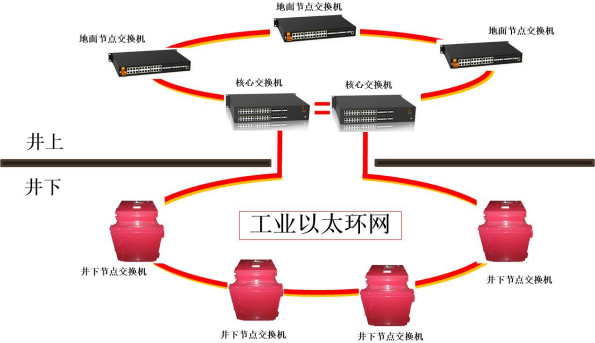
Mine Explosion-proof and Intrinsically Safe Industrial Ethernet Ring Network (10 Gigabit/Gigabit)
Chongqing Mas Sci&Tech Co., Ltd.


Comprehensive Mining Automation Control System
Beijing Tianma Intelligent Control Technology Co., Ltd.

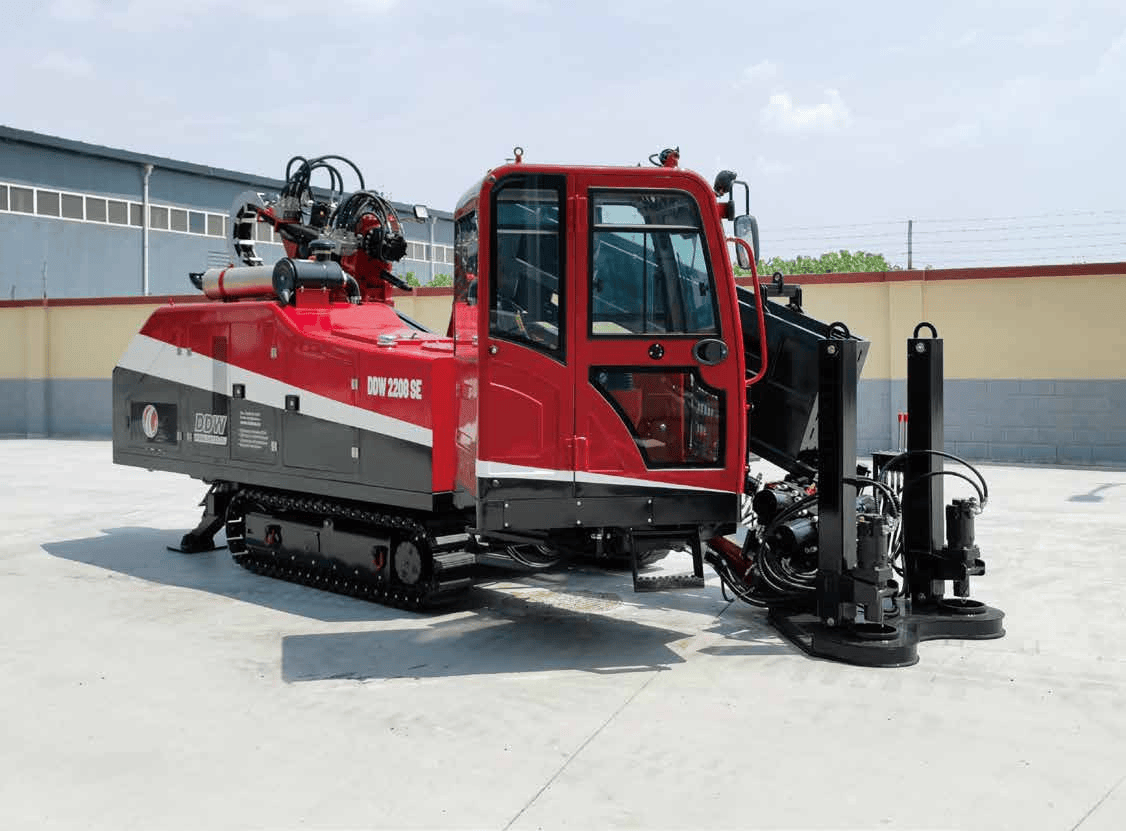
DDW22/08SE-HORIZONTAL DIRECTIONAL DRILL
DW/TXS Construction Equipment (Beijing) Co., Ltd.

CITIC Heavy Industries Metallurgical Equipment Steel Smelting Engineering Equipment
CITIC Heavy Industries Co., Ltd.