Spain's Aidimme Develops 3D-Printed Electrocatalysts, Boosting Hydrogen Production by 10 Times
en.Wedoany.com Reported - Aidimme (Technological Institute for Metalworking, Furniture, Wood, Packaging and Related Industries) has developed and validated a comprehensive methodology through the SUR-FA project for manufacturing porous electrodes with controlled structures, multi-level surfaces, and electrocatalytic behavior adapted to real-world conditions. The project validated the methodology from design to electrocatalyst manufacturing, encompassing geometry, 3D manufacturing technology, materials, surface modification, and reactor fabrication, forming a process where each stage directly impacts electrode performance and its suitability for the intended application.
The study treats the electrode as a functional system where internal geometry, material properties, and surface chemistry interact interdependently, rather than traditionally handling these elements separately. The structure no longer merely responds to construction criteria but becomes an active element influencing physical parameters such as mass transfer, ion transport, electron conduction, and current distribution. Additive manufacturing enables the direct creation of customized structures, generating periodic porous geometries that decisively affect mass transfer, current distribution, and ionic resistance. These high-precision substrates subsequently undergo surface modification to obtain highly ordered hierarchical structures doped with catalysts for electrocatalytic surfaces in energy and environmental applications.
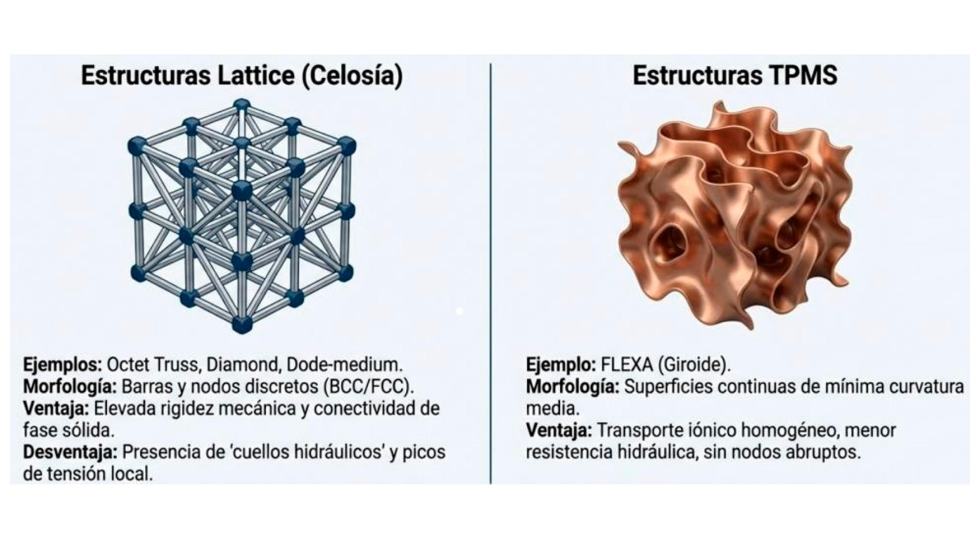
Development begins with the structural design of porous electrodes, introducing parameters such as pore size, channel connectivity, structure type, tortuosity, and surface area-to-volume ratio. The study considered two types of structures: lattice structures and TPMS structures (Triply Periodic Minimal Surfaces). Lattice structures are based on periodic networks of struts and nodes, offering high mechanical stiffness, but nodes introduce geometric discontinuities that increase tortuosity; TPMS structures represent continuous geometries with zero mean curvature, applied in the project through the Flexa structure, eliminating discontinuities, promoting interconnected channels, and reducing hydraulic losses. From over 20 initial configurations, four representative structures were selected: Flexa, Octet Truss, Diamond 20, and Dode-medium.
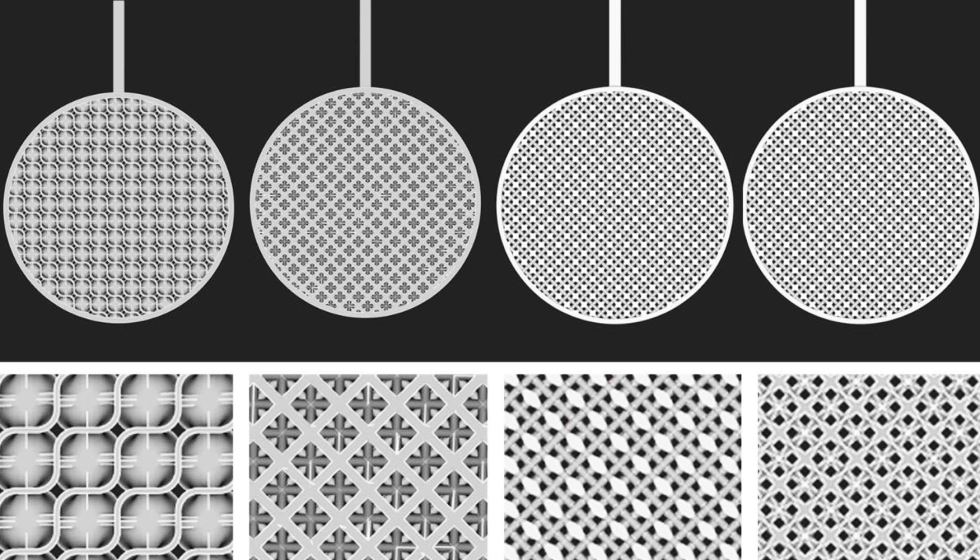
The experimental methodology is divided into interconnected stages: first defining the unit cell and design parameters, followed by multi-scale modeling. In the pilot stage, structural continuity was verified using polyamide additive manufacturing with Multi Jet Fusion technology; subsequently, selected structures were fabricated using titanium and copper via electron beam powder bed fusion. For surface modification, cleaning and conditioning treatments were applied, followed by electrochemical, chemical, and thermal processes to generate controlled nanostructures (nanotubes, nanopores, nanosheets). Anodization was used on titanium substrates to obtain titanium dioxide structures, and on copper substrates to obtain copper oxide nanosheets or nanowires.
From a physical perspective, the Octet Truss structure exhibits high mechanical stiffness and high tortuosity, increasing residence time but limiting ion transport; the Flexa structure is balanced, with low flow turbulence, low pressure drop, and high connectivity; Diamond 20 provides structural stability at high porosity; Dode-medium maximizes electrolyte transport. The project developed reactors from small-scale characterization to integrated 100 x 100 mm electrodes, optimizing electrolyte flow and current distribution.
Experimental validation was conducted in applications such as hydrogen production, glycerol oxidation, and nitrate reduction. In hydrogen production and glycerol oxidation, Dode-medium structure electrodes were used, with surface micro-nanostructures promoting the adsorption of intermediate species. Results showed that the synergistic effect of the designed 3D structure, modification, and nickel doping increased cathodic hydrogen production by 10 times and anodic glycerol oxidation current density by 15 times in the photoelectrocatalytic process. In the electroreduction of nitrate to ammonium, for real brine with high nitrate loads, a 100% nitrate removal rate was achieved, with ammonium selectivity exceeding 60%.
The ECO-RECEL project, currently promoted by Aidimme with support from Ivace+i and the EU FEDER fund, is converting Aleppo pine cellulose into high-value-added products through chemical-electrochemical pathways, validating the four configurations studied in SUR-FA. Preliminary results indicate that electrode design is a significant factor, especially in flow reactors. The SUR-FA project has established a complete methodology for the design and validation of efficient porous electrodes, demonstrating that design must be linked to the final process and application, opening new possibilities for the application of advanced technologies in the energy and environmental fields.
Related Products
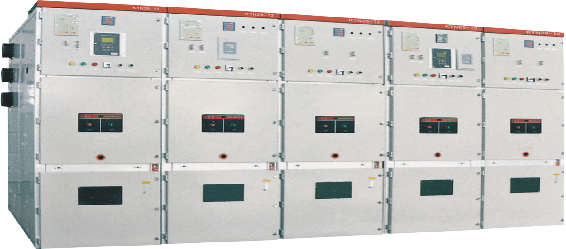

KYN28-12/24 Indoor High-Voltage Metal-Clad Removable Switchgear
Shenzhen Zhaoyang Hui Technology Co., Ltd.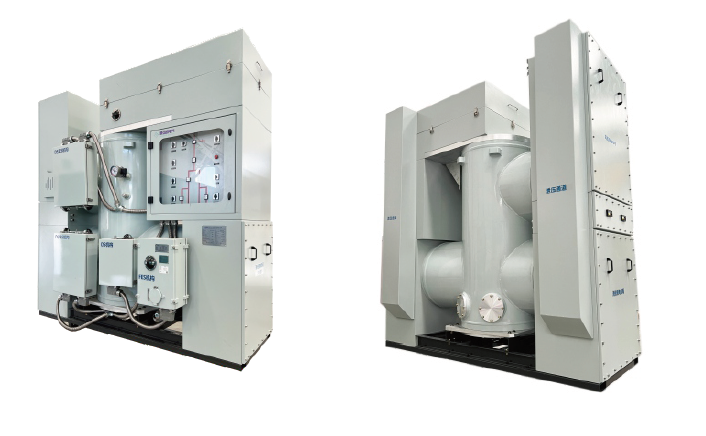
72.5kV 1250A 31.5kA SF6 free Gas-insulated Metal-enclosed Switchgear
Zhejiang Juhonkia Intelligent Electric Co., Ltd.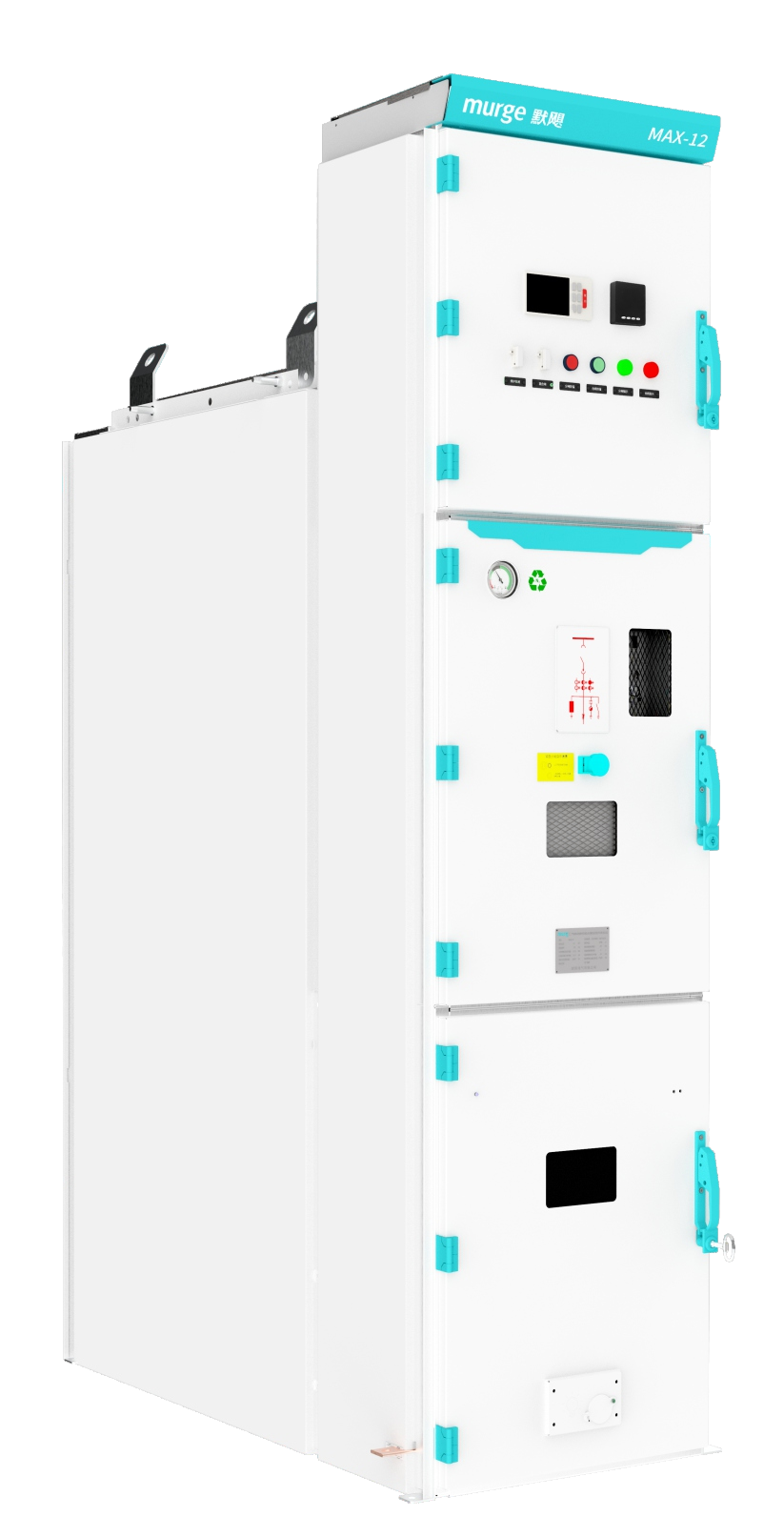
MAX-12 series Environmental Protection/SF6 gas insulated switchgear (C-GIS)
Murge Electric Co.,Ltd.

CAP1400 main feedwater flow nozzle flowmeter.
Jiangsu Hongda Instrument Technology Co., LTD.
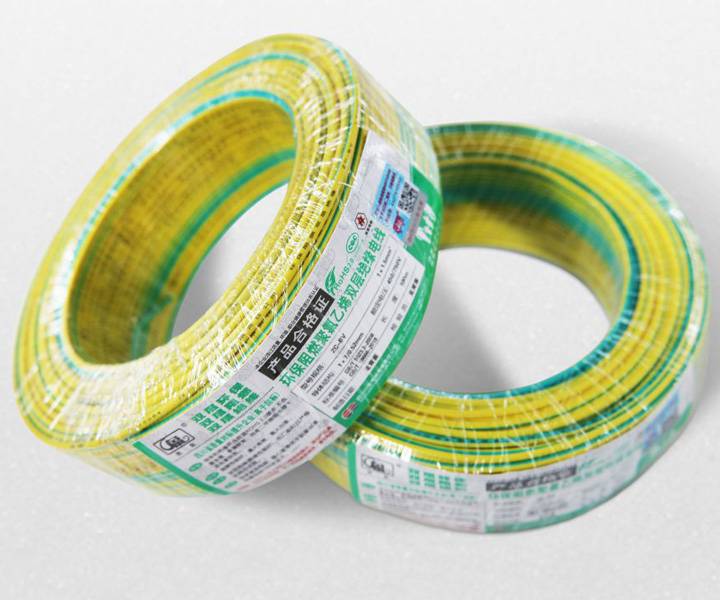
Environmentally Friendly Flame-retardant PVC Double-layer Insulated Wire
Sichuan Chndo Cable Co., Ltd.