Brazil's CNPEM Develops Sugarcane Bagasse Nanocellulose Process, Scaling Up 500-Fold
en.Wedoany.com Reported - The Brazilian National Center for Research in Energy and Materials (CNPEM) has developed a simplified process to directly extract tempo-oxidized cellulose nanofibrils (TOCNFs) from sugarcane bagasse, scaling up from the laboratory level by up to 500 times to a pilot scale, achieving a cellulose yield of approximately 91%. Nanocellulose, a nanoscale form of plant fibers, offers high strength, low weight, and biodegradability, with promising applications in packaging, biomedicine, and other fields.
Traditional nanocellulose production requires multiple chemical reactions and consumes significant energy, whereas the new method directly oxidizes sugarcane bagasse, reducing high-intensity mechanical processing steps and simplifying the workflow. The study was led by Pedro Alonso, a chemistry student at the State University of Campinas (Unicamp) and a scholarship recipient from the São Paulo Research Foundation (Fapesp) at CNPEM. He noted that adapting innovative technology from the laboratory to an industrial scale is a major challenge, and CNPEM's combination of cutting-edge analytical equipment and pilot-scale facilities close to industrial reality facilitates this validation process.
Study advisor Juliana da Silva Bernardes, a researcher at CNPEM, pointed out that the process's uniqueness lies in its single-step production without requiring high pressure or high temperature, reducing energy consumption and facilitating scale-up. Carlos Filho, head of CNPEM's Bioprocess Scale-Up Group, added that the continuous interaction between the institution's pilot plant and process development team with the research team has enabled the process to be validated in an industrially relevant environment, offering greater operational robustness and application potential.
The nanofibrils produced by this method exhibit nanoscale dimensions and high colloidal stability, meeting industrial application requirements. As a renewable and biodegradable material, nanocellulose can also be used in lightweight composites, electronic devices, drug delivery systems, and environmental remediation. Bernardes stated that while regulatory limitations still exist in Brazil, the material has already been studied and applied in other countries. This research demonstrates that agricultural waste can be transformed into high-value-added products, contributing to the advancement of the bioeconomy and sustainable materials transformation.
Related Products


Industrial and Commercial Point-Type Gas Detector
Jinan Benan Technology Development Co., Ltd.
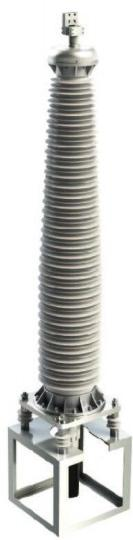
220kV Composite Outdoor Cable Terminal
Shenyang Guolian Cable Accessories Manufacture Co., Ltd.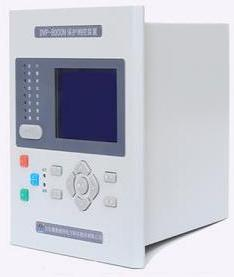
Microcomputer Protection and Substation Automation
Beijing Agent Devote Power Technology Development Co., Ltd.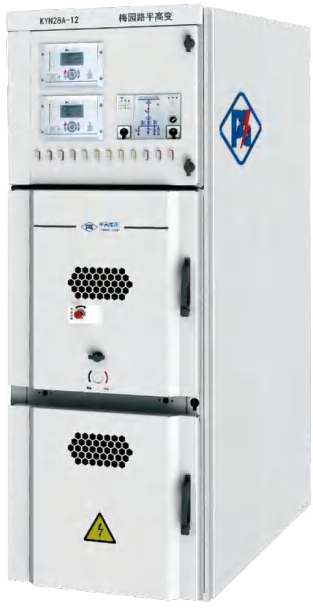
KYN28A-12 Metal Armored Removable Switchgear
Tianjin Ping Gao Intelligent Electric Co., Ltd.