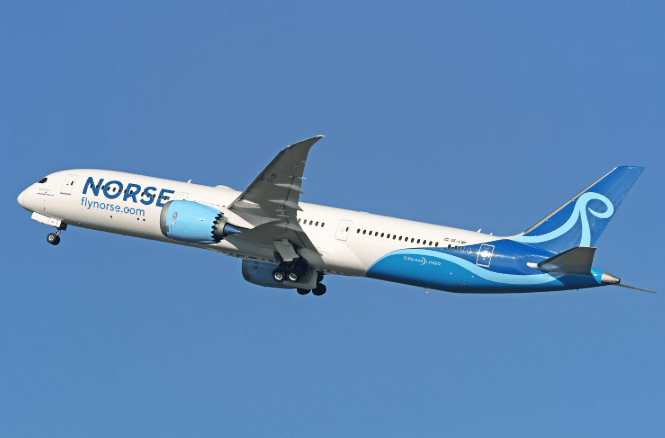
GE Prices GE9X Engine for 777X at $45 Million
en.Wedoany.com Reported - General Electric Aerospace has priced its GE9X engine, the exclusive powerplant for the Boeing 777X, at $40 million to $45 million per unit. Airlines typically receive discounts through bulk purchases, resulting in actual transaction prices below the list price. GE holds a pricing advantage on this aircraft model as it faces no competition from other engine manufacturers.

The purchase price of an engine accounts for only a portion of its total lifecycle cost. Manufacturers continue to profit for decades after selling engines by providing maintenance support, while airlines recover most of their investment through improved reliability and fuel savings. Modern engines like the GE9X can generate immense thrust with lower fuel consumption.
The actual transaction price of the GE9X varies depending on order size. For example, when Emirates initially committed to ordering 270 777X aircraft in 2013, it paid approximately $53.3 million per engine, excluding maintenance costs. The airline subsequently signed a 12-year MRO contract worth $16 billion in 2015. According to General Aviation News, Singapore Airlines paid $2.9 billion for its 22 GE9X engines, equivalent to $127 million per engine, but this cost includes a 12-year maintenance, repair, and overhaul (MRO) contract.
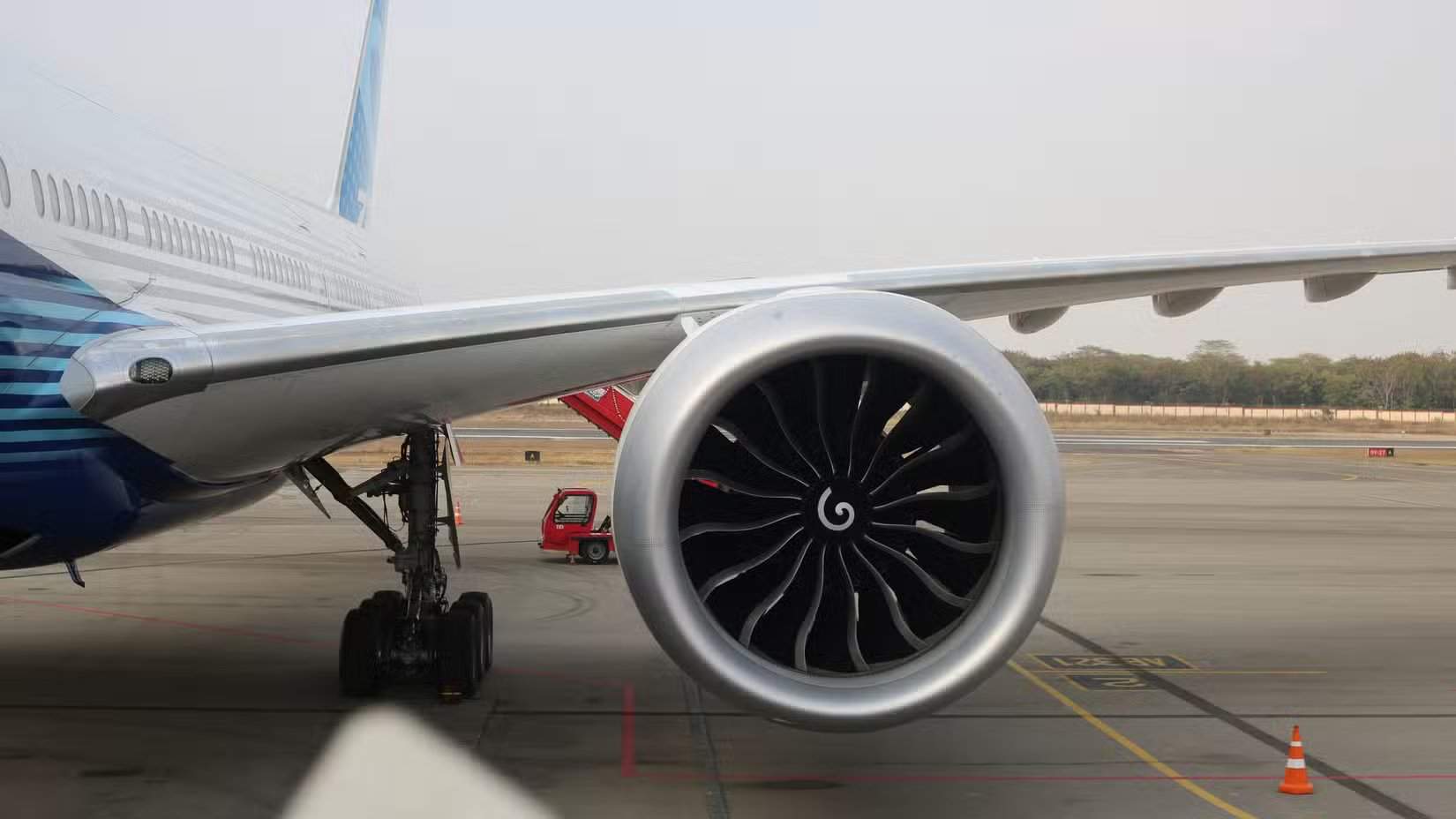
High development costs are a key factor in the GE9X's premium pricing. The development cost of a new commercial jet engine can exceed $10 billion, covering research and development, manufacturing and supply chaininfrastructure establishment, and certification testing. According to General Electric News, GE invested $4.3 billion in its U.S. manufacturing facilities, an additional $1.1 billion in overseas GE9X production bases, and another $600 million in factories, equipment, and tooling within the supply chain.
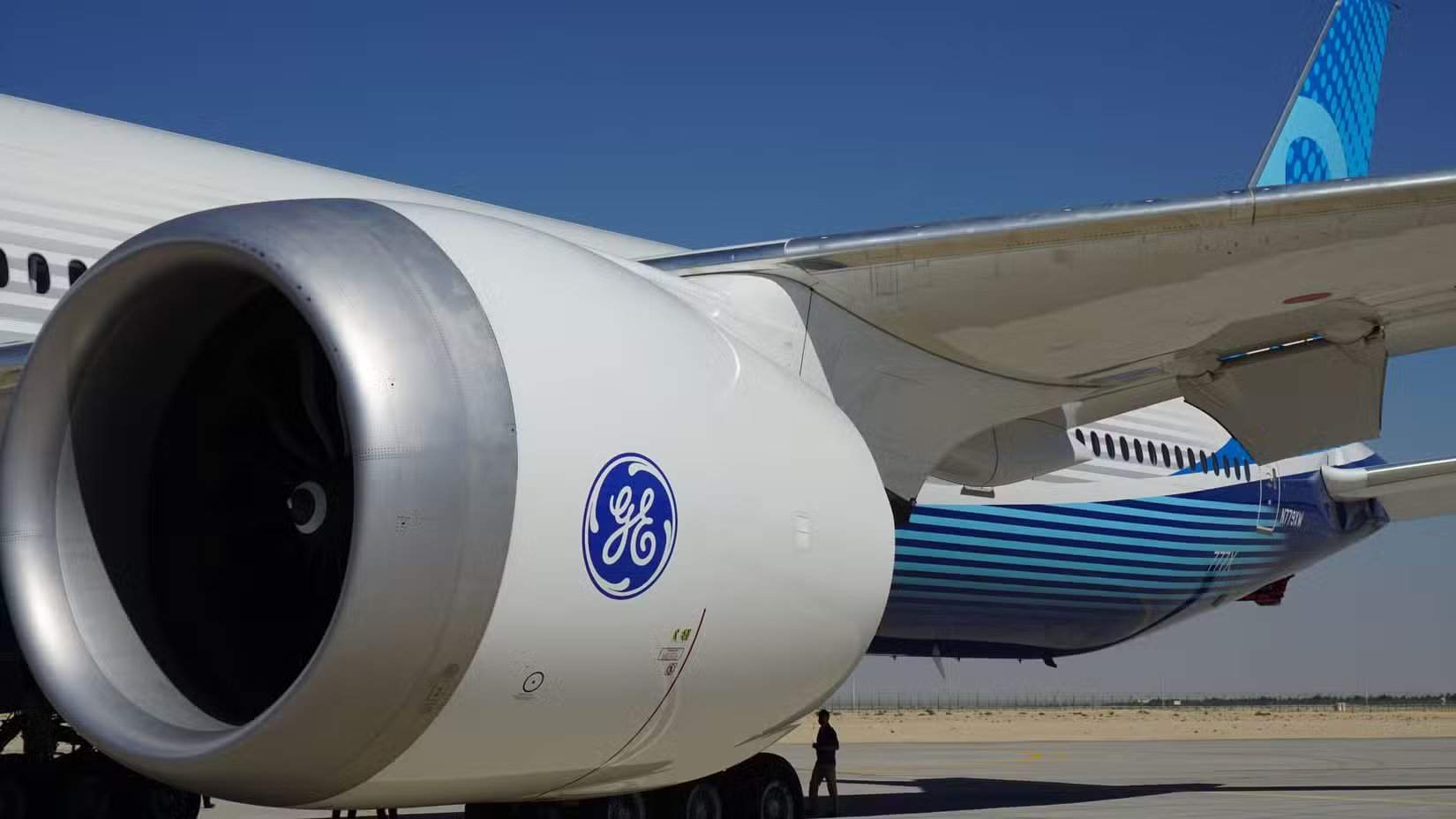
The GE9X boasts impressive technical specifications: it weighs approximately 21,000 pounds (9,500 kg), reduces nitrogen oxide emissions by 50% compared to similar engines; improves fuel consumption by 5% over the closest widebody engine and 10% over the previous generation. The engine has a bypass ratio of 10:1, an overall pressure ratio of 60:1, a fan diameter of 134 inches (3.4 meters), a length of 220 inches (5.6 meters), and contains 35,370 parts.
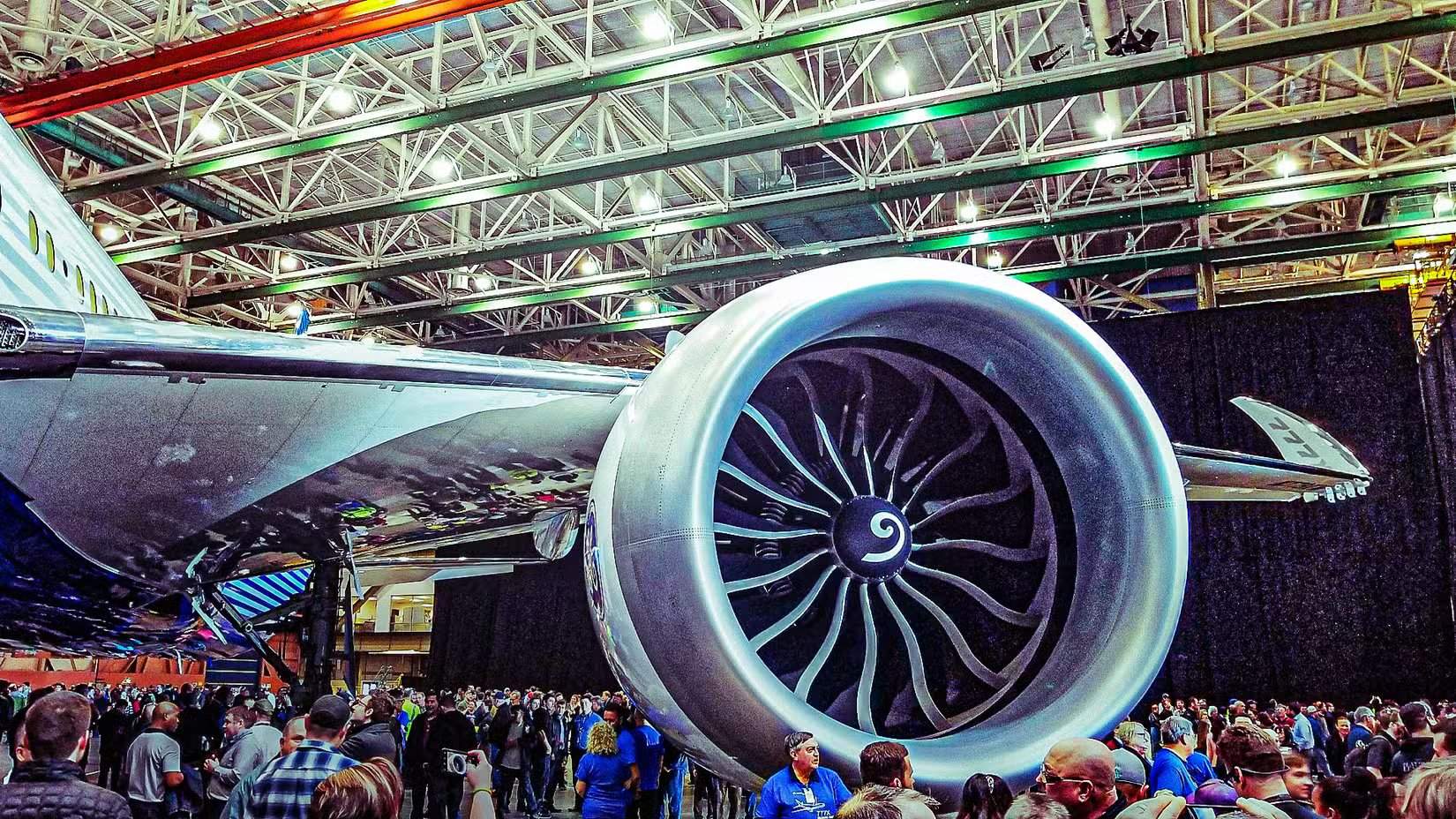
General Electric Aerospace spent 30 years gradually developing composite fan blades and Ceramic Matrix Composites (CMCs) technology, progressing through the GE90, GEnx, and CFM LEAP programs. The GE9X engine contains over 100 components made from ceramic matrix composites, which can operate at temperatures exceeding 2,000°F (1,100°C) and require less cooling airflow, significantly improving combustion efficiency.
During testing, the GE9X achieved a maximum thrust of 134,300 pounds (597 kN), setting a thrust output record. General Electric Aerospace describes it as the company's most fuel-efficient jet engine in its thrust class, offering 10% better fuel consumption than the GE90-115B and 5% better than competing widebody engines.
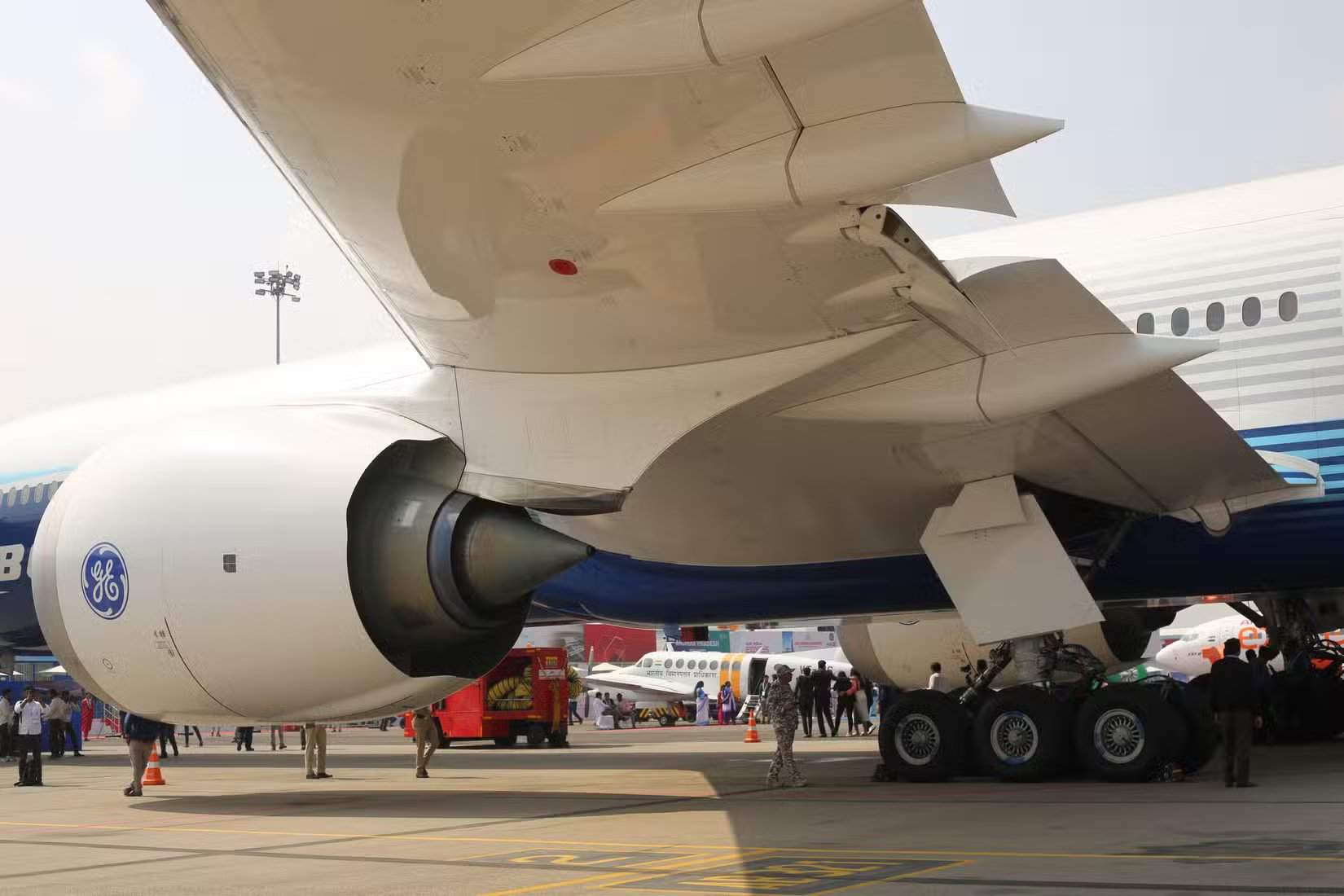
GE holds an exclusive supply position on the 777X program. Only the GE9X powers the 777X, while other Boeing 777 models can be driven by engines from Pratt & Whitney and Rolls-Royce. Such exclusive agreements are on the rise in the widebody engine sector, as high development costs force manufacturers to commit only after securing orders. Rolls-Royce holds an exclusive contract to power the A350 using its Trent XWB engine.
Since May 2009, GE has attempted to enter the A350 market but without success. Reuters reported that in 2021, Airbus and Rolls-Royce reached an agreement ensuring the Trent XWB engine would continue to exclusively power the A350.
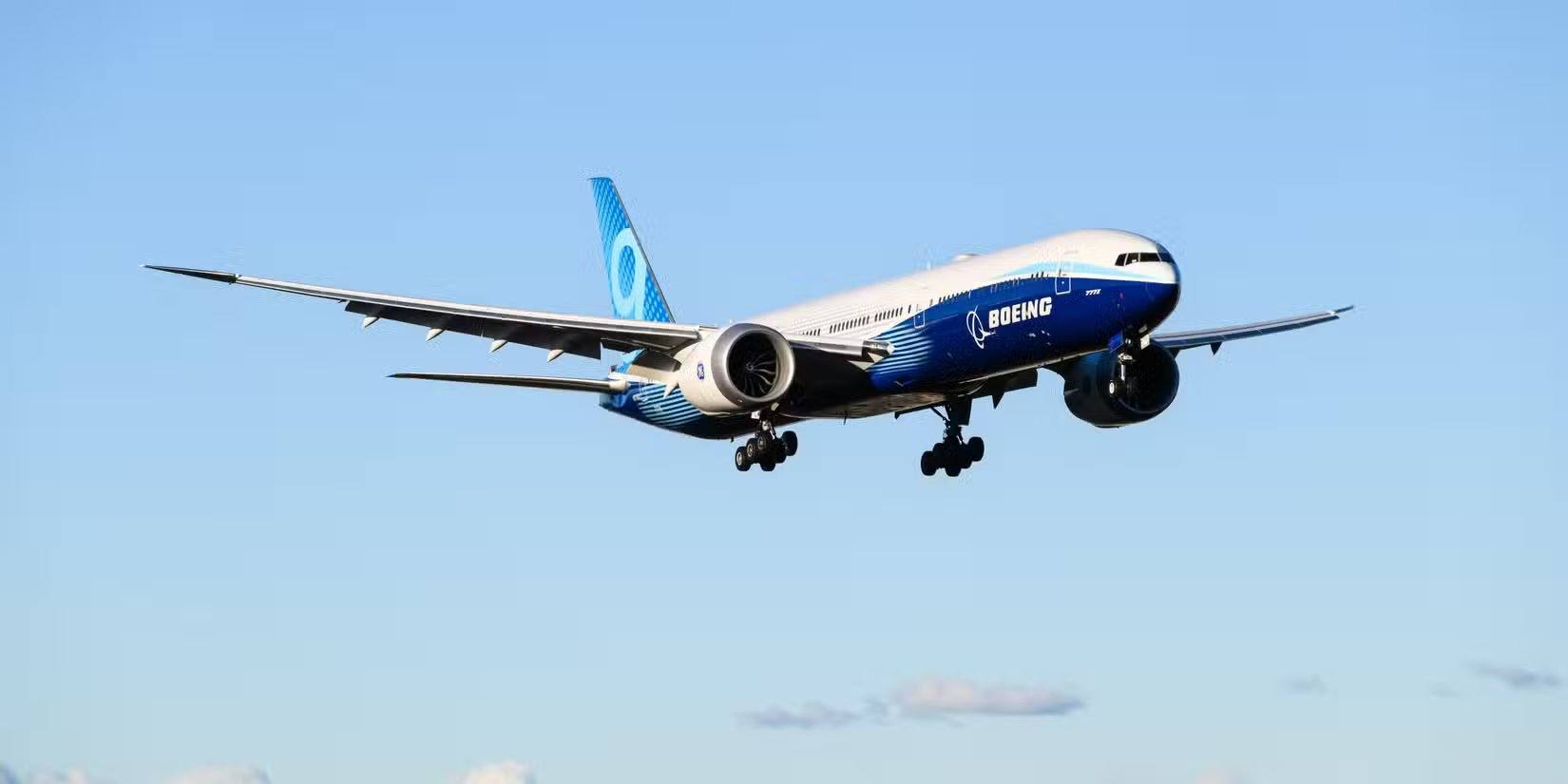
The GE9X has also faced challenges in practical application. In January 2026, an inspection discovered cracks in the intermediate seal of a test engine, indicating stress concentration issues in the overall aircraft structure. GE announced a redesign of the relevant components. CEO Larry Culp stated during the company's first-quarter earnings call that the company had identified the root cause and was finalizing modifications, maintaining transparent communication with Boeing and the FAA throughout the process. GE stated that the GE9X will be the most extensively tested engine program in its history when it enters service, having already endured over 30,000 cycles, including 9,000 durability cycles and 1,600 sand ingestion cycles.







![IVECO Cash-in-Transit [DMT5048XYCL3-AM] - Chongqing Dima Industry Co., Ltd](https://img.wedoany.com/2026/0911/20260911030157582.png)