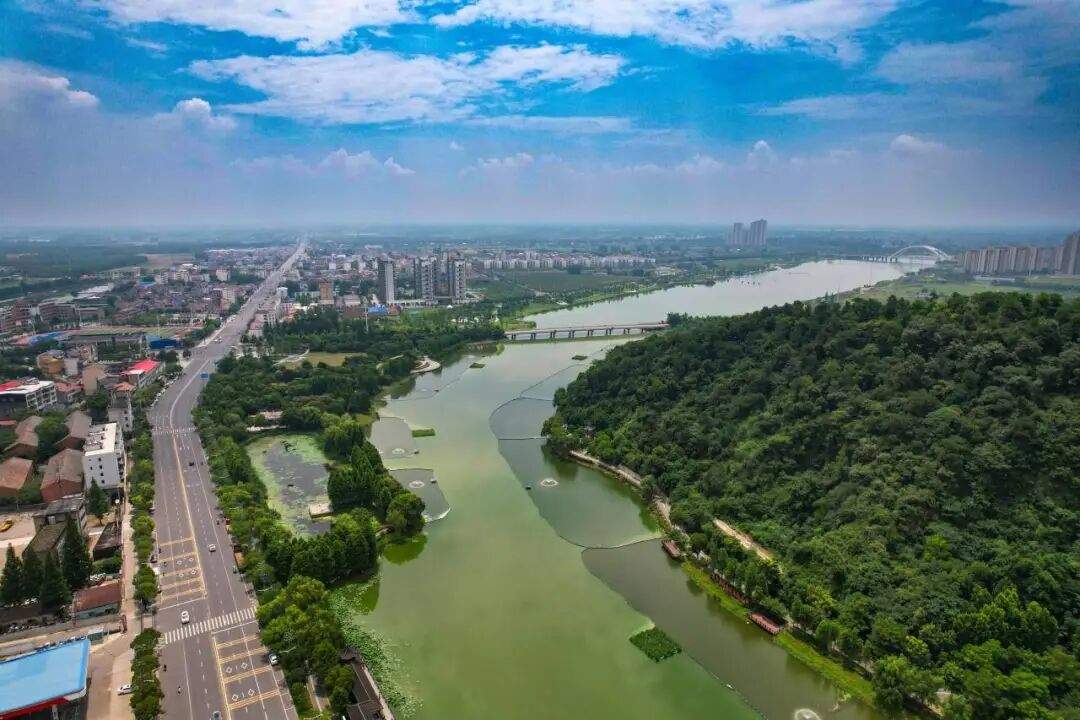
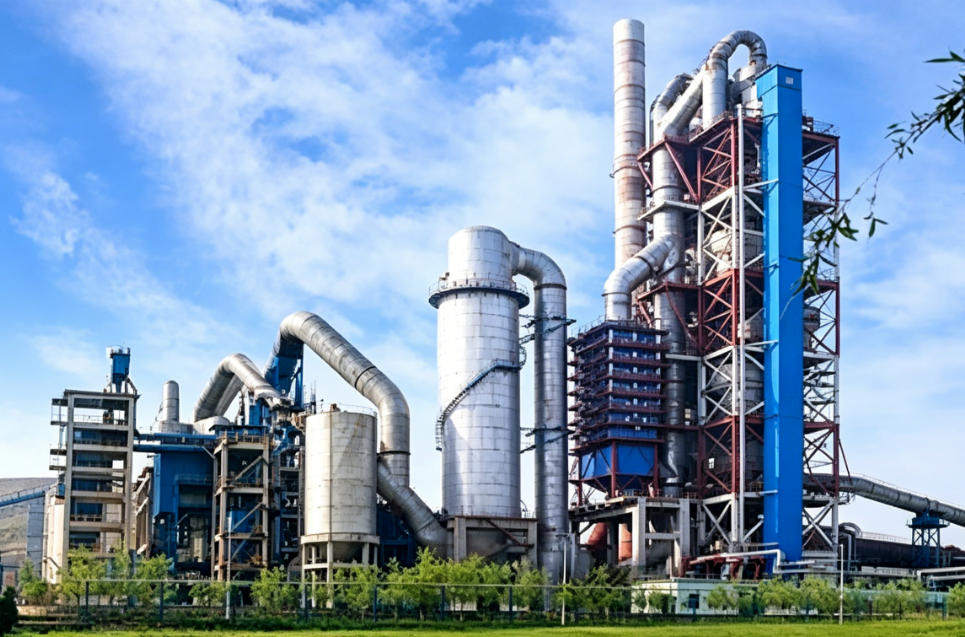
en.Wedoany.com Reported - As the 10th anniversary of China's Yangtze River Protection initiative arrives, China Communications Construction Company (CCCC) has completed a comprehensive water environment treatment project in Shishou City, Hubei Province, systematically advancing the implementation of the Yangtze River Protection strategy in the Jingjiang section.
Located in the core area of the Jingjiang section of the Yangtze River in Hubei, Shishou boasts 89 kilometers of Yangtze River coastline and is a critical region for ecological protection in the middle reaches of the Yangtze. In the past, urban and rural sewage, along with agricultural non-point source pollution, were discharged directly into the Yangtze River through ditches, making this area a weak link in preventing pollution from entering the river in the middle reaches.
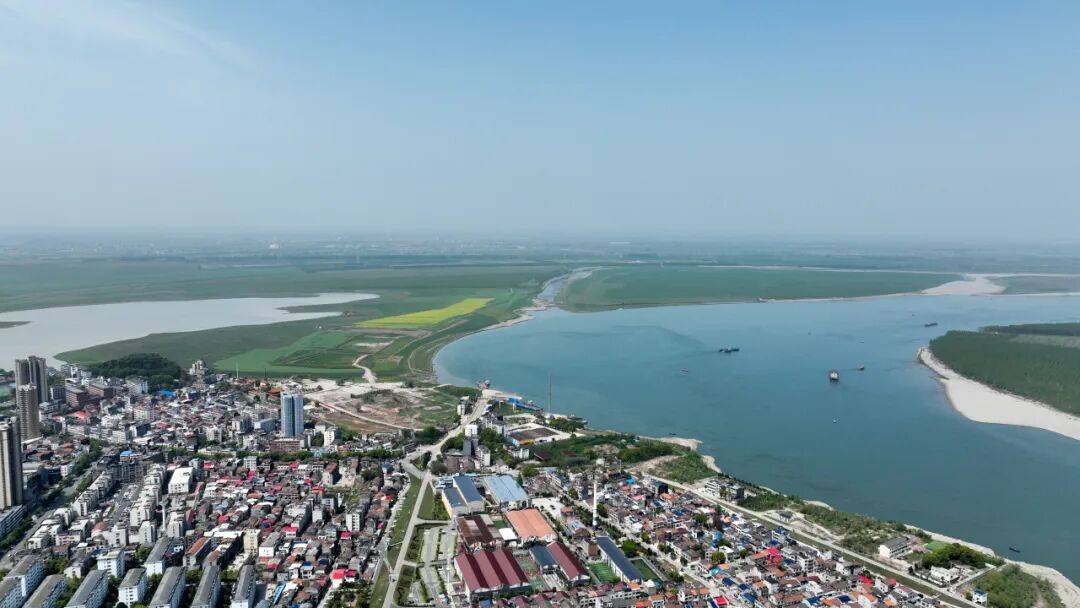
This project is the first systematic treatment project under the Yangtze River Protection strategy in the Jingzhou region. The project includes the renovation of 31.32 kilometers of rainwater and sewage diversion pipelines, implementing sewage interception and treatment on 10 urban channels totaling nearly 100 kilometers in the central urban area, completely sealing scattered discharge outlets, and channeling all domestic sewage and industrial wastewater to centralized sewage treatment plants for disposal, cutting off the direct discharge of sewage into the Yangtze River via ditches.
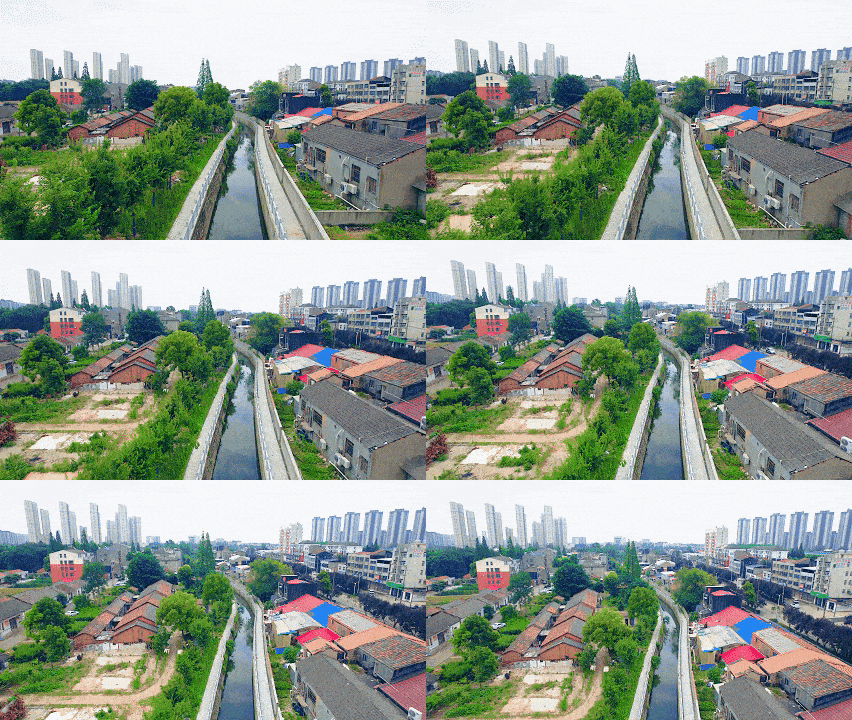
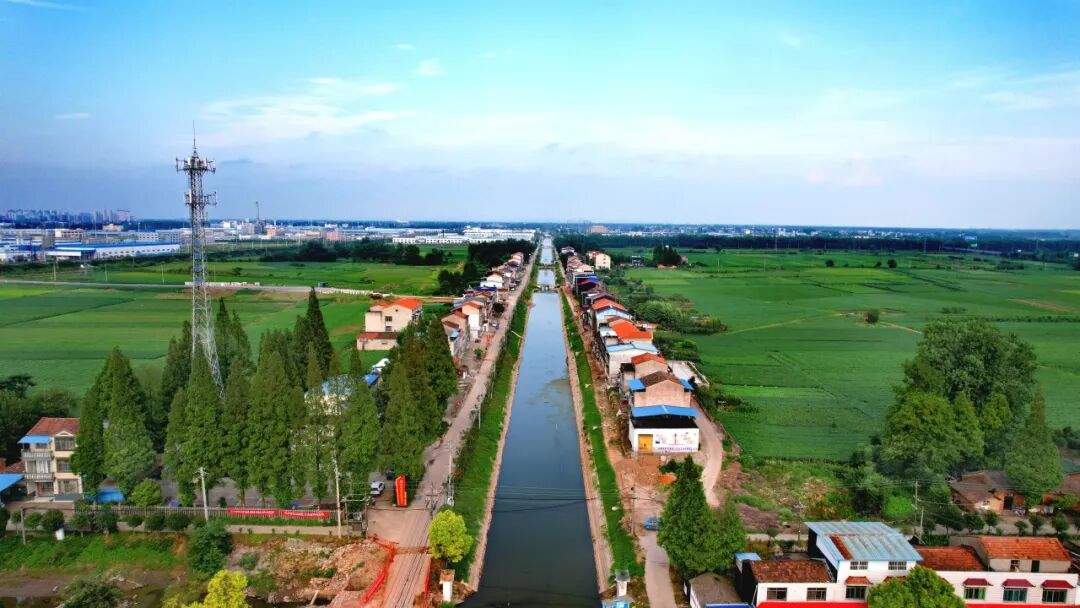
In terms of internal pollution treatment, the project utilized high-pressure dredging and harmless sludge solidification technology to dredge and clean black and odorous rivers, removing a total of 930,000 cubic meters of lake sediment, equivalent to the volume of a "Water Cube." Simultaneously, sediment treatment was carried out in eight connected lakes, reconstructing an "underwater forest" ecosystem to enhance the lakes' self-purification capacity and prevent secondary pollution caused by sediment disturbance from spreading to the Yangtze River.
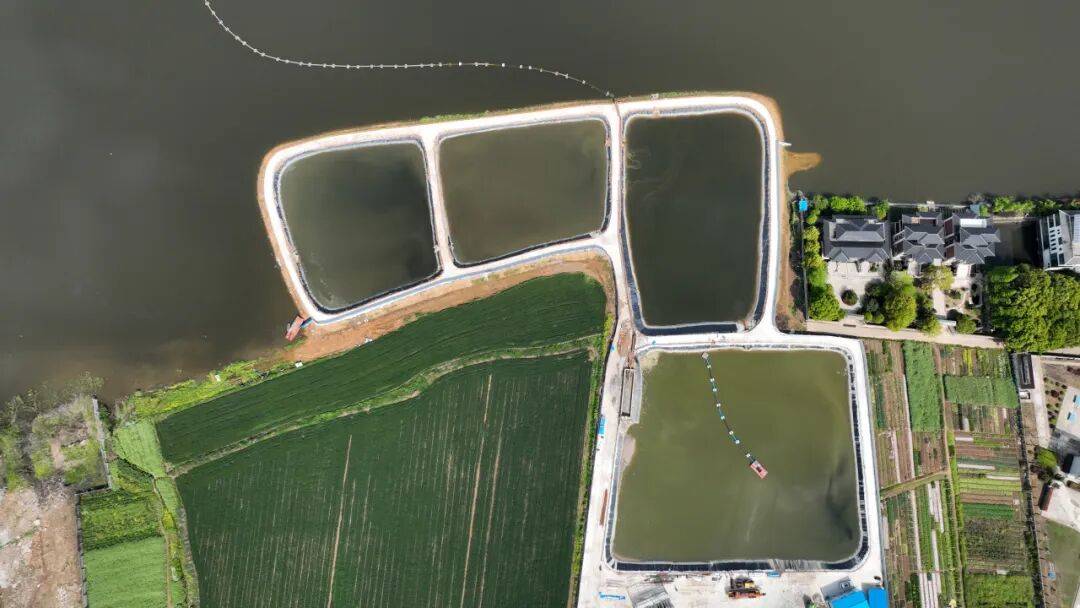
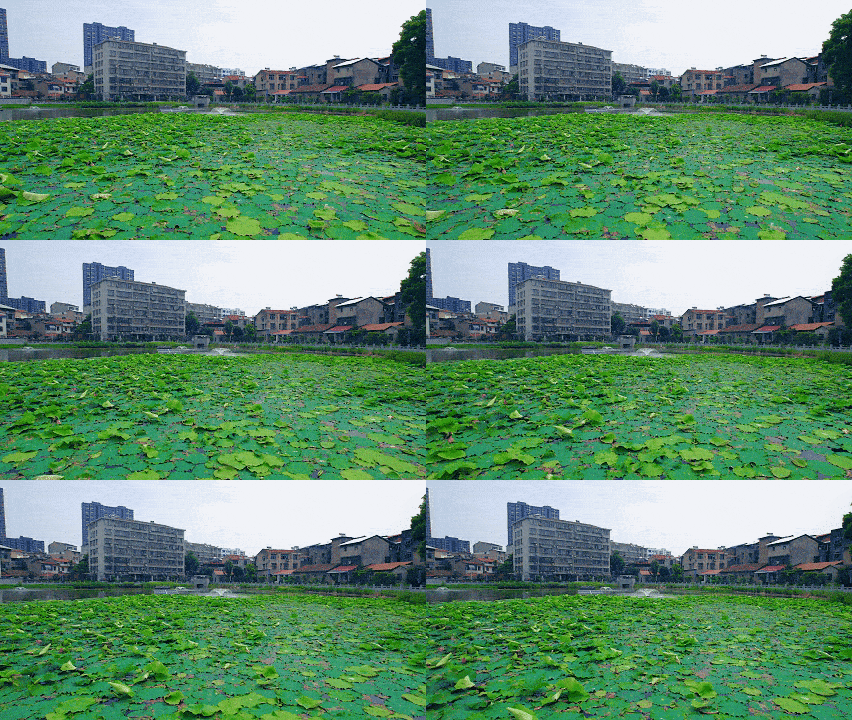
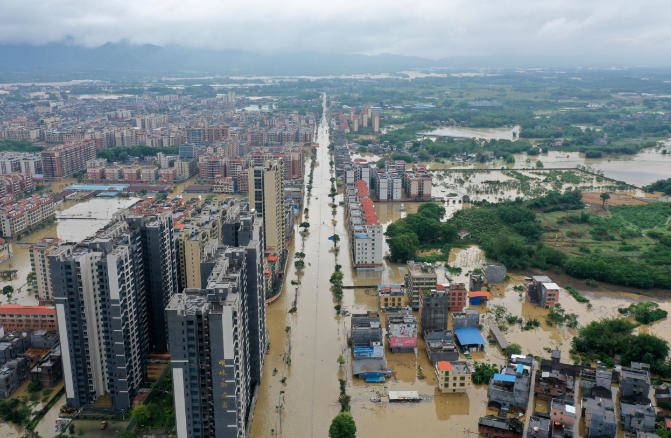
Based on Shishou's characteristic composite water network of "rivers-lakes-canals," the project also connected three major inner lakes in the central urban area, restored over 20 kilometers of branch canal systems, and fully restored the natural hydrological rhythm of interconnected rivers, lakes, and canals. After treatment, the regional water system achieved a virtuous cycle. During flood seasons, river water can moderately backflow into lakes for water storage, while during dry seasons, clear lake water replenishes the rivers, effectively avoiding eutrophication in enclosed water bodies. The project incorporated over 10 kilometers of urban inner rivers into the unified water resource dispatch system of the Yangtze River Basin, achieving integrated management of the basin's water ecology.
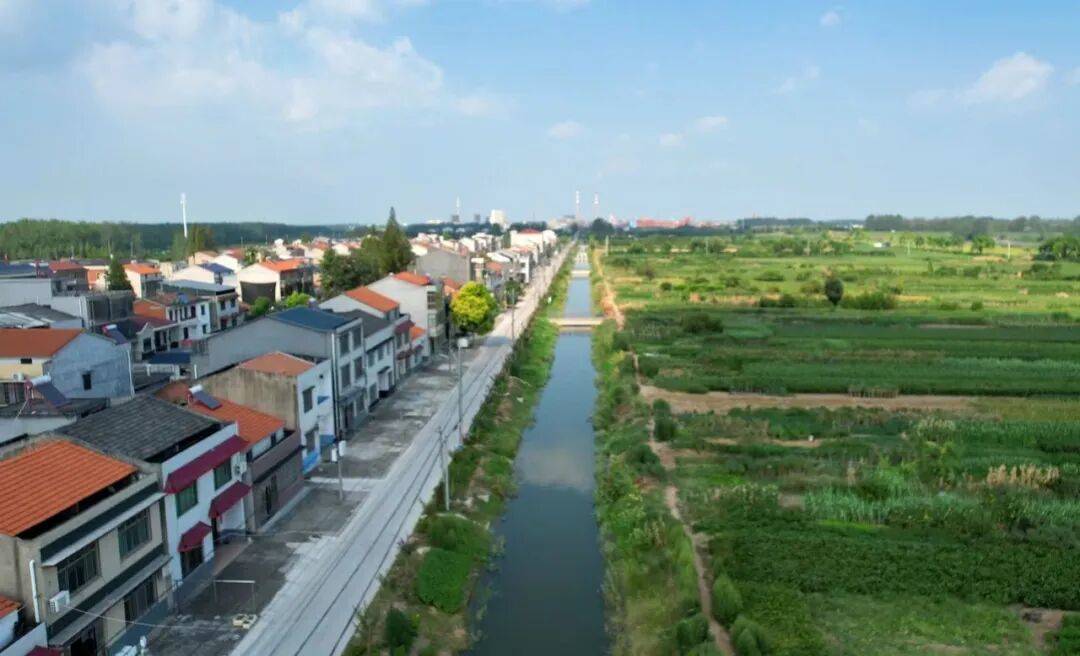
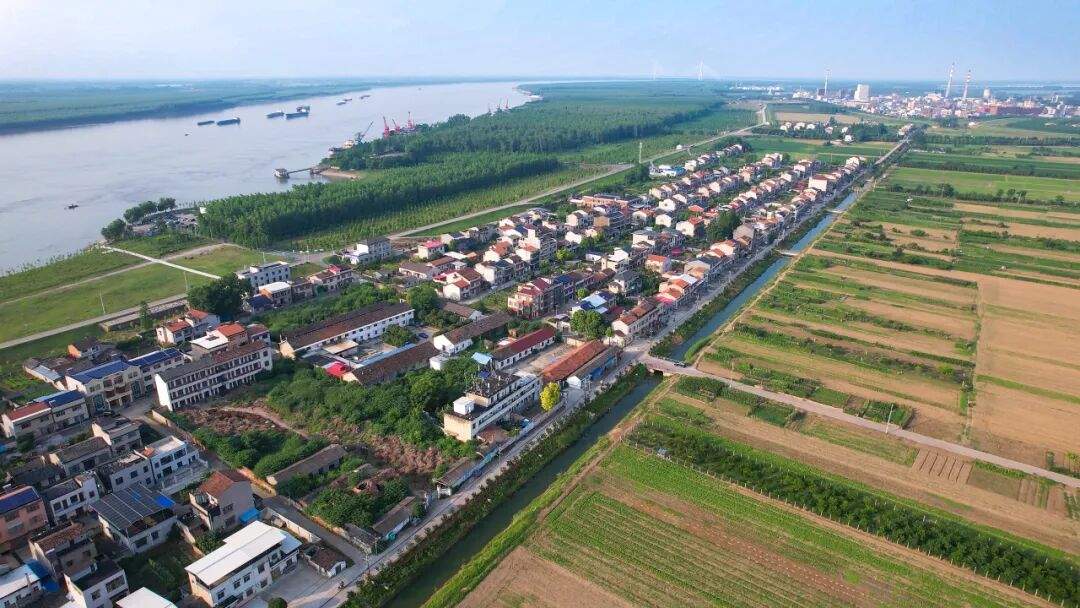
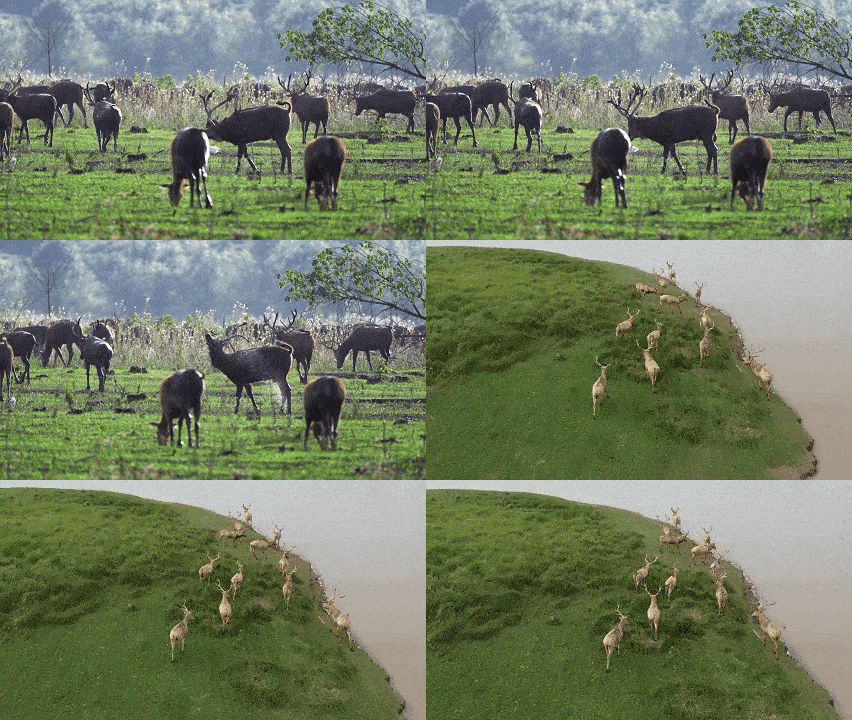
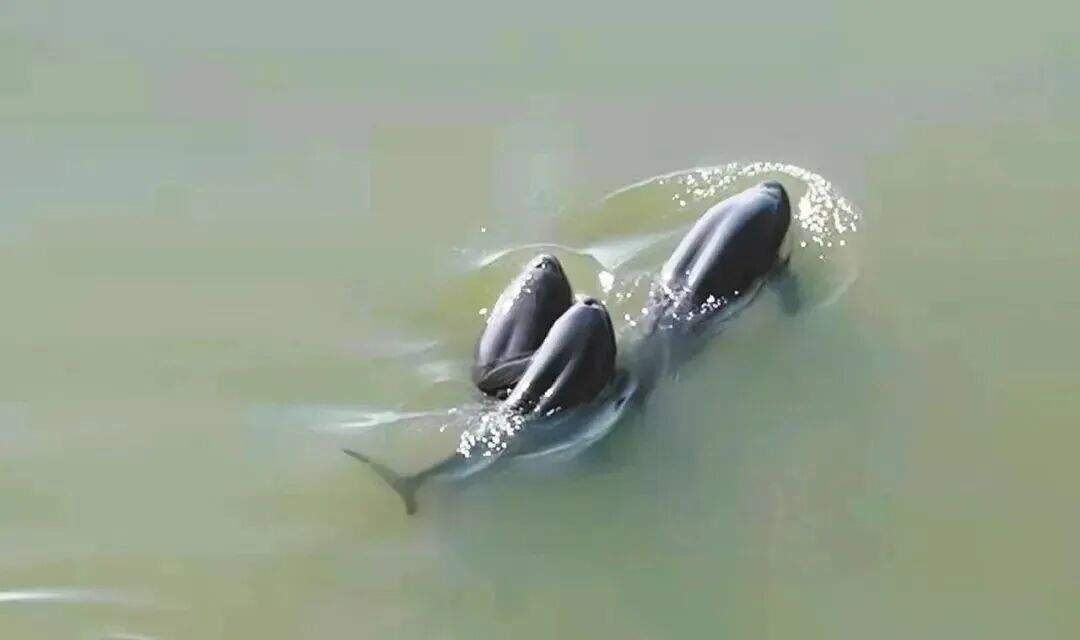
In terms of biodiversity protection, the project closely coordinated with the ecological protection of the Tian'e Zhou Reserve, forming a synergistic protection pattern of "upstream water purification, downstream species conservation." Through pollution source interception and water purification treatment, the water quality entering the lake has been consistently maintained at or above Class III surface water standards, significantly reducing the load of total phosphorus and ammonia nitrogen entering the lake. Currently, the finless porpoise population in Tian'e Zhou remains stable at around 80 individuals, serving as a benchmark achievement for the recovery of aquatic life under the Yangtze River Protection initiative.
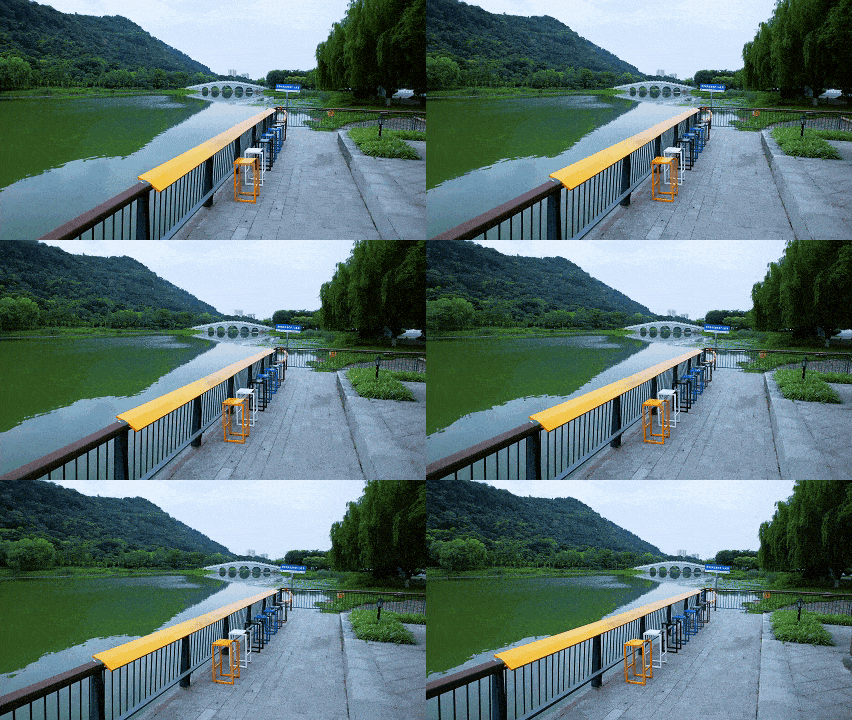
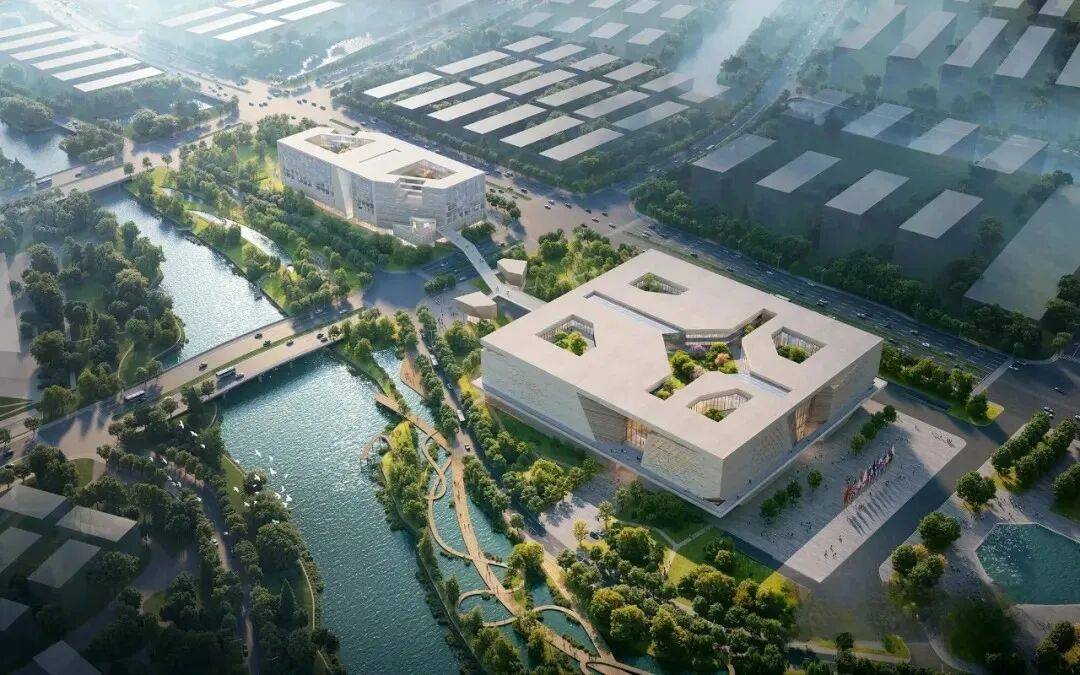
The project simultaneously created open water-friendly ecological spaces, with supporting facilities such as lakeside trails and water-access platforms, integrating leisure, fitness, and sightseeing functions, attracting over 1,000 visitors daily. Following the treatment approach of source pollution interception, internal pollution control, water system connectivity, and ecological buffering, the project embodies the integrated management concept of mountains, rivers, forests, farmlands, lakes, grasslands, and deserts in the Yangtze River Basin, providing a systematic treatment model for ecological protection and green development in the Yangtze River Economic Belt.